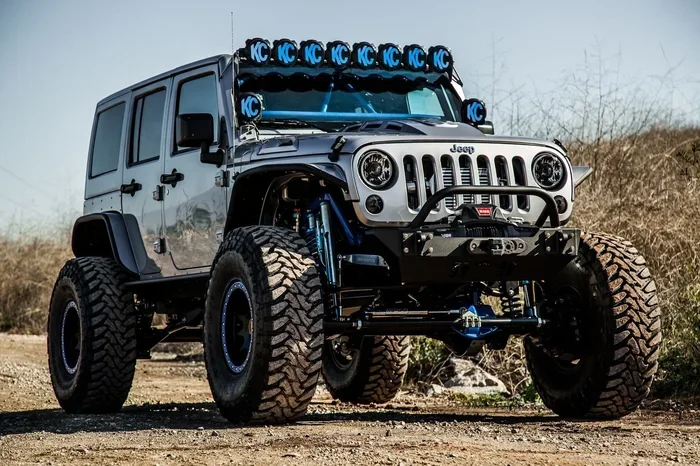
Does Lifting a Jeep Cause Problems and What to Expect
Lifting a Jeep can cause problems if done incorrectly or without proper planning. From suspension strain to steering issues, a lift kit changes how your Jeep handles on and off the road. Understanding what to expect helps you avoid costly mistakes and keeps your ride safe.
Lifting a Jeep is one of the most popular modifications enthusiasts make. It gives you better ground clearance, bigger tire clearance, and a more aggressive look. But here is the question everyone asks: does lifting a Jeep cause problems? The short answer is yes, it can. But it does not have to.
When you plan the lift properly and install it right, most issues are avoidable. The problems come from poor planning, cheap parts, or skipping important steps. This guide walks you through everything you need to know about what happens when you lift your Jeep.
## What Happens When You Lift a Jeep
### The Basic Mechanics of a Lift Kit
A lift kit raises the distance between the chassis and the wheels. It does this by adding spacers, longer springs, or modified control arms. The result is more ground clearance and the ability to fit larger tires.
There are two main types of lifts. A suspension lift replaces or adds components to the suspension system. A body lift separates the body from the frame using spacers. Suspension lifts change how the Jeep drives. Body lifts mainly affect appearance and tire size.
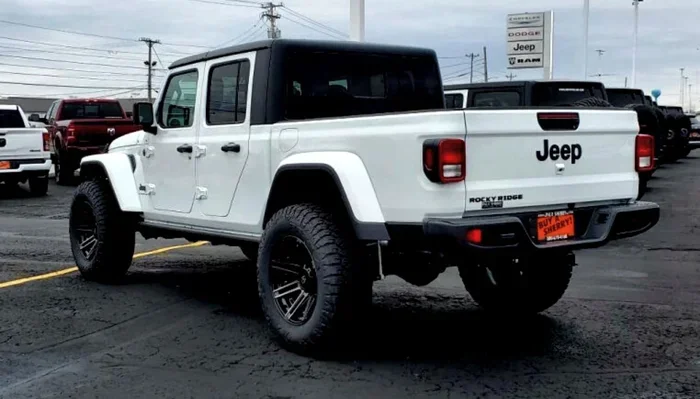
Small lifts of 1 to 2 inches usually cause few problems. Medium lifts of 3 to 4 inches start changing geometry. Large lifts of 5 inches or more bring significant challenges. The higher you go, the more you need to plan.
### How Lift Height Affects Your Jeep
Every inch you add changes the way the Jeep handles. Here is what happens at different lift levels:
- 1-2 inch lift: Minimal impact on drivability. You gain a slight edge in off-road clearance.
- 3-4 inch lift: Noticeable change in steering feel. You will likely need new shocks and possibly control arms.
- 5+ inch lift: Major drivetrain and geometry changes. CV axles, steering boxes, and transfer cases all need attention.
The higher the lift, the more components you need to upgrade. This adds cost and complexity.
## Common Problems Caused by Lifting a Jeep
### Drivetrain Stress and CV Axle Issues
One of the biggest concerns with a lifted Jeep is drivetrain stress. When you raise the vehicle, the CV axles operate at different angles. This increased angle causes faster wear on the joints.
The transfer case also feels the effects. A lift changes the driveshaft angle, which puts extra stress on the U-joints. Over time, this can lead to vibrations, clicking sounds, or outright failure.
You can reduce these risks by upgrading to stronger CV axles and using a double-cardan or RZAA style transfer case. These parts handle the increased angles much better than stock components.
### Steering and Alignment Changes
A lifted Jeep often develops steering issues. The steering geometry shifts because the wheels sit further out and higher. This can cause the Jeep to pull to one side or feel loose on the highway.
The caster angle changes significantly with a lift. Caster affects straight-line stability and steering return. Without correcting it, your Jeep may wander or feel unstable at higher speeds.
Getting a proper wheel alignment after every lift is non-negotiable. You should also consider upgrading the track bar and control arms to maintain proper geometry. Skipping this step leads to premature tire wear and unsafe handling.
### Ride Quality Deterioration
Many Jeep owners report a harsher ride after lifting. This happens because the suspension geometry changes. The springs and shocks that worked perfectly at stock height may not perform well at the new ride height.
Upgrading to long-travel shocks designed for your specific lift level helps enormously. Cheap shocks make the problem worse. They can cause bouncing, bottoming out, and poor damping on rough terrain.
The leaf springs or coil springs you choose also matter a lot. Springs that are too stiff make the ride harsh. Springs that are too soft cause excessive body roll. Finding the right balance is key.
### Vibration Problems
Vibrations are a common complaint after lifting a Jeep. They usually come from drivetrain angles being out of spec. When the driveshaft or CV axles operate at extreme angles, they create vibrations you feel through the floorboard.
Common causes include:
- Incorrect driveshaft length after the lift
- Worn U-joints that cannot handle the new angles
- Unbalanced tires or wheels that were not rebalanced post-lift
- Loose bolts in the lift kit hardware
Addressing vibrations early prevents damage to other components. Do not ignore them.
## How to Avoid Problems When Lifting Your Jeep
### Choose the Right Lift Kit for Your Needs
Not every lift kit is right for every Jeep owner. If you mainly drive on-road, a 1 to 2 inch lift works great. It gives you a bit more clearance without major changes.
If you plan serious off-roading, you need a 3 to 4 inch suspension lift with upgraded components. For rock crawling or extreme trails, a 5 to 6 inch lift with a full component upgrade is the way to go.
Always buy from reputable manufacturers. Cheap lift kits use inferior materials and poor engineering. They save money upfront but cost you more in repairs later.
### Budget for the Full Package
Many people make the mistake of only buying the lift kit itself. A proper lift requires more than just the springs and spacers. You need new shocks, possibly new control arms, upgraded CV axles, and a track bar.
Here is a rough cost breakdown:
- Lift kit (quality): $500 to $2,500 depending on size and brand
- Upgraded shocks: $200 to $800 for a set
- Control arms and track bar: $300 to $1,200
- CV axles (if needed): $200 to $600 per axle
- Professional installation: $500 to $1,500
- Alignment: $75 to $150
Planning your budget around the full package prevents surprises.
### Professional Installation vs. DIY
Some Jeep owners love a good DIY project. And lifting a Jeep can absolutely be a DIY job if you have the right tools and knowledge. However, the complexity increases with lift height.
A 2-inch body lift is fairly straightforward. A 4-inch suspension lift requires more mechanical knowledge and the right equipment. A 6-inch lift is best left to professionals unless you have serious experience.
Mistakes during installation can lead to dangerous driving conditions. Loose bolts, incorrect torque specs, or misaligned components all create safety hazards. If you are unsure, pay for professional installation. It is worth every penny.
### Maintenance Tips for Lifted Jeeps
A lifted Jeep needs more frequent maintenance than a stock one. Here is what to keep on your checklist:
- Check alignment every 5,000 miles or after any off-road incident
- Inspect CV boots and U-joints monthly for cracks or leaks
- Torque all lift hardware regularly according to manufacturer specs
- Replace shocks on schedule — they work harder on a lifted Jeep
- Monitor steering feel — any looseness or pulling means get an alignment
- Check for vibrations after any off-road trip
Staying on top of maintenance keeps your lifted Jeep running strong for years.
## Off-Road Considerations for Lifted Jeeps
### Ground Clearance Benefits
The biggest advantage of a lifted Jeep is the ground clearance. You can tackle trails that would scrape the undercarriage of a stock Jeep. Rock gardens, deep mud, and rocky inclines become accessible.
More ground clearance also means fewer undercarriage damage incidents on trails. You clear obstacles that would otherwise scrape your oil pan, transmission, or exhaust.
### Obstacle Hazards on Trails
Even with a lifted Jeep, trail hazards still exist. Overhanging branches, rocks, and debris can still cause damage. And here is something every Jeep owner should keep in mind: off-road trails can present unexpected hazards, and hitting a deer is one concern every Jeep owner should know about. A lifted Jeep sits higher, which actually increases the risk of deer collisions at certain speeds since the impact point hits higher on the vehicle.
Always drive within your limits on trails. A lifted Jeep gives you more capability but does not make you invincible.
### Speed and Handling on Highways
When you drive a lifted Jeep on highways, handling changes become more noticeable. The higher center of gravity affects cornering and braking. You may notice the Jeep feels less stable at higher speeds.
If you drive your lifted Jeep on highways regularly, understanding how speed affects your vehicle matters. Just as at what speed does a hybrid switch from electric to gas, every vehicle has speed thresholds where behavior changes. For lifted Jeeps, highway speeds above 70 mph can amplify any suspension or steering issues.
Always drive at safe speeds and be extra cautious during lane changes and sharp turns.
## Legal and Insurance Considerations
### Lift Height Laws by State
Some states have laws regulating how high you can lift a vehicle. These laws vary widely. Some states limit lift height to 4 inches, while others have no restrictions at all.
Before you lift your Jeep, check your local laws. You do not want to get pulled over or fined for an illegal lift height. Some states also require additional modifications, like bumper guards or warning decals, for lifted vehicles.
### Insurance Implications
Lifting a Jeep can affect your insurance coverage. Some insurers consider modified vehicles higher risk. Others do not care as long as the modifications are within legal limits.
Always notify your insurance company about any modifications. This ensures you are covered if something happens. Skipping this step could leave you paying out of pocket for damages.
## Expert Insights
### What Mechanics Say About Lifted Jeeps
Experienced mechanics agree that a properly installed lift kit causes minimal problems. The issues arise from poor installation, cheap parts, or skipping necessary upgrades.
“Most problems we see with lifted Jeeps come from owners who cut corners,” says one veteran Jeep mechanic. “They buy the cheapest kit, skip the alignment, and wonder why things feel wrong six months later.”
### What Experienced Jeep Owners Recommend
Seasoned Jeep owners consistently recommend these steps:
- Invest in quality parts from the start
- Never skip the alignment after a lift
- Upgrade components that will be stressed by the lift
- Drive cautiously until you understand how the lift changes handling
- Join Jeep forums and communities for real-world advice
The community is one of the best resources available. Other Jeep owners have already solved the problems you might face.
## Key Takeaways for Your Lift Decision
Before you decide to lift your Jeep, keep these final thoughts in mind. A lift kit adds capability and style to your Jeep. It opens up trails and gives you a more commanding presence on the road.
But it also introduces real challenges. Drivetrain stress, steering changes, ride quality shifts, and increased maintenance needs all come with the territory. The key is planning ahead and making smart choices.
Choose the right lift level for your needs. Budget for the full package of components and installation. Stay on top of maintenance. And always drive safely, knowing how your lifted Jeep handles differently.
If you do all of this, you can enjoy a lifted Jeep without the major problems that catch so many owners off guard.
## Conclusion
So, does lifting a Jeep cause problems? Yes and no. A lift changes your Jeep in meaningful ways, and some of those changes bring challenges. Drivetrain stress, steering geometry shifts, ride quality changes, and increased maintenance are all real considerations.
But none of these problems are inevitable. With the right lift kit, proper installation, quality components, and consistent maintenance, you can enjoy all the benefits of a lifted Jeep without the downsides.
The answer to does lifting a Jeep cause problems depends entirely on how you approach the modification. Plan carefully, invest in quality, and stay proactive with maintenance. Your lifted Jeep will reward you with years of great performance both on and off the trail.
Key Takeaways
- Lift kits change your Jeep’s geometry: This affects steering, alignment, and ride quality in real ways.
- Drivetrain stress is a real concern: Lifted Jeeps put extra strain on CV axles, transfer cases, and U-joints.
- Not all lifts are equal: Body lifts and suspension lifts serve different purposes and come with different risks.
- Proper installation matters enormously: A DIY job can save money but may lead to serious problems if done wrong.
- Regular maintenance becomes even more important: Lifted Jeeps need more frequent checks on alignment, bushings, and bolts.
- Insurance and legal issues can arise: Some states have laws about lift height and modified vehicles.
Frequently Asked Questions
Is lifting a Jeep worth it?
Yes, if you plan to use your Jeep off-road or want a more aggressive look. The key is choosing the right lift level and investing in quality parts and installation. A properly done lift adds real value and capability to your Jeep.
How much does it cost to lift a Jeep properly?
A quality lift kit with all necessary upgrades and professional installation typically costs between $1,500 and $5,000. The exact price depends on lift height, part quality, and whether you need drivetrain upgrades. Cutting corners on parts or skipping necessary upgrades leads to expensive problems later.
Can I drive a lifted Jeep daily?
Yes, many Jeep owners lift their Jeeps for daily driving. However, lifted Jeeps may have slightly reduced fuel economy and a harsher ride on smooth roads. If you drive mostly on highways, keep speeds moderate and stay on top of alignment checks for the best daily driving experience.
What lift height is best for off-roading?
For most off-road enthusiasts, a 3 to 4 inch suspension lift hits the sweet spot. It gives you enough clearance for serious trails without requiring massive drivetrain upgrades. If you plan on extreme rock crawling, a 5 to 6 inch lift with full component upgrades is the better choice.
Will a lift void my Jeep warranty?
This depends on your dealer and warranty terms. Some manufacturers may deny warranty claims related to modifications. However, a lift kit does not automatically void your entire warranty. The dealer must prove the lift directly caused the issue. Always check your warranty documents and consult your dealer before modifying.
How often should I get an alignment after lifting my Jeep?
Get an alignment immediately after installation and then every 5,000 miles or after any significant off-road trip. Lifted Jeeps are more prone to alignment shifts because the suspension geometry changes. Regular alignments protect your tires and ensure safe handling on all road surfaces.