Can You Start a Push-Button Car Without a Key Fob
Yes, you can start a push-button car without a key fob in most cases. Modern vehicles come with push-button start systems that allow backup methods when your key fob battery dies. This guide covers step-by-step solutions, common problems, and pro tips to get your car running again.
You are standing in your driveway. The coffee is hot. The morning sun is shining. And your push-button car just will not start. You press the button. Nothing happens. You wave the key fob near the start button. Still nothing. Your heart sinks a little. You think, “Can you start a push-button car without a key fob?”
The short answer is yes. The longer answer is that it depends on your car model, the push-button start system installed, and a few other factors. But here is the good news. You almost always have options. Whether your key fob battery died overnight or the fob got damaged in a pocket, there are ways to get behind the wheel and drive.
This guide walks you through everything you need to know. We will cover how these systems work, what to do when the fob fails, and how to prevent the problem from happening again. By the end, you will feel confident and prepared. No more standing in the driveway wondering what went wrong.
Key Takeaways
- Backup Start Methods Exist: Most push-button cars let you start the engine even if the key fob is dead or lost.
- Check the Battery First: A dead key fob battery is the most common reason a push-button car won’t start.
- Hidden Key Slots Are Common: Many vehicles have a hidden key slot in the steering column or center console.
- Proximity Sensors Matter: The proximity sensor must detect the fob for the system to work normally.
- Prevention Beats Cure: Simple habits like carrying a spare battery can save you from a lot of trouble.
📑 Table of Contents
- How Push-Button Start Systems Work
- What Happens When Your Key Fob Dies
- How to Start a Push-Button Car Without a Key Fob
- Common Reasons Your Push-Button Start Won’t Work
- Tips to Prevent Key Fob Problems
- Expert Insights on Push-Button Car Security
- Common Mistakes People Make With Push-Button Cars
- Final Thoughts
How Push-Button Start Systems Work
Before we dive into solutions, let us understand how these systems actually work. Modern cars use a smart key system that communicates wirelessly with the vehicle. The key fob sends a low-frequency signal to the car. The car’s computer receives that signal and verifies the fob is authentic. Once verified, you can press the push start button and the engine turns on.
The Role of the Proximity Sensor
Every push-button car has a proximity sensor. This sensor detects whether the fob is inside or near the vehicle. Most cars place the sensor near the steering column or the center console. When you press the brake pedal and hit the start button, the car checks for the fob signal first. If it does not find the fob, the engine will not start. This is a car security system feature designed to prevent theft.
What Is a Transponder Chip?
Inside every key fob is a tiny transponder chip. This chip sends a unique code to the car. The car’s vehicle immobilizer reads that code and decides whether to allow the engine to start. If the code does not match, the car stays locked. This is why simply having the physical key shape is not enough. The electronic signal must match too. It is a two-part verification process that keeps your car safe.
Keyless Entry vs. Push-Button Start
People often confuse keyless entry with push-button start. They are related but different. Keyless entry lets you unlock the doors without pressing a button on the fob. You just touch the door handle. Push-button start lets you ignite the engine without turning a key. Both rely on the same smart key system. But they serve different purposes. Understanding this difference helps when troubleshooting problems.
What Happens When Your Key Fob Dies
A dead key fob battery is one of the most common reasons a push-button car will not start. The fob simply cannot send its signal anymore. You might notice warning signs before it completely dies. The car won’t start on the first try sometimes. The range of the fob gets shorter. You have to hold it right next to the start button. These are all clues that the battery is running low.
Can a Dead Fob Stop the Car While Driving?
No. Once the engine is running, a dead fob will not shut it off. The car continues to operate normally. The push-button ignition system only checks the fob during startup. After that, the engine runs on its own. So if your fob dies while driving, do not panic. You can still drive to a safe location or a service center.
How Long Does a Key Fob Battery Last?
Most key fob batteries last between two and four years. The exact lifespan depends on usage, weather, and battery quality. Cold weather can drain the battery faster. If you live in a region with harsh winters, you might need to replace the battery more often. Keeping a spare battery in your glove box is a smart move.
How to Start a Push-Button Car Without a Key Fob
This is the section you have been waiting for. Here are the most common backup methods to start a push-button car when the fob is dead or unavailable. Try them in order. Start with the simplest method and work your way down.
Method 1: Hold the Fob Against the Start Button
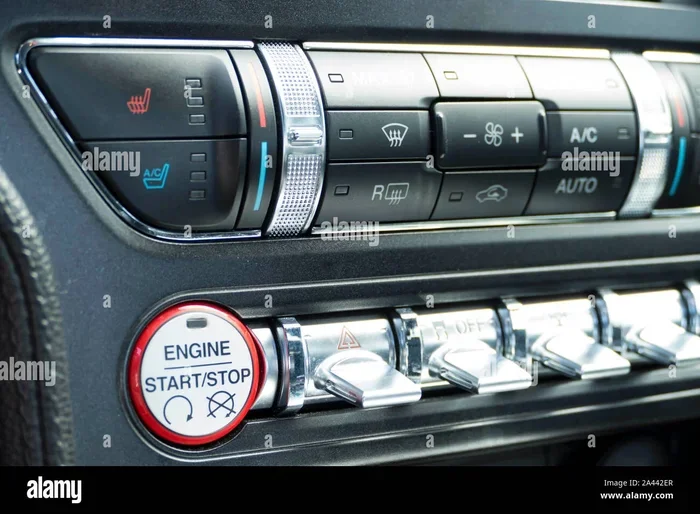
Many cars have a backup start method built right into the push start button. Place the dead fob directly against the button. Press the brake pedal. Then press the start button. The car reads the fob through direct contact. This works because the proximity sensor can pick up the signal through the fob’s casing, even with a low battery.
Method 2: Use the Hidden Key Slot
Most push-button cars have a hidden key slot somewhere on the vehicle. This slot accepts a physical mechanical key. You can find it by looking for a small panel on the steering column or the center console. Pop off the panel. Insert the mechanical key. Turn it to the ignition position. The car should start normally.
The hidden key slot is a lifesaver. It bypasses the electronic smart key system entirely. The car uses the old-fashioned mechanical method to verify you are the owner. This is why it is important to know where your car’s mechanical key is stored. Check your owner’s manual if you are not sure.
Method 3: Replace the Key Fob Battery
If you have a spare battery, this is the quickest fix. Open the fob. Remove the old battery. Insert the new one. Most fobs use a CR2032 battery. These are cheap and available at almost any store. After replacing the battery, hold the fob near the start button and try again. The car should recognize the signal immediately.
Replacing the key fob battery is easy. You do not need any special tools. A small coin or flathead screwdriver usually pops the fob open. Just be gentle. You do not want to crack the casing. If you are unsure, watch a quick video online for your specific car model.
Method 4: Use the Car’s Mobile App
Some modern vehicles come with a mobile app that connects to the car via Bluetooth or Wi-Fi. Through the app, you can unlock the doors and start the engine remotely. This method works even if the physical fob is dead. Check whether your car brand offers this feature. Brands like BMW, Tesla, and Hyundai have robust app ecosystems.
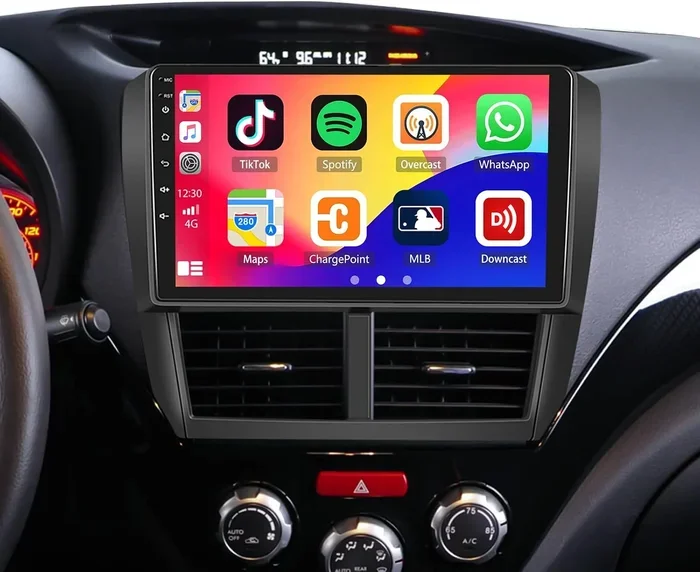
The mobile app start feature is becoming more common. If you have a newer car with a 7-inch touch screen for car display, there is a good chance the app is available. Simply download the manufacturer’s app, pair it with your vehicle, and follow the setup instructions. It is one of the most convenient backup start methods available today.
Method 5: Call Roadside Assistance
If none of the above methods work, call for help. A roadside assistance service can bring a replacement fob or jump-start your vehicle. Many insurance policies and car warranties include roadside assistance. Check your coverage before you need it. Keep the phone number saved in your phone. It is one of those things you do not think about until you desperately need it.
Common Reasons Your Push-Button Start Won’t Work
Sometimes the problem is not the fob. Several other issues can prevent a push-button car from starting. Understanding these helps you diagnose the problem faster.
The Brake Pedal Is Not Pressed
This sounds obvious, but it happens more than you think. Most push-button cars require you to press the brake pedal before hitting the start button. If you do not press it, the car will not start. This is a safety feature. It prevents the car from lurching forward unexpectedly. Always press the brake first. Then press the button.
The Car Battery Is Dead
A dead car battery will prevent the push-button start system from working. The car needs electrical power to run the computer, the sensors, and the ignition system. If the dashboard lights are dim or do not turn on, the car battery might be dead. In this case, you need a jump-start or a new battery. The fob is not the problem here.
The Steering Wheel Is Locked
A steering wheel lock can engage when you turn off the car and turn the wheel slightly at the same time. This is an anti-theft feature. When the lock is engaged, the push start button will not work. To fix this, wiggle the steering wheel back and forth while pressing the start button. The lock should release. The car will start normally.
The Fob Is Not in Range
The proximity sensor has a limited range. Usually about 1 to 2 meters. If the fob is in your backpack in the trunk, the car might not detect it. Bring the fob closer to the start button or the steering column. The signal needs a clear path to reach the car’s computer. Remove any metal objects between the fob and the car. Metal can block the signal.
Software or System Glitch
Like any computer, a car’s push-button ignition system can experience a software glitch. This is rare but it happens. The fix is usually simple. Turn the ignition off. Wait 30 seconds. Turn it back on. The system resets. If the problem persists, a visit to the dealership may be needed. They can run diagnostics and update the software if necessary.
Tips to Prevent Key Fob Problems
Prevention is always better than cure. A few simple habits can save you from the frustration of a car that will not start.
- Replace the battery on schedule. Do not wait until the fob stops working. Change the battery every two years as a routine maintenance task.
- Keep a spare fob in the house. A second fob means you always have a backup. Store it in a safe but accessible place.
- Avoid extreme temperatures. Hot and cold weather can damage the fob’s battery and internal electronics. Keep the fob in a pocket close to your body. This keeps it at a stable temperature.
- Do not place the fob near electronic devices. Phones, tablets, and other devices can interfere with the fob’s signal. Store it in a dedicated spot away from electronics.
- Check the fob regularly. Test the fob every few weeks. If the range seems shorter than usual, replace the battery right away.
- Keep the fob clean. Dirt and moisture can damage the buttons and internal components. Wipe it down with a soft cloth occasionally.
- Read your owner’s manual. Every car model has unique features and backup methods. The manual will tell you exactly what to do in an emergency. Spend 15 minutes reading the push-button start section. It could save you a lot of time later.
Quick Tips for Everyday Use
Here are a few extra tips that make daily life with a push-button car easier. These small habits add up over time.
- Always keep the fob in the same pocket. You will always know where it is.
- If the fob battery dies often, consider a rechargeable fob battery pack.
- Some cars allow you to purchase a second fob from the dealer. Having two fobs means one always has a working battery.
- If you use a 7-inch music system for car or other aftermarket electronics, make sure they do not interfere with the fob’s signal range.
- When parking outdoors in winter, keep the fob inside your coat pocket. Body heat keeps the battery warmer and the signal stronger.
Expert Insights on Push-Button Car Security
Car security systems have come a long way. Modern push-button start vehicles use encrypted signals that are very hard to replicate. The transponder chip inside the fob generates a rolling code. This means the code changes every time you start the car. Even if a thief intercepts the signal, the old code will not work. This is called rolling encryption and it is a powerful anti-theft feature.
However, no system is perfect. Relay attacks are a growing concern. In a relay attack, a thief uses a device to amplify the fob’s signal from inside your home. The car thinks the fob is nearby and unlocks. To prevent this, store your fob in a signal-blocking pouch. These pouches are inexpensive and very effective. They block all outgoing signals from the fob when it is not in use.
Some car owners also install additional car security system upgrades. Steering wheel locks, GPS trackers, and alarm systems add extra layers of protection. These are especially useful for cars parked on the street or in unsecured areas. Think of them as a complement to the factory security features. Together, they make your vehicle much harder to steal.
One thing to keep in mind is the vehicle immobilizer. This is a separate system from the push-button start. The immobilizer prevents the engine from running unless the correct fob is detected. Even if someone hot-wires the car, the immobilizer will shut the engine down. It is one of the most effective anti-theft technologies in modern vehicles.
When to Visit a Professional
Most push-button start problems can be solved at home. But some situations require professional help. If you have tried all the backup methods and the car still will not start, it is time to see a mechanic. Similarly, if the push-button ignition system shows error codes on the dashboard, a professional diagnosis is needed. Do not ignore warning lights or unusual sounds. They often point to deeper issues that only a trained technician can fix.
Also, if you lose your fob entirely, you will need a replacement. Dealerships can program a new fob to your specific vehicle. This process varies by brand and model. Some take just a few minutes. Others require specialized equipment and may take a few hours. Either way, having a replacement fob is essential for full functionality.
Common Mistakes People Make With Push-Button Cars
Even experienced drivers make mistakes with push-button start systems. Here are the most common ones and how to avoid them.
- Assuming the fob is dead when it is not. Sometimes the fob is fine but it is too far away. Bring it closer to the start button before assuming the battery is dead.
- Forgetting to press the brake pedal. This is the number one reason push-button cars fail to start. Always press the brake first.
- Leaving the fob in the car. Some cars will not start if the fob is removed from the vehicle while driving. The car may shut off. Always keep the fob inside the cabin while driving.
- Ignoring warning signs. If the fob range gets shorter or the car takes longer to recognize the fob, replace the battery immediately. Do not wait for it to die completely.
- Not reading the owner’s manual. Every car has specific procedures for starting without a fob. The manual covers these in detail. Skipping this step means you might miss important information.
These mistakes are easy to avoid with a little awareness. The more you know about your vehicle, the fewer surprises you will face. Push-button cars are convenient and reliable. But they do require a basic understanding of how the systems work.
Final Thoughts
So, can you start a push-button car without a key fob? Absolutely. You have multiple backup methods available. From holding the fob against the start button to using a hidden key slot, the options are built into the vehicle for a reason. Car manufacturers know that fobs can fail. They design the systems with redundancy in mind.
The key is preparation. Keep a spare battery handy. Know where your mechanical key is stored. Understand your car’s specific backup methods. These small steps make a huge difference when the unexpected happens. A few minutes of preparation today can save you from a stressful morning tomorrow.
Push-button start technology continues to evolve. Newer cars offer app-based starting, biometric authentication, and even phone-as-a-fob features. The future of keyless entry and push-button ignition is exciting. But no matter how advanced the technology gets, the fundamentals remain the same. Know your car. Maintain your fob. And always have a backup plan.
Next time you are in the driveway and the car does not start, take a deep breath. You now have the knowledge to handle the situation. You are not stuck. You are prepared. And that confidence makes all the difference.
Frequently Asked Questions
Can I start a push-button car with a completely dead key fob?
Yes, in most cases. You can hold the dead fob directly against the start button. Many cars have a hidden key slot that accepts a mechanical key as a backup. Check your owner’s manual for the specific method for your car model.
How do I know if my key fob battery is dying?
You will notice the fob has a shorter range. Sometimes you need to hold it very close to the car for it to work. The dashboard may also show a key fob not working warning light. Replacing the battery at the first sign of weakness prevents you from getting stranded.
What type of battery does a key fob use?
Most key fobs use a CR2032 coin cell battery. These are widely available and inexpensive. You can find them at any grocery store, pharmacy, or auto parts shop. Check your owner’s manual to confirm the exact battery type for your fob.
Can I drive my push-button car if the fob battery dies while I am driving?
Yes. Once the engine is running, a dead fob will not shut off the car. The push-button ignition system only checks the fob during startup. You can continue driving safely to a service center or home to replace the battery.
Does cold weather affect key fob performance?
Yes, cold weather can drain the key fob battery faster and weaken the signal. Keep the fob close to your body in cold weather to maintain its temperature. Storing it in an inner pocket is better than an outer jacket pocket during winter months.
How much does it cost to replace a key fob?
A replacement fob typically costs between 50 and 400 dollars depending on the car brand and model. Programming the new fob at a dealership may add another 50 to 100 dollars. Some cars allow you to program the fob yourself, which saves money. Always check with your dealer for an exact quote.
=== CONCLUSION ===
Starting a push-button car without a key fob is entirely possible. You just need to know the right method. Whether it is the direct contact method, the hidden key slot, or a simple battery replacement, you have options. Understanding how your smart key system works gives you confidence and independence. It also saves you time and money on unnecessary service calls.
Take a few minutes today to familiarize yourself with your car’s backup features. Read the manual. Locate the hidden key slot. Test the backup start method while your fob is still working. This small investment of time pays off big when you need it most. Stay prepared and keep driving with confidence.