How Do I Get My Garage Door Opener to Work in My Car
Getting your garage door opener to work in your car is easier than you think. Whether your car has a built-in HomeLink system or you need a universal remote, this guide walks you through every step. You will learn how to program, troubleshoot, and maintain your car garage door setup quickly and safely.
There is nothing more frustrating than standing in your driveway with your arms full of groceries and realizing your garage door opener is not working from your car. You are not alone. Millions of car owners deal with garage door remote issues every single day. The good news is that getting your garage door opener to work in your car is usually a straightforward process. Whether you have a newer vehicle with a built-in system or an older car that needs a universal remote, this guide has you covered. Let us walk through everything you need to know to make your car garage door opener work perfectly.
Your car and garage door opener communicate using radio frequency signals. When you press a button inside your vehicle, a small transmitter sends a signal to the receiver on your garage door opener. If that signal gets interrupted, blocked, or simply is not paired correctly, your door will not open. Understanding this basic process makes the rest much easier. This article will show you exactly how to set up, fix, and maintain your car garage door system so you never have to dig through your glove box for a handheld remote again.
Key Takeaways
- HomeLink vs. Universal Remote: Know which garage door system your car supports before you start programming.
- Simple Programming Steps: Most cars let you sync your garage door opener in under 10 minutes with the right steps.
- Rolling Code Technology: Modern garage doors use secure rolling codes that require a specific pairing process.
- Common Issues Are Fixable: Signal interference, dead batteries, and misaligned buttons cause most problems and have easy solutions.
- Regular Maintenance Helps: Keeping your transmitter clean and your car system updated prevents most garage door issues.
- When in Doubt, Call a Pro: Some complex setups or older systems may need professional help to get working right.
📑 Table of Contents
- What Is a Car Garage Door Opener System?
- How to Program Your Garage Door Opener in Your Car
- Common Problems When Your Garage Door Opener Will Not Work in Your Car
- Choosing the Right Garage Door Opener for Your Car
- Expert Tips for Keeping Your Car Garage Door Opener Working
- When Should You Call a Professional?
- Key Takeaways
- Conclusion
What Is a Car Garage Door Opener System?
A car garage door opener system is a built-in feature or add-on device that lets you open and close your garage door directly from your vehicle. Most modern cars come with some form of this technology already installed. Older vehicles may need a universal remote that plugs into the cigarette lighter or mounts on the dashboard. Either way, the goal is the same. You want to press one button inside your car and have your garage door respond instantly.
The two main types of car garage door systems are built-in integrated systems and universal aftermarket remotes. Built-in systems are often called HomeLink, MyQ, or by the specific car manufacturer name. Universal remotes are separate devices you install yourself. Both options connect to your garage door opener motor using radio frequency signals, typically in the 300 to 390 megahertz range.
How Car Garage Door Systems Communicate
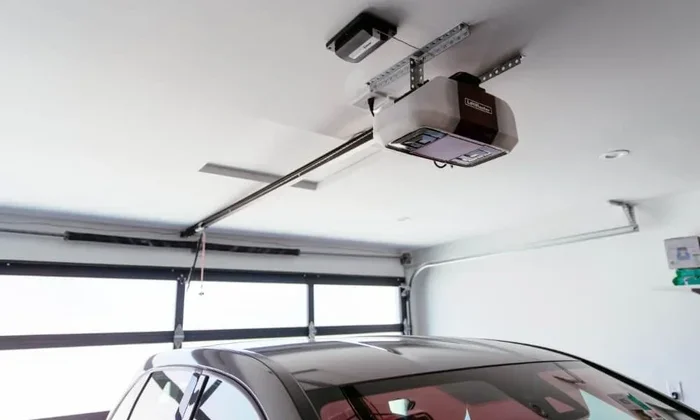
Your car sends a wireless signal to the garage door opener motor unit mounted on your ceiling. The motor has a small receiver that listens for that signal. When it hears the right code, it activates the door mechanism. Modern systems use rolling code technology for security. This means the code changes every time you use it. That prevents someone from copying your signal and opening your garage door without permission.
Older systems used fixed codes. Those are much easier to hack, which is why rolling code systems replaced them. But rolling code systems require a specific pairing process. If you ever reset your garage door opener or get a new car, you will need to re-pair the system. This is the most common reason people search for how to get their garage door opener working in their car again.
How to Program Your Garage Door Opener in Your Car
Programming your car garage door opener is the most important step. Without it, your car simply does not know which garage door to control. The process varies slightly depending on your vehicle and garage door brand, but the general steps are very similar. Here is how to do it for the most common setups.
Programming a HomeLink System
HomeLink is the most popular built-in car garage door system. It comes factory-installed in many Ford, GM, Toyota, Honda, and other vehicle brands. To program HomeLink, follow these steps:
- Park your car within a few feet of the garage door opener motor.
- Press and hold the two outer HomeLink buttons in your car until the indicator light starts flashing. This usually takes about 20 seconds.
- Locate the “learn” or “smart” button on your garage door opener motor. It is usually near the antenna wire on the back of the unit.
- Press and release the learn button. You will have about 30 seconds to complete the next step.
- Go back to your car and press and hold the HomeLink button you just programmed.
- Hold it for about 10 seconds until the garage door starts to move.
- Release the button. The HomeLink light should stay solid, meaning the pairing was successful.
That is it. Your car is now connected to your garage door. If you have a rolling code door, the process may require an additional step where you use a ladder to access the motor unit and press the learn button at the right time.
Programming a Universal Remote
If your car does not have a built-in system, a universal garage door remote is your best friend. Popular brands include LiftMaster, Chamberlain, Genie, and Craftsman. Here is how to set one up:
- Choose a universal remote that matches your garage door brand or is listed as compatible with multiple brands.
- Install the remote according to the included instructions. Some plug into a power outlet, while others mount using adhesive or screws.
- Follow the specific programming steps for your remote model. Most involve pressing a learn button on the garage door motor and then a button on the remote within a time window.
- Test the remote from inside your car to make sure it works before relying on it daily.
Quick Tip: Write down your garage door opener model number before you buy a remote. You can usually find this number on the back of the motor unit or in the user manual. Having the right model ensures compatibility and saves you time and frustration.
Common Problems When Your Garage Door Opener Will Not Work in Your Car
Sometimes the programming goes smoothly, but the garage door opener still does not work from your car. This is more common than you might think. Several factors can interfere with the signal between your car and your garage door. Let us look at the most frequent problems and how to fix them.
Signal Interference
Other electronic devices near your garage can block or weaken the garage door signal. Baby monitors, wireless cameras, LED lights, and even neighboring garage door openers can all cause interference. If your car garage door opener works sometimes but not others, interference is likely the culprit.
Try moving your car to a different spot in the driveway and test again. You can also try turning off nearby electronics one at a time to identify the source of the problem. In some cases, simply changing the frequency on your garage door opener can help. Most modern openers let you select between 300, 310, or 390 megahertz frequencies.
Dead or Weak Batteries
This sounds obvious, but it is one of the most overlooked causes. The batteries in your car’s garage door transmitter or your handheld remote can die without you noticing. If your garage door remote stopped working suddenly, replace the batteries first before trying anything else.
Use high-quality alkaline batteries for the best performance. Avoid cheap generic batteries, as they tend to lose charge faster and may not provide enough power for a strong signal. For built-in car systems, the transmitter is usually powered by the car battery, so a weak car battery can also cause intermittent problems with your garage door.
Misaligned or Dirty Sensors
Garage door openers have safety sensors near the bottom of the door tracks. These sensors use an infrared beam to detect objects in the door’s path. If the sensors are dirty, misaligned, or blocked by a spider web or debris, the door will not respond to any signal, including the one from your car.
Clean the sensor lenses with a soft cloth. Make sure nothing is blocking the path between the two sensors. Check that the indicator lights on both sensors are lit. If one is off, gently adjust the sensor angle until the light turns green. This small fix solves a surprising number of garage door problems.
Range Issues
Every garage door transmitter has a range limit. Most car systems work well within 50 to 100 feet. If you park too far from the garage, the signal may not reach. Try parking closer to the garage door motor and see if the opener responds. If it does, you have a range issue.
Range can be affected by thick garage door insulation, metal storage buildings, and even the angle at which you park. Some aftermarket signal boosters can extend the range if you frequently park far from your garage. However, most homeowners find that simply adjusting their parking spot solves the problem completely.
Choosing the Right Garage Door Opener for Your Car
Not all garage door openers are the same. If you are shopping for a new system or replacing an old one, picking the right one makes a big difference in how well it works with your car. Here is what you need to consider.
| Feature | Built-In Car System (HomeLink) | Universal Aftermarket Remote |
|---|---|---|
| Installation | Factory-installed, no setup needed | Plug-in or mount, DIY-friendly |
| Compatibility | Works with most garage door brands | Check model compatibility first |
| Cost | Included with vehicle purchase | $25 to $75 typically |
| Signal Range | Good, integrated with car antenna | Varies by brand and model |
| Security | Rolling code support on most models | Look for rolling code models |
| Extra Features | Can control multiple doors, lights | Basic open/close function |
If your car does not have a built-in system and you do not want to install a universal remote, you also have the option of a smartphone-based garage door opener. Apps like MyQ and Chamberlain’s mobile app connect to your garage door opener through Wi-Fi. You can open your door from anywhere using your phone. This is not exactly the same as having it work from your car, but it is a convenient alternative for many drivers.
When choosing any garage door opener system, look for rolling code encryption as a standard feature. This ensures your garage door stays secure against signal copying. Also check that the system supports the frequency your garage door motor uses. Most modern openers work on 310 or 390 megahertz, but older models may differ.
Expert Tips for Keeping Your Car Garage Door Opener Working
Once you get your garage door opener working in your car, you want it to keep working reliably. A few simple maintenance habits can prevent most problems before they start.
- Test your system regularly. Once a month, press your car garage door button to confirm it still works. Catching a problem early is much easier than fixing one when you are in a rush.
- Keep your transmitter clean. Dust and moisture can build up on the electronic contacts inside your car’s garage door button. Wipe it gently with a dry cloth every few months.
- Replace batteries on a schedule. If your handheld remote uses replaceable batteries, swap them out every 12 to 18 months. Do not wait until the remote stops working entirely.
- Update your garage door opener firmware. Some modern openers connect to Wi-Fi and receive software updates. Check the manufacturer’s app periodically for updates that can improve performance and security.
- Avoid pressing the button repeatedly. If your car garage door opener does not respond the first time, wait a few seconds before trying again. Rapid pressing can confuse the rolling code system and cause a mismatch.
Expert Insight: “The most common mistake I see is people ignoring the learn button process,” says a garage door technician with over 15 years of experience. “When a car garage door opener stops working, 90% of the time it is because the signal pairing has been lost. Reprogramming the system almost always fixes the problem.”
When Should You Call a Professional?
Most car garage door opener issues can be solved at home with the steps in this guide. But there are times when calling a professional is the right move. If you have tried reprogramming your system and the door still does not respond, there may be a deeper electrical issue with either the car transmitter or the garage door motor.
Also call a professional if you notice any of these warning signs:
- The garage door opener motor makes grinding or screeching noises when you try to open the door.
- The door opens partially and then reverses or stops halfway.
- The indicator light on your garage door motor blinks in an unusual pattern.
- You have recently had electrical work done in your home or garage, and the opener stopped working afterward.
- Your car’s garage door system was damaged in an accident or during a car service appointment.
A qualified garage door technician can diagnose electrical problems, replace faulty wiring, and ensure your system meets current safety standards. Trying to fix complex electrical issues yourself can be dangerous and may void your warranty on the garage door opener. When in doubt, it is always worth calling a pro.
Key Takeaways
- Know Your System Type: Determine whether your car has a built-in system like HomeLink or needs a universal aftermarket remote before you start.
- Follow the Programming Steps Carefully: Pressing the learn button on your garage door motor and pairing it with your car transmitter is the key to making everything work.
- Troubleshoot Common Issues First: Signal interference, dead batteries, dirty sensors, and range problems cause the vast majority of garage door remote failures.
- Choose Rolling Code Systems: These offer better security and are standard on most modern garage door openers and car integration systems.
- Maintain Your System Regularly: Simple habits like testing monthly, cleaning contacts, and replacing batteries on schedule keep everything running smoothly.
- Call a Professional When Needed: Persistent problems, unusual noises, or electrical issues warrant expert attention to keep your garage door system safe and reliable.
Conclusion
Getting your garage door opener to work in your car is one of those small conveniences that makes a big difference in your daily routine. No more fumbling for a handheld remote in the rain or digging through your pockets while juggling coffee and bags. With the right setup and a little basic knowledge, your car can become your garage door control center.
Start by identifying whether your car has a built-in system or needs a universal remote. Follow the programming steps carefully, and do not be discouraged if it takes a couple of tries. Most problems have simple fixes, from replacing batteries to clearing signal interference. Keep your system maintained with regular checks, and you will enjoy seamless garage door operation from your car for years to come.
If you run into issues that simple troubleshooting cannot solve, reach out to a professional garage door service. They have the tools and expertise to handle complex problems safely. The goal is simple. You want your car garage door opener to work every single time. And now you have everything you need to make that happen.
Frequently Asked Questions
Can I program my car garage door opener myself, or do I need a professional?
In most cases, you can program your car garage door opener yourself. The process usually takes 10 to 15 minutes and requires no special tools. You just need to follow the steps for your specific car system and garage door brand. If the steps feel confusing or the door does not respond after multiple attempts, a professional can help you complete the setup quickly.
Why does my garage door opener work sometimes but not other times from my car?
Intermittent signal issues are usually caused by interference from nearby electronics, weak batteries, or range problems. Other garage door openers operating on the same frequency can also cause conflicts. Try parking in a different spot, replacing batteries, or changing the frequency on your garage door opener to see if the problem goes away.
What is the difference between HomeLink and a universal garage door remote?
HomeLink is a built-in system integrated into your car’s dashboard, usually with three buttons. A universal remote is a separate device you install in or on your car. HomeLink systems are more convenient because they are already part of your vehicle, while universal remotes are more flexible and can be moved between cars if needed.
How do I know if my garage door opener uses rolling code technology?
Most garage door openers manufactured after 2000 use rolling code technology for better security. You can check your garage door opener manual or look for the model number on the motor unit. If it mentions “rolling code,” “security+,” or “intellicode” on the packaging or unit, it uses this advanced signal technology.
Can I control more than one garage door from my car?
Yes, most car garage door systems and universal remotes can control multiple doors. HomeLink systems typically have three buttons, each of which can be programmed to a different garage door. Universal remotes can also be set up to operate multiple doors by programming each button to a different garage door opener motor.
What should I do if my garage door opener car button does not work after a battery replacement?
If replacing the batteries did not fix the issue, try reprogramming the system from scratch. Sometimes a battery change resets the signal pairing between your car and the garage door motor. Also check that the new batteries are the correct type and are installed with the proper polarity. If the problem persists, the transmitter in your car may need to be replaced or repaired by a professional.