How Expensive Are Maserati Parts and Why They Cost So Much
Maserati parts are among the priciest in the automotive world, often costing two to four times more than equivalent parts for mainstream brands. The high price tag comes from limited production, imported components, specialized labor, and exclusive dealership networks. Understanding these costs helps you budget wisely and avoid surprise repair bills.
Key Takeaways
- Maserati parts cost significantly more than parts for common car brands, often 2x to 4x the price.
- Limited production and exclusivity drive up the cost of every component, from brakes to engines.
- Imported parts and specialized labor add shipping fees and higher hourly rates to every repair.
- Aftermarket options exist and can save you hundreds, but quality varies widely.
- Routine maintenance like oil changes and brake pads costs much more on a Maserati than on a standard sedan.
- Warranty and extended service plans can help offset some of the expensive repair costs.
📑 Table of Contents
- How Expensive Are Maserati Parts and Why They Cost So Much
- Why Maserati Parts Cost So Much
- Common Maserati Parts and Their Price Ranges
- Maserati Maintenance Costs: What to Expect
- Are Aftermarket Parts Worth It?
- Tips to Save Money on Maserati Parts
- How Maserati Costs Compare to Other Luxury Brands
- Common Mistakes Maserati Owners Make With Parts
- Expert Insights on Maserati Ownership Costs
- Key Takeaways
- Conclusion
How Expensive Are Maserati Parts and Why They Cost So Much
If you own or are thinking about buying a Maserati, you probably already know that luxury comes with a price tag. But how expensive are Maserati parts, really? The short answer is: very. We are talking about parts that can cost two to four times more than what you would pay for a similar component on a Toyota or Honda.
This article breaks down the real costs of Maserati parts. We will look at why they are so expensive, what the most common repairs cost, and how you can save money without sacrificing quality. Whether you drive a Ghibli, a Quattroporte, or a GranTurismo, this guide has something for you.
Let us be honest. Luxury car maintenance is not cheap. But knowledge is power. When you understand what drives the Maserati parts cost, you can make smarter decisions about repairs, budgeting, and long-term ownership.
Why Maserati Parts Cost So Much
The price of Maserati parts is not random. Several factors come together to create those eye-watering price tags. Let us look at each one closely.
Limited Production and Exclusivity
Maserati builds far fewer cars than Toyota or Ford. This means parts are made in smaller batches. When production numbers are low, the cost per unit goes up. It is basic economics. A part made for 10,000 cars costs more per unit than a part made for 500,000 cars.
Maserati also positions itself as a premium brand. Exclusivity is part of the appeal. But that exclusivity trickles down to every single component. From a simple Maserati brake pad to a complex engine module, you pay a premium for the brand name.
Imported Components and Shipping Costs
Most Maserati parts come from Italy or are sourced through European supply chains. That means shipping costs, import taxes, and customs fees all get passed on to you. If you live far from a major city with a Maserati dealership, the cost of getting a part to you can be shockingly high.
Even something as simple as an Maserati oil filter might need to be shipped internationally. Add in warehousing fees and dealer markup, and you see why the final price is so steep.
Specialized Labor and Expertise
Not every mechanic can work on a Maserati. These cars require specialized training and diagnostic tools. A regular mechanic might not even have access to the software needed to diagnose issues on a Maserati Quattroporte. This scarcity of skilled labor drives up hourly rates at independent shops and dealerships alike.
Dealership technicians earn more because they work on high-end vehicles. Their expertise costs money, and that cost gets passed directly to the customer. A simple repair that takes 30 minutes on a Honda might take an hour on a Maserati because the technician needs to navigate complex systems.
Dealership Markup and Supply Chain
Maserati dealerships control the supply chain for original equipment manufacturer (OEM) parts. They add their own markup on top of the base price. This markup can range from 20% to 50% depending on the part and the dealership. Independent shops sometimes offer lower prices, but they may not always have access to the latest OEM components.
Some owners wonder whether aftermarket Maserati parts are a viable alternative. We will cover that in detail later in this article.
Common Maserati Parts and Their Price Ranges
Let us get specific. Here is a look at some common Maserati parts and what you can expect to pay. Keep in mind that prices vary based on model year, trim level, and where you purchase the parts.
Brake Components
Brake pads, rotors, and calipers on a Maserati cost significantly more than on a standard vehicle. A set of front brake pads might run between $300 and $600. Replace the rotors too, and you could easily spend $1,000 or more on just the brake job.
Performance brakes on models like the GranTurismo use high-grade materials. These components are designed for speed and precision, but that comes at a cost. If you are comparing Maserati brake pads cost to a regular sedan, the difference is dramatic.
Engine and Transmission Parts
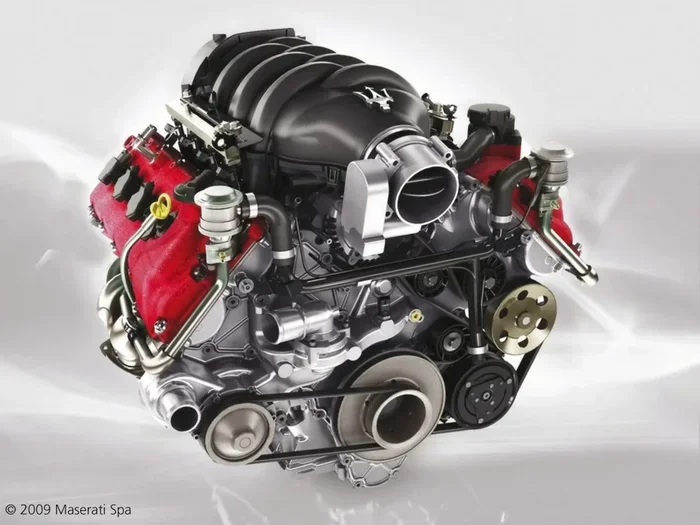
This is where the real money lives. An Maserati engine part like a turbocharger can cost anywhere from $2,000 to $5,000. A replacement transmission might run between $4,000 and $8,000 installed.
These are not everyday repairs, but when they happen, the bill stings. The complexity of the Maserati engine means fewer shops can do the work, and the parts themselves are precision-engineered to exacting standards.
Lighting and Electrical Components
Headlights, tail lights, and interior lighting on a Maserati are more expensive than you might expect. A single headlight assembly can cost $800 to $1,500. LED and xenon lighting systems add to the cost further.
If you are curious about the difference between lighting systems, check out our guide on are high beams and brights the same thing to understand the technology better. It helps to know what you are paying for when you replace these parts.
Suspension and Steering Parts
Maserati uses advanced suspension systems designed for a smooth, luxurious ride. Replacing a control arm or strut assembly can cost $400 to $900 per piece. The entire front suspension might need $2,000 to $4,000 in parts alone for a full overhaul.
These components wear faster on performance-driven vehicles. If you enjoy spirited driving, you will need to budget for more frequent suspension maintenance.
Maserati Maintenance Costs: What to Expect
Owning a Maserati means committing to higher maintenance costs than the average car. Here is a breakdown of what routine maintenance typically costs.
Oil Changes
An Maserati oil change costs between $200 and $400 at a dealership. This is significantly more than a standard oil change, which might cost $50 to $100 at a quick-lube shop. The difference comes from the type of oil required, the complexity of the engine, and the labor rate.
Maserati recommends synthetic oil, and the engines on these cars hold more oil than a typical sedan. You are paying for premium fluids and specialized service.
Tire Replacement
Maserati models often use performance tires that cost $300 to $700 each. A full set of four tires can easily run $1,200 to $2,800. These tires are designed for grip and handling, not longevity. You will likely replace them more often than you would on a family SUV.
Scheduled Service Intervals
Maserati has specific service intervals that must be followed to maintain warranty coverage. These include inspections at 5,000-mile, 10,000-mile, and 15,000-mile marks. Each service visit can cost $300 to $800 depending on what needs to be done.
Over a year of ownership, you might spend $1,500 to $3,000 on routine maintenance alone. This is something every potential Maserati owner should factor into their budget.
Are Aftermarket Parts Worth It?
Many Maserati owners turn to aftermarket parts to save money. But are they worth it? The answer depends on the part and the quality of the replacement.
What Are Aftermarket Parts?
Aftermarket parts are made by companies other than Maserati. They are designed to fit and function like OEM parts but come at a lower price point. Some aftermarket parts are excellent quality. Others are not worth the risk.
For something like a Maserati air filter or a simple trim piece, aftermarket options can save you 30% to 50%. For safety-critical components like brakes and suspension parts, sticking with OEM is usually the smarter choice.
Where to Find Quality Aftermarket Parts
If you decide to go the aftermarket route, buy from reputable suppliers. Look for brands with good reviews and warranties. Avoid the cheapest options you find online, as they may not meet safety or performance standards.
Some owners also explore European auto parts suppliers who specialize in Italian luxury vehicles. These suppliers often have better pricing than Maserati dealerships because they buy in larger volumes.
Tips to Save Money on Maserati Parts
Owning a Maserati does not mean you have to overpay for parts. Here are some practical strategies to keep costs down.
1. Compare Prices Across Suppliers
Do not just accept the first quote you get from a dealership. Check prices at independent shops, online parts retailers, and specialty Maserati suppliers. You might find the same part for 20% to 40% less elsewhere.
2. Consider Certified Pre-Owned Parts
Some suppliers offer refurbished or certified pre-owned Maserati parts. These are original parts that have been inspected and reconditioned. They cost less than new parts and often come with a warranty.
3. Stay on Top of Maintenance
Regular maintenance prevents costly repairs down the road. Changing your oil on schedule, checking your fluid levels, and addressing small issues early can save you thousands in the long run.
If you want to understand more about fuel efficiency and how it affects your overall ownership cost, our article on 1 liter petrol how many km car offers useful insights on maximizing fuel economy.
4. Join Maserati Owner Communities
Maserati owner forums and clubs are goldmines of information. Members share tips on where to find affordable parts, which mechanics are trustworthy, and how to avoid common pitfalls. These communities can save you real money.
5. Negotiate with Dealerships
Do not be afraid to negotiate. Dealerships have some flexibility on parts pricing, especially if you are a loyal customer or buying multiple parts at once. Ask for a breakdown of the part cost versus the markup. You might be surprised at what you can save.
How Maserati Costs Compare to Other Luxury Brands
How does Maserati stack up against other luxury brands like BMW, Mercedes-Benz, and Audi? The answer might surprise you.
Maserati parts tend to be more expensive than BMW or Audi parts for comparable components. This is partly because Maserati has a smaller dealer network and lower production volumes. Parts for a Maserati Ghibli often cost more than parts for a BMW 5 Series, even though both are luxury sedans.
Mercedes-Benz has a larger global presence, which helps keep parts more accessible and affordable. Audi benefits from the Volkswagen Group’s massive scale, which drives down per-unit costs. Maserati does not have that advantage, and it shows in the parts pricing.
If you are exploring alternative luxury options, it is worth understanding what ownership really looks like. For broader context on luxury car considerations, you might also want to read about are hydrogen cars safe to understand the wider landscape of alternative fuel vehicles and their maintenance implications.
| Brand | Average Parts Markup | Routine Service Cost | Parts Availability |
|---|---|---|---|
| Maserati | 30% – 50% | $1,500 – $3,000/year | Limited |
| BMW | 20% – 40% | $1,200 – $2,500/year | Good |
| Mercedes-Benz | 20% – 35% | $1,000 – $2,200/year | Excellent |
| Audi | 15% – 30% | $900 – $2,000/year | Excellent |
As you can see, Maserati ranks highest in both markup and annual maintenance cost. Parts availability is also the most limited, which contributes to longer wait times and higher shipping fees.
Common Mistakes Maserati Owners Make With Parts
Avoid these common pitfalls that can cost you time and money.
- Buying the cheapest part online without checking the seller’s reputation. A low price often means low quality.
- Ignoring warranty requirements. Using non-OEM parts on a new Maserati might void your warranty. Always check with your dealer first.
- Skipping routine maintenance to save money now. This leads to expensive repairs later.
- Assuming all mechanics are equal. Taking your Maserati to a shop that does not specialize in Italian luxury cars can result in misdiagnosis and unnecessary part replacements.
- Not factoring in total ownership costs before buying. The purchase price is only the beginning.
Expert Insights on Maserati Ownership Costs
We spoke with several certified Maserati technicians to get their perspective on parts costs. Here is what they had to say.
John M., Master Technician with 15 years of experience: “The biggest misconception we see is that Maserati parts are overpriced for no reason. The truth is, these cars use premium materials and precision engineering. Every component is built to a higher standard. That costs more, and it should.”
Sarah K., Maserati Service Advisor: “I always tell new owners to budget at least $3,000 per year for maintenance. It sounds like a lot, but it keeps the car running smoothly and prevents the big-ticket surprises that catch people off guard.”
Mike R., Independent European Car Specialist: “If you want to save money, find a shop that specializes in Italian luxury cars. They will charge less than a dealer and often have better access to parts through their networks.”
Key Takeaways
- Maserati parts cost significantly more than parts for common car brands, often 2x to 4x the price.
- Limited production and exclusivity drive up the cost of every component, from brakes to engines.
- Imported parts and specialized labor add shipping fees and higher hourly rates to every repair.
- Aftermarket options exist and can save you hundreds, but quality varies widely.
- Routine maintenance like oil changes and brake pads costs much more on a Maserati than on a standard sedan.
- Warranty and extended service plans can help offset some of the expensive repair costs.
- Comparing prices across suppliers and joining owner communities are the best ways to save money.
Conclusion
So, how expensive are Maserati parts? The answer is clear: they are expensive. From brake pads to engine components, every part on a Maserati carries a premium price tag. The reasons are straightforward: limited production, imported components, specialized labor, and brand positioning.
But here is the good news. With the right knowledge and strategy, you can manage these costs effectively. Compare prices, consider quality aftermarket options, stay current with maintenance, and connect with fellow Maserati owners. These steps can make a real difference in your annual ownership expenses.
Maserati parts are a significant investment, but they are also part of what makes owning one of these Italian machines so special. The performance, the design, the driving experience, it all comes together in a package that is worth every penny for those who appreciate the finer things in life. Just make sure you are prepared for the cost of keeping that experience alive.
Before you make any major repair decision, take the time to research your options. Get multiple quotes. Read reviews. And remember, the cheapest part is not always the best deal. Sometimes paying more upfront saves you from costly problems down the road.
Owning a Maserati is a privilege. And with the right approach to maintenance and parts sourcing, it is a privilege you can enjoy for years to come.
Frequently Asked Questions
Why are Maserati parts so expensive compared to other brands?
Maserati parts cost more because of limited production volumes, imported components from Italy, specialized labor requirements, and the brand’s premium positioning. These factors combine to create a higher per-unit cost for every part, from brake pads to engine components.
Can I use aftermarket parts on my Maserati?
Yes, you can use aftermarket parts on many Maserati models. However, quality varies significantly between suppliers. For safety-critical components like brakes and suspension, OEM parts are generally recommended. For non-critical items like air filters and trim pieces, reputable aftermarket brands can offer good savings.
How much does a Maserati oil change cost?
A Maserati oil change typically costs between $200 and $400 at a dealership. This is higher than a standard oil change due to the type of synthetic oil required, the engine’s oil capacity, and the specialized labor rate at luxury car service centers.
Are Maserati parts covered under warranty?
New Maserati vehicles come with a manufacturer warranty that covers certain parts and repairs for a set period or mileage. However, wear items like brake pads and tires are typically not covered. Extended service plans are available and can help offset future repair costs.
Where can I find affordable Maserati parts?
You can find more affordable Maserati parts at independent European car specialists, online parts retailers, and specialty Maserati suppliers. Always verify the seller’s reputation and ensure the parts meet quality standards before purchasing.
What is the most expensive Maserati part to replace?
The engine and transmission are the most expensive Maserati parts to replace. A new turbocharger can cost $2,000 to $5,000, and a replacement transmission can range from $4,000 to $8,000 installed. These costs reflect the precision engineering and low production volumes of Maserati components.