How Long Do Maseratis Last Compared to Other Luxury Cars
How long do Maseratis last? With proper care, a Maserati can comfortably reach 150,000 to 200,000 miles, which is competitive with other luxury car longevity benchmarks. Regular Maserati maintenance and smart ownership habits play a huge role in Maserati reliability and overall luxury car lifespan.
Key Takeaways
- Maseratis typically last 150,000 to 200,000 miles with consistent care and proper maintenance routines.
- Luxury car maintenance costs for Maseratis run higher than mainstream brands but are manageable with planning.
- Maserati reliability varies by model, with newer generations showing significant improvements in exotic car durability.
- Common Maserati problems like electrical issues and turbo failures can shorten lifespan if ignored.
- Maserati depreciation is steep early on, making pre-owned models a smart value play for many buyers.
- Regular service intervals and using genuine parts are essential for maximizing premium vehicle longevity.
- Maserati vs BMW, Mercedes, and Porsche comparisons reveal Maseratis hold their own in long-term durability.
📑 Table of Contents
- How Long Do Maseratis Last Compared to Other Luxury Cars
- Understanding Maserati Reliability and Build Quality
- Maserati Maintenance Costs and Service Intervals
- Common Maserati Problems That Affect Longevity
- Maserati Model Lifespan: Which Models Last Longest
- Tips to Extend Your Maserati’s Life
- The Cost of Ownership: Is a Maserati Worth It Long Term?
- Conclusion
How Long Do Maseratis Last Compared to Other Luxury Cars
So, you are wondering how long do Maseratis last? It is a great question, and one that every luxury car owner should think about before signing on the dotted line. Maseratis are stunning machines. They turn heads, deliver thrilling performance, and make you feel like royalty every time you slide behind the wheel. But beauty alone does not tell the full story.
The truth about Maserati reliability is more nuanced than most people expect. A well-maintained Maserati can easily surpass 150,000 miles and sometimes push well past 200,000 miles. That places it firmly in the same ballpark as luxury car longevity leaders like BMW, Mercedes-Benz, and Porsche. However, the journey to those mileage milestones depends heavily on how you care for the car.
In this guide, we will break down everything you need to know about Maserati lifespan. We will compare Maseratis against other luxury brands. We will look at common problems, maintenance costs, and share practical tips to keep your car running strong for years. Whether you already own a Maserati or are considering buying one, this article has you covered.
Why Maserati Longevity Matters
Understanding how long do Maseratis last is not just a numbers game. It directly impacts your car ownership costs and overall satisfaction. A car that lasts longer gives you more value for your investment. It also means fewer surprise repairs and less downtime on the road.
Maseratis sit in a unique spot in the market. They are not as common as German luxury sedans, but they are not as rare as ultra-exotic brands like Ferrari or Lamborghini. This middle ground means parts availability is decent, and a growing network of Maserati service specialists exists to support owners. That is good news for anyone worried about long-term high-performance car lifespan.
Understanding Maserati Reliability and Build Quality
When people ask about how long do Maseratis last, they are really asking about Maserati reliability. And that is a fair concern. Italian engineering is legendary for style and passion, but does it match German precision when it comes to durability?
The answer is yes, mostly. Modern Maseratis have come a long way. Earlier models from the 2000s had their quirks. Electrical gremlins, turbo failures, and suspension issues were more common. But today’s Maserati models benefit from decades of refinement. The company is now part of Stellantis, which shares platforms and technology with Ferrari, Alfa Romeo, and Dodge. That cross-pollination of engineering has boosted exotic car durability significantly.
Build Quality by Generation
Not all Maseratis were created equal. Here is a quick look at how different generations stack up in terms of luxury car lifespan:
- Pre-2013 Models: These older Maseratis, especially the Quattroporte and GranTurismo from the mid-2000s, had more growing pains. Maserati reliability was a concern for many early adopters. Electrical systems and twin-turbo engines needed more attention.
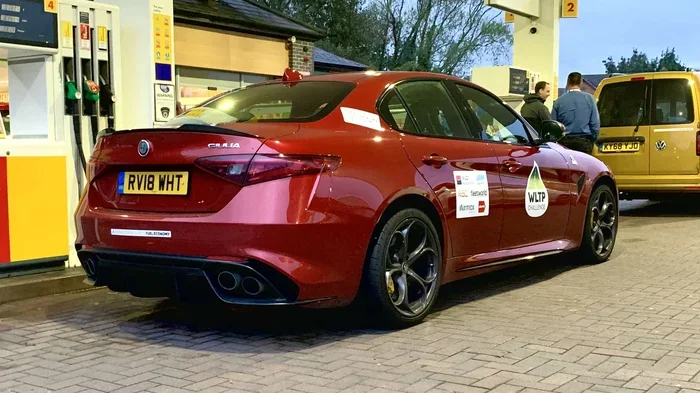
- 2013-2020 Models: The Alfieri platform era brought noticeable improvements. The Ghibli and Levante showed better Maserati durability. Build quality tightened up, and Maserati engine life extended thanks to updated components.
- 2020 and Newer Models: The latest generation Maseratis feature advanced electronics, improved turbos, and better materials. Premium vehicle longevity has never looked better for the brand.
Engine Life: The Heart of Maserati Longevity
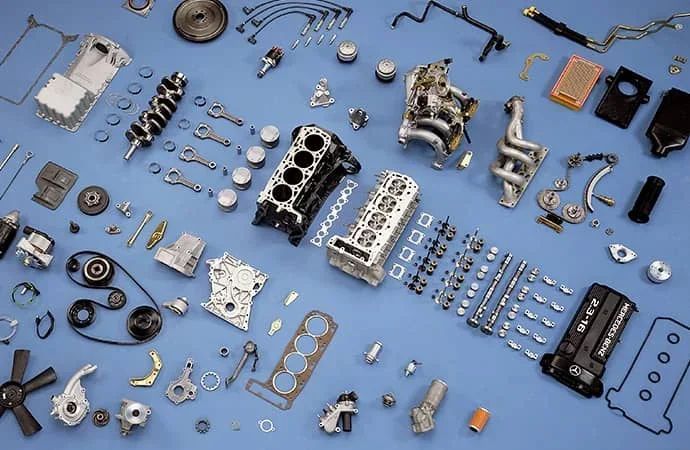
The engine is the most critical factor in how long do Maseratis last. Maseratis use powerful turbocharged V6 and V8 engines. These engines are designed for performance, but they need proper care to reach their full Maserati engine life potential.
With regular oil changes using high-quality synthetic oil, most Maserati engines can run strong past 150,000 miles. Some owners report engines going beyond 200,000 miles with meticulous Maserati maintenance. The key is staying on top of service intervals and catching small issues before they become big problems.
One thing that helps keep your Maserati running efficiently is understanding your fuel economy. If you want to learn more about how far you can go on a litre of fuel, check out our guide on 1 Litre Petrol How Many Km In Car. Better fuel efficiency means less strain on your engine over time, which supports long-term luxury car longevity.
Maserati Maintenance Costs and Service Intervals
Let us talk money. How long do Maseratis last is closely tied to how much you invest in keeping them healthy. Luxury car maintenance costs for a Maserati are higher than for a Toyota or Honda, but they are not as extreme as some people fear.
Annual maintenance for a Maserati typically runs between $1,000 and $3,000, depending on the model and age. This includes oil changes, brake inspections, tire rotations, and fluid replacements. Major services like Maserati engine rebuild or transmission work can cost significantly more, but these are infrequent if you stay current with routine care.
Service Interval Breakdown
Here is a general look at Maserati service intervals for common maintenance tasks:
- Oil Change: Every 7,500 to 10,000 miles (or 12 months, whichever comes first).
- Brake Fluid Flush: Every 2 years or 30,000 miles.
- Coolant Flush: Every 2 to 3 years or 30,000 miles.
- Transmission Service: Every 30,000 to 60,000 miles.
- Spark Plug Replacement: Every 30,000 to 60,000 miles depending on engine type.
- Timing Belt Inspection: Every 30,000 miles (replacement as needed).
Staying on top of these intervals is one of the best ways to protect your Maserati lifespan. Skipping services might save a few hundred dollars now, but it can lead to expensive repairs down the road. Think of Maserati maintenance as an investment, not an expense.
DIY vs. Professional Maintenance
Some owners try to handle basic maintenance themselves. Oil changes and air filter replacements are doable at home if you have the right tools and knowledge. However, Maserati service for complex systems like the turbocharger, suspension electronics, or engine management should always be left to qualified technicians.
Finding a specialist who knows Maseratis well can make a huge difference. General mechanics may not have the diagnostic equipment or experience needed for these high-performance car lifespan vehicles. A proper specialist will spot problems early and keep your car running at its best.
Common Maserati Problems That Affect Longevity
Every car has its quirks, and Maseratis are no exception. Knowing about common Maserati problems before they happen is one of the smartest things you can do as an owner. Prevention is always cheaper than repair, and it directly impacts how long do Maseratis last.
Electrical Issues
Older Maseratis are notorious for electrical gremlins. The infotainment system, power seat controls, and sensor modules can develop faults over time. These issues rarely affect the engine directly, but they can be frustrating and costly to fix. Newer models have significantly fewer electrical complaints, which is a welcome improvement for Maserati reliability.
Turbo and Supercharger Wear
Maseratis use forced induction to deliver their signature power. The turbochargers and superchargers are under heavy stress during daily driving. Over time, turbo seals can degrade, leading to power loss and increased oil consumption. Regular inspections and prompt attention to any drop in performance can prevent major Maserati engine life issues.
Suspension and Components
The Maserati ride is firm and sporty by design. But the suspension components take a beating, especially on rough roads. Control arms, bushings, and shock absorbers wear faster than on a standard sedan. Replacing these parts on schedule helps maintain handling and safety, which supports overall exotic car durability.
Cooling System Failures
High-performance engines generate a lot of heat. The cooling system works hard to keep temperatures in check. Water pumps, thermostats, and radiator hoses can fail, especially in older models or in hot climates. Keeping an eye on temperature gauges and addressing any overheating warnings immediately is critical for premium vehicle longevity.
Fuel System Concerns
Maseratis require premium fuel, and the fuel system components are designed for high performance. Fuel injectors, fuel pumps, and fuel filters can degrade over time, affecting engine efficiency. If you are curious about how fuel consumption impacts your car, our article on 1 Liter Petrol How Many Km Car offers helpful insights into maximizing your fuel economy and reducing engine strain.
Maserati Model Lifespan: Which Models Last Longest
Not all Maseratis are created equal when it comes to Maserati lifespan. Some models have proven more durable and reliable than others. Here is a closer look at the most popular Maserati models and their expected luxury car longevity.
Maserati Ghibli
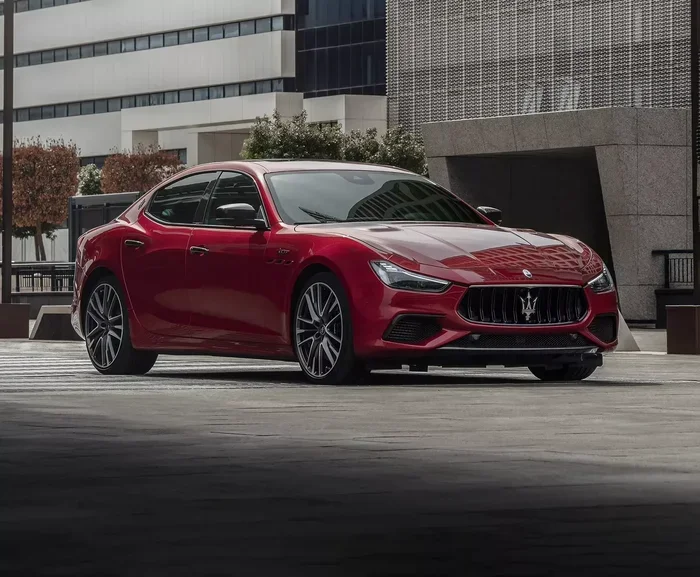
The Ghibli is Maserati’s entry-level sedan, and it has become one of the brand’s best sellers. With the twin-turbo V6 engine, the Ghibli offers a great balance of performance and daily drivability. How long do Maseratis last in the Ghibli? Most owners report reliable service well past 150,000 miles with proper Maserati maintenance. The Ghibli’s relatively simpler setup compared to larger models makes it easier and more affordable to maintain.
Maserati Quattroporte
The Quattroporte is Maserati’s flagship sedan. It is larger, more luxurious, and more powerful than the Ghibli. The Quattroporte has a longer Maserati engine life potential thanks to its robust construction. However, its size and complexity mean maintenance costs are higher. Owners who stay disciplined with service can expect 180,000 to 200,000 miles without major issues.
Maserati Levante
The Levante is Maserati’s SUV offering. It combines luxury with utility. The Maserati reliability of the Levante has improved with each generation. The latest models benefit from updated platforms and better electronics. High-performance car lifespan for the Levante is comparable to the Quattroporte, with many owners reaching 170,000 miles or more.
Maserati GranTurismo
The GranTurismo is a sporty coupe that turns heads everywhere it goes. Its V8 engine is a masterpiece of Italian engineering. The GranTurismo has a strong following, and many examples have logged impressive mileage. The key to Maserati durability in the GranTurismo is regular use and consistent Maserati service. Cars that sit idle for long periods tend to develop more problems.
Quick Comparison Table
Here is a side-by-side look at expected Maserati model lifespan across the lineup:
- Ghibli: 150,000 to 200,000 miles with proper care.
- Quattroporte: 180,000 to 220,000 miles with diligent maintenance.
- Levante: 160,000 to 210,000 miles depending on usage and terrain.
- GranTurismo: 170,000 to 230,000 miles when driven regularly and serviced on time.
When compared to Maserati vs BMW, Maseratis hold their own in longevity. BMWs are known for reliability, but Maseratis offer a more engaging driving experience. The trade-off is slightly higher maintenance costs. Against Maserati vs Mercedes, the comparison is similar. Mercedes has a broader service network, but Maseratis are no less durable. In a Maserati vs Porsche showdown, Porsches tend to have a slight edge in long-term reliability, but Maseratis close the gap with newer models.
Tips to Extend Your Maserati’s Life
Want to maximize your Maserati lifespan? Follow these practical tips to keep your car running strong for decades. These habits make a real difference in how long do Maseratis last.
1. Stick to the Maintenance Schedule
This is the single most important thing you can do. Follow the factory-recommended Maserati service intervals to the letter. Do not skip oil changes, fluid flushes, or inspections. Every service visit is an investment in your car’s future.
2. Use Genuine Maserati Parts
Aftermarket parts can save money in the short term, but they may not meet the same quality standards. Genuine Maserati parts are engineered specifically for your car. They fit perfectly, perform reliably, and contribute to exotic car durability. When in doubt, ask your dealer or specialist about OEM components.
3. Drive with Care
Maseratis are built for performance, but that does not mean you should always drive them hard. Aggressive driving puts extra stress on the engine, transmission, and suspension. Gentle warm-ups, smooth acceleration, and gradual braking all help extend Maserati engine life.
4. Store Your Maserati Properly
If you are not driving your Maserati regularly, store it correctly. Keep it in a climate-controlled garage. Use a quality car cover. Start the engine and let it run for at least 15 minutes every week to keep fluids circulating and seals lubricated. Neglecting storage leads to battery drain, tire flat spots, and engine rust.
5. Address Issues Immediately
Do not ignore warning lights, unusual noises, or changes in performance. A small problem today can become a major repair tomorrow. Early detection saves money and protects your Maserati reliability. Keep a relationship with a trusted Maserati service center and visit them at the first sign of trouble.
6. Keep Records of All Maintenance
Document every service, repair, and inspection. A detailed maintenance log proves your car has been well cared for. This is invaluable if you ever decide to sell. Buyers pay more for a Maserati with a full service history. It also helps you track patterns and anticipate future needs, supporting long-term luxury car longevity.
7. Understand Your Fuel Economy
Knowing how efficiently your Maserati uses fuel helps you catch engine issues early. If you notice a drop in fuel economy, it could signal a problem. For a deeper understanding of fuel efficiency and how it relates to engine health, our article on 1 Litre Petrol How Many Km In Car provides practical tips that apply to any vehicle, including luxury performance cars.
The Cost of Ownership: Is a Maserati Worth It Long Term?
How long do Maseratis last is only part of the equation. The other part is whether the ownership experience justifies the investment. Let us be honest: Maseratis are not cheap to own. But they offer something that few other cars can match.
The initial purchase price for a new Maserati ranges from about $75,000 for the Ghibli to over $175,000 for a Quattroporte or GranTurismo. Depreciation is steep in the first three years, with values dropping 30 to 40 percent. However, after the initial drop, depreciation slows significantly. A well-maintained 5-year-old Maserati can be a fantastic value.
When you factor in Maserati maintenance costs, the total cost of ownership is higher than a German rival. But it is lower than many people assume. And the driving experience, the prestige, and the emotional connection you get from a Maserati are impossible to put a price tag on. For many owners, the Maserati lifespan and the memories made behind the wheel are worth every penny.
Conclusion
How long do Maseratis last? The answer is clear: with proper care, a Maserati can deliver 150,000 to 200,000 miles of thrilling driving, and in many cases, even more. Maserati reliability has improved dramatically in recent years, and modern models offer luxury car longevity that competes with the best in the segment.
The key to unlocking your Maserati’s full potential is simple: maintain it diligently, use quality parts, address issues early, and drive with intention. Whether you own a Ghibli, Quattroporte, Levante, or GranTurismo, these principles apply. Maserati maintenance is not a burden, it is a partnership between you and your car.
If you are considering a Maserati or already own one, embrace the journey. These Italian masterpieces reward those who invest time and care. Your Maserati can be a companion for life, not just a moment of excitement. Take the steps today to protect your investment, and your Maserati will reward you with years of unforgettable driving.
Frequently Asked Questions
How many miles can a Maserati last with proper maintenance?
With consistent Maserati maintenance and careful driving, most Maseratis can last between 150,000 and 200,000 miles. Some well-cared-for examples have even exceeded 250,000 miles. The key factors are regular oil changes, timely fluid replacements, and prompt attention to any warning signs.
Are Maseratis reliable compared to BMW and Mercedes?
Maserati reliability has improved significantly in recent years. While German brands like BMW and Mercedes have larger service networks, modern Maseratis are competitive in terms of luxury car longevity. The trade-off is slightly higher maintenance costs, but the driving experience and Italian craftsmanship set Maseratis apart.
What is the most common problem with Maseratis?
The most common issues include electrical gremlins in older models, turbo wear, and suspension component degradation. Newer Maseratis have addressed many of these concerns. Staying on top of Maserati service intervals and using genuine parts significantly reduces the risk of these problems affecting your Maserati lifespan.
Is it expensive to maintain a Maserati?
Luxury car maintenance costs for a Maserati are higher than for mainstream brands but reasonable for the segment. Annual maintenance typically costs between $1,000 and $3,000. Major repairs like a Maserati engine rebuild can be expensive, but they are rare if you follow the recommended service schedule.
Does driving style affect how long a Maserati lasts?
Absolutely. Aggressive driving puts extra stress on the engine, transmission, and suspension components. Gentle warm-ups, smooth acceleration, and regular (but not excessive) use all contribute to better Maserati durability. Treating your Maserati with care pays off in long-term high-performance car lifespan.
Should I buy a new or used Maserati for longevity?
Both options have merit. A new Maserati comes with the latest technology and a full warranty, giving you peace of mind about premium vehicle longevity. A used Maserati with a full service history can offer excellent value, especially since the steep initial depreciation has already occurred. Either way, prioritize models with documented Maserati maintenance records.