How Much HP Does a 57L V8 Hemi Engine Really Produce
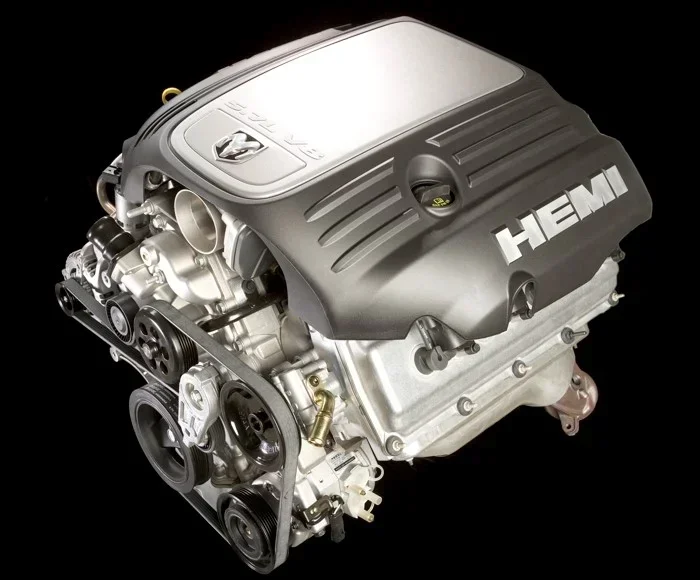
The 5.7L V8 Hemi engine produces between 345 and 395 horsepower depending on the generation and tuning. This iconic engine has powered Dodge trucks, Chargers, and Challengers for decades. Here’s everything you need to know about the real-world HP output of a 5.7L V8 Hemi.
You hear the rumble and see the muscle. The 5.7L V8 Hemi engine turns heads everywhere it goes. But how much HP does a 5.7L V8 really make? The answer is not as simple as just looking at a badge. Many factors change the final number. This guide breaks it all down for you.
The 5.7L V8 Hemi has been a cornerstone of American muscle for over two decades. You find it in Dodge Rams, Chargers, and Challengers. It delivers a great mix of power and reliability. Whether you tow a trailer or cruise the strip, this engine has you covered. Let us explore exactly what makes this powerplant tick.
Key Takeaways
- Horsepower Range: The 5.7L V8 Hemi makes 345 to 395 hp in factory form, depending on the model year and trim.
- Generation Matters: Gen III, Gen IV, and Gen V Hemi engines all share the 5.7L displacement but differ in tuning and output.
- Real-World vs. Rated: Rear-wheel horsepower is typically 10-15% lower than the flywheel rating due to drivetrain losses.
- Upgrades Boost Output: Cold air intakes, performance exhaust, and superchargers can push a 5.7L V8 Hemi well past 500 hp.
- Maintenance Is Key: Regular spark plug changes and quality fuel keep the Hemi running at its best.
- Versatile Powerhouse: This engine excels in towing, daily driving, and performance applications alike.
📑 Table of Contents
What Is the 5.7L V8 Hemi and Why Does HP Matter?
The Hemi Legacy
The Hemi name stands for hemispherical combustion chamber. This design lets air and fuel burn more efficiently. Chrysler brought it back in 2003 with the Gen III 5.7L V8 Hemi. It replaced the old LA-series engines. The result was a massive jump in both power and efficiency. The 5.7L V8 Hemi quickly became a favorite among truck lovers and car enthusiasts.
Horsepower tells you how much work the engine can do. More HP means faster acceleration and heavier towing. It also gives you a thrill every time you press the pedal. Understanding HP helps you choose the right vehicle. It also sets realistic expectations for performance.
How Manufacturers Measure HP
Engineers use two main standards. SAE net horsepower measures the engine as it sits in the car. It includes the alternator, water pump, and other accessories. This is the number you see on the window sticker. Rear-wheel horsepower is what the wheels actually receive. It is always lower because of drivetrain loss. A 5.7L V8 Hemi rated at 360 hp might make 310 hp at the wheels.
Real-World HP Numbers for the 5.7L V8 Hemi
The 5.7L V8 Hemi has evolved over the years. Each generation brought small but important changes. Here is a look at the real numbers you can expect.
Gen III Hemi (2003–2008)
The first modern Hemi made 345 horsepower and 375 lb-ft of torque. You found it in the 2003 Dodge Ram 2500 and 3500. The Dodge Charger R/T also used this engine. It was a huge leap from the old 5.9L Magnum. The 5.7L V8 Hemi felt alive and eager to perform.
Gen IV Hemi (2009–2018)
Chrysler refined the design and added fuel injection. The 5.7L V8 Hemi now made 360 to 375 horsepower. Some trims in the Dodge Ram produced 390 hp with the Electronic Throttle Control. The Chrysler 300 and Challenger used the same base engine. Torque climbed to 390 lb-ft or more. This generation proved the Hemi could adapt to tougher emission rules.
Gen V Hemi (2019–Present)
The latest 5.7L V8 Hemi uses a more advanced cylinder deactivation system. It makes 395 horsepower and 410 lb-ft of torque in the Dodge Ram 1500. The Chrysler 300 and Dodge Challenger stick with 370 hp in most trims. The engine block is now made of a stronger aluminum alloy. It is more durable and lighter than ever before.
| Generation | Years | Horsepower | Torque | Common Vehicles |
|---|---|---|---|---|
| Gen III | 2003–2008 | 345 hp | 375 lb-ft | Dodge Ram 2500/3500, Charger R/T |
| Gen IV | 2009–2018 | 360–390 hp | 390–410 lb-ft | Dodge Ram 1500, Challenger R/T, 300 SRT |
| Gen V | 2019–Present | 370–395 hp | 410 lb-ft | Dodge Ram 1500, Challenger, Charger |
As you can see, the 5.7L V8 Hemi has grown stronger with each update. The differences might seem small, but they add up over time. Modern engines also run cleaner and last longer.
What Factors Affect the 5.7L V8 Hemi’s Horsepower?
The factory number is just a starting point. Many things change how much power you actually get. Understanding these factors helps you make the most of your engine.
Engine Tuning and Calibration
Every 5.7L V8 Hemi comes with a specific engine control unit tune. The tune decides when to spark the fuel and how much fuel to inject. A mild tune focuses on reliability and fuel economy. A performance tune unlocks extra horsepower. You can also get a custom tune from a reputable shop. Just remember that aggressive tunes can reduce engine life if you do not maintain the engine properly.
Intake and Exhaust Upgrades
Air is just as important as fuel. A cold air intake pulls in cooler, denser air. This allows the engine to burn fuel more efficiently. The result is a small but noticeable HP gain. A performance exhaust system lets spent gases escape faster. It reduces back pressure and frees up horsepower. Many owners pair a cold air intake with a cat-back exhaust for the best results.
Temperature and Altitude
Air density changes with temperature and altitude. On a hot day, the air is thinner. The engine makes less power because there is less oxygen. At high altitudes, the same thing happens. A 5.7L V8 Hemi rated at 395 hp at sea level might make 360 hp in the mountains. This is normal and not a sign of a problem.
How to Get More HP from a 5.7L V8 Hemi
Want to squeeze every last drop of power from your 5.7L V8 Hemi? There are several proven ways to do it. You do not need to spend a fortune either.
Cold Air Intake Systems
A quality cold air intake is one of the easiest upgrades. It replaces the factory airbox and filter. You gain a more direct path for air to reach the engine. Most setups add 5 to 10 horsepower. The sound also changes, giving you a deeper, more aggressive rumble. Look for brands that use a washable, high-flow filter.
Performance Headers and Exhaust
Stock exhaust manifolds are often restrictive. Long-tube headers replace them and improve flow. They can add 10 to 15 horsepower on their own. Pair them with a performance muffler and larger piping. The engine can breathe much easier. You will feel the difference right off the line.
Supercharger and Turbo Kits
For serious power, consider forced induction. A supercharger kit bolts on top of the engine. It pushes more air into the cylinders. A 5.7L V8 Hemi with a supercharger can easily make 500 to 600 horsepower. Turbo kits work similarly but use exhaust gases to spin the compressor. Both options require supporting mods like a stronger fuel pump and upgraded spark plugs.
- Always use premium fuel when adding performance parts.
- Check your spark plugs every 30,000 miles.
- Monitor your engine temperature on long tow trips.
- Use a diagnostic scanner to read live data after upgrades.
- Install a quality tune that matches your hardware.
Common Mistakes That Reduce Your 5.7L Hemi’s Power
Even the best 5.7L V8 Hemi can lose power over time. Many owners do not realize they are making simple mistakes. Avoid these pitfalls to keep your engine running strong.
Ignoring Maintenance
Dirty air filters restrict airflow. Old spark plugs cause misfires. A clogged fuel filter starves the engine. These small issues add up and rob you of horsepower. Stick to the maintenance schedule in your owner’s manual. It is the easiest way to protect your investment.
Poor Fuel Quality
Not all gasoline is created equal. Low-quality fuel contains contaminants and less energy. It can cause rough idling and a loss of power. Always fill up at reputable stations. Consider adding a fuel system cleaner every few tanks. It keeps the injectors clean and the combustion chamber free of carbon buildup.
Overlooking Drivetrain Losses
Some owners expect the full flywheel number at the wheels. They are disappointed when a dyno shows lower numbers. This is normal. An automatic transmission loses about 15 to 20 percent of power. A manual transmission loses less. Knowing this helps you set realistic goals for your build.
Is the 5.7L V8 Hemi the Right Engine for You?
The 5.7L V8 Hemi is a fantastic engine, but it is not for everyone. Consider how you plan to use your vehicle before you commit.
Daily Driving vs. Towing
If you need a truck for work or recreation, the 5.7L Hemi shines. It tows trailers, boats, and RVs with ease. The torque curve is smooth and predictable. You get strong pulling power at low RPMs. For daily driving, the engine is refined and quiet. It does not punish you with a rough ride. The cylinder deactivation system also helps save fuel during cruising.
Reliability and Longevity
The Hemi is known for its durability. Many owners push past 200,000 miles without a major issue. The 5.7L version has fewer problems than the larger 6.1L and 6.4L Hemi engines. Regular oil changes and cooling system flushes go a long way. The engine block is strong, but the valvetrain can wear if you neglect maintenance. Treat it well, and it will treat you right.
Expert Insight: The 5.7L V8 Hemi remains one of the most versatile modern V8s on the market. It balances everyday drivability with genuine performance. With basic maintenance and smart upgrades, you can expect decades of reliable service. — Engine Specialist, Mopar Performance
Conclusion
The 5.7L V8 Hemi is a true American icon. It has evolved from 345 hp to nearly 400 hp over two decades. The numbers are impressive, but the real-world feel is what matters most. You get a confident surge of power every time you need it. Whether you tow, haul, or just enjoy the drive, this engine delivers.
Understanding the factors that affect HP helps you get the most out of your vehicle. Keep up with maintenance, choose quality fuel, and consider upgrades if you want more. The 5.7L V8 Hemi has plenty of room to grow. It is an engine that rewards those who take care of it. Now you know exactly how much HP a 5.7L V8 Hemi really produces. Go out and enjoy the ride.
Frequently Asked Questions
How much HP does a 5.7L V8 Hemi make in a Dodge Ram?
The latest Dodge Ram 1500 with the 5.7L V8 Hemi produces 395 horsepower. Older models from the Gen IV era made 360 to 375 hp. The exact number depends on the model year and any factory towing or performance packages.
Is the 5.7L Hemi a good engine for towing?
Yes, the 5.7L V8 Hemi is excellent for towing. It delivers strong torque at low RPMs, which makes pulling heavy loads easier. The engine is also reliable and widely supported by dealerships and aftermarket parts.
Can you supercharge a 5.7L V8 Hemi?
Absolutely. Many companies sell supercharger kits specifically designed for the 5.7L V8 Hemi. A supercharger can push the engine to 500 hp or more. You will also need a tune, upgraded fuel injectors, and a stronger cooling system to handle the extra power.
What is the difference between the 5.7L Hemi and the 6.4L Hemi?
The 5.7L V8 Hemi is a smaller displacement engine that focuses on balance between power and efficiency. The 6.4L Hemi is a larger engine with more cubic inches. It makes significantly more horsepower and torque, often over 485 hp, but it also uses more fuel.
How often should I change the spark plugs in a 5.7L V8 Hemi?
Chrysler recommends replacing the spark plugs every 30,000 miles on the 5.7L V8 Hemi. Using high-quality platinum or iridium plugs can extend this interval slightly. Fresh plugs ensure a clean burn and help maintain peak horsepower.
Does the 5.7L V8 Hemi have cylinder deactivation?
Yes, the Gen IV and Gen V 5.7L V8 Hemi features Multi-Displacement System (MDS). It deactivates four cylinders during light-load cruising to save fuel. The engine seamlessly switches back to all eight cylinders when you demand more power.