How Much HP Does a 57-Liter V8 Have – Horsepower Guide
The 5.7-liter V8 engine is one of the most popular and well-known engines in the automotive world. Depending on the vehicle and tuning, a 5.7-liter V8 produces between 345 and 400 horsepower in stock form. This guide breaks down the horsepower numbers, torque output, and what you can do to squeeze more performance from your 5.7-liter V8.
When people talk about American V8 engines, the 5.7-liter V8 always comes up. It is one of the most recognized engine sizes on the road today. You will find it in pickup trucks, SUVs, and even classic muscle cars. But the big question remains: how much HP does a 5.7-liter V8 have?
The answer depends on the vehicle, the model year, and whether the engine has been modified. In stock form, most 5.7-liter V8 engines produce somewhere between 345 and 400 horsepower. That is a solid number for everyday driving, towing, and even some spirited road trips. In this guide, we will break down everything you need to know about the 5.7-liter V8 and its horsepower output.
Whether you own a truck with this engine or are thinking about buying one, understanding the engine specs helps you make smarter decisions. We will cover stock numbers, popular vehicles, upgrades, and common maintenance tips. Let us dive in.
Key Takeaways
- Stock HP Range: A 5.7-liter V8 typically produces 345 to 400 horsepower depending on the vehicle and model year.
- Torque Matters Too: These engines deliver strong torque, often between 360 and 410 lb-ft, making them great for towing and hauling.
- Popular Applications: The 5.7-liter V8 is found in trucks like the Ram 1500 and muscle cars like the Dodge Challenger.
- Easy to Upgrade: Simple mods like cold air intakes and exhaust upgrades can add significant horsepower gain to a 5.7-liter V8.
- Reliable Engine: With proper maintenance, the 5.7-liter V8 is known for durability and long life.
- HEMI Technology: Many 5.7-liter V8 engines use HEMI head design, which improves combustion efficiency and power.
- Fuel Injection: Modern 5.7-liter V8 engines use multi-port fuel injection for better fuel economy and smoother power delivery.
📑 Table of Contents
What Is a 5.7-Liter V8 Engine?
Understanding Engine Displacement
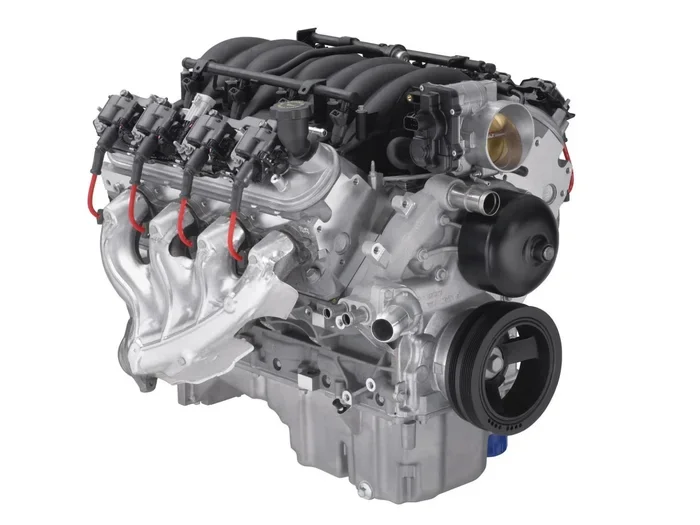
The term “5.7-liter” refers to the engine’s displacement. Displacement is the total volume of all the cylinders in the engine. A larger displacement generally means more air and fuel can be burned per cycle. This leads to more power. The 5.7-liter V8 has eight cylinders arranged in a V shape. Each cylinder has a specific volume, and together they add up to 5.7 liters.
Engine displacement is one of the first things engineers look at when designing a powertrain. It directly affects the engine output and overall engine performance. The 5.7-liter V8 sits in a sweet spot. It is big enough to deliver strong power but not so big that fuel economy suffers completely.
The V8 Configuration Explained
The V8 configuration means eight cylinders are split into two banks of four. These banks are angled in a V shape, usually at 90 degrees. This design is compact for the amount of power it produces. The V8 configuration is smoother than a straight-six or V6 because the firing intervals are more evenly spaced.
Because of this smooth delivery, the 5.7-liter V8 feels refined at highway speeds. It also handles heavy loads well. The balance of the V8 design reduces vibration. This means less wear on engine mounts and other components over time.
How Much HP Does a 5.7-Liter V8 Produce?
Stock Horsepower Numbers
The stock horsepower rating of a 5.7-liter V8 varies by manufacturer and application. Here are some common numbers you will see:
- Hemi 5.7L (Dodge/Chrysler): 345 to 375 horsepower depending on the model year.
- GM 5.7L V8 (Silverado, Camaro): 355 to 395 horsepower.
- Toyota 5.7L V8 (Tundra): 381 horsepower.
- Ford 5.7L V8 (Mustang, F-150): 360 to 400 horsepower.
As you can see, the range is fairly wide. The differences come from tuning, intake design, and exhaust systems. Each manufacturer tunes their 5.7-liter V8 for a specific purpose. A truck engine focuses on low-end torque. A sports car engine focuses on higher RPM power.
Torque and Performance Output
Torque is just as important as horsepower for many drivers. Torque is the twisting force that turns the wheels. The 5.7-liter V8 typically produces between 360 and 410 lb-ft of torque. This makes it excellent for towing trailers, hauling heavy loads, and pulling out of tight spots.
Here is a quick comparison of torque across popular 5.7-liter V8 engines:
- Dodge Ram 1500 (5.7L HEMI): 410 lb-ft
- Toyota Tundra (5.7L): 401 lb-ft
- Chevy Silverado (5.7L): 383 lb-ft
- Ford F-150 (5.7L): 400 lb-ft
The high torque numbers explain why so many trucks use the 5.7-liter V8. It has the grunt to handle tough jobs without breaking a sweat. For daily driving, this translates to smooth acceleration and confident passing on the highway.
Popular Vehicles with a 5.7-Liter V8
Trucks and SUVs
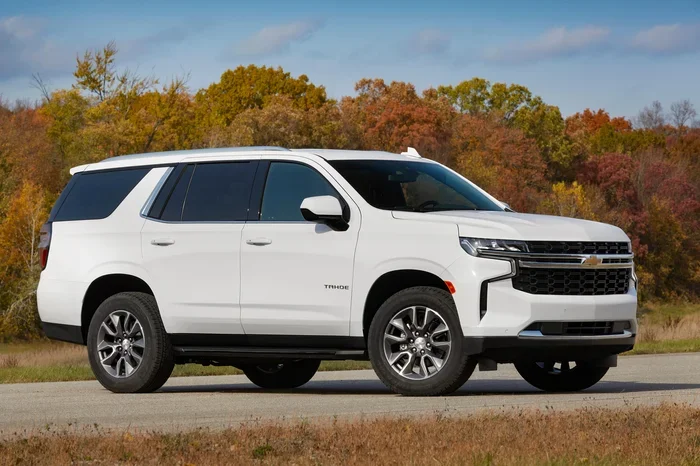
The 5.7-liter V8 is a favorite in the truck world. It offers the perfect balance of power and capability. Here are some of the most popular trucks and SUVs that use this engine:
- Ram 1500: The Ram 1500 with the 5.7 HEMI is one of the best-selling trucks in America. It combines towing ability with a comfortable ride.
- Chevrolet Silverado 1500: GM’s 5.7L V8 in the Silverado delivers strong towing and solid acceleration for a full-size truck.
- Ford F-150: Ford has used the 5.7-liter V8 in the F-150 for years. It is a proven workhorse engine.
- Toyota Tundra: Toyota’s 5.7L V8 is known for reliability. The Tundra can tow over 10,000 pounds with this engine.
- GMC Sierra 1500: Nearly identical to the Silverado, the Sierra uses the same 5.7L V8 with great results.
These trucks prove that the 5.7-liter V8 is not just about speed. It is about capability. Whether you are hauling lumber or towing a boat, this engine handles it with ease.
Muscle Cars and Sports Cars
The 5.7-liter V8 is also a staple in the muscle car world. Dodge has used the HEMI version in the Challenger and Charger for years. These cars deliver thrilling acceleration and an iconic V8 rumble. The muscle car experience is incomplete without the sound and feel of a V8.
Some notable muscle cars with the 5.7L V8 include:
- Dodge Challenger RWD: 375 horsepower from the factory. A classic American muscle car.
- Dodge Charger RWD: Same 375 hp, with a more sedan-like body style.
- Chevrolet Camaro SS: The 5.7L V8 in the Camaro offers sporty handling and strong straight-line performance.
- Ford Mustang GT (earlier models): Some years used the 5.0L, but the 5.7L was available in certain trims and applications.
If you love the idea of a classic V8 power experience, these cars deliver in spades. The throttle response is sharp, and the exhaust note is music to any enthusiast’s ears.
How to Boost Horsepower in a 5.7-Liter V8
Cold Air Intake and Exhaust Upgrades
One of the easiest and most affordable ways to increase horsepower gain is by upgrading the air intake and exhaust. A cold air intake pulls cooler, denser air into the engine. This allows for better combustion. Most cold air intake kits for the 5.7-liter V8 cost between $200 and $400.
Pairing the intake with a high-flow exhaust system helps the engine breathe better on the exit side. The exhaust system removes spent gases more efficiently. This reduces backpressure and allows the engine to produce more power. A quality cat-back exhaust system typically costs $300 to $800.
Together, these two upgrades can add 10 to 20 horsepower. That might not sound like much, but it makes a noticeable difference in how the truck or car feels. The acceleration becomes more eager, and the engine sounds better too.
Engine Tuning and Programming
Another popular upgrade is engine tuning. A performance tune, also called a tune or programming, adjusts the engine’s computer settings. These settings control fuel delivery, spark timing, and boost pressure (if applicable). A good tune for the 5.7-liter V8 can add 20 to 30 horsepower on its own.
Some tuners combine the intake, exhaust, and tune for even bigger gains. This approach, often called a “stage 1” package, can push a stock 5.7-liter V8 past 400 horsepower. That is a meaningful increase from the factory number.
Here are some quick tips for tuning:
- Always use a reputable tuner with proven engine performance maps.
- Make sure your fuel quality matches the tune requirements.
- Monitor your engine temperatures after tuning.
- Consider upgrading the fuel pump if you plan to run high boost.
Forced Induction Options
For those who want serious power, forced induction is the way to go. A supercharger or turbocharger kit forces more air into the engine. More air means more fuel can be burned, which means more power. A supercharger kit for the 5.7-liter V8 can add 100 to 200 horsepower depending on the system.
Superchargers are driven by the engine via a belt. They provide instant boost, which means the throttle response improves right off the line. Turbochargers use exhaust gases to spin a compressor. They tend to have a slight delay before boost kicks in, but they are often more efficient.
Forced induction is not for everyone. It requires a bigger budget and more careful installation. But if you want to take your 5.7-liter V8 to the next level, it is the most effective path.
Common Issues and Maintenance Tips
Regular Maintenance for Longevity
Like any engine, the 5.7-liter V8 needs regular care to last. Here are the key maintenance tasks you should not skip:
- Oil Changes: Change the oil every 5,000 to 7,500 miles. Use the grade recommended by the manufacturer.
- Spark Plugs: Replace spark plugs at the intervals specified in the owner’s manual. Worn plugs reduce engine performance.
- Air Filter: Check and replace the air filter regularly. A clogged filter restricts airflow and hurts power.
- Coolant Flush: Flush the coolant system every 30,000 to 50,000 miles to prevent overheating.
- Transmission Fluid: Change the transmission fluid on schedule. The V8 powertrain relies on smooth shifting.
Following this maintenance schedule keeps your 5.7-liter V8 running strong for hundreds of thousands of miles. Many owners report 200,000+ miles with proper care.
Known Problems to Watch For
No engine is perfect. The 5.7-liter V8 has a few known issues that owners should be aware of:
- Valve Seat Issues (Older Hemi Models): Some early HEMI 5.7L engines had problems with valve seat recession. This was more common in models before 2008.
- Oil Consumption: Some owners report higher-than-expected oil consumption. Regular oil level checks are a good habit.
- Ignition Coil Failures: The ignition coils can fail over time. Symptoms include rough idle and misfires.
- Fuel Injector Problems: Dirty or failing injectors can cause rough running and reduced fuel economy.
Most of these issues are manageable if caught early. Regular inspections and using quality parts go a long way in preventing major repairs.
Is the 5.7-Liter V8 Right for You?
The 5.7-liter V8 is a versatile engine that suits many driving needs. If you need a truck for work or recreation, it is an excellent choice. The towing capacity and hauling ability are hard to beat at this price point. If you want a muscle car with classic American style, the 5.7L HEMI delivers that experience too.
For daily commuters, the fuel economy of a 5.7-liter V8 is decent but not class-leading. You can expect around 16 to 22 mpg combined depending on the vehicle. If fuel economy is your top priority, a smaller engine or hybrid might be a better fit. But if you value V8 power and the driving experience, the 5.7L is hard to argue with.
The 5.7-liter V8 also holds its value well. These engines are in high demand on the used market. Whether you buy new or used, you are getting a proven powertrain with a strong reputation for reliability and performance.
Final Thoughts
The 5.7-liter V8 remains one of the most beloved engines in the automotive world. With stock horsepower numbers ranging from 345 to 400, it offers plenty of power for most driving situations. The strong torque output makes it ideal for trucks and towing. And the iconic V8 sound and feel give it a character that smaller engines simply cannot match.
Whether you are looking at a Ram 1500, a Dodge Challenger, or a Toyota Tundra, the 5.7-liter V8 delivers. It is a well-rounded engine that balances performance, capability, and reliability. With the right maintenance and a few upgrades, you can push the horsepower number even higher and enjoy a truly thrilling driving experience.
If you are on the fence about buying a vehicle with this engine, now is a great time to take a test drive. The 5.7-liter V8 is an engine that you have to feel to understand. Once you hear that V8 rumble and feel the acceleration, you will know why this engine has stood the test of time.
Frequently Asked Questions
What is the stock horsepower of a 5.7-liter V8?
In stock form, most 5.7-liter V8 engines produce between 345 and 400 horsepower. The exact number depends on the manufacturer, model year, and vehicle application. For example, the Dodge HEMI 5.7L typically makes 375 hp, while the Toyota 5.7L makes 381 hp.
Can you increase the horsepower of a 5.7-liter V8?
Yes, you can boost the horsepower of a 5.7-liter V8 with upgrades like cold air intakes, exhaust systems, and engine tuning. These modifications can add 10 to 50 horsepower depending on the parts and combination. More advanced upgrades like superchargers can add 100 or more horsepower.
Which trucks use the 5.7-liter V8 engine?
Popular trucks with the 5.7-liter V8 include the Ram 1500, Chevrolet Silverado 1500, Ford F-150, and Toyota Tundra. These trucks use the 5.7L V8 for its strong towing capacity and reliable performance. It is one of the most common engine options in the full-size truck segment.
Is the 5.7-liter V8 a good engine for towing?
Absolutely. The 5.7-liter V8 produces strong torque, often over 400 lb-ft, which makes it excellent for towing. Most trucks equipped with this engine can tow between 10,000 and 12,000 pounds. It is a popular choice for anyone who needs towing capability.
How often should you change the oil in a 5.7-liter V8?
You should change the oil in a 5.7-liter V8 every 5,000 to 7,500 miles. This interval may vary depending on driving conditions and the manufacturer’s recommendations. Using the correct oil grade is important for maintaining engine health and performance.
What makes the HEMI 5.7-liter V8 different from other V8 engines?
The HEMI design features hemispherical combustion chambers that improve airflow and combustion efficiency. This design helps the 5.7-liter HEMI V8 produce more power per liter of displacement. It also gives the engine its characteristic deep, resonant sound that enthusiasts love.
=== CONCLUSION ===
The 5.7-liter V8 is a fantastic engine that has earned its place in automotive history. From stock horsepower numbers to aftermarket upgrades, this engine offers something for everyone. Whether you use it for work, play, or just cruising, the 5.7-liter V8 delivers a driving experience that is hard to match. Understanding its engine specs, torque output, and maintenance needs helps you get the most out of your investment. Keep this guide handy, and you will always know exactly what your 5.7-liter V8 is capable of.