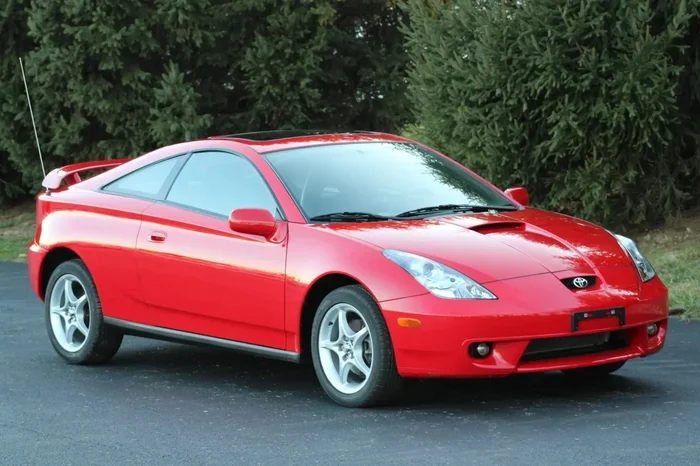
How Much Horsepower Does a 2000 Celica GT Actually Have
The 2000 Toyota Celica GT delivered 140 horsepower from its factory 1.8-liter engine. This JDM sports coupe offered a thrilling front-wheel-drive experience with solid stock performance. We break down the exact 2000 Celica GT horsepower, torque figures, and what that means for drivers today.
Curious about how much horsepower does a 2000 Celica GT have? You are in the right place. The 2000 Toyota Celica GT is a beloved JDM sports coupe that still turns heads today. Many enthusiasts wonder exactly how much power this classic had from the factory. In this guide, we will break down the stock horsepower, engine specs, and real-world performance. By the end, you will know exactly what to expect from the 2000 Celica GT.
The 2000 Celica GT horsepower number is a key piece of information for anyone considering this car. Whether you want to restore one or just understand its limits, the numbers tell a story. We will walk through every detail in plain language. You will learn about the engine, the transmission options, and how the car feels on the road. Let us dive into the facts.
Key Takeaways
- Factory Horsepower: The 2000 Celica GT produced 140 hp and 125 lb-ft of torque from its 1.8-liter 1ZZ-FE engine.
- Engine Highlight: It featured dual VVT-i, fuel injection, and a six-speed manual or four-speed automatic transmission.
- Real-World Feel: The car achieved 0-60 mph in about 8.5 seconds and a quarter-mile near 16.5 seconds.
- Aftermarket Potential: Simple bolt-ons like an intake and exhaust can add 5-15 hp, while a full tune unlocks more.
- Common Issues: Watch for head gasket leaks and vacuum leaks that can quietly reduce power over time.
- Worth It? The 2000 Celica GT remains a fun, reliable daily driver with strong JDM nostalgia and easy parts availability.
📑 Table of Contents
- What Is the 2000 Celica GT Horsepower from the Factory?
- Engine Specs and How the 2000 Celica GT Delivers Power
- Real-World Performance: How Does That Horsepower Feel?
- Comparing the 2000 Celica GT to Other Celica Models
- Upgrades That Can Boost 2000 Celica GT Horsepower
- Common Problems That Can Reduce Horsepower
- Is the 2000 Celica GT Still Worth It Today?
- Final Thoughts on the 2000 Celica GT Horsepower
What Is the 2000 Celica GT Horsepower from the Factory?
The factory horsepower rating for the 2000 Toyota Celica GT is 140 hp. This number comes from the crank, also called crank horsepower. It is the power the engine makes before it loses energy through the drivetrain. The 2000 Celica GT used a 1.8-liter inline-four engine known as the 1ZZ-FE. This engine was a modern design for its time. It featured dual VVT-i technology, which stands for Variable Valve Timing with intelligence. This system adjusts valve timing to boost both power and fuel efficiency.
Torque is just as important as horsepower. The 2000 Celica GT produced 125 lb-ft of torque. That number gives the car its pulling feel, especially in everyday driving. The engine used multi-port fuel injection to deliver fuel precisely. Toyota designed this engine to be reliable and efficient. It was not a turbocharged or supercharged motor. Instead, it relied on clever engineering to extract every bit of performance from a naturally aspirated setup.
Understanding the Stock Rating
When you see 140 hp on a spec sheet, that is a factory-rated number. It is measured under controlled laboratory conditions. Real-world wheel horsepower is usually a bit lower. You might see 125 to 130 hp at the wheels on a healthy car. This difference comes from drivetrain loss, which is normal for a front-wheel-drive car. The 2000 Celica GT horsepower at the crank is still 140 hp. That is the number that matters for comparisons.
Many people ask if the 2000 Celica GT had a turbo. The answer is no. The GT trim used a naturally aspirated 1.8-liter engine. The higher-performance GT-S model came with a 2.0-liter turbocharged 2ZZ-GE engine. That engine produced 180 hp. The GT was the entry-level sporty option. It offered a great balance of fun and practicality. If you are looking for 2000 Celica GT horsepower numbers, always remember the 140 hp figure. That is the heart of the car.
Engine Specs and How the 2000 Celica GT Delivers Power
The 1ZZ-FE engine in the 2000 Celica GT is a workhorse. It is a 1.8-liter four-cylinder with 16 valves and dual overhead cams. The engine block is made of aluminum, which helps keep weight down. A lighter engine means better handling and responsiveness. The 2000 Celica GT weighed around 2,400 pounds. That light weight helps the car feel nimble despite its modest horsepower.
Here is a quick look at the core engine specs:
- Displacement: 1,794 cc (1.8 liters)
- Configuration: Inline-4, DOHC, 16 valves
- Horsepower: 140 hp at 6,400 rpm
- Torque: 125 lb-ft at 4,200 rpm
- Fuel System: Multi-port electronic fuel injection
- Compression Ratio: 9.6:1
- VTEC/ VVT-i: Dual VVT-i on intake and exhaust cams
The engine redlines at 6,800 rpm. That is a nice buzzy number for a daily driver. The 2000 Celica GT came with either a five-speed manual or a four-speed automatic transmission. The manual was the enthusiast favorite. It offered a more engaging driving feel and better fuel economy. The automatic was smooth and practical. Both transmissions were rated to handle the 140 hp without issue.
The Role of Variable Valve Timing
Dual VVT-i is a big reason the 1ZZ-FE engine performs well. It continuously varies the timing of both the intake and exhaust valves. This means the engine can optimize power across the entire RPM range. At low RPMs, it favors torque for easy cruising. At high RPMs, it allows more air in to make horsepower. This technology was advanced for a car sold in 2000. It helped the 2000 Celica GT achieve an EPA rating of around 28 mpg city and 36 mpg highway.
The fuel injection system uses individual injectors for each cylinder. This provides precise fuel metering. It also helps with cold starts and smooth idle. The 2000 Celica GT horsepower numbers are a direct result of this engineering. Toyota did not cut corners here. The engine is simple, robust, and easy to work on. That is why many owners still drive these cars today.
Real-World Performance: How Does That Horsepower Feel?
Numbers on paper are one thing. How does 2000 Celica GT horsepower translate to the driving experience? The car feels peppy in city traffic. The 140 hp is enough to keep up with traffic easily. You will not feel underpowered on the highway. Passing requires a slight downshift, but it is always there. The car pulls cleanly from 3,000 rpm to the redline.
Acceleration is the real test. The 2000 Celica GT can hit 0-60 mph in roughly 8.5 seconds. That is quick for a front-wheel-drive daily driver from 2000. The quarter-mile time lands around 16.5 seconds at about 85 mph. These numbers are for a stock, unmodified car. The light weight of the Celica GT helps it feel faster than the numbers suggest. You will feel the acceleration in your chest on on-ramps.
Acceleration and Driving Feel
The six-speed manual transmission is a gem. The gear throws are precise and the shifter feels mechanical. Each gear change is satisfying. The car stays in its power band well with this gearbox. The automatic is a different experience. It is smooth but can feel a bit slow to shift. Both transmissions work well with the 140 hp. The key is to keep the engine in the 4,000-6,500 rpm range. That is where the 2000 Celica GT feels most alive.
The retractable headlights are a cool design touch. They give the car a sleek profile. The interior is driver-focused with a simple layout. The steering feels weighted and communicative. You get good feedback through the wheel. The suspension is independent all around, with MacPherson struts up front and a multi-link rear. It handles bumps well and stays flat in corners. The 2000 Celica GT is a balanced car. It is not a track weapon, but it is a lot of fun on back roads.
Quick Tips for Maximizing Factory Performance
- Keep the engine in the 4,000-6,500 rpm range for best power.
- Use the five-speed manual if you can. It shifts better and saves fuel.
- Check the tire pressure regularly. Proper inflation improves acceleration and handling.
- Replace the air filter with a high-flow unit. It costs little and helps breathing.
- Warm the car up gently. The 1ZZ-FE engine likes a gradual warm-up.
Comparing the 2000 Celica GT to Other Celica Models
The 2000 model year was part of the seventh-generation Celica (T230). Toyota offered several trims. The GT was the base sporty model. The GT-S was the performance version. The GT Limited added luxury features. Comparing the 2000 Celica GT horsepower to its siblings shows where it stands.
| Model | Engine | Horsepower | Torque | 0-60 mph |
|---|---|---|---|---|
| 2000 Celica GT | 1.8L 1ZZ-FE | 140 hp | 125 lb-ft | 8.5 sec |
| 2000 Celica GT-S | 2.0L 2ZZ-GE (turbo) | 180 hp | 148 lb-ft | 6.8 sec |
| 2000 Celica GT Limited | 1.8L 1ZZ-FE | 140 hp | 125 lb-ft | 8.5 sec |
The GT-S is the clear performance leader. It has a turbocharged 2.0-liter engine and 40 more horsepower. The GT is the sweet spot for budget buyers. It offers the same chassis and looks with less complexity. The 2000 Celica GT is a great entry point into the Celica world. You get the same retractable headlights, sporty styling, and solid handling. The GT-S is faster, but the GT is simpler to maintain.
Some people wonder if the GT can be upgraded to GT-S power. It is possible to swap the 2ZZ-GE engine into a GT chassis. This is a popular build for enthusiasts. It requires custom mounts, wiring, and ECU tuning. The result is a car with 180 hp and a turbo sound. But for most owners, keeping the stock 1.8-liter engine is the way to go. It is reliable and parts are cheap. The 2000 Celica GT horsepower of 140 hp is plenty for spirited driving.
Upgrades That Can Boost 2000 Celica GT Horsepower
If you want more 2000 Celica GT horsepower, there are many bolt-on options. The 1ZZ-FE engine responds well to simple modifications. You do not need a turbo to see gains. Many owners start with basic intake and exhaust upgrades. These changes improve airflow and can add 5 to 15 wheel horsepower. Here is a look at the most popular upgrades.
Cold Air Intake
A cold air intake replaces the restrictive factory airbox. It draws cooler, denser air into the engine. This helps the 1ZZ-FE breathe better. You will feel a slight improvement in throttle response. The sound of the intake is also a nice bonus. Expect around 3 to 5 hp gains from a quality intake.
Exhaust System
A cat-back exhaust system replaces the factory muffler and pipes. It reduces back pressure and lets the engine exhale more freely. A 2.5-inch exhaust with a high-flow resonator works well. You can gain 3 to 5 hp from the exhaust alone. The sound is deeper and more aggressive. It is one of the easiest upgrades on the 2000 Celica GT.
ECU Tune
The factory ECU is conservative. It enforces a rich fuel mixture and timing that prioritizes longevity. An ECU tune can unlock hidden power. A professional tune adjusts fuel maps, timing, and rev limits. You can gain 5 to 10 hp on a stock engine. If you add an intake and exhaust, a tune is essential. It ensures the engine runs optimally with the extra airflow.
Header and High-Flow Catalytic Converter
A performance header replaces the factory exhaust manifold. It has equal-length runners and smoother bends. This improves exhaust scavenging and can add 5 to 8 hp. A high-flow catalytic converter reduces restriction further. Together, these parts make a noticeable difference. The car will feel more responsive at higher RPMs.
Expert Insight: The Power of Small Changes
Experts often say that the 1ZZ-FE engine is a “giant killer.” It does not need big turbo kits to make power. A combination of intake, exhaust, and ECU tune can push 2000 Celica GT horsepower to 160 hp at the crank. That is a 14% increase from stock. The car remains reliable and daily-drivable. You avoid the complexity and cost of forced induction. This is the smart way to upgrade.
Common Problems That Can Reduce Horsepower
The 2000 Celica GT is generally reliable. However, certain issues can silently steal power. Regular maintenance helps prevent these problems. Here are the most common issues that affect 2000 Celica GT horsepower.
Head Gasket Leaks
The 1ZZ-FE engine is known for head gasket issues in some production years. A leaking head gasket can cause compression loss. This reduces horsepower and can cause overheating. Watch for coolant loss or white smoke from the exhaust. Replacing the head gasket early saves the engine. It is a repair that costs a few hundred dollars if caught early.
Vacuum Leaks
Vacuum leaks are very common on older Celicas. The rubber hoses and gaskets dry out over time. A leak leans out the air-fuel mixture. The engine may idle rough or feel sluggish. You can lose several horsepower without noticing. A simple smoke test can find leaks. Replacing cracked hoses and the intake manifold gasket restores power.
Clogged Fuel Injectors
Over time, fuel injectors can become clogged with deposits. This reduces fuel delivery and hurts performance. The car may feel weak at high RPMs. A fuel injector cleaning service can fix this. You can also use a quality fuel additive periodically. Clean injectors ensure the engine gets the right amount of fuel.
Failing Catalytic Converter
A clogged catalytic converter creates massive back pressure. The engine feels starved for air. You will notice a loss of top-end power. This is a common issue on high-mileage cars. Replacing the converter restores flow and performance. Using quality fuel and changing oil regularly helps prevent this.
Common Mistakes to Avoid
- Ignoring the check engine light. It can signal a sensor or misfire that robs power.
- Skipping oil changes. Dirty oil increases friction and reduces efficiency.
- Using low-octane fuel. The 1ZZ-FE engine prefers 87 octane, but premium can help if you tune.
- Neglecting the cooling system. Overheating damages the head gasket and warps the head.
- Modifying without a tune. An intake or exhaust without an ECU tune can cause lean conditions.
Is the 2000 Celica GT Still Worth It Today?
The 2000 Celica GT is a fantastic car for enthusiasts on a budget. The 140 hp is enough for fun spirited driving. The car handles beautifully and looks timeless. Parts are still widely available. Toyota dealerships and online forums offer support. The 2000 Celica GT horsepower figure is modest but perfectly matched to the car’s weight.
You can find clean examples for under $10,000 in many markets. The retractable headlights add a cool factor that modern cars lack. The interior is simple and durable. The 1ZZ-FE engine is known for lasting well over 200,000 miles with proper care. It is a reliable daily driver that does not bore you. The six-speed manual is a rare find in modern cars.
If you want more power, the aftermarket support is excellent. Intakes, exhausts, and ECU tunes are affordable. You can build a 160 hp daily driver without breaking the bank. The 2000 Celica GT is a blank canvas for enthusiasts. It rewards simple, quality modifications. The car remains a symbol of the early 2000s JDM sports car era.
Owning one is a statement. You appreciate driving purity over raw speed. The 2000 Celica GT horsepower of 140 hp is the perfect starting point. It gives you enough to enjoy the road without the complexity of a turbo. Whether you restore a stock example or build a sleeper, this car delivers. It is a timeless Toyota that still earns respect today.
Final Thoughts on the 2000 Celica GT Horsepower
The 2000 Toyota Celica GT offers a balanced mix of performance and reliability. Its 140 horsepower and 125 lb-ft of torque are ideal for daily driving and weekend fun. The lightweight chassis and clever engine tech make the most of that power. Whether you are a first-time buyer or a seasoned enthusiast, the 2000 Celica GT delivers a pure driving experience. Now you know exactly what the factory 2000 Celica GT horsepower really is. Go out and enjoy the ride.
Frequently Asked Questions
How much horsepower does a 2000 Celica GT have?
The 2000 Toyota Celica GT produces 140 horsepower at the crank from its 1.8-liter 1ZZ-FE engine. This is the factory stock horsepower rating. At the wheels, you can expect around 125 to 130 hp on a healthy car.
Is the 2000 Celica GT faster than the GT-S?
No, the GT-S is faster. The 2000 Celica GT-S has a turbocharged 2.0-liter engine that makes 180 horsepower. The GT has 140 hp. The GT-S can hit 0-60 mph in about 6.8 seconds, while the GT takes around 8.5 seconds.
Can you increase the 2000 Celica GT horsepower without a turbo?
Yes, you can. Simple bolt-ons like a cold air intake, cat-back exhaust, and an ECU tune can add 10 to 15 wheel horsepower. These upgrades improve airflow and optimize the engine’s factory settings. You can reach around 160 crank horsepower with a full bolt-on setup.
What transmission came with the 2000 Celica GT?
The 2000 Celica GT offered a five-speed manual and a four-speed automatic transmission. The manual was the preferred choice for enthusiasts. It provided better shift quality and slightly improved fuel economy. Both transmissions were rated for the 140 hp engine.
Why is my 2000 Celica GT losing horsepower?
Common causes include vacuum leaks, clogged fuel injectors, a failing catalytic converter, or a leaking head gasket. These issues reduce airflow, fuel delivery, or compression. A diagnostic scan and smoke test can pinpoint the exact problem. Regular maintenance prevents most of these power-robbing issues.
Is the 2000 Celica GT a good daily driver?
Absolutely. The 2000 Celica GT is a reliable and fun daily driver. The 1.8-liter engine is proven and durable. The car handles well and gets decent fuel economy. It offers the perfect blend of practicality and sporty styling. Many owners drive them as daily commuters with no issues.