How to Open the Boot From Inside the Car Like a Pro
Knowing how to open the boot from inside the car can save you time and stress. Whether your handle is broken, the lock is jammed, or you need an emergency release, this guide covers every method. We walk you through simple fixes, pro tips, and safety steps so you never get stuck with a stuck boot again.
Have you ever stood outside your car, keys in hand, only to realize the boot is locked shut? Or maybe you are inside the vehicle and cannot find the boot release. It happens to all of us. Learning how to open the boot from inside the car is one of those essential skills every driver should have. Whether you deal with a broken handle, a jammed latch, or just need a quick trick, this guide has you covered.
We have put together everything you need to know about opening your boot from the inside. From simple button presses to emergency release methods, we break it all down in plain language. No jargon. No confusing manuals. Just clear, actionable steps that work for almost any vehicle. By the end of this article, you will feel confident tackling any boot problem head-on.
Key Takeaways
- Multiple Methods Exist: You can open the boot from inside using handles, buttons, levers, or emergency release tools depending on your car model.
- Safety First: Always understand your vehicle’s boot release mechanism before attempting any fix to avoid damage or injury.
- Common Problems Have Simple Fixes: Jammed latches, broken cables, and faulty buttons are often easy to resolve at home.
- Know Your Car: Different vehicles have different boot release systems, so familiarize yourself with your specific model.
- Prevention Beats Repair: Regular maintenance of your boot latch and release mechanism prevents most problems.
- Emergency Situations Need Quick Action: Knowing the emergency release location can be a lifesaver in critical moments.
📑 Table of Contents
Why Knowing Your Boot Release Matters
Your car boot is more than just a storage space. It holds your spare tire, emergency kit, and everyday items you need. When the boot refuses to open, it can throw your entire day off balance. Understanding your boot release mechanism helps you stay prepared for any situation.
Modern cars come with multiple ways to access the boot. Some vehicles have a button on the driver’s side. Others use a lever near the driver’s seat. Older models might have a manual handle on the boot lid itself. Each system is designed with safety in mind, but they can sometimes fail or get stuck. When that happens, knowing your options makes all the difference.
Understanding Your Vehicle’s Boot System
Every car manufacturer designs the boot release differently. Some use electronic systems powered by the car’s central computer. These rely on signals sent from a button to a motor that releases the latch. Other vehicles use mechanical cables connected directly to the release handle. Both systems work well when maintained properly. But age, wear, and dirt can cause either system to malfunction.
Take a moment to locate your boot release. Check the driver’s side dashboard, the driver’s door panel, or the area near the steering column. Some cars also have a release inside the boot itself, near the top of the boot lid. Familiarizing yourself with these locations now will save you time and frustration later.
Common Reasons Your Boot Won’t Open From Inside
Before we dive into solutions, let us look at why boots get stuck in the first place. Understanding the root cause helps you pick the right fix. Here are the most common culprits behind a stubborn boot.
Broken or Stuck Boot Release Handle
The boot release handle is the most used part of the boot release mechanism. Over time, the plastic can crack, the cable can fray, or the handle can simply stop moving. If you pull the handle and feel nothing, the cable might have snapped or come loose from the latch. This is one of the most frequent reasons drivers cannot open the boot from inside the car.
Jammed Boot Latch
The boot latch is the metal piece that holds the boot lid shut. Dirt, rust, ice, or debris can build up around the latch and prevent it from releasing. In cold climates, ice formation is a common cause of a jammed latch. In dusty or coastal areas, salt and grime do the same damage over time.
Faulty Electronic Release System
Many newer vehicles rely on electronic boot release systems. A dead battery in the key fob, a blown fuse, or a malfunctioning control module can all prevent the boot from opening. If your dashboard shows warning lights or your central locking system behaves strangely, the electronic boot release might be affected.
Child Safety Lock Engaged
Some vehicles have child safety locks that also affect boot access from the rear seats. If you are sitting in the back and cannot reach the boot release, check whether a safety lock is engaged. This is an often-overlooked reason the boot seems impossible to open from inside.
Step-by-Step Methods to Open the Boot From Inside the Car
Now that we understand the common problems, let us look at the actual methods you can use. Each method works for different situations and vehicle types. Try them in order until you find one that works for your car.
Method 1: Use the Interior Boot Release Button or Lever
Most cars built after 2005 have an interior boot release. This is usually a button or lever located on the driver’s side. Here is how to use it:
- Step 1: Sit in the driver’s seat and look down near your left knee or on the dashboard panel.
- Step 2: Search for a button or lever labeled with a boot icon or the word “boot.”
- Step 3: Press the button firmly or pull the lever toward you.
- Step 4: Walk to the rear of the car and lift the boot lid.
If this method works, great! You have solved the problem. If the button does nothing or the lever feels loose, move on to the next method.
Method 2: Fold Down the Rear Seats
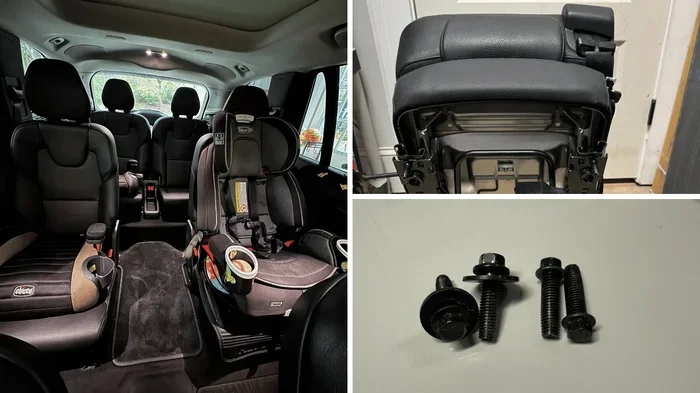
Many cars allow you to fold down the rear seat back. This gives you access to the boot from the passenger cabin. It is a handy workaround when the boot release is not working.
To use this method, locate the seat release lever or button on the side of the rear seat back. Push or pull it to fold the seat down. Once the seat is flat, you should be able to reach the boot latch from inside the cabin. Some vehicles also allow you to reach through and pull the boot release cable directly from the passenger area.
This method works especially well for SUVs and hatchbacks where the rear seats fold completely flat. Sedans might have less space, but many still allow enough room to reach the boot area.
Method 3: Pull the Boot Release Cable Manually
Every car has a mechanical backup for the boot release. This is usually a cable that connects the interior handle to the boot latch. If the handle is broken, you can sometimes access this cable directly.
Here is what to do:
- Remove the trim panel inside the boot. Most panels are held by plastic clips that pop off with gentle pressure.
- Look for a cable with a T-shaped or looped end near the boot latch.
- Grab the cable end and pull it firmly toward the front of the car.
- The boot latch should release, allowing you to open the boot lid.
Pro Tip: Use a flashlight to see inside the boot area clearly. If the cable is hard to reach, a long grabber tool or a bent coat hanger can help you grab it. This is one of the most reliable ways to open the boot from inside the car when everything else fails.
Method 4: Use the Central Locking System
If your car has central locking, you might be able to unlock the boot through the key fob or the driver’s door lock panel. Try these steps:
- Press the unlock button on your key fob twice or hold it down.
- Some vehicles unlock the boot along with all doors when you press the central unlock button.
- Check if the boot pops open slightly after unlocking all doors.
- If it does, you can lift the boot lid the rest of the way by hand.
This method is especially useful when the boot release button is not working but the locking system is still functional. It is a simple trick that many drivers do not know about.
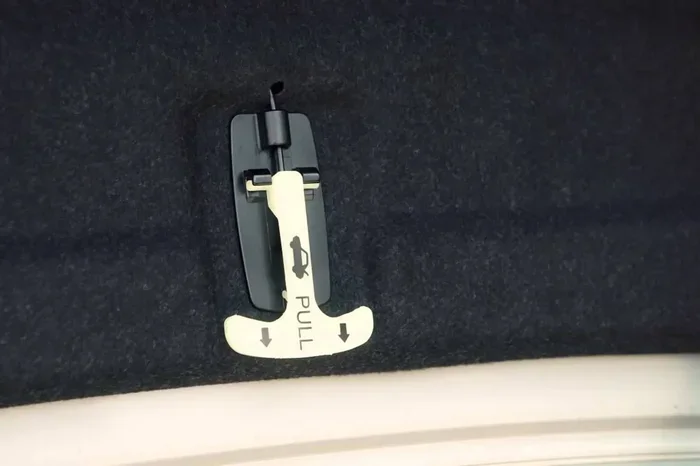
Method 5: Emergency Boot Release for Safety
Many cars have an emergency boot release located inside the boot itself. This is a safety feature designed so that people, especially children, can get out if they become trapped inside the boot. Here is where to find it:
- Open the boot if possible and look at the inside of the boot lid.
- Search for a small handle, lever, or glow-in-the-dark pull near the top of the boot lid interior.
- In newer vehicles, this is often a bright yellow or orange handle labeled “emergency release.”
- Pull it firmly and the boot latch will disengage.
This emergency release is a critical safety feature and every driver should know where it is located. If you have children, take a moment to show them this release as well. It could save a life.
Tools and Tricks for Stubborn Boots
Sometimes the basic methods are not enough. A really stuck boot needs a little extra help. Here are some tools and tricks that professionals use to deal with stubborn boot latches.
Lubricate the Boot Latch
A dry or rusty latch is one of the top reasons boots stick. A simple spray of WD-40 or a silicone-based lubricant can work wonders. Spray the lubricant directly into the latch mechanism and work the release handle a few times. The lubricant will seep into the moving parts and loosen things up.
Quick Tip: Do this once every six months to keep your boot latch working smoothly. Prevention is always easier than repair.
Use a Flathead Screwdriver for Leverage
If the boot lid is slightly stuck due to weather stripping or minor misalignment, a flathead screwdriver can help. Slide the screwdriver between the boot lid and the car body near the latch. Gently pry upward to create a small gap. Once you see the latch move, try the release mechanism again.
Be careful here. Use gentle pressure to avoid scratching the paint or damaging the weather stripping. A cloth or rag between the screwdriver and the car body adds protection.
Check the Boot Fuse and Relay
If you suspect an electrical issue, check your car’s fuse box. Look for the fuse labeled “boot” or “trunk” in your owner’s manual. A blown fuse will prevent the electronic release from working. Replacing the fuse is cheap and easy, and it might solve your problem entirely.
Similarly, the boot relay can fail over time. If the fuse is fine but the boot still will not open electronically, the relay might need replacement. This is a simple fix that a mechanic can handle in minutes.
Try the Key Override
Many cars still have a physical keyhole for the boot, even if they use keyless entry. Check the boot lid for a small keyhole, often hidden under a trim cap or behind a removable cover. Insert your mechanical key and turn it to release the boot manually. This is a reliable backup that works even when all electronic systems fail.
Preventive Maintenance for Your Boot Release
The best way to deal with a stuck boot is to prevent it from happening in the first place. Regular maintenance keeps your boot release system in top shape and extends its lifespan significantly.
Clean the Latch Regularly
Dirt and debris build up in the boot latch over time. Use a damp cloth to wipe down the latch mechanism every few months. For deeper cleaning, spray a small amount of electrical contact cleaner into the latch to remove grime and oxidation.
Lubricate Moving Parts
A little bit of silicone spray or white lithium grease on the latch and release cable goes a long way. Apply a thin layer every six months to keep everything moving freely. This simple habit prevents most boot release problems before they start.
Check the Release Cable for Wear
Inspect the boot release cable once a year. Look for fraying, kinks, or signs of corrosion near the connection points. If the cable looks worn, replace it before it breaks completely. A new cable is inexpensive and easy to install, and it saves you from being stranded with a stuck boot.
Keep the Boot Seal in Good Condition
The rubber seal around the boot lid keeps water and dust out. When this seal deteriorates, moisture can reach the latch and cause rust or freezing in cold weather. Apply a rubber conditioner to the seal every few months to keep it flexible and effective.
When to Call a Professional
Most boot problems are easy to fix at home. But some situations require professional help. If you have tried all the methods above and the boot still will not open, it is time to call in the experts. Here are signs that you need professional assistance:
- The boot latch is visibly damaged or bent.
- The release cable has snapped and you cannot access the end inside the boot.
- The electronic system shows error codes on the dashboard.
- The boot lid is warped or misaligned due to an accident.
- Water has entered the boot mechanism and caused rust or electrical damage.
A qualified mechanic or automotive locksmith can diagnose and fix these issues quickly. Trying to force a damaged boot open can cause further damage and cost you more in repairs. Know when to step back and let the professionals handle it.
Key Takeaways
- Know Your Release Location: Familiarize yourself with your car’s boot release button, lever, or handle before you need it in an emergency.
- Use Multiple Methods: If one method fails, try the next. Interior buttons, seat folding, cable pulling, and key overrides all work differently.
- Keep It Maintained: Regular cleaning and lubrication of the boot latch prevents most problems from developing.
- Emergency Releases Save Lives: Every car has an emergency boot release inside the boot. Know where yours is located.
- Do Not Force It: If the boot is stuck, avoid using excessive force. This can damage the latch, seal, or lid.
- Call a Pro When Needed: Some issues are beyond DIY fixes. A professional mechanic can handle complex boot release problems safely.
- Prevention Is Key: A little regular maintenance goes a long way in keeping your boot release system working flawlessly for years.
Conclusion
Knowing how to open the boot from inside the car is a practical skill that every driver benefits from. Whether you are dealing with a broken handle, a jammed latch, or an electronic failure, the methods in this guide give you multiple paths to success. The key is staying calm, trying each method in order, and not forcing anything that feels stuck.
Regular maintenance of your boot release system keeps problems at bay and ensures your boot opens smoothly every single time. Take a few minutes to locate your release mechanisms now. Check the fuses. Lubricate the latch. Show your family where the emergency release is. These small actions today prevent big headaches tomorrow.
The next time someone asks you how to open the boot from inside the car, you will have all the answers. Share this guide with friends and family who drive. You never know when this knowledge will come in handy. Stay prepared, stay safe, and keep your boot opening like a pro.
Frequently Asked Questions
Can I open the boot from inside if the car is turned off?
Yes, in most vehicles the interior boot release works even when the engine is off. However, some electronic boot release systems require the car to be in accessory mode or unlocked. Check your owner’s manual to confirm how your specific vehicle behaves when the ignition is off.
Why does my boot release button not work but the key fob unlock works?
This usually points to a blown fuse, a faulty relay, or a wiring issue specific to the boot release circuit. The key fob unlocks the doors and boot through a different circuit than the interior release button. Check the boot fuse first, as this is the most common cause of this issue.
Is it safe to use a coat hanger to open the boot from inside?
Using a coat hanger can work for reaching the boot release cable, but be careful not to scratch interior surfaces or damage wiring. Wrap the end of the hanger with a cloth to protect surfaces, and use gentle, steady pressure. Avoid using sharp metal tools near fuel lines or electrical components.
How much does it cost to repair a broken boot release cable?
A replacement boot release cable typically costs between $15 and $50 for the part. If you take your car to a mechanic for installation, labor charges usually range from $50 to $100. The total cost remains well under $150 in most cases, making it an affordable repair.
Do all cars have an emergency boot release inside the boot?
Most modern cars manufactured after 2002 include an emergency boot release as a safety requirement. Older vehicles may not have this feature. If you own a classic or vintage car, check the boot lid interior for a handle or lever. If there is none, consider having one installed by a professional for added safety.
What should I do if the boot is stuck due to freezing temperatures?
In freezing conditions, ice can lock the boot latch shut. Do not force it open. Instead, spray a de-icing product or warm (not boiling) water around the latch mechanism. Apply a silicone lubricant once the ice melts to prevent future freezing. Parking in a garage during winter helps avoid this problem entirely.
=== CONCLUSION ===
Opening the boot from inside the car is easier than most people think once you know the right methods. From simple button presses to manual cable pulls, you now have a complete toolkit of solutions. Keep this guide saved for quick reference, and share it with anyone who might need it. A little knowledge goes a long way toward keeping you safe and prepared on the road.