How to Make a Pallet Jack Faster and Boost Efficiency
Discover how to make a pallet jack faster and transform your material handling workflow with simple upgrades, smart maintenance, and expert operator techniques. Whether you use a manual or electric pallet jack, these strategies will cut task times and improve warehouse efficiency dramatically. We cover everything from pallet jack wheels and rolling resistance to operator training and workflow optimization. Read on to unlock faster, safer, and more productive loading dock operations every single day.
Speed matters in any warehouse. When you are moving dozens or hundreds of pallets every shift, even a small improvement in how fast your pallet jack operates adds up to big time savings. Learning how to make a pallet jack faster is not just about going fast. It is about working smarter, reducing strain on your team, and keeping goods moving through your supply chain without bottlenecks.
Whether you run a small distribution center or manage a busy loading dock, the techniques in this guide will help you get more done in less time. We will walk you through maintenance tips, equipment upgrades, operator skills, and workflow strategies that genuinely work. By the end, you will have a clear roadmap to boost pallet jack performance and overall workplace productivity starting today.
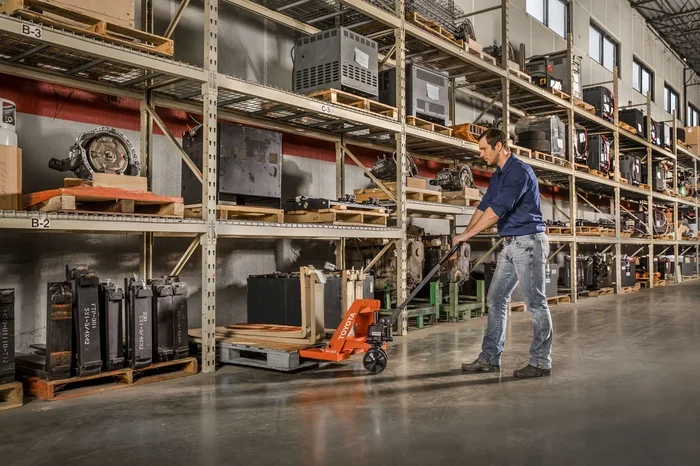
A pallet jack is one of the most essential tools in material handling. It moves goods from point A to point B with minimal effort. But many operators accept slow, sluggish performance as normal. It does not have to be that way. With the right knowledge and a few simple changes, you can dramatically improve how fast and smoothly your pallet jack operates. Let us dive into the details.
Key Takeaways
- Upgrade Your Wheels: Switching to high-quality polyurethane or nylon wheels reduces rolling resistance and makes your pallet jack noticeably faster.
- Maintain the Hydraulic System: Regularly checking fluid levels and seals keeps your hydraulic pallet jack running at peak performance.
- Master Operator Technique: Proper body positioning, smooth steering, and load balancing all contribute to faster pallet jack operation.
- Consider an Electric Upgrade: Electric pallet jacks offer significant speed and ergonomic advantages over manual models.
- Optimize Your Workflow: Smart warehouse layout and route planning reduce unnecessary travel time and boost overall productivity.
- Address Common Problems Quickly: Quick troubleshooting of leaks, stuck wheels, and slow lifting keeps operations moving without delays.
📑 Table of Contents
- Understanding What Slows Down a Pallet Jack
- Simple Maintenance Tips to Speed Up Your Pallet Jack
- Upgrades That Make a Pallet Jack Faster
- Operator Technique: How to Move Faster and Smarter
- Workflow Strategies for Faster Material Handling
- Common Mistakes That Slow Down Your Pallet Jack
- Expert Insights on Maximizing Pallet Jack Speed
- Key Takeaways
- Conclusion
Understanding What Slows Down a Pallet Jack
Before you can speed things up, you need to know what is slowing you down. Several common factors reduce pallet jack speed and efficiency. Identifying these issues is the first step toward a faster, more responsive machine.
Rolling Resistance and Wheel Condition
The wheels on your pallet jack play a huge role in how fast it moves. Worn-out, dirty, or wrong-sized wheels create rolling resistance. This is the friction that fights against forward motion. High rolling resistance means you push harder and move slower. Over time, polyurethane wheels wear down, develop flat spots, or pick up debris from the floor. Even a small amount of surface damage can noticeably reduce speed and increase operator fatigue.
Hard floors like concrete are common in warehouses. But tiny debris, grease spots, or uneven patches create extra drag. The type of wheel material matters too. Steel wheels work on rough surfaces but create more friction on smooth floors. Polyurethane wheels glide better on clean, flat surfaces and are the go-to choice for most warehouse efficiency applications.
Hydraulic System Wear
Your pallet jack relies on a hydraulic pump to lift and lower loads. When the hydraulic system starts to fail, everything slows down. You might notice the jack lifts slowly, drops unevenly, or struggles with heavy load capacity. Low hydraulic fluid, worn seals, or air bubbles in the system all cause these problems. A sluggish hydraulic system forces operators to work around the limitations instead of working with the equipment.
Operator Technique and Fatigue
Even the best pallet jack will feel slow in the hands of an untrained operator. Poor body mechanics, jerky movements, and incorrect steering all waste energy and time. Operator fatigue is a real issue in fast-paced environments. When workers get tired, they slow down naturally. They also make more mistakes, which leads to stops, corrections, and even safety incidents. Addressing technique is one of the most overlooked ways to make a pallet jack faster.
Simple Maintenance Tips to Speed Up Your Pallet Jack
Regular maintenance is the foundation of a fast pallet jack. A well-maintained machine runs smoother, responds better, and requires less effort from the operator. These simple habits keep your equipment in top shape.
Check and Replace Wheels Regularly
Inspect all wheels at least once a week. Look for flat spots, cracks, or excessive wear. Spin each wheel by hand and feel for grinding or resistance. Replace any wheel that shows visible damage. Keep wheels clean by wiping them down after shifts, especially if your facility handles sticky or dusty materials. Clean wheels roll faster and last longer.
Monitor Hydraulic Fluid Levels
Check the hydraulic fluid reservoir monthly. Low fluid means the pump works harder and lifts more slowly. Top off with the manufacturer-recommended fluid type. If you notice the jack leaking fluid around the base or handle, inspect seals and gaskets right away. A small leak becomes a big problem fast. Replacing a seal costs pennies compared to the downtime a broken hydraulic system causes.
Lubricate Moving Parts
Every joint, pivot point, and lever on your pallet jack needs lubrication. Apply a light machine grease to the fork arms, steering mechanism, and pump handle monthly. Moving parts that lack lubrication create friction, which slows everything down and causes premature wear. A few minutes of lubrication each week pays off in smoother, faster operation all month long.
Inspect the Forks and Frame
Bent forks are a hidden speed killer. Even a slight bend changes how the jack sits on the pallet, creating uneven contact with the floor. This adds drag and makes steering harder. Straighten or replace bent forks immediately. Also check the frame for cracks or warping. A structurally sound pallet jack simply moves better than a damaged one.
Upgrades That Make a Pallet Jack Faster
Sometimes maintenance alone is not enough. Upgrading key components can transform how fast your pallet jack performs. These improvements are affordable and deliver noticeable results.
Upgrade to Premium Polyurethane Wheels
Swapping factory wheels for high-quality polyurethane wheels is one of the easiest upgrades you can make. Premium wheels roll smoother, handle debris better, and last significantly longer. They reduce rolling resistance on smooth warehouse floors, which means less pushing effort and faster movement. Look for wheels with sealed bearings, which keep out dust and moisture while maintaining consistent speed.
For facilities with uneven floors, consider dual-wheel casters. These distribute weight more evenly and glide over small bumps without slowing down. The investment pays for itself quickly through reduced operator fatigue and faster task completion.
Install a Quick-Lift Hydraulic Pump
Standard hydraulic pumps are functional but not always fast. A quick-lift pump gets your pallet jack to full height in fewer pump strokes. This means less time spent loading and unloading pallets. The difference might seem small per trip, but over hundreds of operations per shift, those seconds add up to minutes or even hours of saved time.
Switch to an Electric Pallet Jack
If your operation handles high volumes daily, an electric pallet jack is a game-changer. Electric models handle the driving for you, so operators focus on steering and positioning. They move faster, reduce physical strain, and allow operators to work longer without fatigue. Modern electric pallet jacks also include features like cruise control on flat surfaces and precise speed control for tight spaces.
The upfront cost is higher than a manual jack, but the speed gains and reduced labor costs make a strong business case. Many warehouses see a return on investment within six to twelve months of switching.
Add Ergonomic Handles
A comfortable handle keeps operators moving faster for longer. Ergonomic grips reduce hand and wrist strain, which means less fatigue and more consistent speed throughout a shift. Some advanced handles include adjustable heights and padded grips. These small changes improve comfort and efficiency at the same time.
Operator Technique: How to Move Faster and Smarter
Equipment matters, but the operator makes the biggest difference. Proper technique turns an average pallet jack into a fast, efficient machine. Here are the skills that matter most.
Master the Pump Handle
Many operators pump the hydraulic handle too aggressively. Fast, jerky pumping actually slows down the lifting process because it introduces air into the system. Smooth, steady strokes work better. Pump at a moderate pace and let the hydraulic system do its job. When lowering a load, release the valve slowly rather than letting it drop fast. This protects the load, the equipment, and the operator.
Use Your Body Weight
Push with your body weight, not just your arms. Stand with feet shoulder-width apart and lean forward slightly when moving a loaded jack. This generates more force with less effort and keeps you moving at a consistent pace. When turning, use your feet to guide the direction rather than pulling hard on the handle. Smooth body movements translate directly into faster, safer operation.
Practice Efficient Steering
Pallet jacks have a tight turning radius, which is an advantage when you know how to use it. Approach corners at a moderate speed rather than stopping and turning. Plan your route so you minimize sharp turns. In a busy warehouse, the most direct path is not always the fastest. Learning the flow of traffic and choosing the smoothest route saves time on every trip.
Balance the Load Properly
An uneven load makes the pallet jack work harder and move slower. Center the load on the forks as much as possible. Heavier items go toward the front of the forks, closer to the wheel base. This improves stability and rolling speed. Never exceed the rated load capacity, as overloading damages the hydraulic system and slows everything down.
Workflow Strategies for Faster Material Handling
Speed is not just about the machine. Your entire workflow affects how fast pallets move from receiving to shipping. Small changes to your process can deliver big time savings.
Optimize Your Warehouse Layout
A well-designed layout reduces wasted movement. Place high-demand products near the loading dock so operators spend less time traveling. Group similar-sized pallets together so the jack does not need constant adjustments. Wide, clear aisles let the pallet jack move at full speed without obstacles. Even a few extra inches of aisle width can make a meaningful difference in throughput.
Implement Batch Picking
Instead of making one trip per order, batch multiple orders together. This means fewer trips back and forth across the warehouse. Each run moves more product in less time. Batch picking works especially well with electric pallet jacks, which can handle longer runs without tiring the operator.
Use Clear Floor Markings and Signage
Visual cues help operators move faster and safer. Floor arrows show the correct direction of travel. Color-coded zones indicate where different types of pallets belong. Speed limit signs in pedestrian areas keep things organized. When everyone follows the same system, there are fewer stops, fewer mistakes, and a faster overall flow.
Schedule Regular Equipment Checks
Set up a daily or weekly checklist for pallet jack troubleshooting. Operators should check wheel condition, hydraulic function, and handle movement before each shift. Catching small problems early prevents breakdowns that halt operations. A five-minute pre-shift check can save hours of lost productivity over a month.
Common Mistakes That Slow Down Your Pallet Jack
Avoiding these mistakes keeps your pallet jack running at full speed and prevents unnecessary delays.
- Ignoring wheel maintenance: Worn wheels are the number one cause of slow pallet jack movement. Check them regularly.
- Overloading the jack: Exceeding the rated capacity strains the hydraulic system and reduces speed.
- Skipping lubrication: Dry joints and pivots create friction that slows every movement.
- Poor steering habits: Jerky turns and abrupt stops waste time and wear out the equipment faster.
- Neglecting hydraulic fluid: Low fluid levels make lifting slow and inconsistent.
- Using the wrong wheels for the floor type: Matching wheel material to your floor surface is essential for speed.
Expert Insights on Maximizing Pallet Jack Speed
Industry professionals agree that a combination of equipment care, operator skill, and workflow design delivers the best results. The most efficient warehouses invest in all three areas. Training operators properly, maintaining equipment rigorously, and designing layouts that support smooth movement create a system where speed becomes natural rather than forced.
One expert tip from seasoned warehouse managers is to track pallet jack performance over time. Note how long each shift takes to complete standard tasks. After making upgrades or changes, compare the numbers. This data-driven approach helps you identify what works and what does not, so you can keep improving continuously.
Another key insight is that speed and safety go hand in hand. Rushing leads to accidents, which stop everything. Focus on smooth, consistent movement rather than raw speed. A well-trained operator using a well-maintained pallet jack will always outperform a rushed operator on a neglected machine.
Key Takeaways
- Upgrade Your Wheels: Switching to high-quality polyurethane or nylon wheels reduces rolling resistance and makes your pallet jack noticeably faster.
- Maintain the Hydraulic System: Regularly checking fluid levels and seals keeps your hydraulic pallet jack running at peak performance.
- Master Operator Technique: Proper body positioning, smooth steering, and load balancing all contribute to faster pallet jack operation.
- Consider an Electric Upgrade: Electric pallet jacks offer significant speed and ergonomic advantages over manual models.
- Optimize Your Workflow: Smart warehouse layout and route planning reduce unnecessary travel time and boost overall productivity.
- Address Common Problems Quickly: Quick troubleshooting of leaks, stuck wheels, and slow lifting keeps operations moving without delays.
Conclusion
Learning how to make a pallet jack faster is one of the most practical investments you can make for your warehouse or distribution facility. From simple maintenance routines to strategic equipment upgrades, every improvement adds up to meaningful gains in warehouse efficiency and workplace productivity. The tips in this guide give you a clear path forward, whether you are working with a manual pallet jack or considering an upgrade to an electric pallet jack.
Start with the basics. Inspect your wheels, check your hydraulic fluid, and train your operators on proper technique. Then move on to upgrades and workflow improvements. Each step builds on the last, creating a faster, smoother operation day after day. The goal is not just speed. It is a well-oiled system where every pallet moves efficiently, every operator works comfortably, and every shift delivers maximum output.
Apply these strategies today and feel the difference in your material handling operations. A faster pallet jack means faster deliveries, happier customers, and a more competitive business. The road to a speedier warehouse starts with the very next pallet you move.
Frequently Asked Questions
How can I make my manual pallet jack faster?
Start by upgrading to premium polyurethane wheels, which reduce rolling resistance significantly. Keep all moving parts lubricated and maintain proper hydraulic fluid levels. Focus on smooth operator technique, using body weight to push rather than relying on arm strength alone.
What is the best wheel type for a faster pallet jack?
Polyurethane wheels with sealed bearings are the best choice for most warehouse floors. They glide smoothly on concrete, resist debris buildup, and minimize friction. For rough or uneven surfaces, consider dual-wheel casters that absorb bumps and maintain consistent speed.
When should I consider switching to an electric pallet jack?
If your operation moves more than 20 to 30 pallets per shift, an electric pallet jack can dramatically improve speed and reduce operator fatigue. The initial cost is higher, but the time savings and ergonomic benefits typically pay for themselves within the first year.
How often should I maintain my pallet jack for optimal speed?
Perform a quick visual inspection before every shift. Do a thorough check of wheels, hydraulic fluid, and lubrication points weekly. Full maintenance, including seal inspections and fork alignment, should happen monthly or every 500 hours of use, whichever comes first.
Can operator training really make a pallet jack faster?
Absolutely. Proper training improves body mechanics, steering efficiency, and hydraulic pump technique. Well-trained operators move faster, make fewer mistakes, and cause less wear on the equipment. It is one of the most cost-effective ways to boost speed.
Why does my pallet jack feel sluggish even after maintenance?
Check for air bubbles in the hydraulic system, which slow down lifting. Inspect the pump handle for leaks or worn seals. Also verify that the wheels are the right type for your floor surface. Sometimes the simplest issue, like a small piece of debris stuck in a wheel, causes noticeable sluggishness.