How Many Car Payments Can You Miss Before Repossession
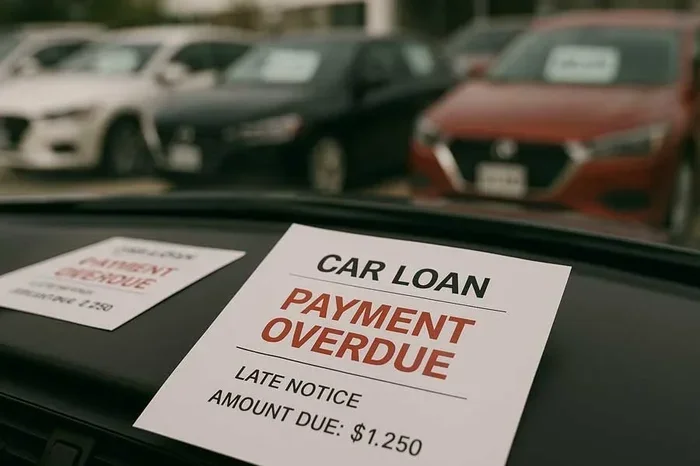
Most lenders can repossess your car after just one missed payment, though many wait until you are 90 days delinquent. The exact number of missed payments depends on your loan terms, lender policies, and state laws. Understanding the car loan default process early can save you thousands of dollars and protect your credit score.
Missing a car payment is stressful. You wonder what happens next. Will your lender call? Will they take your car? The truth is, the answer depends on several factors. Your loan agreement, your lender’s policies, and your state’s laws all play a role. This guide breaks down everything you need to know about how many car payments you can miss before repossession.
Many people think they have a full month or even two to catch up. That is not always true. Some lenders move quickly. Others give more time. Either way, understanding the car loan default process early puts you in a much better position. You will know what to expect and what steps to take.
Key Takeaways
- One missed payment can start the delinquency clock: Lenders report late payments after just 10 to 15 days.
- Most repossessions happen after 90 days of non-payment: This is the most common threshold across lenders.
- Your loan agreement matters most: Check your contract for the specific default clause.
- Repossession damages your credit for up to 7 years: A single repossession can drop your score by 100 points or more.
- You have options before repossession: Loan modification, voluntary surrender, and reinstatement can help.
- State laws vary widely: Some states require lenders to send notices before taking your vehicle.
- Act fast if you are behind: The sooner you contact your lender, the more solutions are available.
📑 Table of Contents
- How Many Missed Payments Before Repossession?
- The Car Repossession Process Explained
- What Happens to Your Credit After Repossession?
- Options to Avoid or Recover from Repossession
- State Laws That Protect You
- Common Mistakes People Make When Behind on Payments
- Expert Insights on Handling Car Payment Difficulties
- Quick Tips to Protect Yourself
- Frequently Asked Questions
- Conclusion
How Many Missed Payments Before Repossession?
The short answer is: it varies. There is no single magic number. However, most lenders follow a general pattern. Let us break it down by stages of delinquency.
After 1 Missed Payment
Missing your first car payment does not mean your car is going anywhere. Most lenders have a grace period of 10 to 15 days. During this time, you can make your payment without penalty. Your lender will likely not report the late payment to credit bureaus yet.
However, some lenders do report after just one missed payment. Check your loan agreement. The auto loan terms will tell you exactly when a late payment gets reported. If you miss the grace period, expect a phone call or email from your lender.
After 2 Missed Payments
Two missed payments put you in a more serious situation. Most lenders consider you auto loan delinquent at this stage. You will likely face late fees. Your credit score may start to take a hit. The lender will increase communication efforts.
Some lenders send a formal notice after two missed payments. This is called a “notice of default.” It is a warning that repossession could be coming. At this point, you need to act fast.
After 3 Missed Payments (90 Days Delinquent)
Three missed payments is the most common trigger for repossession. Most lenders consider a loan in default after 90 days of non-payment. At this stage, the lender may start the car repossession process.
Some lenders will repossess sooner. Others may wait longer. It depends on the lender and your history. If you have always paid on time before, they might give you more rope. If this is a pattern, they may move faster.
Factors That Change the Timeline
Several factors affect how quickly a lender acts:
- Your loan agreement: The default clause sets the rules.
- Your payment history: A first-time late payment gets more leniency.
- Your lender’s policies: Some lenders are stricter than others.
- State laws: Some states require more notice before repossession.
- The loan-to-value ratio: Underwater loans may trigger faster action.
- Your communication with the lender: Reaching out early helps a lot.
The Car Repossession Process Explained
Understanding the repossession timeline helps you know what to expect. The process is not instant. It follows a series of steps. Here is what typically happens.
Step 1: Missed Payment and Grace Period
You miss a payment. The grace period begins. During this window, you can pay without consequences. The lender will not yet start the vehicle recovery process.
Step 2: Delinquency Notice
After the grace period ends, your account becomes delinquent. The lender will reach out. You may get calls, texts, or letters. The missed payment penalty kicks in. Late fees are added to your balance.
Step 3: Default Notice
If you still do not pay, the lender sends a formal default notice. This letter tells you that your loan is in breach. It gives you a chance to cure the default. This period varies by state but is often 20 to 30 days.
Step 4: Repossession
If you do not cure the default, the lender can repossess the vehicle. In most states, lenders do not need a court order. They can send a repo agent to take the car. This is called a “self-help” repossession.
Step 5: Auction or Sale
Once the car is taken, the lender will sell it. Usually through an auction. The sale proceeds go toward your loan balance. If the sale does not cover the full amount, you still owe the difference.
What Happens to Your Credit After Repossession?
A car loan default consequence is not just losing your car. It also damages your credit. The impact can be severe and long-lasting.
Credit Score Damage
A repossession stays on your credit report for 7 years. It can drop your score by 100 points or more. The damage is worse if you were already behind on payments. Each missed payment before the repossession also hurts your score.
Deficiency Balance
Here is something many people do not expect. After the car is sold, if the sale price does not cover what you owe, you still owe the difference. This is called a deficiency balance. The lender can sue you for this amount.
For example, if you owe $10,000 and the car sells for $6,000, you still owe $4,000. The lender can pursue you for that $4,000 through collections or a lawsuit.
Impact on Future Borrowing
A repossession makes it harder to get loans in the future. Auto lenders will see the default on your report. You may face higher interest rates. Some lenders may not approve you at all for several years.
Options to Avoid or Recover from Repossession
The good news is that you have options. You do not have to sit back and let it happen. There are several paths you can explore.
Option 1: Loan Reinstatement
In many states, you have the right to reinstate your loan. This means paying all missed payments plus fees in one lump sum. Once reinstated, your loan goes back to normal. The car stays with you.
Check your state laws for the reinstatement window. Some states give you 20 days. Others give you up to 60 days. This is often the best option if you can come up with the money.
Option 2: Loan Modification
A loan modification changes the terms of your loan. The lender might extend the loan term. This lowers your monthly payment. They might also reduce the interest rate.
Not all lenders offer modifications. But many do, especially if you reach out before missing too many payments. Be prepared to show proof of financial hardship.
Option 3: Voluntary Surrender
If you know you cannot keep up with payments, consider a voluntary surrender. You return the car to the lender yourself. This is better than a forced repossession in some ways.
Voluntary surrender may hurt your credit slightly less. It also avoids repossession fees. However, you still face the deficiency balance and credit damage.
Option 4: Refinancing
If your credit is still decent, you might qualify for a refinanced loan. A new loan pays off the old one. You get new terms, often with a lower monthly payment. This works best if you have not missed too many payments yet.
Option 5: Sell the Car Yourself
Selling the car before repossession gives you more control. You can pay off the loan with the sale proceeds. Any extra money is yours to keep. A forced repossession sale usually brings less money than a private sale.
Option 6: Negotiate with Your Lender
Do not be afraid to talk to your lender. Many have hardship programs. They would rather work with you than go through the cost of repossession. Call them as soon as you know you will miss a payment.
State Laws That Protect You
Not all states treat repossession the same way. Some offer more protections to borrowers than others.
Notice Requirements
Some states require lenders to send a pre-repossession notice. This gives you time to cure the default. California, for example, requires a 20-day notice before repossession.
Right to Cure
Many states give you a “right to cure” period. This is a window of time to pay what you owe before the lender can take the car. The length varies by state.
Deficiency Judgment Laws
Some states limit how much a lender can pursue you for after a repossession. In these states, the lender may not be able to collect a deficiency balance. Check your state’s laws to understand your rights.
Peaceful Repossession Rules
In all states, lenders must repossess peacefully. They cannot break into your garage. They cannot threaten you. If a lender violates these rules, you may have legal recourse.
Common Mistakes People Make When Behind on Payments
Avoiding these mistakes can save you a lot of trouble:
- Ignoring the problem: Avoiding calls from your lender makes things worse.
- Assuming you have more time than you do: Do not wait until you are 90 days behind.
- Not reading your loan agreement: Your contract holds the answers to many questions.
- Draining your emergency fund: Prioritize your car payment over non-essential expenses.
- Signing up for sketchy “help” services: Many repossession avoidance scams exist. Stick with reputable options.
- Giving up too early: There are always options. Explore them before defaulting completely.
Expert Insights on Handling Car Payment Difficulties
Financial counselors recommend taking action at the first sign of trouble. Do not wait for the second or third missed payment. The earlier you reach out to your lender, the more options you have.
“The worst thing a borrower can do is ignore the problem,” says a loan advisor with over 15 years of experience. “Lenders would rather work with you than repossess your car. Repossession costs them money too.”
Another expert suggests creating a budget as soon as you sense trouble. “Look at every dollar coming in and going out. Find areas to cut. Redirect that money toward your car payment,” the advisor adds.
Many non-profit credit counseling agencies offer free help. They can negotiate with your lender on your behalf. They can also help you understand your rights under state and federal law.
Quick Tips to Protect Yourself
- Know your grace period: Check your loan agreement for the exact number of days.
- Set up autopay: Automating payments prevents accidental misses.
- Communicate early: Call your lender before you miss a payment if possible.
- Know your state laws: Look up your state’s repossession and deficiency rules.
- Keep records: Save all letters, emails, and call logs with your lender.
- Consider refinancing: If rates have dropped, refinancing could lower your payment.
- Explore hardship programs: Many lenders have temporary relief options.
Frequently Asked Questions
Can a lender repossess my car after just one missed payment?
Technically, yes. Most loan agreements allow repossession after any missed payment. However, most lenders do not repossess after just one missed payment. They usually give a grace period and try to work with you first. That said, a single missed payment can still be reported to credit bureaus.
How long do I have after missing a payment before my car is repossessed?
Most lenders wait until you are about 90 days delinquent before starting repossession. Some may act sooner. The grace period typically lasts 10 to 15 days. After that, late fees apply and your credit starts to take a hit. Always check your loan agreement for the specific timeline.
Does a voluntary surrender hurt less than a repossession?
Both affect your credit similarly. However, a voluntary surrender may be viewed slightly more favorably by future lenders. It shows you took responsibility and did not avoid the situation. The credit damage is still significant either way.
Can I get my car back after repossession?
In some cases, yes. You can usually redeem the car by paying the full loan balance plus repossession costs. Some states also allow you to reinstate the loan by paying all missed payments and fees. The options depend on your state laws and your lender’s policies.
How long does a repossession stay on my credit report?
A repossession stays on your credit report for 7 years from the date of the first missed payment that led to the default. The impact lessens over time, especially if you rebuild your credit with on-time payments on other accounts.
What should I do if I cannot afford my car payment anymore?
Contact your lender immediately. Do not wait. Explain your situation and ask about hardship programs, loan modifications, or refinancing options. You can also consult a non-profit credit counselor for free advice. Taking action early gives you the most options.
Conclusion
So how many car payments can you miss before repossession? The honest answer is that it depends. Most lenders wait until you are 90 days behind. But some can act much sooner. Your loan agreement is the best place to find your specific timeline.
The car loan default process is stressful but manageable if you act early. Do not ignore missed payments or avoid your lender. Communication is your best tool. Whether you choose reinstatement, modification, or voluntary surrender, taking action puts you in a much stronger position.
Remember that your credit score impact from a repossession can last for years. Protecting your vehicle and your financial health starts with understanding the rules. Know your rights, explore your options, and reach out for help when you need it. The sooner you face the situation, the more control you keep over the outcome.