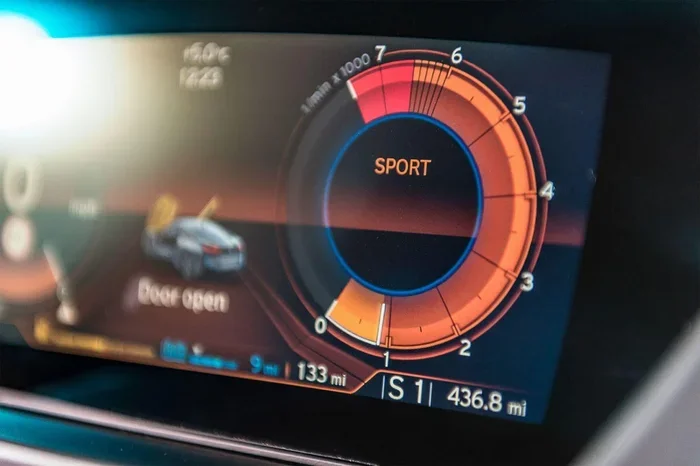
Is Driving in Sport Mode Illegal and Can You Get a Ticket
Driving in sport mode is not inherently illegal, but how you use it can lead to serious consequences. If you push your car too hard in sport mode and break speed limits or drive recklessly, you absolutely can get a ticket. Sport mode changes how your engine and transmission respond, making your vehicle more responsive and powerful. This guide covers the legal side, safety risks, and smart ways to use sport mode without getting into trouble.
You are cruising down the highway, and your car feels alive. The engine growls. The shifts happen faster. You have switched your driving in sport mode and the experience is thrilling. But then a thought hits you: Is this even legal?
It is a question a lot of drivers ask, especially those who love the feel of a responsive engine and quick gear changes. The short answer is that driving in sport mode is not illegal by itself. However, the way you use it can absolutely put you on the wrong side of the law. If you speed, drive aggressively, or lose control, the ticket comes for your behavior, not the mode you selected.
This article breaks down everything you need to know. We will look at what sport mode does, whether it is legal, how it affects your car, and how to stay safe and smart on the road. Whether you drive a sports car, an SUV, or a daily commuter, this guide has you covered.
Let us dive in and clear up the confusion around sport mode and the law. By the end, you will know exactly when it is fine to use sport mode and when you should switch back to normal.
Key Takeaways
- Sport mode itself is legal: Using sport mode on public roads is not a crime in most places.
- How you drive matters more: Speeding, reckless driving, or aggressive maneuvers in sport mode can earn you a ticket.
- Your vehicle changes in sport mode: The engine revs higher, shifts happen later, and throttle response gets sharper.
- Insurance and warranty risks exist: Some insurers and manufacturers may view sport mode misuse differently.
- Road safety is the real concern: Sport mode can make it easier to lose control, especially in bad weather.
- Know when to switch back: Using normal mode in city traffic and bad conditions keeps you safer and more legal.
📑 Table of Contents
- What Is Sport Mode and How Does It Work
- Is Driving in Sport Mode Illegal on Public Roads
- Can You Get a Ticket for Using Sport Mode
- How Sport Mode Affects Your Vehicle and Driving
- When Sport Mode Is Appropriate vs. When It Is Not
- Expert Tips for Using Sport Mode Responsibly
- Common Mistakes Drivers Make in Sport Mode
- Key Takeaways
- Conclusion
What Is Sport Mode and How Does It Work
Before we talk about legality, it helps to understand what sport mode actually does to your car. Not everyone knows the full picture. Sport mode changes the way your vehicle responds to your inputs. It is not a single switch that makes your car go faster. It is a combination of adjustments that change your driving feel.
How Sport Mode Changes Your Transmission
In normal mode, your transmission shifts gears early to save fuel. When you switch to sport mode transmission, the car holds gears longer. This means your engine stays at higher RPMs for more time. The result is more power available when you need it.
Here is what happens under the hood:
- Later upshifts: Your car waits longer before shifting to the next gear.
- Quicker downshifts: When you need power, the car drops gears faster.
- Higher RPM range: The engine stays in its power band more often.
- Sharper throttle response: Your foot presses the pedal and the car reacts faster.
What Else Sport Mode Affects
Depending on your vehicle, sport mode can do more than just change your transmission. Some cars also adjust the steering feel. It becomes heavier and more precise. In some models, the exhaust sound changes too. You might hear a deeper, more aggressive tone that makes the whole experience feel sporty.
In certain vehicles, car performance mode also adjusts the stability control system. The traction control becomes less aggressive. This gives you more wheel spin and more control over how the car handles. It sounds fun, but it also means you need to be a more careful driver.
Is Driving in Sport Mode Illegal on Public Roads
Now for the big question: is driving in sport mode illegal? The direct answer is no. There is no law in the United States, Canada, the UK, or most other countries that says you cannot use sport mode on public roads. Your car comes with this feature for a reason. Manufacturers design it to give drivers more control and a more engaging experience.
However, the moment you use sport mode to break traffic laws, things change. Sport mode itself is not the violation. The violation is what you do while it is active. Think of it this way: sport mode is a tool. A hammer is not illegal. But hitting someone with a hammer is. The same logic applies here.
Where Laws Get Gray
Some states and countries have laws against aggressive driving and reckless operation. These laws do not mention sport mode by name. But if you are weaving through traffic, revving your engine excessively, or speeding because sport mode makes it easy, a police officer can still pull you over.
For example, California Vehicle Code Section 23103 defines reckless driving as driving with willful or wanton disregard for safety. If an officer sees you doing 90 mph in a 65 zone with sport mode active and your engine screaming, they can charge you with reckless driving. The sport mode is not the ticket. Your behavior is.
Sport Mode on Private Property vs. Public Roads
There is another distinction worth mentioning. If you are on a private track or closed course, sport mode is completely fine. Many car enthusiasts use sport mode at track days or on private property. The legal issues only arise when you bring that behavior to public roads, highways, and city streets.
Can You Get a Ticket for Using Sport Mode
The short answer is yes, you can get a ticket while driving in sport mode. But the ticket is not for sport mode. It is for the traffic violation you committed. Let us look at the most common scenarios.
Speeding Tickets
This is the most obvious one. Sport mode makes your car accelerate harder and reach higher speeds more easily. If you exceed the speed limit while in sport mode, you will get a speeding ticket. The officer does not care that your car has a sport mode. They care that you were going 15, 20, or 30 miles per hour over the limit.
In some cases, speeding in sport mode can push you into a higher fine bracket. If you are caught going extremely over the limit, some jurisdictions treat it as a more serious offense. This can mean higher fines, more points on your license, and even a court appearance.
Reckless Driving Charges
If your driving in sport mode looks dangerous, you could face a reckless driving charge. This includes things like:
- Weaving in and out of traffic at high speeds
- Tailgating other vehicles aggressively
- Burning out or spinning your tires in traffic
- Racing other vehicles on public roads
A reckless driving charge is much more serious than a simple speeding ticket. In some states, it is a misdemeanor that can come with jail time, large fines, and license suspension.
Excessive Noise Violations
Sport mode can make your engine louder. Some cars get significantly noisier when the transmission holds lower gears and the RPMs stay high. If you are driving through a residential area late at night and your engine is roaring, you could get cited for excessive noise or a sound violation.
Many cities have noise ordinances that limit how loud a vehicle can be, especially at night. Sport mode can push your exhaust and engine noise over the legal limit.
Accidents and Insurance Implications
If you get into a crash while driving in sport mode, your insurance company may look at the situation differently. They might consider whether sport mode driving contributed to the accident. In some cases, this could affect your claim or even your premiums.
It is worth noting that most insurance policies do not have a specific exclusion for sport mode. But if an adjuster sees that you were driving aggressively in sport mode and caused an accident, they may use that as evidence of negligence.
How Sport Mode Affects Your Vehicle and Driving
Understanding what sport mode does to your car helps you make better decisions behind the wheel. It is not just about legality. It is also about safety and vehicle care.
Fuel Consumption and Range
Sport mode uses more fuel. This is one of the biggest trade-offs. When your engine runs at higher RPMs and shifts later, it burns more gasoline or diesel. If you drive in sport mode during your daily commute, you will notice a drop in fuel economy. Some drivers report a 10 to 20 percent decrease in fuel efficiency when using sport mode regularly.
If you are trying to save money at the pump, normal mode is the way to go. Save sport mode for open roads and spirited driving sessions.
Wear and Tear on Your Vehicle
Driving in sport mode puts more stress on your car. The engine works harder. The transmission handles more heat. Your brakes work harder too, since you are likely going faster and stopping more aggressively.
Here is what can wear out faster:
- Brake pads and rotors: Harder braking wears them down quicker.
- Tires: More aggressive acceleration and cornering eats through tread faster.
- Transmission fluid: Higher RPMs generate more heat, which breaks down fluid faster.
- Engine components: Constant high-RPM driving can shorten engine life over time.
Regular maintenance becomes even more important if you use sport mode often. Check your brakes, tires, and fluids more frequently than you would with normal driving.
Road Safety Concerns
Sport mode changes the feel of your car in ways that can be dangerous if you are not careful. The sharper throttle response means a small pedal input creates a big acceleration. This can catch you off guard, especially in wet or icy conditions.
Reduced traction control means your wheels are more likely to spin. On a rain-slicked road, this can lead to a loss of control. Road safety should always come first. If the weather is bad or the roads are slippery, switch back to normal mode.
When Sport Mode Is Appropriate vs. When It Is Not
Knowing when to use sport mode and when to avoid it is key to staying safe, legal, and saving money on car repairs. Let us break it down.
When Sport Mode Makes Sense
Sport mode is great in the right situations:
- Open highways with light traffic: You can enjoy the extra power and responsiveness safely.
- Track days and closed courses: This is exactly what sport mode is designed for.
- Overtaking on clear roads: A quick burst of sport mode gives you the confidence to pass safely.
- Scenic or winding roads: Sport mode enhances the driving experience on roads designed for it.
When You Should Stick to Normal Mode
There are plenty of times when normal mode is the smarter choice:
- City driving and heavy traffic: Constant stop-and-go is not where you want sport mode.
- Rain, snow, or ice: Traction is already limited. Sport mode makes it worse.
- School zones and residential areas: Lower speeds and gentle driving keep you safe and legal.
- Early morning or late night: Noise ordinances apply, and quiet driving is courteous.
A Simple Rule of Thumb
A good rule to follow is this: if the road is crowded, the weather is bad, or the speed limit is low, switch to normal mode. If you are on an open road with clear conditions and you want to enjoy your car, sport mode is perfectly fine.
Expert Tips for Using Sport Mode Responsibly
You do not have to give up the thrill of sport mode to stay safe and legal. Here are some practical tips from experienced drivers and automotive experts.
1. Know Your Limits
Sport mode makes your car more responsive, but it does not make you a better driver. Be honest about your skill level. If you are a newer driver, use sport mode gently and build your confidence gradually.
2. Respect Speed Limits
This one seems obvious, but it is easy to forget when your car feels so powerful in sport mode. Speed limits are there for a reason. They are based on road design, traffic patterns, and safety studies. Stick to them and you will avoid tickets and accidents.
3. Check Your Local Laws
Traffic laws vary by state, province, and country. Some areas have specific rules about vehicle modifications and noise levels. Even though sport mode is not a modification, the effects of sport mode (louder exhaust, higher speeds) can trigger local laws. Know the rules where you drive.
4. Keep Your Car Maintained
If you use sport mode regularly, your car needs more attention. Stay on top of oil changes, brake inspections, and tire rotations. A well-maintained car handles sport mode driving much better than a neglected one.
5. Use Sport Mode Selectively
You do not need to drive in sport mode all the time. Most cars let you switch between modes on the fly. Use normal mode for your daily commute and switch to sport mode when the situation calls for it. This saves fuel, reduces wear, and keeps your driving experience fresh.
6. Be Aware of Other Drivers
Sport mode can be distracting for other drivers on the road. A loud, fast-moving car can startle other motorists, cyclists, and pedestrians. Always be aware of your surroundings and drive in a way that does not surprise or endanger others.
Common Mistakes Drivers Make in Sport Mode
Even experienced drivers make mistakes when using sport mode. Here are some of the most common ones to avoid.
Assuming Sport Mode Makes You Invisible
Some drivers think that because their car is faster, they are above the law. This is a dangerous and false assumption. Police officers still clock your speed and watch your driving behavior regardless of what mode your car is in.
Forgetting That Braking Distance Increases
Sport mode does not magically improve your braking. You are going faster, which means it takes longer to stop. Many drivers underestimate this and end up in avoidable collisions.
Ignoring Tire Condition
Worn tires and sport mode are a bad combination. Your tires need good tread to handle the extra power and grip demands of sport mode driving. Check your tire pressure and tread depth regularly.
Overlooking the Impact on Vehicle Warranty
Some manufacturers may argue that vehicle warranty claims related to transmission or engine damage are voided if the car was driven aggressively in sport mode. While this varies by manufacturer and situation, it is something to be aware of.
Key Takeaways
- Sport mode itself is legal: Using sport mode on public roads is not a crime in most places.
- How you drive matters more: Speeding, reckless driving, or aggressive maneuvers in sport mode can earn you a ticket.
- Your vehicle changes in sport mode: The engine revs higher, shifts happen later, and throttle response gets sharper.
- Insurance and warranty risks exist: Some insurers and manufacturers may view sport mode misuse differently.
- Road safety is the real concern: Sport mode can make it easier to lose control, especially in bad weather.
- Know when to switch back: Using normal mode in city traffic and bad conditions keeps you safer and more legal.
Conclusion
Driving in sport mode is not illegal. It is a feature built into your car by the manufacturer, and it is meant to be enjoyed. The key is to use it responsibly and understand the difference between the mode itself and the way you drive.
You can get a ticket while in sport mode, but the ticket is for speeding, reckless driving, or noise violations, not for the mode selection. As long as you follow traffic laws, respect speed limits, and drive with caution, sport mode is perfectly fine to use.
Remember that sport mode changes how your car feels and performs. It makes the driving experience more engaging and fun. But with that comes added responsibility. Maintain your vehicle, know the road conditions, and always prioritize safety over thrill.
Next time you hit the road and switch into sport mode, enjoy it. Just drive smart, stay within the law, and make sure you and everyone else gets home safely.
Frequently Asked Questions
Is it illegal to drive in sport mode on the highway?
No, driving in sport mode on the highway is not illegal. However, if you exceed the speed limit or drive recklessly, you can be ticketed. Sport mode simply changes how your car responds to your inputs. As long as you follow traffic laws, you are fine.
Will using sport mode void my car warranty?
In most cases, using sport mode will not void your warranty. But if a manufacturer can prove that aggressive driving in sport mode directly caused damage, they may deny a claim. It depends on your specific warranty terms and the nature of the damage.
Can police tell if your car is in sport mode?
Police officers generally cannot tell if your car is in sport mode just by looking at it. They can, however, observe your driving behavior. If you are speeding or driving aggressively, that is what they will cite you for, not the mode your car is in.
Does sport mode use more gas?
Yes, sport mode typically uses more fuel. The engine runs at higher RPMs and shifts later, which burns more gasoline. If you are concerned about fuel economy, use normal mode for daily driving and reserve sport mode for when you really want to enjoy the drive.
Is sport mode bad for your car?
Sport mode is not bad for your car if used appropriately. It does put more stress on the engine, transmission, and brakes, so regular maintenance becomes more important. As long as you keep up with oil changes, brake inspections, and fluid checks, your car should handle sport mode just fine.
What is the difference between sport mode and normal mode?
In normal mode, your car prioritizes fuel efficiency and smooth driving. The transmission shifts early, the throttle is gentle, and stability control is fully active. In sport mode, the car prioritizes performance. Shifts are later, throttle is sharper, and stability control is less intrusive. The driving feel is more engaging and responsive.