Is It Worth Keeping a Car With 200K Miles on the Road
Deciding whether to keep a car with 200K miles depends on more than just the odometer reading. A high mileage car can still be a reliable daily driver if it has been well maintained and the major systems are in good shape. This guide covers the real costs, common repairs, and key factors that help you determine if holding onto your vehicle makes financial sense. You will learn how to weigh repair expenses against replacement costs and which car brands tend to last the longest.
Is it worth keeping a car with 200K miles? This is a question many drivers face, especially when the check engine light flickers on or a repair estimate comes in higher than expected. The honest answer is that it depends on several factors, including the vehicle’s maintenance history, mechanical condition, and your personal financial situation.
A car with 200K miles on the odometer is no longer a young vehicle, but that does not automatically mean it is a junker. Many vehicles today are engineered to last well beyond 200,000 miles with proper care. The key is understanding what you are getting into before you make a decision. This article breaks down the real costs, risks, and rewards of holding onto a high mileage car.
We will walk you through the pros and cons, common repairs you should expect, and the specific car brands known for their vehicle longevity. By the end, you will have a clear picture of whether keeping your car makes sense or whether it is time to let go.
Key Takeaways
- Well-maintained cars can easily surpass 200K miles with the right care and preventive maintenance schedule.
- The biggest cost of keeping a high mileage car is repairs, but these are often lower than monthly car payments on a new vehicle.
- Certain brands and models are built to last past the 200K mileage benchmark with fewer major issues.
- Always check the vehicle history and mechanical condition before deciding to keep or sell a car at 200K miles.
- Replacing a car at 200K miles may not save money when you factor in depreciation, insurance, and new car payments.
- Common mistakes like ignoring warning signs can turn a manageable repair into a costly engine or transmission failure.
📑 Table of Contents
- What Does 200K Miles Really Mean for Your Car?
- The Pros of Keeping a High Mileage Vehicle
- The Cons and Hidden Risks of 200K Miles
- Key Factors That Decide If It Is Worth It
- Common Repairs You Will Face at the 200K Mile Mark
- Which Cars Are Built to Last Past 200K Miles?
- When It Is Time to Let Go
- Conclusion
What Does 200K Miles Really Mean for Your Car?
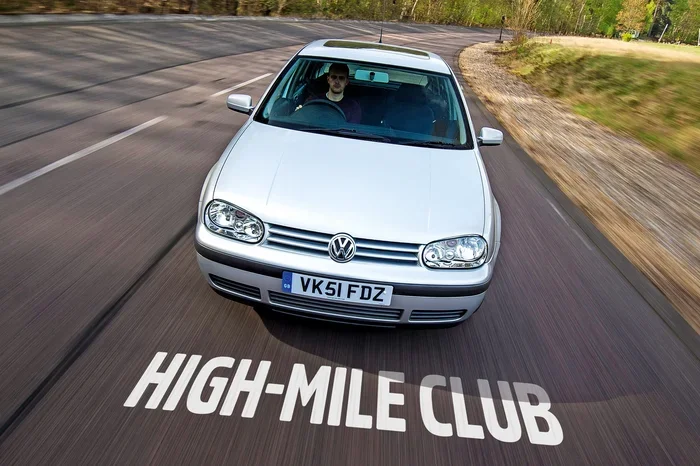
Two hundred thousand miles is a significant milestone. In the past, reaching this number often meant a vehicle was on its last legs. Today, however, advances in engineering and materials mean that many cars can comfortably exceed 200K miles without major issues. The real question is not just about the number on the odometer but about how the car got there.
A well-maintained car with 200K miles can still have years of reliable service left. On the other hand, a neglected vehicle might start showing serious problems well before that mark. This is why the maintenance history matters more than the mileage itself.
The Mileage Benchmark Is Not What It Used to Be
Decades ago, 100K miles was considered a lot. Engines and transmissions were not built to last as long. Today, manufacturers design vehicles with a longer expected lifespan. Many modern cars come with extended car warranty coverage that reflects this confidence in durability. A car with 200K miles today is similar to a car with 100K miles from the 1990s in terms of remaining life potential.
The average American drives about 13,000 to 14,000 miles per year. At that rate, reaching 200K miles takes roughly 14 to 15 years. So if your car has 200K miles and is 15 years old, it has actually aged at a normal pace. That is not necessarily a bad thing.
Why Maintenance History Matters More Than Mileage
When evaluating a car with 200K miles, the first thing you should look at is the service records. A vehicle that has had regular oil changes, timely transmission maintenance, and scheduled inspections will far outlast one that has been neglected. Preventive maintenance is the single biggest factor in how long a car lasts.
Think of it this way. Would you rather buy a car with 200K miles that has full service records, or a five-year-old car with 60K miles that has no maintenance history? The high mileage car with proper care is often the safer bet.
The Pros of Keeping a High Mileage Vehicle
There are several real advantages to holding onto a car with 200K miles. These benefits go beyond just emotional attachment to a vehicle you know well.
You Avoid the Steepest Part of Car Depreciation
New cars lose value fast. In the first three to five years, a vehicle can lose 40% to 60% of its original value. By the time a car reaches 200K miles, the steepest part of car depreciation has already happened. The resale value may be low, but you have already absorbed that loss. Continuing to drive it means you avoid the cost of a new car payment and the immediate depreciation hit of a new purchase.
Lower Monthly Car Ownership Costs
One of the biggest financial benefits of keeping an older car is the absence of a monthly car payment. The average new car payment in the U.S. is over $700 per month. If you have paid off your vehicle, those savings are significant. Even when you factor in higher repair costs, many owners find that the total cost of ownership is still lower than making payments on a new car.
Insurance Costs May Be Lower
Older vehicles typically cost less to insure than new ones. You may not need comprehensive or collision coverage on a car worth less than a certain threshold. This can reduce your monthly insurance bill and add to your overall savings.
You Know the Vehicle Inside and Out
When you keep a car for a long time, you develop a deep understanding of its quirks and habits. You know what sounds are normal and which ones are not. This familiarity helps you catch small problems before they become expensive repairs. That kind of intimate knowledge is hard to replicate with a new car.
The Cons and Hidden Risks of 200K Miles
Keeping a car with 200K miles is not all upside. There are real risks and costs you need to be aware of before making your decision.
Repair Costs Can Add Up
As a vehicle ages, parts wear out and need replacement. A car with 200K miles will need more frequent repairs than a newer model. Common issues include worn suspension components, failing electrical systems, and aging seals and gaskets. While individual repairs may not be enormous, they can accumulate over time.
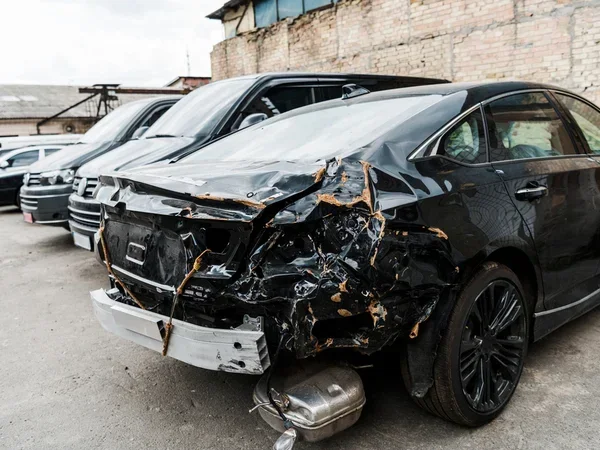
The key is to distinguish between normal wear and tear and major mechanical failures. A new water pump or set of brake pads is expected maintenance. A cracked engine block or failed transmission is a different story.
Reliability May Decline
Even well-maintained vehicles become less reliable as the mileage climbs. You may find yourself stranded more often or dealing with unexpected breakdowns. This can be inconvenient and stressful, especially if you depend on your car for daily commuting or family transportation.
Safety Features May Be Outdated
Cars built more than 10 years ago may lack modern safety technology. Features like automatic emergency braking, lane departure warnings, and advanced airbag systems are not standard in older models. If safety is a top priority for your family, this is an important consideration.
Finding Parts Can Be Difficult
For some older or less common models, finding replacement parts becomes harder and more expensive as the car ages. Dealerships may no longer carry certain components, and aftermarket options may vary in quality. This can extend repair timelines and increase costs.
Key Factors That Decide If It Is Worth It
Not every car with 200K miles is the same. Several key factors determine whether keeping your vehicle makes financial and practical sense.
Your Current Financial Situation
If you have the cash to cover unexpected repairs and the car is paid off, keeping it can be a smart move. But if you are living paycheck to paycheck, a major repair could put you in a difficult spot. Be honest about your financial buffer before deciding to hold onto a high mileage vehicle.
The Car’s Mechanical Condition
A pre-purchase inspection or a thorough check-up by a trusted mechanic is essential. They can assess the engine life, transmission health, and overall mechanical condition. This professional evaluation gives you a much clearer picture of what to expect in the coming years.
Your Daily Driving Needs
How much do you rely on your car every day? If you need it for work, school runs, and errands, reliability becomes critical. A car that breaks down frequently may not be practical for a busy household, no matter how low the monthly cost.
The Vehicle’s Resale Value
Some models hold their value surprisingly well, even at high mileage. If you plan to sell the car eventually, a strong resale value can offset some of the repair costs. Research the market value of your specific make and model at the 200K mileage point.
| Factor | Keep the Car | Replace the Car |
|---|---|---|
| Monthly Cost | No car payment; lower insurance | New car payment; higher insurance |
| Repair Risk | Higher; more frequent repairs | Lower; covered by new car warranty |
| Depreciation | Already minimal; value is stable | Steepest loss in first 3 years |
| Reliability | Varies; depends on maintenance | Generally more reliable initially |
| Safety Features | May lack modern tech | Latest safety systems included |
| Total Cost of Ownership | Often lower over time | Higher due to payments and depreciation |
Common Repairs You Will Face at the 200K Mile Mark
Understanding the typical repairs that come with high mileage helps you budget and plan. Not every 200K car will need all of these, but they are common issues to watch for.
Transmission Maintenance and Replacement
The transmission is one of the most expensive components to replace. At 200K miles, transmission fluid should be changed regularly, and signs of slipping or rough shifting should be addressed immediately. Transmission maintenance can extend the life of this critical system by many miles.
Engine and Cooling System Issues
Older engines may develop oil leaks, timing belt wear, or cooling system failures. A timing belt replacement is a common scheduled service around the 200K mark. Staying on top of the oil change schedule and monitoring coolant levels helps prevent major engine problems.
Suspension and Steering Components
Worn shocks, struts, and steering components are common at high mileage. These repairs affect ride quality and safety. Replacing them promptly keeps the car handling well and prevents further damage to tires and other components.
Rust and Corrosion
Depending on where you live, rust and corrosion can become a serious issue. Salt on roads, humidity, and age all contribute to body and frame corrosion. Regular washing and undercoating can help, but structural rust is a safety concern that should not be ignored.
Electrical System Wear
Older vehicles often develop electrical gremlins. Faulty sensors, flickering lights, and failing starters are common. While individual electrical repairs are usually not expensive, they can be frustrating and hard to diagnose.
Which Cars Are Built to Last Past 200K Miles?
Not all vehicles are created equal when it comes to longevity. Some brands and models have proven track records of reaching and exceeding 200K miles with minimal major issues. If you are trying to decide whether to keep your current car or look for a replacement, these reliable car brands are worth considering.
Toyota and Lexus
Toyota consistently ranks at the top for vehicle longevity. Models like the Toyota Camry, Toyota Corolla, and Toyota Tacoma are known to run well past 200K miles. Lexus, Toyota’s luxury division, shares many of the same durable components and is equally reliable.
Honda
Honda vehicles are another strong choice for high mileage ownership. The Honda Accord and Honda Civic have long reputations for lasting well beyond the 200K mark with proper care. Their engines are designed for durability and efficiency.
Ford and Chevrolet
American brands like Ford and Chevrolet have improved significantly in recent years. Many Ford F-Series trucks and Chevrolet Silverados regularly achieve 200K miles and more. These vehicles are built for heavy use and long service life.
Mazda and Subaru
Mazda and Subaru are often overlooked but deliver impressive reliability. The Mazda3 and Subaru Outback are popular choices for buyers seeking a long-lasting vehicle with strong resale value.
When shopping for a replacement or evaluating your current car, look for models with a history of reaching high mileage benchmarks. Consumer Reports and J.D. Power reliability ratings are excellent resources for this research.
When It Is Time to Let Go
Sometimes the best decision is to move on from a high mileage car. Knowing when to let go saves you money, stress, and time. Here are clear signs that it might be time to say goodbye.
First, if repair costs exceed the car’s current market value, keeping it no longer makes financial sense. A good rule of thumb is that if a single repair costs more than half the vehicle’s value, you should start planning for a replacement.
Second, if the car fails a state safety inspection repeatedly or has structural damage like frame rust, it may not be safe to continue driving. Safety should always come first.
Third, if your daily needs have changed and the car no longer fits your lifestyle, it is okay to upgrade. A growing family, a longer commute, or new work requirements might call for a different vehicle.
Finally, consider the emotional factor. If you dread getting behind the wheel every morning because of constant breakdowns and repairs, the stress is costing you more than money. A reliable car should make your life easier, not harder.
When you do decide to replace your vehicle, remember that the cost of ownership drops significantly once the car is paid off. You can use the savings from no car payment to build a maintenance fund for your next vehicle, helping you get even more miles out of it.
Conclusion
So, is it worth keeping a car with 200K miles? The answer is: it depends, but often yes. A well-maintained vehicle with a clean history and solid mechanical condition can continue to serve you reliably for many more miles. The key is to weigh the repair costs against the savings of not making a new car payment, and to be realistic about the vehicle’s current condition.
Keep up with preventive maintenance, budget for repairs, and stay alert to warning signs. If your car with 200K miles is in good shape and fits your needs, there is no shame in holding onto it. Many drivers get years of faithful service from vehicles that far exceed the average mileage benchmark.
On the other hand, if repair bills are piling up and the car is becoming unreliable, it is okay to move on. Make your decision based on facts, not emotions, and you will end up with the best choice for your wallet and your lifestyle.
The bottom line is that a car with 200K miles is not automatically a bad investment. With the right care and realistic expectations, it can continue to be a dependable part of your daily life for years to come.
Frequently Asked Questions
How many miles is too many for a used car?
There is no single magic number, but many experts consider 200K miles to be a high mileage threshold. However, a well-maintained car can easily go beyond that. The real question is not the number but the condition, maintenance history, and how the vehicle was driven. A car with 200K miles that had regular oil changes and timely repairs is often in better shape than one with 100K miles that was neglected.
What is the average cost of maintaining a car with 200K miles?
Annual maintenance costs for a high mileage car typically range from $1,000 to $2,500, depending on the make, model, and age. This includes routine services like oil changes, brake pads, and tire rotations, as well as occasional larger repairs. Setting aside a dedicated repair fund each month helps you handle unexpected costs without stress.
Do cars depreciate faster after 200K miles?
No, car depreciation slows down significantly after the 200K mark. The steepest value loss happens in the first three to five years of ownership. By the time a car reaches 200K miles, it has already lost most of its value, and the rate of depreciation flattens out considerably. This is one of the financial advantages of keeping an older vehicle.
Should I buy an extended warranty for a high mileage car?
An extended car warranty can provide peace of mind, but it is not right for everyone. These plans can be expensive and often come with exclusions and deductibles. Before purchasing one, review the vehicle’s repair history, understand what is covered, and compare the warranty cost to what you might pay out of pocket for repairs. Sometimes building your own repair fund is a smarter financial move.
What car brands last the longest past 200K miles?
Toyota, Honda, Lexus, and Mazda consistently rank as the most reliable brands for high mileage longevity. Models like the Toyota Camry, Honda Accord, and Toyota Tacoma are frequently cited for reaching 300K miles or more. These vehicles are built with durable components and have lower average repair costs over their lifespan compared to many competitors.
Is it cheaper to keep an old car or buy a new one?
Keeping an older car is generally cheaper in terms of monthly costs because there is no car payment and insurance is typically lower. However, older vehicles may require more frequent repairs. The total cost of ownership depends on your specific situation. If your old car needs major repairs that exceed its value, buying a newer, more reliable vehicle may actually save you money in the long run.