Is It Illegal to Disable DRL on Your Vehicle Right Now
Is it illegal to disable DRL? The answer depends on where you live and how you do it. Daytime running lights are a safety feature designed to make your vehicle more visible during the day. Many countries require DRL to function, and tampering with the system can lead to fines, failed inspections, or even road safety issues.
Have you ever wondered whether is it illegal to disable DRL on your car or truck? Maybe you find the daytime running lights annoying, or perhaps you want to save a bit of fuel by turning them off. Whatever your reason, this is a question a lot of drivers ask, and the answer is not as simple as a yes or no.
The truth is that daytime running light laws differ from one place to another. In some countries, disabling your DRL system is a clear violation of the law. In others, it falls into a gray area that depends on how you do it and what the rest of your vehicle looks like. Either way, there are safety, legal, and practical factors you need to consider before you make any changes.
In this article, we will walk through everything you need to know about DRL regulations, the risks involved, and what you can and cannot do legally. We will look at the rules in different regions, explore how these systems actually work, and give you honest advice so you can make the best decision for your vehicle and your safety.
Key Takeaways
- Laws vary by country: Some regions mandate DRL, while others leave it optional.
- Disabling DRL can be illegal: In places like Canada and the EU, removing or disabling DRL may violate vehicle safety regulations.
- Safety risks are real: Studies show vehicles without DRL are harder for other drivers to see during the day.
- Common methods include fuse removal and relay bypass: Both carry legal and mechanical risks.
- Vehicle inspections may fail: A disabled DRL system can cause your car to fail a safety inspection.
- Insurance implications exist: In some cases, an accident involving a modified DRL system could affect your claim.
- Consult local laws first: Always check your specific state or country regulations before making any changes.
📑 Table of Contents
- What Are Daytime Running Lights and Why Do They Exist
- Is It Illegal to Disable DRL in Different Countries
- How DRL Systems Work in Modern Vehicles
- Common Reasons People Disable DRL
- Risks and Consequences of Turning Off DRL
- Can You Legally Modify Your DRL Setup
- Expert Insights on DRL and Vehicle Safety
- Key Takeaways
- Conclusion
What Are Daytime Running Lights and Why Do They Exist
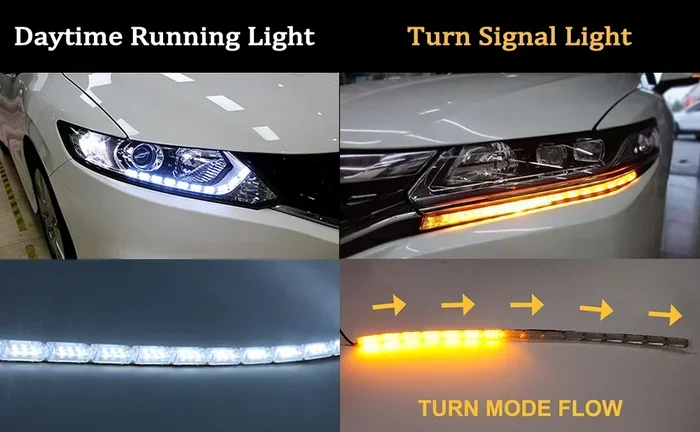
Daytime running lights, commonly known as DRL, are lighting systems that automatically turn on when you start your engine. They are not the same as your low beam headlights. DRLs are designed to make your vehicle more visible to other drivers during daylight hours. They use less energy than full headlights and are meant to reduce daytime accidents.
The idea behind daytime visibility is simple. When other drivers can see your car sooner, they have more time to react. This is especially important in early morning, late afternoon, and overcast conditions when natural light is low but the sun is still up. Many countries adopted DRL mandates after studies showed a measurable drop in daytime collisions when vehicles used running lights.
How DRL Differs from Regular Headlights
It is important to understand that DRL and your standard headlights serve different purposes. Your headlight switch controls the low beam and high beam lights that illuminate the road ahead. DRL, on the other hand, only makes your vehicle stand out to others. They are typically dimmer than your headlights and are wired to activate automatically when the engine is running.
Some vehicles use the front fog lights or low beam headlights as DRLs. Others have dedicated DRL LEDs or strips built into the front fascia. The setup depends on the manufacturer and the model year. But no matter how they are implemented, the goal is the same: road safety through better visibility.
The History of DRL Regulations
The push for automotive lighting regulations began in the 1970s and 1980s. Scandinavian countries were early adopters because of their long, dark winters. Canada followed suit in the 1990s, making DRL mandatory on all new vehicles sold in the country. The European Union also adopted rules requiring DRL on new passenger cars. In the United States, the rules are less strict, and DRL remains optional in most states.
Today, more than 30 countries around the world have some form of DRL law on the books. These laws exist because traffic safety experts believe that visible vehicles are safer vehicles. The data supports this claim, with studies showing reductions in multi-vehicle daytime crashes of up to 10 percent in regions with strong DRL requirements.
Is It Illegal to Disable DRL in Different Countries
The short answer to is it illegal to disable DRL depends entirely on your location. Let us break down the rules in some of the major regions where drivers commonly ask this question.
United States: A Gray Area
In the United States, there is no federal law that requires DRL on all vehicles. This means that technically, disabling your daytime running lights is not a federal offense. However, individual states may have their own vehicle lighting laws that could come into play. Some states require that all original lighting equipment remain functional and unmodified.
If you remove the DRL bulbs or disable the system by cutting wires, you could run into trouble during a vehicle inspection. Many states require that all factory-installed lights work properly. A missing or non-functioning DRL could cause your car to fail inspection. This is especially true if the DRL shares bulbs or circuits with your headlights or turn signals.
Also, keep in mind that law enforcement officers can pull you over if they believe your vehicle does not meet safety standards. If disabling your DRL makes your vehicle less visible, an officer might cite you for an unsafe equipment violation. So while there may not be a specific DRL law in your state, broader auto light regulations could still apply.
Canada: Strict DRL Laws
Canada has some of the strictest DRL regulations in North America. Since 1990, all new vehicles sold in Canada must come equipped with functioning daytime running lights. The law requires that DRL remain operational as part of the vehicle’s original equipment.
So if you ask is it illegal to disable DRL in Canada, the answer is a clear yes. Removing or disabling your DRL system can result in fines and failed safety inspections. Canadian provinces enforce these rules differently, but the bottom line is that your DRL must work if the vehicle was manufactured with them.
European Union: Mandatory and Enforced
In the European Union, DRL has been mandatory since 2011 for all new passenger cars. EU regulations require that daytime running lights operate automatically and cannot be easily bypassed by the driver. If you are caught with a disabled DRL system in an EU country, you could face fines and points on your license.
The EU takes vehicle safety standards very seriously. The auto light regulations are part of a broader framework designed to reduce accidents on European roads. If you plan to drive in Europe with a modified DRL setup, you need to be aware that compliance is strictly monitored.
Other Countries Around the World
Countries like Australia, Japan, and many in South America also have DRL requirements, though the specifics vary. In general, most developed nations have adopted some form of daytime running light mandate. If you travel internationally with a vehicle that has disabled DRL, you could run into legal issues depending on the country you visit.
How DRL Systems Work in Modern Vehicles
Understanding how your DRL system works can help you make better decisions about whether to disable it. Modern vehicles use sophisticated DRL modules that control the lights automatically. When you turn the ignition, the module sends power to the DRL circuit, which illuminates the designated lights.
Common DRL Components
Your vehicle’s DRL setup typically includes several key components. The DRL relay acts as a switch that activates the lights when the engine is running. The DRL fuse protects the circuit from electrical overload. In some vehicles, the DRL module is a separate computer unit that manages the entire system.
Many cars use the existing headlight bulbs as DRLs by running them at a lower power level. This saves energy and reduces bulb wear. Others use dedicated LED strips or separate DRL bulbs installed in the front bumper or grille area.
What Happens When You Disable DRL
If you disable the DRL system, several things can happen. The most common method is removing the DRL fuse or bypassing the DRL relay. When you do this, the lights that were serving as DRLs will no longer turn on automatically when you start the engine.
Some vehicles will display a dashboard warning light indicating that the DRL system is malfunctioning. This light can be annoying and may trigger a check engine code in some models. In more serious cases, disabling DRL can affect the operation of other lighting systems, especially if the DRL shares circuits with your headlights or turn signals.
Can You Simply Remove the Bulbs?
Some drivers think that simply removing the DRL bulbs is an easy fix. While this might work in some vehicles, it is not always that simple. In cars where the low beam headlights serve double duty as DRLs, removing the bulb means you also lose your low beam headlights. This creates a dangerous situation and makes your vehicle non-compliant with headlight laws.
Even in vehicles with dedicated DRL bulbs, removing them can trigger warning lights and error codes. It can also cause your vehicle to fail a vehicle inspection in regions that require all lighting systems to be intact and functional.
Common Reasons People Disable DRL
Drivers choose to disable their daytime running lights for a variety of reasons. Understanding these motivations can help you decide whether the trade-offs are worth it for your situation.
Fuel Economy Concerns
One of the most common reasons drivers ask is it illegal to disable DRL is to save fuel. DRLs do consume electricity, which in turn uses a small amount of fuel. On a modern vehicle, the impact is minimal, but some drivers of older cars or trucks with high-mileage engines feel that every bit of fuel savings counts.
The truth is that the fuel savings from disabling DRL are very small. Most modern DRL systems use LED technology that draws minimal power. The difference at the pump is often measured in fractions of a cent per mile. For most drivers, the safety benefits of keeping DRL on far outweigh the tiny fuel cost.
Bulb Burnout and Maintenance
Another reason drivers disable DRL is to avoid frequent bulb replacements. If your vehicle uses regular halogen bulbs as DRLs, they can burn out faster than you might expect. The constant use during every drive cycle adds up over time, and replacing bulbs can be expensive, especially for newer vehicles with complex headlight assemblies.
However, many newer vehicles now use LED DRL technology that lasts significantly longer. If bulb life is your concern, it may be worth looking into upgrading to LED DRLs rather than disabling the system entirely.
Aesthetic Preferences
Some drivers simply do not like the look of DRLs. Whether they find the lights too bright, too dim, or just unnecessary, personal preference plays a role in the decision to disable them. This is especially common among owners of older vehicles that were not originally equipped with DRL and had them retrofitted.
Electrical System Modifications
Drivers who perform extensive electrical modifications, such as adding aftermarket lighting, winches, or auxiliary systems, sometimes disable the stock DRL to free up electrical capacity. This is a more technical reason and usually involves a deeper understanding of the vehicle’s wiring system.
Risks and Consequences of Turning Off DRL
Before you decide to disable your daytime running lights, it is important to understand the full range of risks involved. These go beyond just legal issues and can affect your safety and your wallet.
Safety Risks
The most significant risk of disabling DRL is reduced visibility. Studies consistently show that vehicles with functioning daytime visibility systems are involved in fewer collisions. When your DRL is off, other drivers may not see your vehicle as quickly, especially in challenging lighting conditions.
Think about it this way. You would not drive with your headlights off during the day, right? Disabling DRL can put you in a similar situation, depending on your vehicle’s setup and the lighting conditions. Even on bright sunny days, overcast skies and tree-lined roads can create shadows where a vehicle without DRL is harder to spot.
Legal Consequences
As we discussed earlier, the legal consequences vary by location. In countries with strict DRL mandates, disabling your system can lead to fines, failed inspections, and even points on your license. In the United States, the consequences are less clear-cut but still possible.
If you get pulled over and an officer determines that your vehicle does not meet lighting safety standards, you could receive a citation. In some cases, you may be required to fix the issue before your vehicle can pass inspection. Repeated violations could lead to increased insurance premiums or even license suspension in extreme cases.
Insurance Implications
This is a risk that many drivers overlook. If you are involved in an accident and your DRL system was disabled, your insurance company could use that as a factor in determining fault or coverage. In some cases, a disabled safety feature like DRL could lead to a denied claim or reduced payout.
Insurance adjusters look at the overall condition and compliance of your vehicle after an accident. If disabling DRL contributed to the severity of a collision or made your vehicle less visible, it could affect the outcome of your claim. This is a real risk that should not be taken lightly.
Impact on Other Lighting Systems
Disabling DRL can sometimes cause unintended effects on other lighting systems. If the DRL shares circuits with your headlights, fog lights, or turn signals, disabling it could cause flickering, error codes, or even damage to the electrical system over time.
For example, some vehicles use a DRL module that also manages the automatic headlight function. If you bypass or disable the DRL, you might accidentally knock out the auto-light feature as well. This means your headlights will not turn on automatically when it gets dark, which is a significant safety issue.
Can You Legally Modify Your DRL Setup
If you still want to make changes to your DRL system, there are legal and safe ways to do so. The key is to understand the difference between disabling DRL entirely and making modifications that comply with local laws.
Adjusting DRL Brightness
In some vehicles, you can adjust the brightness of the DRL without fully disabling the system. This can help reduce the annoyance factor while keeping your vehicle compliant with auto light regulations. Check your vehicle’s owner manual or consult a qualified mechanic to see if this option is available for your model.
Upgrading to LED DRLs
If bulb burnout is your concern, consider upgrading to LED DRL technology. LED lights last much longer than traditional halogen bulbs and draw less power. This can address both the maintenance and fuel economy concerns that drive many drivers to consider disabling their DRL in the first place.
Using a DRL Relay with a Timer
Some enthusiasts install a DRL relay with a built-in timer that allows them to control when the DRLs activate. This approach keeps the system intact and functional while giving you more control over when the lights are on. However, you need to be careful here, as some regions may still view this as a modification that violates vehicle lighting laws.
Consulting a Professional
Before making any changes to your DRL system, we strongly recommend consulting a professional mechanic or automotive electrician. They can help you understand the specific wiring in your vehicle, the legal implications in your area, and the safest way to achieve your goals without compromising safety or compliance.
The bottom line is that is it illegal to disable DRL is a question with a nuanced answer. The safest and most legally sound approach is to keep your DRL system intact and functioning as designed. If you have concerns about the system, address them through proper maintenance or upgrades rather than disabling or removing components.
Expert Insights on DRL and Vehicle Safety
Traffic safety experts consistently recommend keeping daytime running lights enabled. The Insurance Institute for Highway Safety, or IIHS, has published studies showing that vehicles with DRL are involved in fewer daytime crashes. The National Highway Traffic Safety Administration, or NHTSA, also supports the use of DRL as a proven safety feature.
According to the European Commission, mandatory DRL laws have contributed to a significant reduction in daytime multi-vehicle accidents across Europe. The data is clear: when vehicles are more visible, collisions decrease. This is why most developed countries have adopted DRL mandates and continue to enforce them strictly.
Automotive engineers also point out that modern DRL systems are designed to be energy-efficient. The idea that DRLs significantly impact fuel economy is largely outdated. Today’s LED-based DRL systems draw so little power that the fuel savings from disabling them are negligible compared to the safety benefits of keeping them on.
Key Takeaways
- Laws vary by country: Some regions mandate DRL, while others leave it optional.
- Disabling DRL can be illegal: In places like Canada and the EU, removing or disabling DRL may violate vehicle safety regulations.
- Safety risks are real: Studies show vehicles without DRL are harder for other drivers to see during the day.
- Common methods include fuse removal and relay bypass: Both carry legal and mechanical risks.
- Vehicle inspections may fail: A disabled DRL system can cause your car to fail a safety inspection.
- Insurance implications exist: In some cases, an accident involving a modified DRL system could affect your claim.
- Consult local laws first: Always check your specific state or country regulations before making any changes.
Conclusion
The question of is it illegal to disable DRL does not have a one-size-fits-all answer. The legality depends on where you live, how you disable the system, and what your vehicle’s original equipment includes. In many countries, disabling DRL is a clear violation of vehicle safety regulations. In others, it falls into a gray area that still carries risks.
Beyond the legal considerations, there are compelling safety reasons to keep your daytime running lights enabled. These systems exist to make the roads safer for everyone. When your vehicle is more visible, other drivers can react faster, and the likelihood of collisions decreases.
If you are frustrated with your DRL system for any reason, there are better solutions than simply disabling it. Upgrading to LED bulbs, adjusting brightness, or consulting a professional can address your concerns without putting you at legal or safety risk. The best approach is always to work with your vehicle’s existing systems rather than against them.
Ultimately, the choice is yours. But we encourage you to weigh the legal, safety, and financial risks carefully before making any changes to your DRL system. Stay informed, stay safe, and make decisions that protect both you and everyone else on the road.
Frequently Asked Questions
What happens if you disable DRL in Canada?
In Canada, disabling your daytime running lights is illegal because DRL has been mandatory since 1990. You could face fines, failed vehicle inspections, and potential issues with your insurance if caught.
Can you disable DRL without triggering a dashboard warning light?
In most modern vehicles, disabling DRL will trigger a dashboard warning light or a check engine code. Some methods like fuse removal may prevent the light, but they can still cause other electrical issues and inspection failures.
Do daytime running lights really save lives?
Yes, multiple studies have shown that DRL systems reduce daytime multi-vehicle collisions. The improved visibility makes it easier for other drivers to spot your vehicle, especially in low-light daylight conditions like overcast skies or early morning hours.
Is it legal to bypass DRL in the United States?
There is no federal law in the US that specifically bans DRL bypass, but state vehicle lighting laws may apply. Many states require all factory-installed lights to remain functional, so a bypass could still result in a failed inspection or citation.
Will disabling DRL save me a lot of fuel?
The fuel savings from disabling DRL are minimal, especially in modern vehicles with LED DRL technology. The electrical draw of DRLs is very low, so the impact on your fuel economy is negligible compared to the safety benefits of keeping them on.
Can I use a DRL relay timer to control when my lights turn on?
A DRL relay timer can give you more control over your DRL activation, but you need to check your local auto light regulations. In some regions, any modification that overrides the factory DRL operation may be considered non-compliant with vehicle safety standards.