Can a Ford F-150 Pull a Camper – What You Need to Know
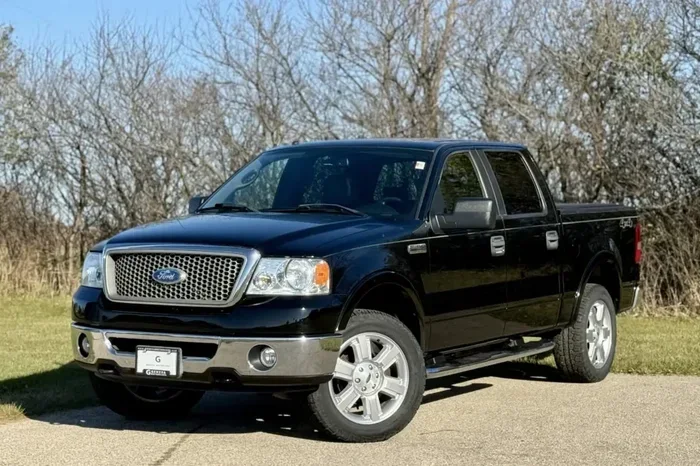
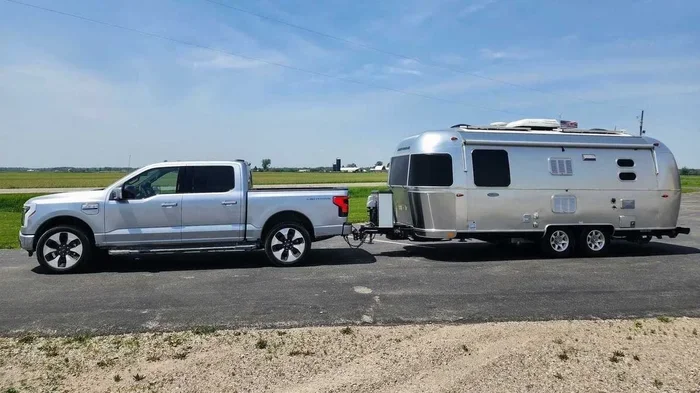
The Ford F-150 is one of the most popular trucks in America, and for good reason — it has strong towing capabilities that make it a great choice for pulling a camper. Depending on the engine and trim, the F-150 can handle towing weights ranging from 5,000 to over 14,000 pounds. This guide covers everything you need to know about towing a camper with your F-150, from choosing the right hitch to staying safe on the road.
The Ford F-150 has been the best-selling truck in the United States for decades. It is tough, reliable, and built to work hard. One of the biggest reasons people buy this truck is its towing power. If you are thinking about buying a camper and want to know if your F-150 can handle the job, you are in the right place.
Can a Ford F-150 pull a camper? The short answer is yes. The long answer depends on a few key factors like engine type, trim level, and the weight of your camper. This guide breaks it all down so you can tow with confidence. We will cover towing capacity, hitch options, safety tips, and common mistakes to avoid.
Whether you own a base model or a fully loaded Raptor, understanding your truck’s limits is essential. Towing a camper opens up a world of adventure. But it also comes with responsibility. Let us walk through everything you need to know.
Key Takeaways
- towing capacity varies by engine: The F-150’s towing range goes from 5,000 to 14,000 pounds depending on the model.
- Choose the right hitch type: Gooseneck and fifth wheel hitches offer more stability for larger campers.
- Safety comes first: Always check tongue weight, use a brake controller, and install towing mirrors.
- Fuel economy drops when towing: Expect lower MPG when hauling a heavy camper.
- Prepare your truck properly: Upgrades like a weight distribution hitch and upgraded suspension make a big difference.
- Know your payload limits: Exceeding payload capacity is dangerous and can damage your truck.
📑 Table of Contents
- Understanding Ford F-150 Towing Capacity
- Types of Campers You Can Pull with an F-150
- Towing Packages and Essential Accessories
- Safety Tips for Towing a Camper with Your F-150
- Costs and Considerations of Truck Ownership for Towing
- Common Towing Mistakes and How to Avoid Them
- Expert Insights and Real-World Towing Advice
- Key Takeaways
Understanding Ford F-150 Towing Capacity
Every Ford F-150 has a maximum towing capacity. This number tells you the heaviest trailer your truck can safely pull. The capacity changes based on several factors. Let us look at what drives those numbers.
Engine Options and Their Towing Power
The F-150 comes with multiple engine choices. Each one delivers different towing performance. Here is a quick look at the main options.
- 3.3L V6: This base engine can tow up to 5,000 pounds. It is perfect for small trailers and lightweight campers.
- 2.7L EcoBoost V6: This turbocharged engine tows up to 7,000 pounds. It offers a good balance of power and fuel efficiency.
- 5.0L V8: With up to 13,500 pounds of towing capacity, this engine handles heavier loads with ease.
- 3.5L EcoBoost V6: The most powerful option. It can tow up to 14,000 pounds in certain configurations.
Always check your specific model year and trim. Ford updates specs from year to year. The towing capacity listed in your owner manual is your go-to reference.
What Affects Towing Capacity
Several things influence how much weight your F-150 can pull. Understanding these factors helps you stay within safe limits.
- Cab size: Larger cabs like SuperCrew add weight, which can reduce towing capacity slightly.
- Bed length: Longer beds add weight but also improve balance when towing.
- Drivetrain: Four-wheel drive models weigh more than two-wheel drive versions.
- Add-ons: Accessories like running boards, tonneau covers, and extended mirrors add weight.
- Powertrain options: Engines, transmissions, and axle ratios all play a role.
Your truck also has a payload capacity. This is the maximum weight your truck can carry in the cab and bed combined. Do not confuse payload with towing capacity. They are two different numbers, and both matter when you are pulling a camper.
Types of Campers You Can Pull with an F-150
Not all campers are the same. The type of camper you choose determines how much towing power you need. Let us explore the most common options.
Travel Trailers
Travel trailers are the most popular type of camper. They range from small teardrop trailers to large fifth-wheel setups. A travel trailer connects to your truck with a standard ball hitch. Most F-150 models can pull travel trailers weighing between 5,000 and 12,000 pounds. Smaller travel trailers like Bambi trailers or pop-up campers are easy to tow and perfect for weekend trips.
Truck Campers
Truck campers mount directly into the F-150 bed. They do not require a separate trailer hitch. These campers are compact and convenient. Because the weight sits directly over the truck, towing weight distribution is excellent. A truck camper also means you can leave the camper behind and still use your truck for daily driving.
Fifth-Wheel Campers
Fifth-wheel campers require a special hitch mounted in the truck bed. They are larger and more stable than travel trailers. The F-150 can pull fifth-wheel campers, but you need the right setup. A fifth-wheel hitch kit and reinforced bed are essential. This setup is popular among full-time RVers because it offers a smoother ride and better maneuverability.
Pop-Up Campers
Pop-up campers are lightweight and easy to tow. They expand once you reach your campsite. These are ideal for people who want simplicity. Almost any F-150 can pull a pop-up camper without breaking a sweat. They are a great entry point for new towers.
Towing Packages and Essential Accessories
The Ford F-150 offers several factory towing packages. These packages include features that make towing safer and easier. Let us look at what is available and what you should add.
Factory Towing Packages
Ford understands that many buyers want towing-ready trucks from day one. That is why they offer built-in towing packages.
- Tow Package (Base): Includes a trailer hitch receiver, wiring harness, and trailer sway control. Available on most trims.
- Heavy-Duty Towing Package: Adds a larger radiator, upgraded alternator, and integrated trailer brake controller. Best for heavier loads.
- Max Tow Package: The most complete towing setup. Includes a 36-gallon fuel tank, auxiliary transmission cooler, and enhanced cooling system.
If you are buying a used F-150, check if it has a towing package already installed. You can also add towing features aftermarket. A mileage check is always a smart step when buying a used truck, especially one that may have been used for towing.
Must-Have Towing Accessories
Beyond factory packages, certain accessories make towing a camper much safer and more enjoyable.
- Weight Distribution Hitch: This spreads the trailer weight evenly across all axles. It prevents the front of your truck from dipping.
- Brake Controller: A trailer brake controller lets you apply the camper’s brakes from your truck. This is essential for heavier loads.
- Towing Mirrors: Extended mirrors give you better visibility behind and beside the camper. Check your local laws — many states require them.
- Sway Control System: Trailer sway can be dangerous. This system helps keep your camper stable in crosswinds.
- Backup Camera: Towing a large camper makes backing up tricky. A quality backup camera is a lifesaver.
Investing in the right accessories pays off in safety and peace of mind. Do not skip these essentials, even if your camper is lightweight.
Safety Tips for Towing a Camper with Your F-150
Towing a camper changes how your truck drives. The extra weight affects braking, turning, and stability. Following safety best practices keeps you and others safe on the road.
Pre-Trip Safety Checks
Before every trip, walk through these checks. It only takes a few minutes but can prevent major problems.
- Check your tire pressure on both the truck and the camper.
- Make sure all lights work — brake lights, turn signals, and running lights.
- Verify that the hitch is securely connected and pins are locked.
- Confirm the tongue weight is within the recommended range.
- Test your brake controller before hitting the highway.
- Inspect all straps, chains, and safety cables.
Driving Tips While Towing
Driving with a camper takes practice. Here are some tips to help you stay safe.
- Leave more following distance: Your stopping distance increases significantly with a heavy load.
- Take turns wider: The trailer has a shorter turning radius than your truck.
- Use lower gears on hills: Downshift when going downhill to reduce brake wear.
- Watch for wind gusts: A large camper catches the wind easily. Slow down in windy conditions.
- Avoid sudden maneuvers: Smooth steering and braking keep the trailer stable.
If you ever feel the camper swaying, do not slam the brakes. Ease off the gas gently and let the sway control system do its job. A deer collision while towing can be even more dangerous than a regular drive, so stay alert and reduce speed in wildlife-heavy areas, especially at dawn and dusk.
Understanding Tongue Weight and Load Distribution
Tongue weight is the downward force the trailer puts on your hitch. It should be about 10 to 15 percent of the total towing weight. Too little tongue weight causes trailer sway. Too much can overload your rear axle. Use a tongue weight scale to check this before every trip. Proper load distribution also means placing heavier items over the axle and lighter items toward the front of the camper.
Costs and Considerations of Truck Ownership for Towing
Owning a truck that pulls a camper comes with additional costs. Being aware of these helps you budget properly and avoid surprises.
Fuel Economy When Towing
Your F-150 gets great gas mileage when empty. But towing a camper changes everything. Fuel economy drops significantly under load. Expect anywhere from 8 to 15 MPG depending on the engine, camper weight, and driving conditions. The 3.5L EcoBoost offers better fuel economy under load compared to the traditional V8, but no truck gets great mileage while towing a heavy load.
Maintenance and Wear
Towing puts extra stress on your truck. Your brakes, transmission, and suspension all work harder. Regular maintenance becomes even more important. Change your oil more frequently if you tow often. Check your brakes, tires, and suspension components on a regular schedule. The cost of maintaining a towing truck is higher than a standard vehicle, but the fun and freedom of camping make it worth it for most owners.
Tax Deductions for Work-Related Towing
If you use your F-150 for work and tow a camper for business purposes, you may be able to deduct certain expenses. Some truck owners wonder about tax deductions related to their vehicle. For instance, you may be able to deduct vehicle sales tax on your federal return depending on your situation. Always consult a tax professional for advice specific to your circumstances.
Insurance and Coverage
Make sure your insurance covers towing. Some policies do not include trailer coverage by default. Contact your provider to confirm you have adequate protection. This is especially important if you have invested in a quality camper.
Common Towing Mistakes and How to Avoid Them
Even experienced towers make mistakes. Knowing the common errors helps you avoid them.
Overloading the Truck
This is the most dangerous mistake. Exceeding your towing capacity or payload limit puts stress on every part of your truck. It can cause brake failure, tire blowouts, and loss of control. Always stay within the manufacturer’s limits. Check the sticker on your driver’s door jamb for exact numbers.
Ignoring Trailer Sway
Trailer sway is a leading cause of towing accidents. Many drivers try to correct sway by braking hard or jerking the steering wheel. Both actions make things worse. The correct response is to ease off the gas and let the truck slow down gradually.
Skipping the Weight Distribution Hitch
Some drivers skip this accessory to save money. But a weight distribution hitch makes a huge difference in stability and ride quality. It prevents the front of your truck from rising and keeps all wheels planted on the road. This is especially important with heavier campers.
Not Practicing Before a Long Trip
Towing a camper for the first time on a cross-country trip is risky. Practice in a safe, empty parking lot first. Learn how your truck handles, how to turn, and how to back up. This preparation builds confidence and reduces the chance of accidents on the road.
Expert Insights and Real-World Towing Advice
We spoke with experienced F-150 towers and RV enthusiasts to gather their best advice. Here is what they want you to know.
Start small. If you are new to towing, begin with a lightweight pop-up camper or small travel trailer. Get comfortable with the feel of towing before moving up to larger rigs.
Invest in a good hitch. The hitch is the most important connection between your truck and camper. A quality hitch from a reputable brand will last for years and keep you safe.
Know your truck’s limits. Every F-150 is different. A 2024 F-150 XLT with the 3.5L EcoBoost will tow differently than a 2012 F-150 XL with the 3.3L V6. Read your owner manual and know your specific truck’s capabilities.
Keep your truck maintained. Regular oil changes, brake inspections, and tire rotations go a long way when towing. A well-maintained truck is a safe truck.
Plan your route. Not all roads are towing-friendly. Avoid steep mountain passes, narrow roads, and areas with low bridges. Plan your route ahead of time and use GPS apps that account for vehicle height and weight.
Stay patient. Towing slows you down. You will not drive as fast, and passing takes longer. Accept this and enjoy the journey rather than rushing to the destination.
Key Takeaways
- The Ford F-150 can pull a camper: Towing capacity ranges from 5,000 to 14,000 pounds depending on the engine and trim.
- Choose the right camper type: Travel trailers, truck campers, fifth-wheels, and pop-ups all work with the F-150 when matched correctly.
- Use the proper hitch and accessories: Weight distribution hitches, brake controllers, and towing mirrors are essential for safe towing.
- Safety checks are non-negotiable: Inspect your setup before every trip and follow safe driving practices on the road.
- Understand your costs: Fuel, maintenance, and insurance all increase when you tow regularly.
- Avoid common mistakes: Overloading, ignoring trailer sway, and skipping practice can lead to dangerous situations.
- Start small and build experience: Gain confidence with lighter loads before attempting heavier towing setups.
Frequently Asked Questions
Can a Ford F-150 pull a 30-foot travel trailer?
Yes, most Ford F-150 models can pull a 30-foot travel trailer, especially those equipped with the 5.0L V8 or 3.5L EcoBoost engine. However, you need to check the specific towing capacity for your trim and configuration. A 30-foot trailer typically weighs between 6,000 and 8,000 pounds, which falls well within the F-150’s towing range.
Do I need a special license to tow a camper with an F-150?
In most states, a standard driver’s license is sufficient for towing a camper with an F-150. However, some states require a special endorsement if your combined vehicle and trailer weight exceeds a certain threshold. Check your state’s Department of Motor Vehicles for specific requirements before hitting the road.
What is the best hitch for towing a camper with an F-150?
The best hitch depends on your camper type and weight. A receiver hitch works well for most travel trailers and pop-up campers. For fifth-wheel campers, you will need a fifth-wheel hitch mounted in the truck bed. A weight distribution hitch is recommended for heavier loads to ensure proper balance and stability.
How does towing affect my F-150’s warranty?
Ford warranties generally cover towing-related issues if the truck was used within its specified towing capacity. Exceeding the maximum towing limit can void certain warranty claims. Always follow Ford’s guidelines for towing and maintenance to keep your warranty intact.
Can I tow a camper with a base model F-150?
Yes, even the base model F-150 can tow a camper. The base 3.3L V6 engine can tow up to 5,000 pounds, which is enough for small to mid-sized travel trailers and pop-up campers. Just make sure you have the proper hitch and towing accessories installed.
Is it legal to tow a camper at highway speeds with an F-150?
Yes, it is legal to tow a camper at highway speeds as long as you stay within your truck’s towing capacity and follow all traffic laws. Most states have speed limits that apply to vehicles towing trailers. Always reduce your speed in adverse weather and give yourself extra stopping distance.
=== CONCLUSION ===
Can a Ford F-150 pull a camper? Absolutely. The F-150 is one of the most capable towing trucks on the market. Whether you are heading to a campsite for the weekend or embarking on a cross-country RV adventure, the F-150 has the power and versatility to get you there safely.
Understanding your truck’s towing capacity, choosing the right camper, and investing in proper accessories are the keys to a successful towing experience. Follow safety guidelines, maintain your truck regularly, and always stay within your limits. With the right setup and a little preparation, your F-150 and your camper will make the perfect team for countless memorable trips ahead.