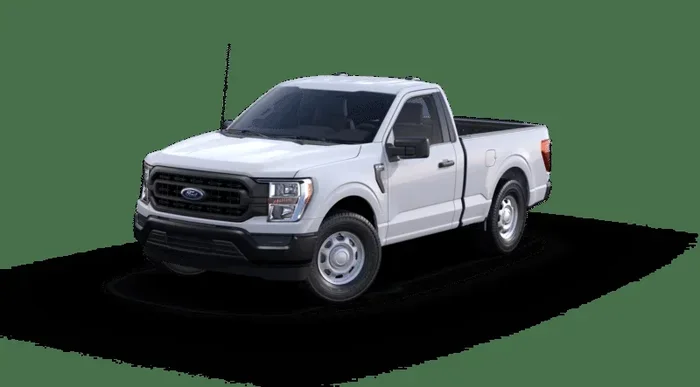
Does Ford F150 Qualify for Section 179 Business Deductions
Yes, the Ford F150 can qualify for Section 179 business deductions if it meets specific IRS requirements like gross vehicle weight rating and business use. This powerful tax strategy allows you to deduct the full purchase price of your F150 in the year you buy it, saving you significant money. Understanding the rules helps you make the most of this valuable tax opportunity.
Owning a Ford F150 for your business can do more than haul cargo. It can also save you real money on taxes. The Section 179 deduction is one of the best tax benefits available for business owners who buy qualifying vehicles. But does Ford F150 qualify for Section 179? The short answer is yes, under the right conditions. Let us walk you through everything you need to know.
Many business owners overlook this deduction. They miss out on thousands of dollars in savings every year. Whether you use your F150 for construction, delivery, or field services, understanding the rules matters. This guide breaks it all down in plain language. No confusing tax jargon. Just clear steps and practical advice you can use right away.
Key Takeaways
- The Ford F150 can qualify for Section 179 deductions when used for business purposes and meets IRS weight and classification rules.
- Gross Vehicle Weight Rating (GVWR) over 6,000 pounds is a key threshold for eligibility.
- You must use the vehicle at least 50% for business to claim the deduction.
- Documentation is essential — keep receipts, mileage logs, and purchase agreements.
- The deduction amount changes yearly, so check current IRS limits before filing.
- Timing your purchase toward the end of a tax year can maximize savings.
- Consult a tax professional to ensure full compliance and optimal savings.
📑 Table of Contents
- What Is Section 179 and How Does It Work?
- Ford F150 Specifications and Section 179 Eligibility
- How the Ford F150 Meets Section 179 Criteria
- Step-by-Step Guide to Claiming the Section 179 Deduction
- Common Mistakes to Avoid with Section 179
- Ford F150 Accessories That Boost Your Deduction
- Expert Insights on Ford F150 and Section 179
- Key Takeaways
- Conclusion
What Is Section 179 and How Does It Work?
Understanding the Basics of Section 179
Section 179 is a tax deduction that lets businesses deduct the full cost of qualifying equipment and vehicles in the year of purchase. Normally, you would depreciate a vehicle over several years. But Section 179 allows you to expense the entire amount upfront. This is a huge benefit for cash flow and tax planning.
The Internal Revenue Service (IRS) sets the rules for what qualifies. Not every vehicle on the road is eligible. The F150, however, often fits the bill because of its truck classification. The key factors include vehicle type, weight, and how you use it. Let us look at each of these in detail.
How Much Can You Deduct Under Section 179?
The IRS sets a maximum deduction limit each year. For the 2024 tax year, the limit is $1,220,000. This means you can deduct up to that amount in qualifying purchases. However, there is also a phase-out threshold. If your total qualifying purchases exceed $3,050,000, the deduction amount starts to decrease.
For most small business owners, these numbers are more than enough. A single Ford F150 purchase typically falls well within the limit. This makes the F150 an excellent candidate for the full Section 179 deduction. Always double-check the current year limits before filing.
Ford F150 Specifications and Section 179 Eligibility
Gross Vehicle Weight Rating (GVWR) Requirements
The IRS looks closely at the Gross Vehicle Weight Rating (GVWR). For a vehicle to qualify under Section 179, it must have a GVWR over 6,000 pounds. The Ford F150 is a full-size pickup truck, and most configurations meet this requirement. Depending on the trim and cab style, the F150 GVWR ranges from around 5,000 to over 7,000 pounds.
Here is the important part. You need to check the specific model year and configuration. The manufacturer’s label on the driver side door jamb lists the GVWR. If your F150 sits below 6,000 pounds, it may not qualify. This is why checking before you buy or claim is so important.
Ford F150 Models That Qualify
Most Ford F150 models can qualify for Section 179. This includes the XL, XLT, Lariat, King Ranch, Platinum, and Limited trims. The key is the vehicle’s weight class and intended business use. Even the base model F150 XL often crosses the 6,000-pound GVWR threshold.
SuperCrew and SuperCab configurations sometimes have different weight ratings than regular cab models. Always verify the exact specs for your specific configuration. If you are unsure, ask your Ford dealer for the official GVWR documentation. Having this paperwork ready makes the tax filing process much smoother.
How the Ford F150 Meets Section 179 Criteria
Business Use Requirements
The IRS requires that you use the vehicle primarily for business purposes. This means more than 50% of its use must be business-related. If you drive your F150 to and from work, run job sites, transport tools, or haul materials, you are on the right track.
Personal use does not disqualify you entirely. But it does reduce the deduction amount. For example, if you use your F150 70% for business and 30% for personal errands, you can only deduct 70% of the vehicle cost. Keeping a detailed mileage log helps you track this accurately. Apps and spreadsheets make this task much easier than you might think.
Vehicle Classification as a Truck
The IRS treats trucks differently than passenger cars. Trucks generally have higher deduction limits and fewer restrictions. The Ford F150 is classified as a pickup truck, which works in your favor. Passenger vehicles like sedans and SUVs face stricter limits under Section 179.
This classification is one of the biggest advantages of owning an F150 for business. You get more flexibility and a larger potential deduction. The truck designation also means fewer IRS red flags during an audit. That alone is worth paying attention to.
Step-by-Step Guide to Claiming the Section 179 Deduction
Documentation You Will Need
Before you file, gather the right documents. The IRS wants proof of your purchase and business use. Here is a simple checklist:
- Vehicle purchase invoice showing the total cost
- Title and registration in your business name
- Mileage log separating business and personal use
- Manufacturer’s GVWR label from the door jamb
- Business use statement explaining how the truck supports your operations
Keeping these documents organized saves time and stress. Many business owners wait until tax season and scramble. Start a file now, and you will thank yourself later. A well-organized record also protects you if the IRS ever questions your deduction.
Timing Your Purchase for Maximum Savings
When you buy your F150 matters. If you purchase it in December, you can claim the deduction for that same tax year. Buying earlier in the year gives you more time to document business use. But even a late-year purchase can work if you have the paperwork in order.
Some business owners time their purchases to align with strong income years. If you expect higher earnings this year, taking the deduction now makes sense. It reduces your taxable income when it matters most. Talk to your accountant about the best timing strategy for your situation.
Common Mistakes to Avoid with Section 179
Avoiding mistakes saves you money and headaches. Here are the most common errors business owners make:
- Assuming all vehicles qualify. Not every vehicle meets the IRS requirements. Always verify GVWR and classification first.
- Ignoring the 50% business use rule. If your business use drops below 50%, you may need to adjust your deduction.
- Forgetting to keep mileage records. Without a log, you cannot prove business use. The IRS may disallow your claim.
- Overlooking the annual deduction limit. The limit changes each year. Using last year’s number can lead to errors.
- Claiming the deduction without professional advice. Tax situations vary. A tax professional can help you avoid costly mistakes.
Each of these mistakes is preventable. A little planning goes a long way. The goal is to claim what you deserve without triggering an audit.
Ford F150 Accessories That Boost Your Deduction
Here is a tip many people miss. Certain accessories and upgrades may also qualify for deduction. If you add a 7-inch touch screen for car navigation system or a 7-inch music system for car to your F150, these can be considered part of your business asset. Custom racks, toolboxes, and towing equipment also count.
Even something as simple as 3M tape for cars used to install accessories can be included in your deduction records. The key is that these items must serve a business purpose. Keep receipts for every accessory you add to your work truck. Over time, these small purchases add up to meaningful deductions.
Think of your F150 as a mobile business toolkit. Every upgrade that helps you do your job better is a potential deduction. This mindset helps you maximize every dollar you spend on your vehicle.
Expert Insights on Ford F150 and Section 179
Tax professionals consistently rank the F150 among the best vehicles for Section 179 deductions. Its truck classification, strong GVWR ratings, and widespread business use make it a natural fit. Many accountants recommend the F150 specifically for small business owners who need a reliable work vehicle with strong tax benefits.
The deduction can also stack with other tax benefits. For example, you may qualify for additional first-year depreciation on top of Section 179. This double benefit can significantly reduce your tax bill. Always explore every available option with your tax advisor.
One expert tip is to time your vehicle purchase with other equipment buys. If you are purchasing tools, computers, or office furniture, combining them under Section 179 can help you hit the deduction threshold more efficiently. This strategy works especially well for businesses making large purchases in a single tax year.
Key Takeaways
- The Ford F150 qualifies for Section 179 when it meets GVWR and business use requirements.
- Keep your GVWR above 6,000 pounds to ensure eligibility.
- Use the vehicle at least 50% for business to claim the full deduction.
- Document everything — receipts, logs, and purchase records are your best friends.
- Timing matters — plan your purchase around your tax year for maximum impact.
- Accessories count too — track every business-related upgrade and add-on.
- Consult a tax professional to tailor the strategy to your specific situation.
Conclusion
So, does Ford F150 qualify for Section 179? Absolutely, yes. The Ford F150 is one of the most popular work trucks in America, and for good reason. It is tough, reliable, and — when used for business — it unlocks powerful tax benefits through Section 179 deductions.
By understanding the GVWR requirements, keeping solid records, and using the vehicle primarily for business, you can deduct the full purchase price in the year you buy it. Add in the right accessories and smart timing, and your savings can be significant. The key is preparation and attention to detail.
Do not leave money on the table. Take advantage of the Section 179 deduction for your Ford F150. Start organizing your documents today, talk to your tax advisor, and make this tax season your most profitable one yet. Your F150 is doing work for you — make sure the IRS gives you the credit you deserve.
Frequently Asked Questions
Can I claim Section 179 if I use my Ford F150 partly for personal use?
Yes, you can still claim the deduction. However, you must reduce the deduction amount by the percentage of personal use. If you use your F150 70% for business and 30% for personal reasons, you can only deduct 70% of the vehicle cost. Keeping a detailed mileage log is essential to support your claim.
What is the GVWR requirement for Section 179 eligibility?
The IRS requires the vehicle to have a Gross Vehicle Weight Rating (GVWR) over 6,000 pounds. Most Ford F150 configurations meet this threshold, but you should verify the exact GVWR for your specific model year and trim. The label on the driver side door jamb provides this information.
Does the Ford F150 count as a truck or a passenger vehicle for tax purposes?
The Ford F150 is classified as a pickup truck by the IRS. This classification is favorable because trucks have higher deduction limits and fewer restrictions compared to passenger vehicles. This is one of the main reasons the F150 is such a strong candidate for Section 179 deductions.
What happens if I claim Section 179 and later use the F150 less than 50% for business?
If your business use drops below 50%, you may need to recapture part of the deduction. This means you would owe taxes on the amount you previously deducted. To avoid this, track your usage carefully and adjust your records if your use changes significantly.
Can I combine Section 179 with other depreciation methods?
Yes, you can. Section 179 can be combined with bonus depreciation and regular depreciation. However, you cannot deduct more than your taxable business income. Your tax advisor can help you determine the best combination of methods for your specific situation.
How do I report Section 179 on my tax return?
You report Section 179 deductions on IRS Form 4562. This form is part of your annual tax return. Make sure to attach supporting documentation including your purchase invoice, GVWR verification, and business use records. Many tax preparation software programs guide you through this process step by step.