How Many Catalytic Converters Are in a Dodge Charger
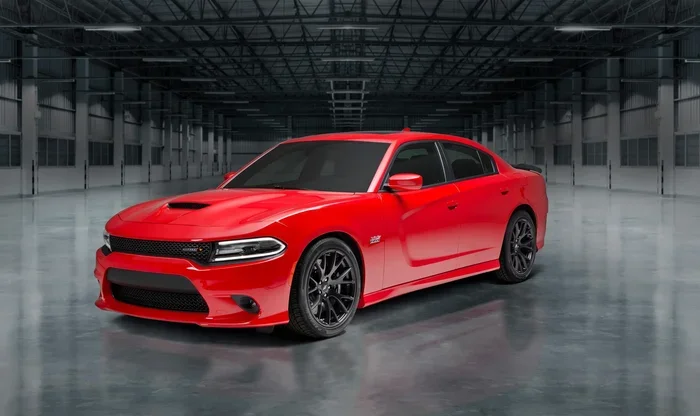
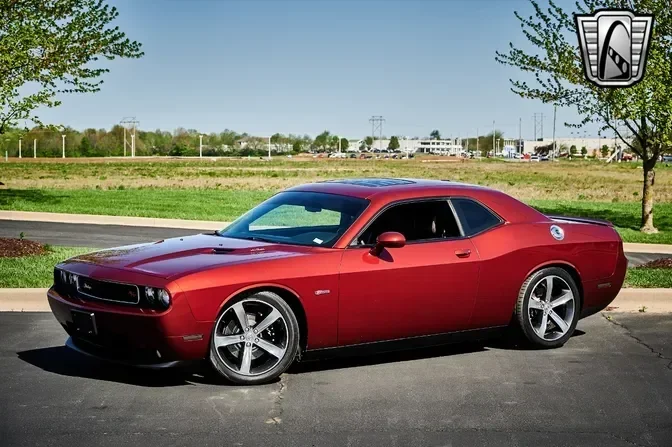
The Dodge Charger can have one or two catalytic converters depending on the engine. V6 models typically use a single converter, while V8 and Hellcat variants often feature a dual setup. Knowing the exact count helps with emissions checks, performance tuning, and replacement planning.
Key Takeaways
- V6 Chargers have one catalytic converter: The base 3.6L Pentastar V6 uses a single unit in the exhaust manifold.
- V8 and Hellcat models often have two: The 5.7L, 6.4L, and supercharged 6.2L HEMI engines usually run a dual exhaust with two converters.
- Location matters for repairs: The converter sits close to the engine on V6 models and under the car on V8 setups.
- Replacement costs range widely: Expect $500 to $2,500 depending on the model and whether you choose OEM or aftermarket parts.
- Watch for early warning signs: A rattling noise, reduced fuel economy, or a glowing check engine light can point to a failing converter.
- Regular maintenance helps: Using quality fuel and avoiding short trips extends the life of your catalytic converter.
📑 Table of Contents
Understanding the Catalytic Converter’s Role
What Does a Catalytic Converter Do?
A catalytic converter is a vital part of your car’s exhaust system. It sits between the engine and the muffler. Its main job is to clean up the harmful gases produced during combustion. Inside, a honeycomb structure coated with precious metals like platinum and palladium triggers chemical reactions. These reactions convert carbon monoxide, nitrogen oxides, and hydrocarbons into less harmful carbon dioxide, nitrogen, and water vapor. Without a working converter, your Charger would release toxic fumes and fail emissions tests.
Why It Matters for Your Dodge Charger
The Dodge Charger is a powerful muscle car. Whether you drive the base V6 or the roaring HEMI V8, the engine produces a lot of exhaust. The catalytic converter keeps those emissions in check. It also plays a role in engine performance. A clogged or damaged converter can rob your car of power. It can cause rough idling or poor acceleration. For owners who care about both clean driving and peak performance, understanding this part is essential.
How Many Catalytic Converters Are in a Dodge Charger?
The number of catalytic converters in a Dodge Charger depends on the engine and model year. Most modern Chargers follow a simple rule. V6 engines use one converter, while V8 and high-performance Hellcat engines often use two. This difference comes down to the exhaust layout. A V6 typically has a single exhaust pipe. A V8 usually splits into a dual exhaust system, which requires two converters to treat the gases from each bank of cylinders. Below is a quick comparison of the common Charger engines.
| Engine Type | Number of Catalytic Converters | Exhaust Setup |
|---|---|---|
| 3.6L Pentastar V6 | 1 | Single exhaust |
| 5.7L HEMI V8 | 1 or 2 (varies by year) | Single or dual exhaust |
| 6.4L HEMI V8 | 2 | Dual exhaust |
| 6.2L Supercharged HEMI Hellcat | 2 | Dual exhaust |
| 6.2L Supercharged Hellcat Redeye | 2 | Dual exhaust |
Always check your specific model year. Some older V8 Chargers used a single converter even with a dual exhaust. Newer models from 2015 onward mostly stick to the dual setup for the bigger HEMI engines. If you are unsure, a quick look under the car will reveal the exhaust pipes. Two pipes usually mean two converters.
V6 Engine Models
The 3.6L Pentastar V6 is the most common Charger engine. It powers the base GT and R/T Scat Pack models. This engine uses a single catalytic converter. The converter is built into the exhaust manifold. This design is simple and easy to service. It also keeps the undercarriage lighter. For daily driving, the single converter works perfectly fine. It handles the exhaust flow from the V6 without any issues. If you own a V6 Charger, you only need to monitor one converter for wear and tear.
V8 Engine Models
The 5.7L HEMI V8 was used in many Chargers from 2006 to 2023. Early models often had a single catalytic converter. Later models, especially those with the active exhaust, used two. The 6.4L HEMI V8 always came with a dual exhaust system. That means two catalytic converters. The 6.2L supercharged HEMI found in the Hellcat and Redeye also uses two converters. These high-performance engines produce massive exhaust volumes. Two converters help manage the flow and keep emissions clean. They also prevent the backpressure from becoming too high, which can hurt engine power.
Hellcat and High-Performance Variants
The Hellcat and Redeye are the ultimate Dodge Chargers. They have the most complex exhaust systems. The supercharged 6.2L HEMI engine needs two catalytic converters. The Hellcat also features an active exhaust system with valves. These valves open at high RPMs for a more aggressive sound. The converters in these models are designed to handle extreme heat. They are larger and more robust than the ones in the V6. If you own a Hellcat, keeping both converters in good shape is critical for performance and passing inspections.
Location and Design of the Catalytic Converter
Where Is It Located in a Charger?
The location of the catalytic converter varies by engine type. On the V6 Charger, the converter sits right at the top of the engine. It is part of the exhaust manifold. This makes it easy to access for replacement. On V8 models, the converter is located underneath the car. It is mounted on the exhaust pipe shortly after the manifold. In dual exhaust setups, you will find one converter on each side of the undercarriage. The exact position can also depend on the model year. Newer Chargers often place the converter closer to the engine to warm it up faster. This helps reduce emissions during cold starts.
Single vs. Dual Exhaust Systems
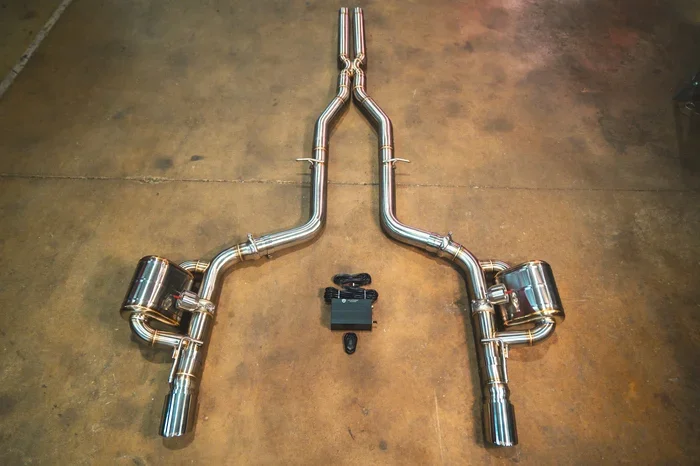
A single exhaust system uses one pipe and one converter. This is typical for the V6 Charger. A dual exhaust system uses two pipes and two converters. This setup is common on V8 and Hellcat models. Dual exhausts allow the engine to breathe better. They reduce backpressure and improve exhaust flow. The result is often a small boost in horsepower and a deeper exhaust note. However, dual systems also mean more parts to maintain. You have to watch both converters for damage or clogging. If one fails, it can affect the other over time.
Signs Your Catalytic Converter Is Failing
Common Symptoms to Watch For
A failing catalytic converter gives clear warning signs. The most common symptom is a rattling noise from under the car. This sound comes from the broken honeycomb structure inside the converter. Another sign is a sharp drop in fuel economy. If your Charger suddenly uses more petrol, the converter might be clogged. A clogged converter restricts exhaust flow. The engine has to work harder, which burns more fuel. You may also notice a rotten egg smell. This comes from sulfur in the fuel that the converter cannot process. A glowing check engine light is another big clue. The oxygen sensor detects incorrect exhaust levels and triggers the light. Finally, your car may fail an emissions test. This is the most obvious sign that the converter is not doing its job.
When to Get a Diagnostic Check
Do not ignore these symptoms. A quick diagnostic check can save you a lot of money. Most auto parts stores will read the error codes for free. Common codes related to a bad converter include P0420 and P0430. These codes mean the converter efficiency is below the threshold. If you see these codes, get the converter inspected right away. Driving with a bad converter can damage the oxygen sensor. It can also cause the engine to run lean or rich. In extreme cases, a completely clogged converter can stall the engine. Early detection keeps your Charger running smoothly and prevents costly repairs.
Replacement Cost and Maintenance Tips
Average Replacement Cost
The cost to replace a catalytic converter in a Dodge Charger varies a lot. For a V6 model, a single converter can cost between $500 and $1,200 for parts and labor. V8 and Hellcat models with two converters will cost more. The parts alone can range from $800 to $2,500 per converter. OEM converters are more expensive but they fit perfectly and last longer. Aftermarket converters are cheaper but they may not have the same durability. Labor costs depend on your location and the mechanic’s hourly rate. The V6 converter is easy to replace, so labor is lower. The V8 converter under the car takes more time, which raises the bill. Always ask for a detailed estimate before approving the repair.
How to Extend the Life of Your Converter
Proper care can double the lifespan of your catalytic converter. Most converters last between 70,000 and 100,000 miles. With good habits, some last even longer. Here are a few simple steps to keep it healthy. First, always use the recommended fuel grade. Premium fuel is not always necessary, but top-tier petrol helps. It contains fewer contaminants that can clog the converter. Second, avoid short trips whenever possible. The converter needs to reach a high temperature to clean the exhaust. Short trips never let it get hot enough. Third, fix engine misfires quickly. Unburned fuel can flood the converter and melt the internal honeycomb. Fourth, keep the oxygen sensors in good shape. A faulty sensor can send the wrong air-fuel mixture to the engine. This stresses the converter. Finally, if you ever notice a rattling noise, get it checked early. A small crack can turn into a full failure.
Fuel efficiency is a great way to track the health of your exhaust. If you want to know how far a car can run on a single litre of fuel, you can read our guide on 1 litre petrol how many km in car. This can help you spot sudden drops in economy that might point to a clogged converter.
Quick Tips for Keeping the Exhaust System Healthy
- Use top-tier fuel whenever possible.
- Avoid prolonged idling, which creates excess carbon buildup.
- Get regular oil changes to prevent contaminants from entering the exhaust.
- Inspect the exhaust pipes for rust or holes during car washes.
- Listen for any new rattles or hissing sounds under the car.
Common Mistakes to Avoid
Many owners make mistakes that shorten the life of the catalytic converter. One common error is ignoring the check engine light. A small sensor issue can turn into a converter problem if left unchecked. Another mistake is using cheap, low-quality fuel. It contains more sulfur and lead residues that poison the converter. Some owners also neglect engine misfires. A misfiring cylinder sends raw fuel into the exhaust. This can melt the converter’s internals. Finally, do not skip scheduled maintenance. Regular inspections catch small exhaust leaks before they become big problems. Staying on top of these simple tasks saves you from a costly replacement.
Expert Insights
Experienced mechanics agree that prevention is the best approach. A well-maintained engine keeps the catalytic converter healthy. The air-fuel mixture must be balanced. Too rich or too lean conditions both cause damage. On Hellcat models, the active exhaust valves can sometimes get stuck. This puts extra stress on the converters. Mechanics recommend checking the valve operation during every major service. They also suggest using high-quality catalytic converter cleaners if you notice a slight drop in performance. These cleaners can break up light carbon deposits and restore flow. However, they are not a cure for a badly damaged converter. If the honeycomb is broken, replacement is the only fix.
Another important tip is to watch for any fluid leaks near the converter. Coolant or oil leaks can coat the converter and cause it to overheat. This is a common issue on older Chargers with high mileage. Addressing leaks quickly protects the converter and the rest of the engine. Finally, remember that a new converter needs a break-in period. Avoid heavy acceleration for the first 100 miles after replacement. This allows the converter to heat up properly and seal correctly.
Conclusion
Knowing how many catalytic converters are in a Dodge Charger is simple once you understand the engine layout. V6 models use one converter, while V8 and Hellcat engines typically use two. Each converter plays a big role in keeping your car clean, efficient, and powerful. Regular maintenance and quick attention to warning signs can save you thousands of dollars. A healthy converter means a healthy Charger. Keep an eye on fuel economy, listen for unusual noises, and never ignore the check engine light. With the right care, your Dodge Charger’s exhaust system will keep you driving strong for many miles to come.
Frequently Asked Questions
Can a Dodge Charger run without a catalytic converter?
Technically yes, but it is a bad idea. Removing the converter will trigger the check engine light and cause the engine to run poorly. It also releases harmful pollutants into the air. Most states will fail your car in an emissions test without a converter. You could face heavy fines as well.
How often should a Dodge Charger catalytic converter be replaced?
There is no set replacement schedule. A healthy converter can last 70,000 to 100,000 miles. However, engine problems like misfires or oil leaks can cause early failure. Regular maintenance is the best way to avoid premature replacement.
Is it safe to drive with a bad catalytic converter?
Driving a short distance is usually okay, but you should not ignore it. A bad converter can cause the engine to overheat or lose power. In extreme cases, it can lead to a breakdown. If you notice symptoms, get the car inspected right away.
What is the difference between a single and dual catalytic converter setup?
A single setup uses one converter for the entire exhaust stream. A dual setup uses two converters, one for each exhaust bank. V6 Chargers use a single setup, while most V8 and Hellcat models use dual. Dual setups handle higher exhaust volumes and reduce backpressure better.
Are aftermarket catalytic converters as good as OEM ones?
Aftermarket converters can work well, but quality varies. OEM parts are designed specifically for your Charger and meet strict emissions standards. High-quality aftermarket units can be a cost-effective alternative, but cheap ones may fail quickly. Always choose a reputable brand.
Does removing the catalytic converter improve performance?
Some owners report a slight increase in horsepower after removal. However, the gains are minimal on modern cars. The risks far outweigh the benefits. You will fail emissions tests, trigger warning lights, and damage the engine over time. It is not a recommended modification.