How Do I Change My System Clock And Set The Correct Time
Changing your car’s system clock is simple once you know where to look. This guide walks you through adjusting the time on any car, from digital dashboards to infotainment screens. You will also learn why keeping the correct time matters and how to fix common clock problems.
Have you ever looked at your car dashboard and realized the clock is showing the wrong time? It happens to everyone. Maybe you just got a new battery, or perhaps the clock simply lost track of time over the months. Whatever the reason, learning how do I change my system clock is a skill every car owner should have.
The good news is that changing your car clock is usually very easy. Most vehicles let you adjust the time in just a few simple steps. Whether you drive a sedan, SUV, or truck, this guide will help you get the correct time on your display quickly. We will cover every method, from basic dial controls to modern touchscreen systems.
Keeping the right time in your car is more important than you might think. Your clock controls things like trip logs, maintenance reminders, and even navigation time estimates. A wrong clock can throw off your whole schedule. Let us walk through everything you need to know about adjusting your car clock and keeping it accurate.
Key Takeaways
- Know Your Car’s Clock Type: Different cars use different systems, so finding the right settings matters.
- Quick Access Matters: Most cars let you change the clock in under two minutes through the dashboard or infotainment screen.
- Battery Changes Reset Clocks: Replacing your car battery often resets the system clock, so you will need to re-set it.
- Daylight Saving Time Is Easy: Most modern cars have an auto DST feature you can turn on.
- 24-Hour Format Option: You can switch between 12-hour and 24-hour clock formats in your settings.
- Infotainment Systems Offer More Control: Systems like the 7 inch music system for car give you extra time-setting options.
📑 Table of Contents
- Why Your Car Clock Matters More Than You Think
- How to Change Your System Clock in Different Car Types
- Step-by-Step Guide to Changing Your Car Clock
- Common Clock Problems and How to Fix Them
- Tips for Keeping Your Car Clock Accurate
- How Your Car Clock Compares to Other Time Devices
- Expert Tips for Setting the Perfect Car Clock
- Frequently Asked Questions About Car Clocks
- Final Thoughts on Changing Your System Clock
Why Your Car Clock Matters More Than You Think
People often ignore their car clock until it is clearly wrong. But your vehicle clock plays a bigger role than just telling you the hour. It connects to many systems that keep your car running smoothly and your trips organized.
Clock Settings and Trip Tracking
Your car clock ties directly into your trip meter and maintenance logs. When the time is off, your service records become less useful. For example, if you track oil changes by date, a wrong clock means you might miss your next service window. This is why setting the correct time should be part of your regular car care routine.
Navigation and Time-Based Features
Modern cars with GPS navigation rely on accurate time data. Your system uses the clock to calculate arrival times and suggest the best routes. A clock that is off by even 30 minutes can mess up your ETA predictions. If you have a car infotainment system, the clock also controls things like scheduled audio fades and morning radio presets.
Daylight Saving Time and Auto Sync
Many newer vehicles have automatic daylight saving time features. Your car clock can adjust itself if you enable this setting. However, older models need manual updates twice a year. Knowing how to change your system clock means you will never be caught off guard by the time shift again.
How to Change Your System Clock in Different Car Types
Every car handles clock settings a little differently. The method you use depends on your vehicle’s age, model, and technology level. Let us break down the most common types you will encounter.
Older Cars with Button Controls
If you drive a car from the 1990s or 2000s, your clock likely has physical buttons. These are usually located on the dashboard or near the radio. Look for a button labeled “Clock,” “Time,” or a small clock icon. Press it, and you should see the hours start blinking. Use the tune or seek buttons to change the number. Then press the same button again to move to the minutes. This method works on most basic dashboard clocks.
Some older vehicles use a knob instead of buttons. Turn the knob to highlight the digits you want to change, then push it to enter edit mode. Rotate to adjust the value and push again to save. It takes a little practice, but once you get the hang of it, you will be able to adjust your car clock in under a minute.
Modern Cars with Digital Displays
Newer cars often have digital displays built into the dashboard or instrument cluster. These screens make clock changes much easier. You typically access the settings through a menu button on the steering wheel or a touchscreen panel. Look for a “Settings” or “Setup” option, then find the “Clock” or “Time” section.
From there, you can use arrow keys or a touch interface to set the hours and minutes. Many digital displays also let you choose between 12-hour and 24-hour format. This is helpful if you prefer the military-style time display. Simply toggle the format option in the same menu where you set the time.
Infotainment and Touchscreen Systems
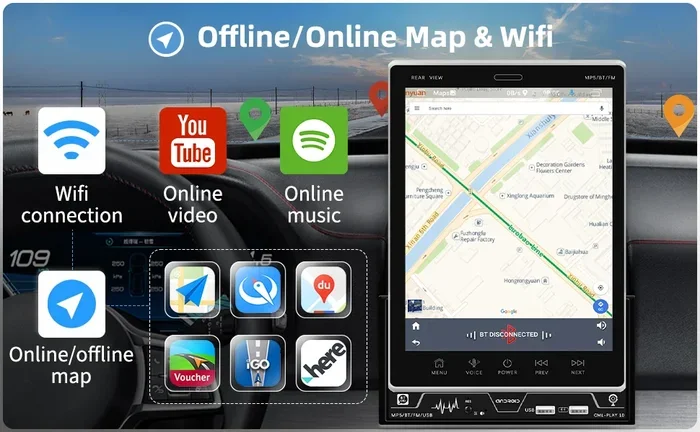
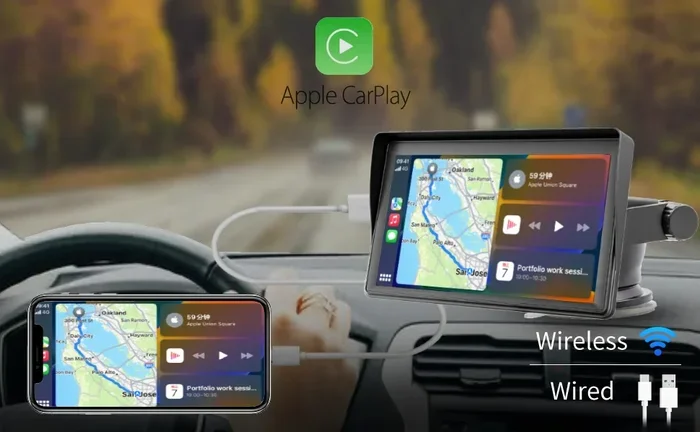
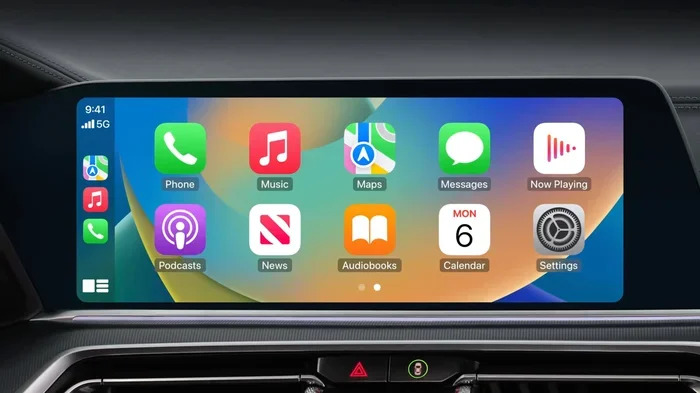
Cars with advanced infotainment systems offer the most flexibility for clock settings. These systems, like the 7 inch music system for car, combine audio controls with full clock management. You can access time settings through the main home screen or a dedicated settings app.
Touchscreen systems often let you set the time zone manually or automatically. You can also enable automatic clock updates that sync with your phone or GPS signal. This means your car clock stays accurate without any effort from you. If your vehicle has this feature, make sure it is turned on to save time and avoid errors.
Step-by-Step Guide to Changing Your Car Clock
Now let us get into the practical steps. Here is a simple walkthrough that works for most vehicles. Follow along and you will have the correct time on your display in no time.
Step 1: Turn On the Ignition
You do not need to start the engine in most cases. Just turn the key to the “On” position or press the start button without pressing the brake pedal. This powers up the dashboard and any digital displays. The clock screen should become visible on your instrument cluster.
Step 2: Find the Clock or Settings Menu
Look for a “Clock,” “Time,” or “Settings” button on your dashboard or steering wheel controls. In touchscreen cars, tap the settings icon and scroll to find the time option. Some vehicles keep the clock accessible from the radio screen. Press the “Menu” button on your stereo if you do not see a dedicated clock button.
Step 3: Enter Edit Mode
Once you find the clock settings, press the button to enter edit mode. The hours digit should start blinking or highlighting. On some systems, you may need to hold a button for two seconds to activate editing. If nothing happens, try pressing and holding the “Set” or “Adjust” button.
Step 4: Adjust the Hours
Use the appropriate controls to change the hour. This might be arrow buttons, a tuning knob, or a touchscreen slider. Move through the numbers until the hour matches your current time. Be careful about AM and PM on 12-hour displays. Double-check that you have selected the right half of the day.
Step 5: Adjust the Minutes
After setting the hours, move to the minutes. The system will usually auto-advance to the minutes section once you confirm the hours. If it does not, press the clock button again to move to the next digit. Adjust the minutes to match your current time as closely as possible.
Step 6: Save and Exit
Press the “Set” or “Save” button to lock in your new time. The blinking should stop, and the clock will display your updated setting. If your car has a confirmation beep or on-screen message, that means the save was successful. Turn the ignition off and back on to verify the clock is still showing the right time.
Common Clock Problems and How to Fix Them
Sometimes changing the clock is not enough. Certain issues can keep your car clock from working properly or cause it to reset unexpectedly. Here are the most common problems and their solutions.
Clock Resets After Battery Replacement
This is the number one reason car clocks lose their settings. When you replace or disconnect your car battery, the clock loses power and returns to a default time. The fix is simple: just follow the steps above to re-set the clock. To avoid this in the future, consider using a memory saver device when working on your battery.
Clock Won’t Change or Buttons Do Not Respond
If your clock buttons are unresponsive, the first thing to check is whether the car is in the right mode. Some vehicles lock the clock controls when the ignition is in “Accessory” mode. Try starting the engine fully and then attempt the change again. If the buttons still do not work, the control module may need a reset. Consult your owner’s manual for the reset procedure specific to your model.
Wrong Time Zone or Auto-Update Issues
Cars with automatic time sync can sometimes pull the wrong time zone. This usually happens if you recently moved or traveled across state lines. Go into your clock settings and check the time zone option. Select your current location manually if the auto-detect feature is not working. This simple fix resolves most time zone-related clock errors.
Clock Display Is Dim or Not Visible
A clock that you cannot see is almost as bad as a wrong clock. This issue is often caused by display brightness settings rather than a clock problem. Go into your display settings and increase the brightness. If the clock still does not appear, check your vehicle’s display settings to see if the clock has been turned off accidentally.
Tips for Keeping Your Car Clock Accurate
Once you have your clock set correctly, you want to keep it that way. Here are some practical tips to maintain accuracy over time.
- Check your clock monthly: Compare it with your phone or a wall clock. If it drifts by more than a minute or two, re-set it.
- Enable auto DST if available: This saves you the hassle of changing the clock twice a year for daylight saving time.
- Note your time zone setting: After traveling, always verify that your car clock matches your current location.
- Keep your battery healthy: A weak battery can cause clock resets. Test your battery annually and replace it before it fails completely.
- Update your infotainment system: Software updates often include clock synchronization improvements. Check for updates through your manufacturer’s app or website.
How Your Car Clock Compares to Other Time Devices
Your car clock works differently from the clock on your phone or wall. Understanding these differences helps you troubleshoot better. Here is a quick comparison of how various devices handle time.
| Device | Time Source | Auto-Update? | Manual Change Needed? |
|---|---|---|---|
| Car Dashboard Clock | Internal quartz or GPS | Sometimes | Yes, often after battery change |
| Smartphone Clock | Network time servers | Yes | Rarely |
| Wall Clock | Internal battery | No | Yes, when battery dies |
| Smartwatch Clock | Phone sync or network | Yes | Rarely |
As you can see, car clocks need more attention than phone clocks. The system clock in your car relies on its own internal mechanism, which can drift over time. This is why regular checks and manual adjustments are part of good car ownership.
Expert Tips for Setting the Perfect Car Clock
Here are some insider tips from experienced car owners and mechanics that will make your clock-setting process smoother.
Use your phone as a reference. Before you adjust your car clock, check the exact time on your phone. Your phone gets its time from network servers, so it is almost always accurate. This gives you a reliable reference point.
Set the clock in daylight. It is easier to read your dashboard display in natural light. Try setting your clock during the day when you can clearly see the digits. This helps you avoid setting the wrong time by accident.
Write down your steps. If your car has a complex infotainment system, jot down the menu path you follow. Next time you need to change the clock, you can follow your notes instead of hunting through menus again.
Check your fuel economy display too. While you are in the settings menu, take a moment to review your fuel tracking. Some cars display fuel efficiency metrics like 1 litre petrol how many km or 1 liter petrol how many km in their trip computers. Keeping all your displays accurate gives you a clearer picture of your car’s performance.
Frequently Asked Questions About Car Clocks
Still have questions? Here are answers to some of the most common concerns car owners have about their vehicle clocks.
How do I change my system clock if the buttons are not working?
Try turning the ignition fully on or starting the engine first. Some cars disable clock controls in accessory mode. If the buttons still do not respond, check your owner’s manual for a reset procedure. You may also need to inspect the fuse box for a blown fuse related to the dashboard display.
Why does my car clock keep resetting after I turn off the engine?
This usually means there is a power supply issue. A weak battery or a failing alternator can cause intermittent power loss that resets your clock. Have your battery and charging system tested at a repair shop. Replacing a failing battery often solves this problem completely.
Can I set my car clock to 24-hour format?
Yes, most modern cars support both 12-hour and 24-hour formats. Look for a “Format” or “Display” option in your clock settings menu. Toggle it to switch between the two styles. This is especially helpful if you prefer the military time display for clarity.
Does changing my car clock affect anything else?
Your car clock is connected to trip logs, maintenance reminders, and some navigation features. Changing the time does not affect your radio presets or audio settings. However, if your clock is linked to a GPS system, an incorrect time might slightly affect arrival time calculations.
How often should I check my car clock for accuracy?
You should check your car clock at least once a month. A quick comparison with your phone is all it takes. After any battery replacement or electrical work, always re-verify the clock setting. This simple habit keeps all your time-based features working correctly.
What should I do if my car clock is stuck on the wrong time?
First, try resetting the clock using the manual steps we covered above. If that does not work, disconnect the car battery for 15 minutes and reconnect it. This resets the electrical system and often fixes persistent clock issues. If the problem continues, a visit to a qualified mechanic may be needed to check the dashboard control module.
Final Thoughts on Changing Your System Clock
Changing your system clock and setting the correct time is one of those small car maintenance tasks that makes a big difference. It takes just a few minutes and can improve your trip planning, maintenance tracking, and overall driving experience. Whether you have a simple dashboard clock or a advanced touchscreen infotainment system, the process is straightforward once you know where to look.
Remember to check your clock regularly, especially after a battery change or a long trip across time zones. Keep your time zone settings correct and enable auto daylight saving time if your car supports it. These small habits will save you from the frustration of a wrong clock and keep your vehicle running at its best.
Now that you know exactly how do I change my system clock, you can tackle it anytime without guessing. Take a moment today to check your car clock and make sure it is showing the right time. Your future self will thank you when you are never late for an appointment again.