Do Cars Still Come With Built In Navigation Systems
Do cars still come with built-in navigation systems? Yes, many new vehicles still offer factory GPS, but it’s often optional. Modern infotainment systems integrate smartphone apps like Apple CarPlay, making built-in navigation just one choice. If you want dedicated GPS, you may need to pay for an upgrade package. This guide covers what to expect, which brands still include it, and whether it’s worth the extra cost.
When you walk onto a car lot today, you might assume every new vehicle comes with a full built-in navigation system. That was once the norm. A decade ago, a factory GPS unit felt like a premium perk. Now, the landscape has shifted dramatically. Many automakers have removed dedicated navigation from their standard features. Instead, they rely on smartphone integration to fill the gap.
If you are shopping for a new car, this change can be confusing. You want to know if your next vehicle will guide you from door to door without needing your phone. The short answer is that some cars still include it, but the rules have changed. Let us walk through the current state of factory navigation, what you get, and how to decide if it is worth paying extra for.
Key Takeaways
- Built-in navigation is no longer standard on most new cars. Many manufacturers now treat it as an optional feature or reserve it for higher trims.
- Smartphone integration has reduced the need for factory GPS. Apple CarPlay and Android Auto offer familiar interfaces and up-to-date maps.
- Factory systems still offer advantages like integrated displays and no phone dependency. They often provide better voice control and smoother operation.
- Some brands continue to include navigation as standard, especially in luxury and family vehicles. Check specific models and trim levels.
- Built-in navigation can add significant cost. Weigh the benefits against using your phone or an aftermarket device.
- Map updates and subscriptions vary by manufacturer. Some offer free updates for a few years, while others charge annually.
📑 Table of Contents
Do Cars Still Come With Built In Navigation Systems?
The simple truth is that fewer cars come with a standalone navigation system as standard equipment today. Most manufacturers now treat built-in GPS as an optional upgrade. You will often find it bundled in a technology package or reserved for higher trim levels. This shift mirrors the rise of smartphone mapping apps like Google Maps and Waze. Car makers realized that drivers already carry a powerful navigator in their pocket.
That does not mean factory navigation is dead. Luxury brands and some mainstream automakers still offer it. If you are looking at a 4 cylinder petrol car in India, for example, you may notice that navigation appears only in the top-end variants. The same pattern holds for many 2000cc cars in India and larger SUVs. The system is still there, but you usually have to pay to unlock it.
Factory Navigation vs. Smartphone Integration
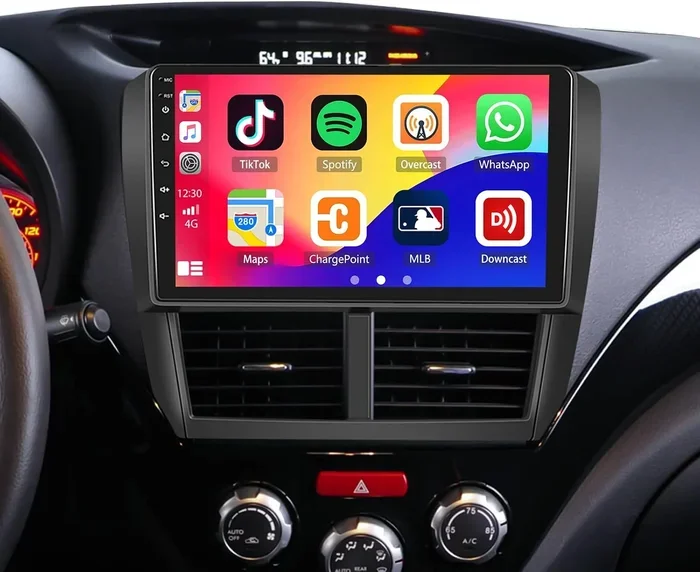
Modern cars often feature a large touchscreen that supports both built-in apps and phone mirroring. Apple CarPlay and Android Auto have become the go-to solution for many drivers. These systems let you use your phone’s navigation app on the car’s screen. You get live traffic data, restaurant reviews, and familiar interfaces. The car’s own infotainment system handles audio, climate, and vehicle settings, while your phone handles the map.
This hybrid approach works well for most people. You get the convenience of a big screen without paying extra for a dedicated car GPS. However, there are trade-offs. Your phone must be compatible, and you need a reliable data connection for real-time updates. A factory system, on the other hand, often works without a phone. It uses its own built-in modem or preloaded maps. This can be a big advantage in areas with poor cell service.
Why the Shift Happened
Several factors drove this change. First, smartphone adoption skyrocketed. Almost everyone carries a phone with a data plan. Why pay extra for a navigation unit when your phone already does the job? Second, car makers wanted to reduce costs. Building a factory navigation system with updated maps and a dedicated computer adds expense. Removing it as standard lets them offer lower base prices. Third, software updates on phones happen constantly. Keeping a car’s built-in maps current used to be a headache. Now, drivers expect the same instant updates they get on their phones.
Another reason is the rise of the infotainment screen. Today’s car displays are huge and touch-responsive. They can run apps just like a tablet. This made it easier for manufacturers to rely on phone projection instead of building a full integrated navigation system from scratch. The result is that a navigation unit is now a premium add-on, not a baseline feature.
What Features Do Modern Built-In Systems Offer?
If a car does include a built-in navigation system, what exactly do you get? The features have improved a lot over the years. Today’s factory units are far more capable than the clunky devices of the past. Here is a look at what modern car GPS systems typically offer.
Real-Time Traffic and Map Updates
Most factory navigation systems now provide live traffic updates. They use a cellular connection to pull data about congestion, accidents, and road closures. This means your route can adjust automatically, just like a phone app. Many systems also offer over-the-air map updates. You no longer need to visit a dealer or insert a DVD. The car downloads the latest street maps and points of interest directly.
Some brands, however, still charge for these updates after the first few years. If you buy a used car, check whether the map subscription is active. A system with outdated maps can be worse than using your phone. Look for brands that offer free updates for the life of the vehicle or at least for the first three to five years.
Voice Control and Hands-Free Operation
A good built-in navigation system should let you keep your eyes on the road. Modern units support advanced voice commands. You can say “Navigate to the nearest gas station” or “Avoid highways.” The system understands natural language and responds without needing you to touch the screen. This hands-free operation is a major safety benefit. It is often smoother than trying to control a phone mount while driving.
Many factory systems also integrate with the car’s steering wheel controls. You can scroll through routes, adjust volume, and accept directions without taking your hands off the wheel. This level of integration is hard to match with a phone sitting in a cradle.
Screen Size and Display Quality
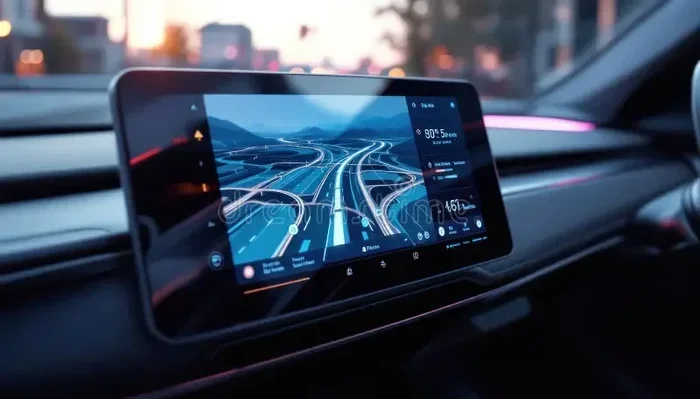
Factory navigation units benefit from the car’s design. The screen is often large, bright, and positioned at the perfect viewing angle. Some luxury vehicles offer head-up displays that project navigation arrows directly onto the windshield. You never need to look away from the road. Even mid-range cars now feature high-resolution touchscreens that make maps clear and easy to read.
Compare this to a phone on a dashboard mount. The view can be glare-prone, and the screen size is limited. A built-in system feels more permanent and polished. It becomes part of the car’s interior rather than an add-on gadget.
Pros and Cons of Factory Navigation Systems
Like any feature, factory car navigation comes with both benefits and downsides. Understanding them helps you decide if it is the right choice for you.
Advantages of Having a Built-In System
- No reliance on your phone. You do not need to worry about a dead battery, a broken mount, or a lost signal. The system works on its own.
- Seamless integration. The navigation display works with the car’s audio, climate, and instrument cluster. Everything feels unified.
- Better voice recognition. Factory systems are tuned for the car’s noise environment. They often hear you better than a phone microphone.
- Potentially safer. A dedicated screen placed in the driver’s line of sight reduces the need to look down at a phone.
- Offline capability. Preloaded maps work without a data connection. This is useful in rural areas or when traveling abroad.
Drawbacks to Consider
- High upfront cost. Paying for a navigation package can add thousands to the price of a new car.
- Subscription fees. Some manufacturers charge annual fees for live traffic or map updates after the first few years.
- Slower updates. Even with over-the-air updates, a factory system may not get new features as quickly as your phone.
- Inflexibility. You are stuck with the car’s interface. If you do not like it, you cannot easily swap it out.
- Rapid obsolescence. Car technology ages faster than the vehicle itself. A navigation system from five years ago may feel outdated.
How Built-In Navigation Compares to Phone Maps
This is the big question for most buyers. Should you pay extra for a factory system or just rely on your phone? The answer depends on your driving habits and what you value.
Accuracy and Reliability
Phone mapping apps have become incredibly accurate. They use vast data sets, real-time user reports, and constant updates. A built-in navigation system can match that accuracy, but only if the maps are current. A factory system with outdated maps may send you down a road that has changed. Phone apps update daily. Car maps might update quarterly or less.
However, a factory system has one clear edge in reliability. It does not depend on a cellular signal. If you drive through a tunnel or a remote mountain pass, your phone may lose data. The built-in system will keep guiding you using offline maps. This makes factory navigation a strong choice for road trips and rural driving.
Cost and Subscription Models
Using your phone for navigation costs nothing extra. You already pay for data and the app. A factory system, on the other hand, may come with a price tag of $500 to $2,000 or more. Some brands also charge for navigation subscriptions after the first year. For example, a 1500cc petrol car in India might offer navigation as part of a premium package that costs extra each year.
If you plan to keep the car for many years, those recurring fees can add up. You might be better off using your phone and investing in a quality mount and data plan. On the other hand, if you value a clean, integrated look and never want to worry about battery life, the factory system is worth the investment.
Which Cars Still Come With Navigation as Standard?
If having a factory navigation system is a must for you, you need to know which brands still include it by default. The list is shrinking, but some manufacturers still make it standard.
Brands That Still Include It
Luxury brands like BMW, Mercedes-Benz, and Audi often include navigation in their base models or as a standard feature on higher trims. Lexus and Genesis also tend to offer it more generously. On the mainstream side, Toyota and Honda have started to include built-in navigation in some of their larger models, especially 7 seater cars in Pune and SUVs. Brands like Hyundai and Kia often bundle navigation with their top infotainment packages.
If you are shopping for a family vehicle, check the 7 seater cars in Pune lineup from these brands. Many of them still offer a full GPS navigation unit as standard on the top trims. The same applies to some second-hand 7 seater cars that came with factory navigation from the factory.
Trim Levels and Packages
For most brands, navigation lives in an upper trim or a technology package. A base model 1400cc car in India might not include it, but the mid-level or premium variant does. Always check the spec sheet carefully. Look for terms like “navigation package,” “premium audio and navigation,” or “technology suite.” If you see a separate line item for built-in GPS, it is likely an add-on cost.
Some brands offer a free trial of their navigation service for the first year. After that, you must pay a subscription to keep live traffic and map updates. Ask the dealer about the total cost of ownership for the system. A low sticker price can hide expensive annual fees.
Should You Pay Extra for Built-In Navigation?
This is a personal decision. There is no one-size-fits-all answer. Here is a simple way to think about it.
When It’s Worth the Money
- You take long road trips frequently. A dedicated system with offline maps gives you peace of mind in remote areas.
- You dislike using your phone while driving. A factory system keeps your phone free for calls and music.
- You value a clean, integrated interior. A built-in unit looks and feels like part of the car, not a bolted-on gadget.
- You drive a vehicle where the screen size and placement are optimized for navigation. A 3M double sided tape for cars won’t be needed to hold a phone; the system is already there.
When to Skip It
- You are comfortable using your phone. If you already rely on Google Maps or Waze, a factory system may feel redundant.
- You plan to sell the car soon. Navigation systems depreciate with the car. The extra cost may not be recovered at resale.
- You are on a tight budget. That money might be better spent on safety features like blind-spot monitoring or lane-keeping assist.
- You live in an urban area with excellent cell coverage. Phone navigation will work just as well, if not better, with real-time data.
Common Mistakes to Avoid
- Assuming all trims include navigation. Always confirm the exact package.
- Ignoring subscription costs. A free trial is not free forever.
- Overlooking map update policies. A system that cannot be updated will become useless quickly.
- Forgetting to test the system in person. A demo at the dealership will reveal how intuitive (or confusing) the interface really is.
Conclusion
So, do cars still come with built-in navigation systems? Yes, but the era of it being a standard feature is fading. Today, most manufacturers treat factory GPS as a premium add-on or reserve it for higher trims. The rise of smartphone integration has changed how we navigate. For many drivers, Apple CarPlay and Android Auto offer a better, more flexible experience. However, factory systems still shine in areas with poor connectivity, for long road trips, and for those who prefer a seamless, integrated look.
Before you buy your next car, decide what matters most to you. If you want the peace of mind of a dedicated system, look for brands that still include it as standard or pay for a quality package. If you are happy with your phone, you can save that money and use it on other features. Either way, understanding the options puts you in the driver’s seat. The best navigation system is the one that fits your life, your budget, and your driving style.
Do cars still come with built-in navigation systems? The answer is more nuanced than a simple yes or no. Armed with the information above, you can make a confident choice that keeps you on the right path.
Frequently Asked Questions
Do all new cars come with built-in navigation?
No, most new cars do not include a factory navigation system as standard. It is often an optional upgrade or reserved for higher trim levels. Always check the specific model and package details before buying.
Is factory navigation better than using my phone?
It depends on your needs. Factory navigation offers offline maps, seamless integration, and no phone dependency. Phone apps provide more frequent updates, familiar interfaces, and live traffic data. Both have strong advantages.
Can I add navigation to a car that does not have it?
Yes, you can use a phone mount with Apple CarPlay or Android Auto. You can also install an aftermarket navigation unit. However, these solutions may not look as integrated as a factory system.
Do built-in navigation systems require a subscription?
Some do, especially for live traffic updates and map refreshes. Many manufacturers offer a free trial for the first year. After that, you may need to pay an annual fee to keep the features active.
Which car brands still include navigation as standard?
Luxury brands like BMW, Mercedes-Benz, Audi, Lexus, and Genesis often include it in their base or mid-level trims. Mainstream brands like Toyota and Honda may include it in larger models or top-end variants. Always verify with the dealer.
Are map updates free for built-in navigation systems?
It varies by manufacturer. Some brands offer free map updates for the life of the vehicle. Others charge after the first few years. Check the specific policy before purchasing the system.