What Car Brand Depreciates the Most and Why It Matters
Some car brands lose value faster than others, and understanding which car brand depreciates the most can save you thousands of dollars. Luxury brands and certain electric vehicles tend to suffer the steepest car depreciation rate drops in the first few years. Knowing this helps you make smarter buying decisions and protect your investment.
Have you ever wondered why some cars lose value like a rock sinking in water? The truth is, what car brand depreciates the most might surprise you. Some brands bleed value the moment you drive them off the lot, while others hold steady for years.
Understanding car depreciation rate differences between brands can save you thousands of dollars. Whether you are buying new or used, knowing which brands drop fastest helps you make smarter choices. This guide breaks down everything you need to know about vehicle value loss across different car makers.
We will look at real numbers, compare brands side by side, and share practical tips to protect your wallet. Let us dive in and find out which brands lose value the fastest and why.
Key Takeaways
- Luxury brands like BMW and Jaguar depreciate the fastest, losing 50% or more of their value within three years.
- Electric vehicles from certain brands experience steep depreciation due to rapid technology changes.
- Reliable mainstream brands like Toyota and Honda hold their value much better over time.
- Car depreciation factors include brand reputation, maintenance costs, and market demand.
- Buying used cars is one of the best ways to avoid the worst of vehicle value loss.
- Regular maintenance and smart timing can significantly slow down the depreciation by brand you own.
📑 Table of Contents
Which Car Brands Lose Value the Fastest
When we talk about depreciation by brand, the results are not always what you might expect. Some brands you would think hold value well actually fall fast. Others surprise you by holding steady despite being luxury vehicles.
BMW and Luxury German Brands
BMW consistently ranks among the worst depreciating vehicles on the market. A new BMW can lose 45 to 55 percent of its value in just three years. That is a staggering drop that catches many buyers off guard.
Mercedes-Benz and Audi follow closely behind. These luxury car brands offer incredible driving experiences, but they come with a steep car ownership cost in terms of value loss. Here is a quick look at the numbers:
- BMW: Loses about 50% of value in 3 years
- Mercedes-Benz: Loses about 48% of value in 3 years
- Audi: Loses about 45% of value in 3 years
- Jaguar: Loses about 50% of value in 3 years
These numbers come from industry studies on car depreciation chart data. The reason is simple. Luxury cars cost more to repair, and their parts are expensive. Plus, the market floods with slightly used luxury vehicles, which drives down prices.
Volvo and Premium Brands with High Depreciation
Volvo is another brand that surprises people. Despite its reputation for safety and quality, Volvo vehicles depreciate quite fast. Many buyers assume that a premium brand will hold value, but that is not always true.
Land Rover and Maserati also fall into this category. These brands have loyal fans, but their resale value suffers. The car depreciation factors at play include high repair costs, limited buyer pools, and frequent model changes.
Why Do Some Brands Depreciate So Quickly
Depreciation is not random. There are clear reasons why some brands lose value faster than others. Understanding these vehicle depreciation factors helps you make better buying decisions.
Brand Reputation and Market Perception
Not all brands carry the same weight in the used car market. Toyota and Honda have built reputations for reliability. That reputation translates directly into stronger car value retention. Buyers trust these brands, so demand stays high even for older models.
On the flip side, brands with mixed reviews or frequent reliability issues see faster drops. When buyers walk into a used car lot, they look for brands they trust. If a brand has a shaky reputation, the used car prices fall quickly.
Cost of Ownership and Maintenance
Here is a big factor people overlook. Cars that are expensive to maintain depreciate faster. Why? Because buyers factor future costs into their purchase decisions. If a car brand has pricey parts and labor, buyers hesitate.
Luxury car brands are a perfect example. They cost more to fix, and not all dealers service them equally. This higher car ownership cost pushes depreciation numbers higher. Even if the car drives beautifully, the wallet concerns slow down demand.
Model Refresh Cycles and Overproduction
Brands that release new models every year or two create an oversupply of older models. This flooding of the market accelerates depreciation by brand. When there are more cars than buyers, prices drop.
Some brands also refresh their models aggressively. A car that is just one year old suddenly looks outdated. This psychological factor plays a real role in vehicle value loss. Buyers want the latest features, so last year’s model loses appeal fast.
Quick Tips: Understanding Depreciation
- The first year of ownership usually sees the biggest drop
- Luxury brands lose value faster than economy brands
- High mileage vehicles depreciate even more quickly
- Cars with poor reliability ratings drop faster
- Limited edition models sometimes hold value better
Luxury vs. Mainstream Brands: Depreciation Comparison
The difference between luxury and mainstream brands when it comes to car brand comparison on depreciation is striking. Let us look at the numbers side by side.
| Brand | Type | 3-Year Depreciation | 5-Year Depreciation |
|---|---|---|---|
| BMW | Luxury | 50% | 60% |
| Toyota | Mainstream | 25% | 35% |
| Honda | Mainstream | 23% | 33% |
| Mercedes-Benz | Luxury | 48% | 58% |
| Ford | Mainstream | 30% | 42% |
| Jaguar | Luxury | 52% | 62% |
The table above shows a clear pattern. Mainstream reliable brands lose value much more slowly than luxury brands. Toyota and Honda lead the pack in car value retention, while luxury brands struggle to hold onto their worth.
But here is the twist. Some luxury brands are starting to close the gap. Brands that focus on reliability and offer strong warranties are seeing slower depreciation. The market is shifting, and smart buyers are taking notice.
Best resale value cars are not always the cheapest options. Sometimes paying a bit more upfront for a brand with strong resale value saves you money in the long run. Think of it as paying for insurance against value loss.
Electric Vehicles and Depreciation
The electric vehicle market has changed the depreciation by brand landscape dramatically. EVs from certain brands depreciate faster than almost any other type of vehicle. But the story is more nuanced than you might think.
Why Electric Vehicles Depreciate Fast
Technology moves fast in the EV world. A new electric car released today might feel outdated in just two or three years. Battery technology improves, range increases, and new features arrive. This rapid change drives down the value of older models.
Also, the used EV market is still relatively new. Many buyers feel uncertain about buying older electric cars. They worry about battery health and charging infrastructure. This uncertainty creates a smaller buyer pool, which pushes prices down.
Which EV Brands Depreciate the Most
Some electric vehicle depreciation numbers are eye-opening. Certain brands have seen their vehicles lose 50% or more of value within the first few years. The fastest depreciating cars list now includes several EV models.
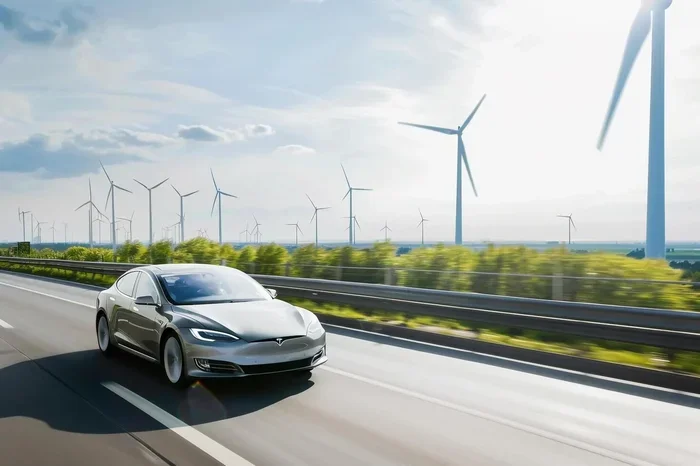
However, not all electric brands follow this pattern. Tesla has historically held value better than most EV competitors. But even Tesla has seen its depreciation rate increase as more electric options enter the market. The competition is fierce, and that affects vehicle value loss across the board.
Are EVs Still Worth Buying
Despite the depreciation challenges, EVs can still be smart purchases. If you plan to keep a car for a long time, the car ownership cost savings on fuel and maintenance can outweigh the value loss. The key is to understand the depreciation curve before you buy.
Also, federal and state incentives can offset some of the initial cost. These tax credits effectively reduce the purchase price, which means you start from a lower baseline. Even if the car depreciates fast, your actual loss in dollars may be smaller.
How to Minimize Car Depreciation
You cannot completely stop vehicle depreciation, but you can slow it down significantly. Smart buyers use specific strategies to protect their investment. Here are the most effective ways to reduce value loss.
Buy Used Instead of New
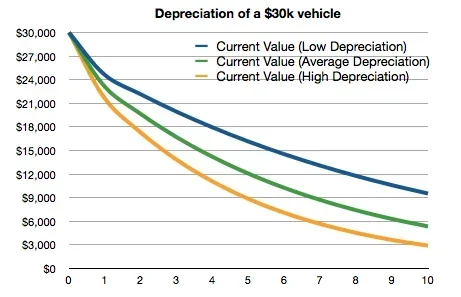
The single best way to avoid the worst car depreciation rate is to buy used. That first-year drop of 20 to 30 percent? Someone else already absorbed it. When you buy a two or three year old car, you skip the steepest part of the depreciation curve.
This strategy works especially well with luxury car brands that depreciate fast. A three year old BMW costs a fraction of its original price, yet it still drives beautifully. You get the luxury experience without the brutal value loss.
Choose Brands with Strong Resale Value
When shopping, check the best resale value cars rankings before you decide. Brands like Toyota, Honda, and Jeep consistently top these lists. They may not be the flashiest options, but they keep their value better.
Do your research on car depreciation chart data before visiting a dealership. Knowledge is power. When you know which brands hold value, you can make confident decisions that save money over time.
Keep Your Car Well Maintained
Regular maintenance is one of the easiest ways to protect your car value retention. Keep all service records, change the oil on schedule, and address repairs promptly. A well-documented maintenance history boosts buyer confidence and supports higher resale prices.
Also, avoid modifications that narrow your buyer pool. Custom wheels, aggressive body kits, and unusual colors can make a car harder to sell. Stick with neutral options that appeal to the widest range of buyers.
Time Your Purchase and Sale Wisely
Timing matters more than most people realize. Buy cars when new models are about to arrive, because outgoing models see price drops. Sell your car before a new model generation launches, because that is when demand for the current model peaks.
Also, consider seasonal factors. Convertibles sell better in spring and summer. Trucks and SUVs move faster in fall and winter. Selling when demand is high helps you get the best used car prices possible.
Common Mistakes That Accelerate Depreciation
- Skipping regular maintenance — this hurts both reliability and resale value
- Buying the most expensive trim — top trims often depreciate fastest
- Ignoring market trends — buying what is popular now but may not be in two years
- Putting too many miles on early — high mileage kills resale value faster
- Neglecting exterior and interior condition — cosmetic damage lowers perceived value
Expert Insights on Car Depreciation
Industry experts agree that what car brand depreciates the most is not just about the brand name. It is a combination of factors working together. Let us look at what the pros say.
The Role of Brand Loyalty
Brands with strong fan bases tend to hold value better. Think of the Toyota loyalist who will only buy Toyota. This loyalty creates a steady demand for used vehicles, which supports prices. Brands without that emotional connection see more fluctuation in their car depreciation rate.
How Economic Factors Play In
Economic conditions affect depreciation in real time. During economic downturns, luxury brands suffer more because buyers tighten their budgets. Economy brands tend to hold steady because they are already affordable. Understanding the broader economy helps you predict which brands will see the biggest drops.
The Future of Car Depreciation
Experts predict that electric vehicle depreciation will continue to challenge certain brands. As battery technology improves and more models enter the market, older EVs will face even steeper value drops. However, brands that innovate while maintaining reliability may find ways to buck this trend.
The rise of subscription car services and mobility platforms also changes the game. When cars are shared or rented frequently, they depreciate faster due to higher mileage and wear. This is a new vehicle depreciation factor that did not exist a decade ago.
Expert Insight
“The brands that depreciate the fastest are usually those that prioritize luxury features over long-term reliability,” says automotive analyst Mark Stevenson. “Buyers should always balance the thrill of a new car with the financial reality of depreciation.”
Final Thoughts
So, which brand depreciates the most? The answer depends on several factors, but luxury brands and certain electric vehicle makers consistently top the list. BMW, Jaguar, and Mercedes-Benz lose value faster than most mainstream brands.
But here is the good news. You have the power to minimize the impact. By choosing brands with strong resale value, buying used, and maintaining your vehicle properly, you can keep more money in your pocket. Car depreciation does not have to be a silent money drain.
The next time you are in the market for a car, take a moment to research the car depreciation rate for your target brands. A little homework upfront can save you thousands of dollars down the road. Smart buying decisions today lead to smarter financial outcomes tomorrow.
Remember, the car you drive is not just about transportation. It is an investment. Treat it like one, and your wallet will thank you for years to come. Choose wisely, maintain diligently, and drive away knowing you made the best choice for your budget.
Frequently Asked Questions
Which car brand has the highest depreciation rate?
BMW and Jaguar consistently rank at the top for highest depreciation rates. These luxury brands lose nearly half their value within the first three years of ownership. The combination of high initial costs and expensive maintenance drives this steep vehicle value loss.
How fast does a new car lose value?
Most new cars lose about 20 to 30 percent of their value in the first year alone. By year three, the average car has lost roughly 40 to 50 percent of its original price. This car depreciation rate varies significantly by brand and model.
Do electric vehicles depreciate faster than gas cars?
Many electric vehicles do depreciate faster than their gas-powered counterparts. Rapid technological changes and a smaller used EV market contribute to this trend. However, some brands like Tesla have shown better car value retention than others in the EV space.
Can I reduce my car’s depreciation?
Yes, you can slow down depreciation significantly. Regular maintenance, keeping records, avoiding excessive mileage, and choosing reliable brands all help. The key is to be proactive about your car ownership cost management from day one.
Is it better to buy a used car to avoid depreciation?
Buying used is one of the smartest ways to avoid the worst of vehicle depreciation. The original owner absorbs the steep first-year drop, so you get a car that has already lost its fastest-declining value. This strategy works especially well for luxury car brands that depreciate quickly.
Which car brands hold their value the best?
Toyota, Honda, and Jeep are widely recognized as the best resale value cars. These brands have strong reputations for reliability, which keeps demand high in the used market. Their car depreciation chart numbers consistently show slower value loss compared to competitors.
=== CONCLUSION ===
What car brand depreciates the most is a question that carries real financial weight. The brands that lose value fastest can cost you thousands of dollars if you are not careful. Luxury names like BMW, Jaguar, and Mercedes-Benz top the depreciation charts, while reliable mainstream brands like Toyota and Honda hold steady.
Understanding depreciation by brand empowers you to make better decisions. Whether you are buying new or used, the knowledge of car depreciation rate differences puts you ahead. You can choose a vehicle that fits your needs and protects your financial future.
Take action today. Research the brands you are considering, compare their resale value history, and plan for the long term. The best car is not just the one that drives well. It is the one that still holds value when it is time to move on. Make your choice count, and let your next car be a smart investment, not a financial burden.