What Causes the EPB Light to Come On and How to Fix It
The EPB light on your dashboard means your electronic parking brake has detected a problem. Common causes include low brake fluid, a faulty brake switch, or a worn parking brake cable. This guide shows you exactly how to diagnose and fix the issue safely.
That little red or yellow light on your dashboard can really throw you off. You are driving along, minding your own business, and suddenly the EPB light pops up on the gauge cluster. Your heart drops a little. What does it mean? Is your car about to break down? The good news is that an EPB light does not always signal a disaster. In most cases, the problem is fixable, and you can handle it yourself with a bit of know-how.
The electronic parking brake is a smart system found in most modern cars. It replaces the old-school lever or pedal with a button or switch. The system uses motors, sensors, and wires to engage and release the rear brakes. When something goes wrong in that chain, your car tells you by lighting up the EPB warning light. This article breaks down every common cause and gives you clear, step-by-step fixes. Let us get into it.
Key Takeaways
- Low brake fluid is a top trigger: The EPB system relies on proper fluid levels to function correctly.
- A bad brake switch can fool the system: Even a minor switch fault will light up the EPB warning.
- Worn parking brake cables cause issues: Stretched or corroded cables prevent the EPB from engaging or releasing fully.
- ABS sensor problems link to EPB faults: The electronic parking brake shares data with the ABS and stability control systems.
- Resetting the EPB is often simple: A quick reset may clear the light if the underlying issue is minor.
- Don’t ignore the light: Driving with an active EPB warning can reduce braking safety and damage brake components.
- Professional diagnosis helps when in doubt: A brake system scan tool can pinpoint the exact fault code fast.
📑 Table of Contents
What Does the EPB Light Mean?
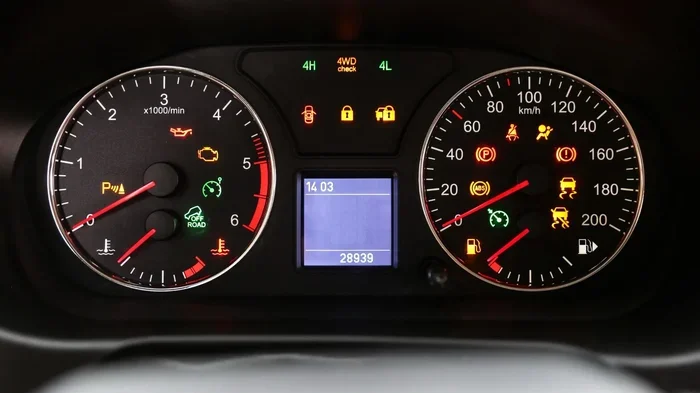
Before we dive into causes, let us understand what the light actually tells you. The EPB light is part of your dashboard warning lights family. It looks like a circle with the letter “P” inside, sometimes with parentheses around it. The color matters too. A yellow or amber light usually means a minor issue. A red light means stop safely and check the problem right away.
The electronic parking brake system does more than just hold your car on a hill. It also works with the ABS sensor and the vehicle stability control system. These parts talk to each other all the time. So when one part has a glitch, the whole network can trigger the EPB malfunction light. Think of it like a chain — if one link is weak, the whole chain feels it.
Common EPB Light Symbols
Different car brands show the parking brake warning light a little differently. Here are the most common symbols you might see:
- Yellow “P” in a circle: This is the standard EPB warning. It means the electronic parking brake needs attention.
- Red “P” with an exclamation mark: This is more serious. It often means the parking brake is engaged or there is a major brake system fault.
- Flashing yellow light: A flashing light usually points to an intermittent fault. Something is working sometimes and failing other times.
No matter which symbol you see, the message is clear. Your brake system needs a look. Do not ignore it. Even a small issue can grow into a big safety problem fast.
Top Causes of the EPB Light Coming On
Now let us get to the heart of the matter. Why does the EPB light come on in the first place? There are several reasons, and some are way more common than others. Here is a full breakdown of the most likely culprits.
1. Low Brake Fluid Level
This is the number one cause of the EPB light showing up. The electronic parking brake system needs enough brake fluid to work properly. When the fluid drops below a safe level, sensors detect the drop and trigger the warning. Brake fluid naturally drops over time as brake pads wear down. But a sudden drop could mean a leak, which is a serious problem.
Here is what to do. Open the hood and find the brake fluid reservoir. It is usually on the driver side, near the back of the engine bay. Check the fluid level against the MIN and MAX marks on the side of the tank. If it is low, top it off with the type of fluid your owner manual recommends. Most cars use DOT 3 or DOT 4 brake fluid. After topping off, drive a few miles and see if the light goes away.
2. Faulty Brake Switch
The brake switch sits near the brake pedal. It tells the car when you are pressing the brake. When this small switch goes bad, the EPB system gets confused signals. It thinks you are pressing the brake when you are not, or it thinks you are not pressing it when you are. Either way, the parking brake warning light comes on.
A bad brake switch is cheap and easy to replace. The part usually costs under $20. You can find it right above the brake pedal under the dashboard. However, if you are not comfortable working under the dash, a mechanic can swap it out in about 15 minutes.
3. Worn or Stretched Parking Brake Cable
Even though the electronic parking brake uses motors instead of a manual lever, it still relies on cables to pull the rear brake calipers. Over time, these cables can stretch, fray, or corrode. When the cable cannot move freely, the EPB motor works harder and may fail. The EPB malfunction light then appears on your dash.
This problem is more common in older cars or vehicles driven in salty, wet climates. If you live near the coast or drive through winter roads with road salt, your cables may wear out faster. A mechanic can inspect the cables and replace them if needed. This fix usually costs between $150 and $300, depending on the car.
4. Bad ABS Sensor or Wheel Speed Sensor
The ABS sensor and the EPB system share a close relationship. The ABS sensor reads how fast each wheel is spinning. It sends this data to the car’s computer. If a sensor gets dirty, damaged, or fails, the computer may mistake the signal for an EPB problem. This triggers the parking brake warning light even when the parking brake is working fine.
Wheel speed sensors are located near each wheel hub. They can get clogged with dirt, mud, or road grime. A simple cleaning with a brake parts cleaner spray might fix the problem. If the sensor itself is broken, you will need to replace it. Sensor replacement usually runs between $50 and $200 per wheel.
5. Failed EPB Actuator or Motor
The parking brake actuator is the small motor that actually engages and releases the electronic parking brake. Like any motor, it can wear out or fail over time. When the actuator stops working, the EPB light stays on, and you may notice the parking brake does not engage or release smoothly.
This is one of the more expensive fixes. Replacing an EPB actuator can cost anywhere from $300 to $800, depending on your vehicle make and model. The actuator is usually built into the rear brake caliper assembly, so the repair involves removing the rear wheels and brake components.
6. Electrical Wiring or Connector Issues
Modern cars rely on a web of wires and connectors. A loose connection, a corroded plug, or a damaged wire can send wrong signals to the EPB control module. This is especially common after a rear brake job or a bumper repair, where wires get bumped or pinched.
If you recently had work done on your car, check that all connectors are plugged in snugly. Look for any wires that look chewed, rubbed, or pulled loose. Sometimes just reconnecting a plug clears the EPB warning light right away.
7. Software or Module Glitch
Cars today run on software. And just like your phone or laptop, car software can sometimes glitch. A power surge, a dead battery, or an incomplete update can cause the EPB system to throw a false code. The EPB light comes on, but there is no real mechanical problem at all.
This is where a brake system diagnostic scan tool comes in handy. A mechanic or even a savvy car owner can plug a scan tool into the OBD-II port under the dashboard. The tool reads the fault codes stored in the car’s computer. If the code points to a software issue, a simple reset or module reprogram often clears the light.
How to Reset the EPB Light
Once you fix the underlying problem, you will want to clear the EPB light from your dashboard. Here is how to do it in a few simple steps.
- Turn the ignition on: Do not start the engine. Just turn the key or press the start button to put the car in accessory mode.
- Press and hold the EPB button: Find the electronic parking brake button, usually near the center console or shift lever. Press and hold it for about 10 seconds.
- Release and restart: Let go of the button, start the engine, and drive the car for a few minutes. The EPB warning light should go off.
- Use a scan tool if needed: If the light stays on, connect an OBD-II scan tool to clear the fault codes. This is the most reliable way to fully reset the system.
Quick Tip: Never try to reset the light without first fixing the root cause. Clearing the light without a fix will just bring it back. Always diagnose the problem first, then reset.
When to See a Professional Mechanic
Some EPB light issues are simple enough to handle at home. But others need a trained set of hands. You should see a professional if:
- The brake fluid is low and you cannot find the source of a leak.
- The EPB light stays on after you try a reset and basic fixes.
- You hear grinding or clicking sounds when the parking brake engages.
- The car pulls to one side when you apply the brakes.
- The ABS warning light is also on, along with the EPB light.
- You are not comfortable working on brake system parts yourself.
Brake problems affect your safety. Never take chances. If you are unsure, get a professional brake system diagnostic. A good mechanic will hook up a scan tool, read the fault codes, and give you a clear answer fast.
Cost Breakdown for Common EPB Repairs
Not sure what the fix might cost you? Here is a rough idea of what common EPB light repairs run:
- Topping off brake fluid: $10 to $20 for fluid, plus any leak repair costs.
- Brake switch replacement: $50 to $100 including parts and labor.
- Parking brake cable replacement: $150 to $300 for parts and labor.
- ABS sensor replacement: $50 to $200 per sensor.
- EPB actuator replacement: $300 to $800 depending on the vehicle.
- Diagnostic scan: $50 to $100 at most shops, sometimes free with any repair.
These are average costs. Your actual price depends on your car make, model, year, and where you live. Always ask for a detailed estimate before any repair work begins.
How to Prevent the EPB Light from Coming Back
Once you fix the EPB light issue, you want to keep it from coming back. Here are some simple habits that help:
- Check brake fluid regularly: Make it part of your monthly car check routine. A quick peek at the reservoir takes 30 seconds.
- Keep brake parts clean: Road grime and salt eat away at brake components and wiring. Rinse your wheels and undercarriage often.
- Do not ignore small warnings: If a light flickers once or twice, do not wait for it to come back full-time. Check it early.
- Use the EPB properly: Always press the EPB button fully before shifting into park. This reduces wear on the actuator motor.
- Follow the service schedule: Your owner manual has a recommended maintenance schedule for the brake system. Stick to it.
Expert Insights on EPB Systems
Expert Insight: “The EPB light is one of the most misunderstood dashboard warnings,” says certified automotive technician Mark Davis. “Most drivers panic when they see it, but in about 60 percent of cases, the cause is simple — low fluid, a bad switch, or a dirty sensor. A quick scan and a fluid top-off solve most problems.”
Davis also recommends keeping a basic brake system diagnostic tool at home. “A $30 scan tool pays for itself the first time it saves you a trip to the shop,” he says. “You can read the codes, look them up, and often fix the problem in your garage.”
Quick Tip: If you buy a scan tool, make sure it supports your vehicle’s make. Most modern tools work with OBD-II protocols from 1996 onward. They read all the major systems, including the EPB module and ABS system.
Key Takeaways
- Low brake fluid is the most common cause: Check the reservoir first whenever the EPB light appears.
- A faulty brake switch is cheap and easy to fix: This small part can trigger the warning even when the parking brake works fine.
- Worn parking brake cables affect EPB performance: Inspect cables regularly, especially in harsh weather climates.
- ABS sensor faults can mimic EPB problems: Clean sensors first, then replace if needed.
- Always diagnose before resetting: Clearing the light without a fix leads to the same problem returning.
- Professional help is wise for complex issues: Actuator failures, leaks, and wiring problems need expert attention.
- Regular maintenance keeps the EPB system healthy: Fluid checks and brake inspections prevent most EPB malfunction warnings.
Frequently Asked Questions
Can I drive my car if the EPB light is on?
You can drive short distances if the light is yellow and the parking brake releases normally. But a lit EPB light means the system has detected a fault. Driving for a long time with an active warning could reduce braking performance and cause further damage to the brake system. Get it checked as soon as possible.
How much does it cost to fix the EPB light?
The cost depends entirely on the cause. A brake fluid top-off costs under $20. A brake switch replacement runs around $50 to $100. More complex repairs like an EPB actuator or cable replacement can cost $150 to $800. Always get a detailed estimate before approving any repair work.
Will the EPB light go away on its own?
Sometimes a minor glitch, like a temporary sensor error, will clear itself after a few drive cycles. But if the light stays on for more than a day or two, it will not go away on its own. You need to find and fix the root cause. Ignoring it will not make the problem disappear.
Can cold weather cause the EPB light to come on?
Yes, cold weather can sometimes trigger the EPB warning light. Ice and snow can freeze the parking brake cable or caliper, preventing normal operation. The system detects this and lights up the warning. Warming the car up and gently working the EPB button a few times often clears the issue in cold conditions.
What is the difference between the EPB light and the BRAKE light?
The EPB light specifically refers to the electronic parking brake system. The BRAKE light is a broader warning that covers the entire braking system, including hydraulic pressure, brake pads, and fluid level. Both are serious warnings, but they point to different parts of the brake system. A scan tool can tell you exactly which system triggered the warning.
How often should I check my brake fluid level?
Make it a habit to check your brake fluid at least once a month. The fluid level naturally drops as brake pads wear down. But a sudden drop in fluid level could mean a leak. Catching a leak early saves you from expensive repairs and keeps your EPB system working properly.
Conclusion
The EPB light can feel scary when it first shows up on your dashboard. But as we have covered, most causes are simple and affordable to fix. Whether it is low brake fluid, a bad switch, a dirty sensor, or a worn cable, the fix is usually straightforward once you know what to look for.
Always start with the basics. Check the brake fluid. Inspect the connectors. Try a reset. And if the EPB light stays on, use a diagnostic scan tool to read the fault codes. These steps put you in control of the situation. You do not need to be a mechanic to handle most EPB malfunction issues.
Remember, your braking system is the most important safety feature on your car. Treat any warning light with respect. Address problems early, keep up with regular maintenance, and your electronic parking brake will serve you well for years to come. Stay safe out there, and do not let that little light on your dash catch you off guard again.