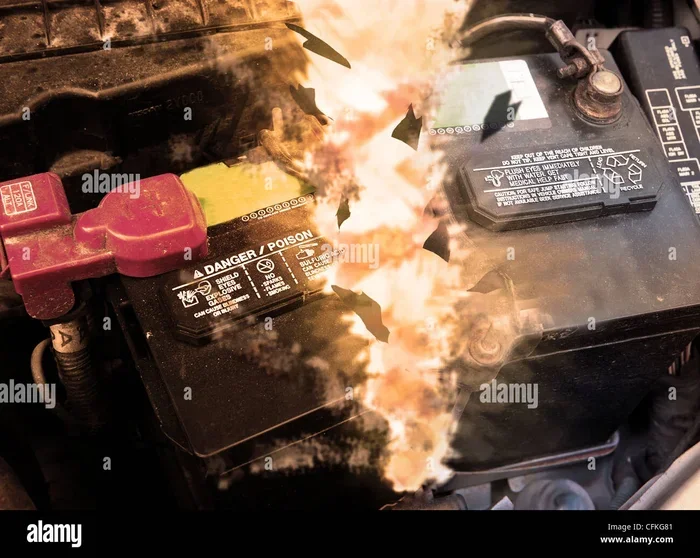
What Happens If a Negative Terminal Touches Metal
When a negative terminal touches metal, it can cause a short circuit, sparks, melted wires, and even battery explosions. This common automotive mistake can damage your car’s electrical system, blow fuses, and create serious fire hazards. Understanding the risks and knowing how to prevent accidental contact is essential for every car owner.
You are working under the hood of your car. A wrench slips. A loose cable swings. And suddenly, the negative terminal of your car battery makes contact with a metal surface. What happens next? The answer might surprise you.
Many people underestimate the danger of a negative terminal touching metal. They think it is just a minor spark. But the truth is far more serious. A simple moment of contact can trigger a chain of electrical events that damage your vehicle, injure you, or even start a fire.
In this article, we will break down exactly what happens when the negative battery terminal comes into contact with a metal surface. We will cover the science behind it, the real-world consequences, and most importantly, how you can prevent it from happening. Whether you are a DIY mechanic or just a curious car owner, this guide will give you the knowledge you need to stay safe.
Key Takeaways
- Short circuits happen fast: A negative terminal touching metal creates an immediate electrical path that can damage components.
- Sparks and heat are real dangers: Even a brief contact can produce sparks hot enough to ignite nearby materials.
- Your car’s electrical system is vulnerable: Sensitive electronics like the ECU, sensors, and infotainment system can suffer permanent damage.
- Battery explosions are possible: Hydrogen gas buildup inside the battery can ignite, causing a dangerous explosion.
- Prevention is simple: Proper cable management, terminal covers, and awareness can prevent accidental contact.
- Know what to do if it happens: Disconnect the battery immediately and inspect for damage before restarting.
📑 Table of Contents
- Understanding Your Car Battery Basics
- What Happens When the Negative Terminal Touches Metal
- How Severe Is the Damage? It Depends
- Real-World Scenarios and Examples
- Common Mistakes That Lead to Negative Terminal Contact
- How to Prevent Accidental Negative Terminal Contact
- What to Do If the Negative Terminal Touches Metal
- Expert Insights on Battery Safety
- Key Takeaways
- Conclusion
Understanding Your Car Battery Basics
Before we dive into what happens during accidental contact, let us quickly cover the basics. Every automotive battery has two terminals. The positive terminal is marked with a plus sign (+) and usually covered in red. The negative terminal is marked with a minus sign (-) and typically covered in black.
The battery creates electrical energy through a chemical reaction. The positive terminal sends power out to the car’s electrical system. The negative terminal serves as the ground or return path. In a normal circuit, electricity flows from the positive terminal, through the car’s components, and back to the negative terminal.
Why the Negative Terminal Matters
The negative terminal is connected directly to the car’s ground wire and chassis. This means that when it touches any metal part of the vehicle, it creates a direct electrical path. That path is called a ground connection. And when that ground connection happens unexpectedly, it causes a short circuit.
Think of it like this. Your car’s electrical system is like a highway. The positive cable is the on-ramp. The negative cable is the off-ramp. When everything works as designed, traffic flows smoothly. But when the negative terminal touches metal unexpectedly, it is like opening an emergency exit in the middle of a highway. Cars (electrons) rush out in an uncontrolled way. That rush is what causes all the problems.
What Happens When the Negative Terminal Touches Metal
So what exactly occurs when the negative terminal touches metal? The answer depends on several factors. These include the type of metal, the duration of contact, and the condition of your car electrical system. But in most cases, here is what you can expect.
Immediate Spark and Heat Generation
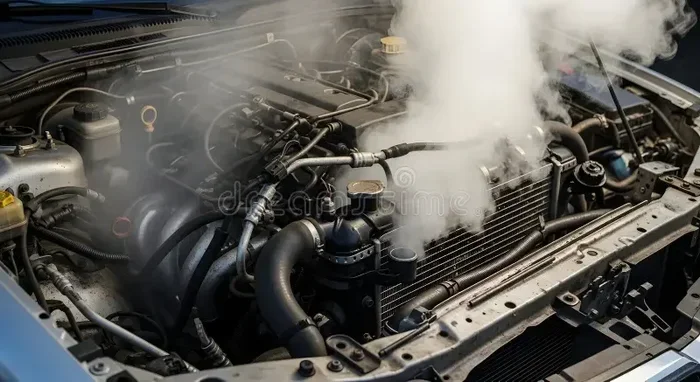
The very first thing that happens is a spark. When the negative terminal makes contact with metal, a sudden surge of electrical current flows through the connection. This creates an arc of electricity. That arc can reach temperatures of several thousand degrees Fahrenheit.
The spark itself can be startling. It often looks like a bright blue or white flash. In some cases, it can be loud enough to hear from across the garage. The heat from the spark can melt insulation on nearby wires. It can also burn your skin if you are holding the wrench or tool that caused the contact.
Here is something many people do not realize. The spark does not always happen at the terminal itself. It can occur at any point where the current finds an unintended path to ground. This means sparks can fly from fuse boxes, wire connections, or even internal components you cannot see.
Blown Fuses and Tripped Breakers
Most modern vehicles have fuse boxes designed to protect the electrical system. When a sudden surge of current flows through the circuit, the fuse is supposed to blow. This breaks the circuit and prevents further damage.
However, not all fuses blow instantly. Some electrical system damage can occur before the fuse has a chance to react. And in older vehicles, fuse protection may be limited. This means the surge can travel through multiple circuits, damaging components along the way.
Common components that can be affected include:
- Engine control unit (ECU) — the brain of your car
- Sensors — oxygen sensors, temperature sensors, and more
- Infotainment system — your radio and display screen
- Power windows and locks — electrical actuators
- Alternator — the device that charges your battery
- Wiring harness — the bundle of wires throughout the car
Damage to the Battery Itself
The negative terminal touching metal can also damage the battery. When a short circuit occurs, a massive amount of current rushes through the battery. This causes the battery to heat up rapidly. In extreme cases, the internal temperature can rise enough to trigger a thermal runaway.
Thermal runaway is a dangerous chain reaction. The battery heats up, which causes more chemical reactions, which generates more heat. This cycle continues until the battery fails. In the worst cases, the battery can crack, leak battery acid, or even explode.
A battery explosion is not just a scary thought. It is a real risk. When a battery explodes, it sends shards of plastic and acid flying. This can cause severe burns and eye injuries. It can also spray corrosive material onto your engine bay, causing additional damage.
Electrical System Malfunctions
Even if the immediate spark and heat do not cause visible damage, the electrical system may still suffer. A sudden power surge can fry sensitive electronic components. These components may stop working immediately, or they may fail weeks or months later.
Common signs of electrical system damage after an accidental short include:
- Dashboard warning lights turning on randomly
- Electrical accessories working intermittently
- Battery draining faster than normal
- Engine stalling or rough idling
- Strange noises from the speakers or dashboard
If you experience any of these symptoms after your negative terminal touched metal, get your car inspected by a professional mechanic as soon as possible.
How Severe Is the Damage? It Depends
Not all cases of a negative terminal touching metal are equally dangerous. The severity depends on several factors. Let us break them down.
Duration of Contact
The shorter the contact, the less damage. A brief, momentary touch might just produce a spark and blow a single fuse. But if the terminal stays in contact with metal for more than a second or two, the damage can be significant. Prolonged contact allows more current to flow, generating more heat and causing more component failures.
Type of Metal
Not all metal surfaces conduct electricity equally. A thick steel bolt might not create as severe a short as a copper bracket. But in most cases, any metal surface on a car is conductive enough to cause problems. The chassis, engine block, and structural members are all grounded and will complete the circuit.
Condition of the Battery
An older or weakened battery may be less dangerous in a short circuit scenario because it cannot deliver as much current. However, a fully charged, healthy battery can deliver a massive surge. This makes a short circuit from a charged battery particularly dangerous.
Vehicle Age and Electrical Complexity
Newer vehicles with complex electronic systems are more vulnerable to damage. Modern cars have dozens of computers, sensors, and modules. A single short circuit can affect multiple systems. Older vehicles with simpler electrical setups may experience less widespread damage, but they are not immune.
Real-World Scenarios and Examples
Let us look at some real situations where the negative terminal touches metal and what happens in each case.
Scenario 1: Loose Battery Cable
You are driving and a negative cable becomes loose. It swings and touches the engine block. You hear a loud pop and see a bright spark. Your engine stalls immediately. When you pop the hood, you find the cable end is melted. The fuse box has several blown fuses. Your radio and power windows no longer work.
In this scenario, the damage is limited to the electrical system. The engine itself is usually fine. But you will need to replace blown fuses and possibly repair the damaged cable and any melted wire insulation.
Scenario 2: Wrench Drops During Maintenance
You are changing your battery terminal and a metal wrench slips from your hand. It lands across the negative terminal and the engine block. A massive spark erupts. The wrench handle gets hot. You smell burning plastic.
In this case, the spark can burn your hand or arm if you are holding the wrench. The burning plastic smell comes from melted wire insulation. You may also notice damage to the battery case. If the contact lasted more than a second, the battery may be internally damaged.
Scenario 3: Aftermarket Accessory Installation
You are installing a new car accessory like a winch or extra lights. You accidentally let the negative cable touch the mounting bracket while connecting it. A spark jumps, and your newly installed accessory is fried.
This is a common mistake during DIY installations. Always disconnect the negative terminal before working on any electrical component. This simple step can save you from costly replacements.
Common Mistakes That Lead to Negative Terminal Contact
Understanding what causes accidental contact helps you prevent it. Here are the most common mistakes people make.
Not Disconnecting the Battery Before Work
Many people skip this critical step. They reach into the engine bay to adjust something, and their tool or jewelry touches both terminals or a terminal and metal. Always disconnect the negative terminal first before doing any work near the battery.
Leaving Tools Near the Battery
A wrench, socket, or metal tool left on top of the battery can easily slide off and create contact. Keep your workspace clean and tools secured.
Ignoring Corroded Terminals
Battery corrosion can cause terminals to become loose. A loose terminal is more likely to make accidental contact with metal surfaces. Regularly inspect your terminals and clean any white or greenish buildup.
Improper Cable Routing
If your negative cable is not properly secured, it can hang loose and swing into metal components. Make sure all battery cables are tightly fastened and routed away from moving parts and sharp edges.
How to Prevent Accidental Negative Terminal Contact
Prevention is always better than repair. Here are practical steps to keep your negative terminal from accidentally touching metal.
Use Terminal Covers
Most batteries come with plastic terminal covers. Use them. They create a physical barrier that prevents the terminal from making contact with metal surfaces. If your battery did not come with covers, you can buy universal terminal covers at any auto parts store for just a few dollars.
Secure Loose Cables
Make sure all battery cables are tight and properly routed. A cable that is loose or hanging can swing into metal components while you are driving or working on the vehicle.
Disconnect Before Working
Whenever you work near the battery, disconnect the negative terminal first. Use a wrench to loosen the nut on the negative cable clamp. Pull the cable off the terminal and tuck it away from the battery.
Keep the Area Clean and Dry
Moisture and dirt can create unintended electrical paths. Keep the battery area clean and dry. If you notice any corrosion on the terminals or nearby metal surfaces, clean it with a baking soda and water solution.
Be Mindful of Jewelry and Loose Clothing
Metal jewelry like watches, rings, and bracelets can easily create a bridge between the terminal and metal surfaces. Remove jewelry before working on your car. Also, avoid wearing loose sleeves or scarves that could catch on components.
What to Do If the Negative Terminal Touches Metal
If you witness or experience a negative terminal touching metal, here is what you should do immediately.
Step 1: Remove the Source of Contact
If a tool or cable is causing the contact, carefully remove it. Do not grab the metal object with your bare hands if it is hot or sparking. Use a dry cloth or insulated gloves if possible.
Step 2: Turn Off the Ignition
Switch the ignition to the off position. This stops the electrical system from drawing power and reduces the risk of further damage.
Step 3: Inspect for Damage
Look over the battery, cables, and surrounding area. Check for melted insulation, burn marks, or swollen battery case. If you see any of these signs, do not attempt to restart the car.
Step 4: Check Your Fuses
Open the fuse box and inspect the fuses. Replace any blown fuses with the correct amperage rating. If a fuse blows again after replacement, there may be deeper electrical damage that needs professional attention.
Step 5: Seek Professional Help If Needed
If you are unsure about the extent of the damage, take your car to a qualified mechanic. They can run diagnostic tests on your car electrical system and identify any hidden issues.
Expert Insights on Battery Safety
We spoke with automotive technicians about the risks of negative terminal contact. Here is what they had to say.
Always treat your battery with respect. A car battery stores enough energy to cause serious harm. The spark from a short circuit can ignite flammable materials nearby. And the acid inside the battery can cause chemical burns.
One simple habit saves thousands of dollars. Disconnect the negative terminal before doing any work in the engine bay. It takes five seconds and can prevent hours of expensive repairs.
Modern cars are more vulnerable than ever. Today’s vehicles rely heavily on electronic control units and sensors. A single short circuit can disable multiple systems. What might have been a minor issue in a car from the 1980s can be a major problem in a 2020s vehicle.
Key Takeaways
- Short circuits happen instantly: A negative terminal touching metal creates an immediate electrical path that can cause sparks, heat, and component damage.
- Sparks and fire are real risks: The arc from a short circuit can reach extreme temperatures and ignite nearby materials.
- Your car’s electronics are vulnerable: Sensitive components like the ECU, sensors, and infotainment system can suffer permanent damage from a power surge.
- Battery explosions can occur: In severe cases, the battery can overheat, leak acid, or explode, causing serious injury.
- Prevention is simple and effective: Use terminal covers, secure cables, and always disconnect the negative terminal before working on your car.
- Act quickly if contact occurs: Remove the source of contact, turn off the ignition, inspect for damage, and seek professional help if needed.
Conclusion
The question of what happens if a negative terminal touches metal has a clear and serious answer. A short circuit, sparks, potential fire, melted wires, blown fuses, and possible battery explosion are all real outcomes. Your car’s electrical system is not designed to handle an unintended ground connection, and the damage can range from minor to catastrophic.
The good news is that prevention is straightforward. A few simple habits, like using terminal covers and disconnecting the battery before maintenance, can protect you and your vehicle. And if an accident does occur, knowing the right steps to take can minimize the damage and keep you safe.
Take the time to understand your car battery and its terminals. Respect the power they hold. And never underestimate the danger of a momentary lapse in attention near a live battery. Your safety and your wallet will thank you.
Stay informed, stay cautious, and keep your automotive battery in top condition. A little knowledge goes a long way in preventing accidents and keeping your car running smoothly.
Frequently Asked Questions
Can a negative terminal touching metal cause a fire?
Yes, it absolutely can. The spark generated by a short circuit can reach temperatures high enough to ignite flammable materials like oil, grease, or insulation. This is why it is critical to keep your battery area clean and free of debris.
Will my car battery explode if the negative terminal touches metal?
It is possible. When a short circuit causes the battery to overheat rapidly, hydrogen gas inside the battery can ignite. This can lead to an explosion that sends battery fragments and acid flying. Always wear safety glasses when working near your battery.
How do I know if my car’s electrical system was damaged after a short circuit?
Look for warning signs like dashboard lights turning on randomly, electrical accessories malfunctioning, or the battery draining quickly. A mechanic can run diagnostic tests to identify any hidden damage to your car electrical system.
Should I disconnect the negative terminal or positive terminal first?
Always disconnect the negative terminal first. The negative terminal is connected to the car’s ground. Disconnecting it first reduces the risk of creating a short circuit between the positive terminal and any metal surface on the car.
Can a brief moment of contact cause permanent damage?
Even a brief contact can cause damage. A spark can fry sensitive electronic components like sensors or the ECU. The damage may not show up immediately but can cause problems weeks or months later.
What should I keep in my glove box for battery emergencies?
Keep a set of insulated gloves, a flashlight, a multimeter, and a box of spare fuses. These items can help you respond quickly and safely if your negative terminal makes accidental contact with metal.
=== SEO TITLE ===
What Happens If a Negative Terminal Touches Metal?
=== META TITLE ===
What Happens If Negative Terminal Touches Metal?
=== URL SLUG ===
what-happens-if-negative-terminal-touches-metal