What Happens to a Car After 150000 Miles on the Road
What happens to a car after 150000 miles? At this milestone, your vehicle faces increased wear on the engine, transmission, and suspension. Regular maintenance becomes even more critical to avoid costly repairs. With the right care, a high mileage car can still run reliably for years. Understanding these changes helps you plan ahead and keep your ride safe and dependable.
Key Takeaways
- Engine and transmission wear intensifies: Expect more frequent repairs as internal parts age past the 150k mark.
- Preventive maintenance saves money: Sticking to a strict service schedule reduces the risk of major breakdowns.
- Rust and corrosion become real threats: Regular inspections help catch body damage early before it spreads.
- A high mileage car can still hold value: Proper care and documentation boost resale worth even at 150k miles.
- Electrical issues increase with age: Watch for flickering lights, faulty sensors, and intermittent power window problems.
- Know when to let go: A cost-benefit analysis helps you decide if keeping the car makes financial sense.
📑 Table of Contents
What to Expect When a Car Hits 150000 Miles
Reaching 150000 miles is a big deal. It means your car has been on the road for a long time. You have likely logged countless commutes, road trips, and weekend drives. At this point, your vehicle has earned its stripes. But what happens to a car after 150000 miles? The answer is not as scary as you might think.
Many drivers worry the moment their odometer ticks past the six-figure mark. They assume the car is on its way out. But that is not always true. A well-maintained vehicle can easily go another 100000 miles or more. The key is understanding what changes and how to respond. High mileage car ownership requires more attention, but it is absolutely manageable.
The Reality of High Mileage Driving
When a car reaches 150000 miles, its parts have simply been used a lot. Think of it like a pair of shoes that have walked thousands of miles. The soles wear down. The material softens. But with proper care, the shoes can still serve you well. Cars work the same way. The engine, transmission, brakes, and suspension all show signs of use. This is normal. It is not a death sentence for your vehicle.
What happens to a car after 150000 miles depends heavily on how it was treated. A car that got regular oil changes and timely repairs will hold up far better than one that was neglected. Vehicle longevity is not just about the number on the odometer. It is about the care behind that number.
Every Car Is Different
Not all cars age the same way. A Toyota Camry might breeze past 150k with few issues. A sports car with a complex engine might need more attention at the same mileage. Your driving habits matter too. Stop-and-go city driving wears parts faster than steady highway cruising. Climate plays a role as well. Cars in salty coastal areas face more rust and corrosion than those in dry climates.
The make and model of your car also matter. Some brands are famous for lasting well beyond 200000 miles. Others struggle to hit 100000. When you know what happens to a car after 150000 miles in general, you can better prepare for your specific vehicle. Research your car’s common issues at this mileage. Talk to other owners. Read forums and reviews. Knowledge is your best tool.
Signs Your Car Is Entering the 150k Club
How do you know your car is entering the high mileage phase? Watch for these warning signs:
- Increased oil consumption: The engine starts burning more oil between changes.
- Subtle rattles and noises: New sounds appear when starting, idling, or driving.
- Slight vibrations: You feel shudders through the steering wheel or seat.
- Reduced fuel efficiency: You visit the gas station more often than before.
- Minor leaks: Small drips appear under the car after parking overnight.
These signs do not mean your car is falling apart. They mean it is asking for a little extra attention. Catching them early makes a huge difference.
Common Mechanical Issues at the 150k Mark
So what exactly goes wrong when a car hits 150000 miles? Several systems start to show their age. Understanding these common car problems at high mileage helps you stay ahead of expensive surprises.
Engine Wear and Tear
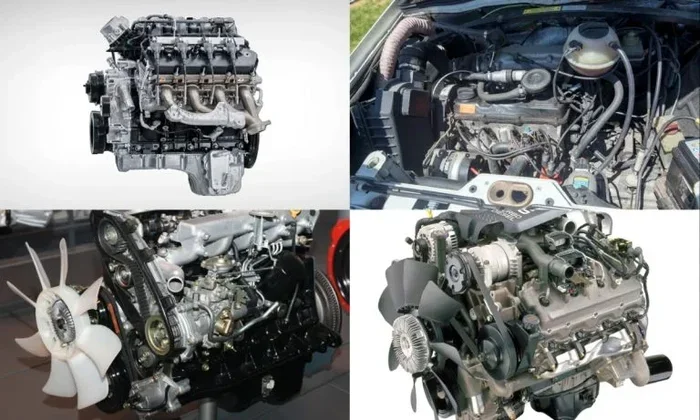
The engine is the heart of your car. After 150000 miles, internal components have endured a lot of stress. Piston rings may wear thin. Valve seals can harden and crack. The timing belt or chain has been stretched and tensioned thousands of times. These are all normal signs of aging.
Engine wear and tear at this stage often shows up in a few ways. You might notice a slight loss of power. The engine might idle a bit rougher than it used to. Oil consumption typically increases. These issues do not mean you need a new engine right away. In most cases, simple repairs and adjustments keep things running smoothly.
One of the biggest concerns is the timing belt. Many manufacturers recommend replacing it between 90000 and 150000 miles. If your car has a timing belt and it has not been replaced, get it done now. A broken timing belt can cause catastrophic engine damage. The cost of a new belt is tiny compared to the cost of a ruined engine.
Transmission Troubles
The transmission takes a beating over time. After 150000 miles, the transmission fluid breaks down and loses its effectiveness. Clutch packs in automatic transmissions wear thin. Manual transmissions develop clutch slip.
Transmission problems at high mileage include rough shifting, slipping between gears, and delayed engagement. You might feel a jolt when the car shifts from park to drive. Or the transmission might hesitate before responding when you press the gas. These are red flags that should not be ignored.
Regular transmission fluid changes make a big difference. Most experts recommend a fluid swap every 30000 to 60000 miles. If you have skipped this, now is the time to catch up. Fresh fluid keeps the internal components lubricated and cool. It extends the life of your transmission significantly.
Suspension and Steering Problems
Your car’s suspension system absorbs every bump, pothole, and crack in the road. Over 150000 miles, this system takes a real beating. Shocks and struts wear out. Suspension bushings crack and harden. Ball joints loosen. Tie rod ends wear down.
Suspension wear shows up clearly. You might notice more body roll in turns. The car might drift to one side. Tire wear becomes uneven and premature. A bumpy or harsh ride is another telltale sign. These issues affect both comfort and safety. Worn suspension parts increase stopping distance and reduce handling precision.
Replacing shocks and struts is one of the most common repairs at this mileage. It is not cheap, but it is essential. A good set of shocks transforms how the car drives. The ride becomes smoother. Handling improves. And your tires last longer, which saves you money in the long run.
Electrical System Gremlins
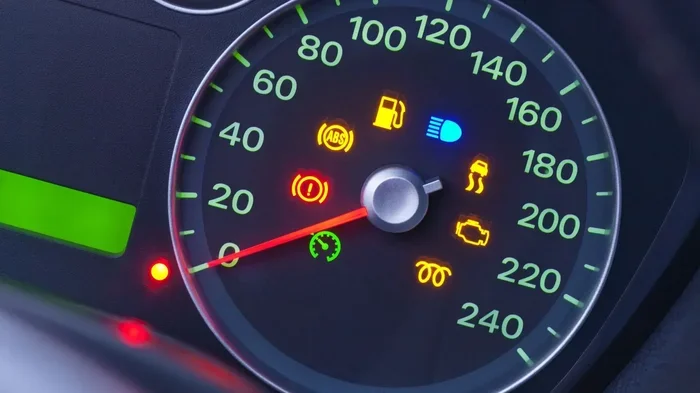
Modern cars rely heavily on electronics. After 150000 miles, electrical problems become more common. Wiring harnesses degrade over time. Connections corrode. Sensors fail. You might notice flickering headlights. The check engine light might come on for no obvious reason. Power windows and locks might start acting up.
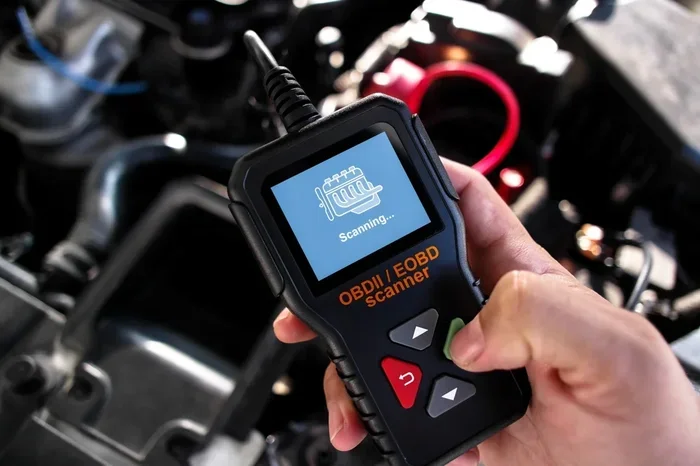
Electrical problems in old cars can be frustrating because they are often hard to diagnose. A single faulty sensor can trigger a cascade of warning lights. The good news is that most electrical issues at this age are minor and affordable to fix. A loose ground wire or a corroded connector is usually the culprit. A good mechanic can track down these gremlins with a diagnostic scan tool.
Maintenance Tips for High Mileage Vehicles
The best defense against major problems is a solid maintenance routine. What happens to a car after 150000 miles is heavily influenced by how well you maintain it. Here are the most important steps to keep your car healthy.
Stick to a Strict Oil Change Schedule
Oil is the lifeblood of your engine. It lubricates moving parts, reduces friction, and carries heat away. Over time, oil breaks down and loses its effectiveness. At 150000 miles, your engine needs clean oil more than ever.
Do not skip oil changes. If your manual says every 5000 miles, follow that schedule. Use the oil weight recommended by your manufacturer. Consider switching to high-mileage oil. These blends contain seal conditioners that help reduce leaks. They also have extra detergents to keep sludge from building up inside the engine.
Replace Key Wear Parts Proactively
Waiting for a part to fail before replacing it is a costly strategy at high mileage. Instead, be proactive. Replace parts that are known to wear out around the 150k mark. This includes brake pads, brake rotors, belts, hoses, and spark plugs.
Preventive maintenance saves you from roadside breakdowns. It also keeps small repair costs from turning into big ones. A new brake pad costs a few hundred dollars. A rotor that damages the caliper because you waited? That is a much bigger bill.
Keep a maintenance log for your car. Write down every service, every repair, and every part replacement. This record proves your car was well cared for. It is invaluable if you ever want to sell the vehicle.
Keep Up With Fluid Flushes
Oil is not the only fluid that needs attention. Your car has several other fluids that degrade over time and mileage:
- Coolant: Flush it every 30000 to 50000 miles to prevent overheating and corrosion.
- Transmission fluid: Change it every 30000 to 60000 miles for smooth shifting.
- Brake fluid: Replace it every 2 years to maintain safe braking performance.
- Power steering fluid: Keep it fresh to avoid steering stiffness and noise.
Neglecting fluid flushes is one of the most common car maintenance mistakes at high mileage. Old fluids become acidic and contaminated. They corrode internal passages and damage expensive components. A few hundred dollars in fluid changes can prevent thousands in repairs.
How to Tell if Your Car Is Still Worth Keeping
At some point, every driver faces a tough question. Is it worth keeping a car with 150000 miles? The answer depends on several factors. Let us walk through how to make this decision.
Run a Cost-Benefit Analysis
Add up your recent repair costs over the past year. If you spent $500 on brakes and $800 on a new alternator, that is $1300 in one year. Now estimate what a comparable used car would cost. If your annual repairs exceed the value of the car or the cost of a monthly payment on a replacement, it might be time to move on.
But do not panic at the first expensive repair. One big fix does not mean the car is done. Look at the big picture. If the body and frame are solid, the engine and transmission are strong, and repairs are manageable, your car still has life in it.
Check the Vehicle History Report
A vehicle history report gives you a clear picture of your car’s past. It shows accident history, service records, and title status. If the report shows consistent maintenance and no major accidents, that is a very good sign. A car that was well cared for at 150k miles will likely continue to serve you well.
On the other hand, a car with a salvage title or a history of neglect is a gamble. Even if it looks fine on the outside, hidden problems may lurk beneath the surface. Always get a report before making a decision about keeping or selling.
Look for Rust and Structural Damage
Rust is the silent killer of high mileage cars. Surface rust on a wheel well or rocker panel is manageable. But rust that eats through the frame or structural members is a serious problem. Have a trusted mechanic inspect the undercarriage for rust damage.
Pay special attention to the exhaust system, floor pans, and wheel arches. These areas are most exposed to moisture and road salt. If you live in a snowy climate, rust damage is even more of a concern. Catching rust early gives you time to repair it before it spreads.
The Financial Side of Owning a 150k Mile Car
Owning a car with 150000 miles on the clock has financial implications. Understanding these helps you budget and plan ahead.
Insurance and Registration Costs
Good news here. Insurance rates for a high mileage car are often lower than for a newer vehicle. Older cars are worth less, so comprehensive and collision coverage costs less. You might even drop full coverage and carry only liability insurance. This can save you hundreds per year.
Registration costs vary by state. Some states charge based on vehicle age or value. Others charge a flat fee. Check your local DMV rules. Either way, a 150k mile car usually costs less to register than a brand new one.
Repair Budget Planning
Set aside money each month for car repairs. Even with the best maintenance, things will break. A common rule of thumb is to save $100 to $200 per month for a high mileage vehicle. This builds a fund for unexpected repairs without stressing your budget.
Also, learn to do simple repairs yourself. Changing air filters, wiper blades, and light bulbs is easy and cheap. Basic DIY car maintenance saves money and teaches you more about your vehicle. You do not need to be a mechanic to handle these tasks.
When to Sell vs. When to Keep
Selling a car at 150000 miles can be a smart move if the repair bills are piling up. But it can also be a mistake if you buy a replacement that costs more in payments, insurance, and fuel. Before you sell, compare the total cost of ownership for keeping versus replacing.
Sometimes the best decision is to keep the car a little longer and save the difference. That savings can go toward a future car fund or a down payment on your next vehicle. Patience pays off in the long run.
Final Thoughts on High Mileage Ownership
What happens to a car after 150000 miles is largely up to you. A neglected car will fall apart quickly. A well-maintained car will keep running strong for many more miles. The difference comes down to three things: regular maintenance, smart repairs, and knowing when to let go.
Owning a high mileage vehicle is rewarding. You avoid the steep depreciation hit that new car owners face in the first few years. You build a relationship with your mechanic. You learn how your car sounds, feels, and behaves. That knowledge is priceless.
Build a Relationship With Your Mechanic
Find a mechanic you trust and stick with them. A good mechanic knows your car’s history. They can spot problems before they become expensive. They will give you honest advice about what needs fixing now and what can wait. A trusted mechanic is worth their weight in gold for any high mileage car owner.
Drive Confidently Into the Future
Do not fear the 150k mark. Embrace it. Your car has proven it can last. With the right care and attention, it will keep going. Stay on top of maintenance. Listen to your car. Address problems early. And enjoy the ride. A car that has traveled 150000 miles has a lot of road left in it. You just need to take care of it.
Whether you drive a sedan, SUV, or truck, the principles are the same. Keep the fluids fresh. Replace worn parts. Stay on top of inspections. Your car maintenance after 150k miles routine does not have to be complicated. It just has to be consistent. Do that, and your car will reward you with many more miles of reliable service.
Frequently Asked Questions
Is it safe to drive a car with 150000 miles?
Yes, in most cases it is perfectly safe. Cars that received regular maintenance can easily last well beyond 150k miles. The key is staying on top of repairs and not ignoring warning signs. Have a mechanic inspect the vehicle annually to catch issues early.
What is the most common problem with cars at 150000 miles?
The most common issues involve the transmission, suspension, and engine seals. Transmission fluid breaks down over time, leading to rough shifting. Suspension components like shocks and bushings wear out from years of use. Engine seals can harden and cause minor oil leaks. Regular maintenance helps prevent all of these problems.
How much is a car worth after 150000 miles?
Value depends on the make, model, condition, and service history. A well-maintained popular model might still be worth $5000 to $10000 or more. A neglected car or one with a poor service history will be worth significantly less. Get a professional appraisal or check online valuation tools for an accurate estimate.
Should I replace my car or keep it after 150000 miles?
This depends on your budget and the car’s condition. If annual repairs are under 10 percent of the car’s value, keeping it usually makes sense. If repairs are frequent and expensive, selling might be the smarter choice. Always compare the total cost of keeping versus replacing before making a decision.
What maintenance does a car need after 150000 miles?
Focus on oil changes, fluid flushes, brake inspections, and suspension checks. Replace the timing belt if it has not been done. Change spark plugs and air filters regularly. Flush the cooling system and transmission fluid on schedule. A proactive approach prevents most major repairs at this mileage.
Can a car last 200000 miles or more?
Absolutely. Many cars reach 200000 miles or more with proper care. Brands like Toyota, Honda, and Mazda are especially known for longevity. The secret is consistent maintenance, prompt repairs, and gentle driving habits. A car that is well taken care of at 150k miles has every chance of reaching 200000 and beyond.
=== CONCLUSION ===
What happens to a car after 150000 miles is a question every long-term car owner eventually asks. The truth is simple. A car at this mileage is not on its last legs. It is in its mature years. With the right care, it will keep going strong. The engine, transmission, suspension, and electrical systems all need more attention now. But none of these issues are deal breakers on their own.
Stay consistent with your maintenance schedule. Replace worn parts before they fail. Keep your fluids fresh and your tires in good shape. Build a relationship with a trusted mechanic. These steps protect your investment and keep you safe on the road.
A high mileage car is not a burden. It is a testament to your commitment as a car owner. The miles on the clock tell a story of miles traveled, places visited, and memories made. So keep driving. Keep maintaining. And enjoy every mile that comes next.