What Happens If You Dont Clear Car Codes And Why It Matters
What happens if you dont clear car codes? The short answer: your vehicle keeps running poorly, warning lights stay on, and small problems grow into expensive repairs. Ignoring diagnostic trouble codes can hurt your engine performance, cause you to fail emission tests, and even create safety hazards on the road. This guide explains exactly why clearing car codes matters and what you can do about it.
Key Takeaways
- Unresolved codes keep your check engine light on: Your dashboard stays lit, which can mask new, more serious problems.
- Ignoring codes raises repair costs: Small issues like a loose gas cap or failing sensor can snowball into major engine damage.
- You may fail your vehicle inspection: Most states require a clean OBD-II scan to pass emission tests.
- Your fuel economy suffers: Uncleared codes often point to problems that reduce fuel efficiency and waste money at the pump.
- Safety risks increase: Codes related to brakes, steering, or airbags can put you and your passengers in danger.
- Clearing codes is simple: You can use an OBD-II scanner or disconnect the battery to reset them at home.
- Reoccurring codes signal real problems: If a code comes back after clearing, you need professional car diagnostics.
📑 Table of Contents
- What Happens If You Dont Clear Car Codes And Why It Matters
- What Are Car Diagnostic Codes?
- Why Do Mechanics Clear Car Codes?
- What Happens If You Dont Clear Car Codes?
- Can You Still Drive With The Check Engine Light On?
- How To Clear Car Codes The Right Way
- Common Mistakes People Make With Car Codes
- Expert Insights On Car Code Management
- Comparison: Clearing Codes vs Ignoring Them
- When To Seek Professional Help
- Final Thoughts
What Happens If You Dont Clear Car Codes And Why It Matters
You just got back from the auto parts store. The guy handed you a printout with a bunch of numbers and letters. Your check engine light is still glowing on the dashboard. And you think, “Ill just leave it for now.”
Big mistake. That is exactly what most car owners do. They ignore the codes. They pretend everything is fine. And then the small problem turns into a big, expensive one. So let us talk about what actually happens if you dont clear car codes and why it matters so much.
Your car is a smart machine. It constantly monitors itself. When something goes wrong, it sends a diagnostic trouble code, or DTC, to its computer. That code triggers your dashboard warning light. The code is not just noise. It is your cars way of telling you something needs attention. If you ignore it, you are basically driving blind.
In this article, we will break down everything you need to know. We will cover what car codes are, why they stay stored, what happens when you leave them alone, and how to handle them the right way. By the end, you will understand why clearing codes is one of the simplest things you can do for your vehicle.
What Are Car Diagnostic Codes?
Before we dive into the consequences, let us understand what we are talking about. Car diagnostic codes are standardized messages stored in your vehicles engine control unit, or ECU. Think of the ECU as your cars brain. It watches dozens of sensors every second.
When a sensor reads something outside the normal range, the ECU logs a code. These codes follow a universal system called OBD-II, which stands for On-Board Diagnostics II. Every car sold in the United States since 1996 uses this system.
How Codes Get Triggered
Codes get triggered for many reasons. A loose gas cap can set one off. A failing oxygen sensor can set another. Even a temporary wiring glitch can create a false code. Here are some common triggers:
- Loose or damaged gas cap — causes fuel vapor leaks
- Failing oxygen sensor — affects fuel mixture
- Catalytic converter issues — impacts exhaust flow
- Engine misfires — causes rough running
- Faulty mass airflow sensor — disrupts air-fuel balance
- EVAP system leaks — allows fuel vapors to escape
Each code has a specific meaning. For example, P0301 means cylinder 1 is misfiring. P0420 means the catalytic converter efficiency is low. A simple OBD-II scanner can read these codes in seconds.
Why Do Mechanics Clear Car Codes?
You might wonder why mechanics always clear codes after fixing something. It is not just for show. Clearing codes serves an important purpose in vehicle diagnostics.
The Reset Process
When a mechanic fixes the problem, they use the scanner to clear the stored codes. This resets the check engine light and wipes the error from the ECU memory. Then they test drive the car. If the problem is truly fixed, no new codes appear. The light stays off.
But here is the key part. If the underlying issue was not actually resolved, the code will come back. That is how professionals confirm a repair worked. It is also why you should never clear codes just to hide a light without fixing the problem first.
Ready for Inspection
In most states, your car needs to pass a smog check or emission test. The test includes an OBD-II scan. If your check engine light is on or codes are stored, you will fail. Clearing the codes after a real repair gives you a clean slate for the test.
What Happens If You Dont Clear Car Codes?
This is the big question. And the answer is not simple. There are several real consequences to leaving old codes sitting in your cars computer. Let us go through them one by one.
Your Check Engine Light Stays On
The most obvious result is your dashboard stays lit up. A glowing check engine light is annoying. But more than that, it is a signal. When that light is on, it means your car has detected a problem. If you clear the code and the light goes off, great. But if you never clear it, the light stays on and you start to tune it out.
That is dangerous. Because the next time a real serious problem comes up, you might not notice. You get used to the light being on. You ignore it. And by the time you pay attention, the damage could be much worse.
Hidden Problems Get Worse
Here is a truth many car owners do not want to hear. A small problem does not stay small for long. Let us say a code points to a loose gas cap. You ignore it. Over time, fuel vapors leak out. The fuel system gets stressed. The oxygen sensor starts reading wrong values. Now you have two problems instead of one.
Unresolved codes can lead to a chain reaction. One minor issue triggers another. And another. Before you know it, you are looking at a major repair bill. Something that could have been a five-minute fix at home turned into a hundreds-of-dollars job at the shop.
Your Fuel Economy Drops
Did you know that ignoring car codes can hurt your gas mileage? Many diagnostic codes relate directly to how your engine burns fuel. A misfire code means fuel is not burning efficiently. An oxygen sensor code means the fuel mixture is off. An EVAP leak code means gas vapors are escaping.
All of these issues make your engine work harder. And when your engine works harder, it uses more fuel. Over weeks and months, that adds up. You fill up more often. You spend more money. And all because of a code you never bothered to clear or fix.
You Risk Failing Emission Tests
Most states in the US require vehicles to pass an emission test for registration. The test checks your cars exhaust output and scans the OBD-II system for stored codes. If your check engine light is on or codes are present, you automatically fail.
You cannot register your car. You cannot legally drive it. You have to go back, fix the problem, clear the codes, and try again. This wastes your time and your money. And it could have been avoided with a simple scan and fix.
Your Car May Not Pass Safety Inspections
Beyond emissions, many states also require safety inspections. While the focus is different, stored codes can still cause problems. Codes related to braking systems, steering components, or airbag systems can flag your car as unsafe. Clearing these codes after the repair is essential to pass inspection.
Resale Value Takes a Hit
Think about selling your car one day. A buyer will likely run an OBD-II scan before purchasing. If they see old codes or a check engine light history, they will lose confidence. Even if the car runs fine now, stored codes raise red flags. They wonder what was wrong. They worry about hidden problems. This can lower your resale value significantly.
On the flip side, a clean scan with no codes gives buyers confidence. It shows the car has been well maintained. It makes the sale easier and can even help you get a better price.
False Alarms Can Confuse You
Sometimes a code is a false positive. Maybe there was a temporary electrical glitch. Maybe moisture got into a connector. The code set itself, the light came on, but nothing is actually wrong. If you never clear that code, it sits there. And every time you take your car in, the mechanic sees the old code and might run unnecessary tests.
Clearing old codes helps you keep track of what is real and what is not. It keeps your diagnostic history clean and accurate.
Can You Still Drive With The Check Engine Light On?
Technically, yes. In most cases, you can keep driving if your check engine light is on. But should you? That depends on the severity of the code.
Some codes are minor. A loose gas cap code is not going to destroy your engine overnight. You can drive a few days while you tighten the cap or replace it. But other codes are serious. A code indicating engine misfire can damage your catalytic converter if you keep driving. A code related to oil pressure could mean your engine is about to seize.
The rule of thumb is simple. If the light is flashing, pull over and get help. If the light is solid, get it checked soon. Do not drive for weeks or months with the light on. That is how small problems become big ones.
How To Clear Car Codes The Right Way
Now that you understand why clearing codes matters, let us talk about how to do it properly.
Method 1: Use an OBD-II Scanner
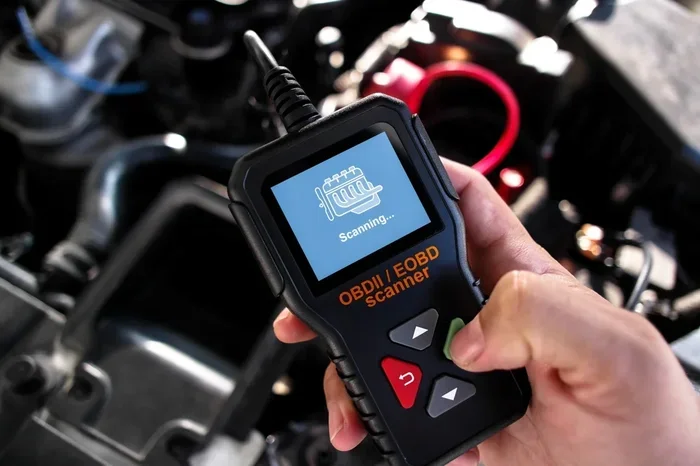
This is the best method. You buy or borrow an OBD-II scanner. You plug it into the diagnostic port under your steering column. You read the codes first. Then you clear them. This way, you know what the codes were and you can monitor if they return.
You can buy a basic scanner for under $30. More advanced models give you live data and freeze frame information. Some even connect to your phone via Bluetooth.
Here is a quick step-by-step:
- Locate your OBD-II port (under the dash on the driver side)
- Plug in the scanner
- Turn the ignition to the on position (do not start the engine)
- Read and note all codes
- Select the option to clear codes
- Start the engine and check if the light stays off
Method 2: Disconnect the Battery
Some people disconnect the car battery to reset codes. This works. But it has downsides. Disconnecting the battery can reset other settings too. Your radio presets, power window calibration, and clock may all reset. Some modern cars may also need a relearn procedure for certain systems.
If you go this route, disconnect the negative terminal first. Wait at least 15 minutes. Then reconnect it. This drains the ECU memory and clears the codes.
Method 3: Visit a Mechanic
If you are not comfortable doing it yourself, take your car to a mechanic or auto parts store. Many shops will read and clear codes for free or a small fee. This is the safest option if you are unsure about what the codes mean.
Quick Tips For Clearing Codes
- Always read codes before clearing them. You need to know what they mean.
- Fix the root cause first. Clearing codes without fixing the problem is pointless.
- Drive for 50-100 miles after clearing. This allows the ECU to run self-tests and confirm the fix.
- Do not clear codes right before an inspection. Drive the car first to make sure no new codes appear.
- Keep a log of your codes. Write them down with the date. This helps track recurring issues.
Common Mistakes People Make With Car Codes
Even well-meaning car owners make mistakes with diagnostic codes. Here are some of the most common ones.
Clearing Codes Without Fixing the Problem
This is the number one mistake. You clear the light because it is annoying. But the actual problem is still there. The code will come back. And now you have wasted time and possibly made the problem worse by driving around with it.
Ignoring Codes That Come and Go
Some codes only appear intermittently. They show up, then disappear. You might think the problem fixed itself. It did not. Intermittent codes often point to electrical connections, vacuum leaks, or sensors that are starting to fail. These issues tend to get worse over time.
Guessing What The Code Means
Every code has a specific definition. But the same code can mean different things on different cars. For example, a P0171 code means the fuel system is too lean. On one car, this could be a vacuum leak. On another, it could be a faulty fuel pump. Do not guess. Use a repair manual or consult a professional.
Using Cheap or Inaccurate Scanners
Not all scanners are created equal. A $20 scanner from a gas station might read basic codes. But it may not read manufacturer-specific codes or provide enough detail. Invest in a decent scanner or rely on a professionals equipment for accurate readings.
Never Monitoring After Clearing
Clearing codes is not a one-time deal. You need to monitor your car afterward. Drive it for a while. Watch the dashboard. If the light comes back on, the problem was not fully fixed. Go back and investigate.
Expert Insights On Car Code Management
We asked a certified ASE master technician about the most common mistakes he sees with car codes. Here is what he had to say:
“I see people all the time who clear codes and drive for months without fixing anything. By the time they come back, the problem has turned into something much bigger and much more expensive. The check engine light is not a suggestion. It is a warning. Treat it like one.”
Another key insight: Modern cars have multiple computers. The engine computer is not the only one. Your transmission, brakes, and even your infotainment system have their own processors. A code in one system does not always mean the problem is in that system. Sometimes a wiring issue or a shared ground point can cause codes to appear in unexpected places.
This is why professional vehicle diagnostics are so valuable. A trained technician knows how all the systems interact. They can trace a problem back to its root cause instead of just clearing the symptom.
Comparison: Clearing Codes vs Ignoring Them
| Factor | Clearing Codes Properly | Ignoring Codes |
|---|---|---|
| Check Engine Light | Turns off after repair | Stays on permanently |
| Repair Costs | Low to moderate | Can become very high |
| Emission Test | Passes easily | Likely to fail |
| Fuel Economy | Maintained or improved | Gradually decreases |
| Safety Risk | Minimal | Increases over time |
| Resale Value | Higher with clean history | Lower due to stored codes |
| Peace of Mind | High | Low |
As you can see, the choice is pretty clear. Taking the time to read and clear codes properly saves you money, stress, and headaches in the long run.
When To Seek Professional Help
Not every code is something you can fix yourself. Some problems require professional tools and expertise. Here are signs that it is time to visit a mechanic:
- The check engine light is flashing (this indicates a severe problem)
- You notice a loss of power or acceleration
- Your car is making unusual noises
- Multiple codes appear at once
- The same code keeps returning after you clear it
- You smell burning, see smoke, or notice fluid leaks
A professional auto repair shop has advanced diagnostic equipment. They can read freeze frame data, which shows exactly what conditions were present when the code was triggered. This information is invaluable for finding the root cause.
Do not be afraid to ask questions at the shop. A good mechanic will explain the codes in plain language. They will tell you what needs to be fixed and why. If they do not, find one who will.
Final Thoughts
So let us come back to the original question. What happens if you dont clear car codes? The answer is simple. Problems get worse. Costs go up. Safety risks increase. And your car suffers in ways you might not even notice until it is too late.
Clearing car codes is not just about turning off a annoying light. It is about taking control of your vehicles health. It is about catching small issues before they become big ones. And it is about keeping your car safe, efficient, and roadworthy.
Whether you use a scanner at home or visit a mechanic, the important thing is to act. Do not let codes sit in your cars computer collecting dust. Read them. Understand them. Fix the problem. Clear the codes. And then drive with confidence knowing your car is running the way it should.
Your car talks to you. The codes are its words. The check engine light is its voice. When it speaks up, listen. Your wallet, your safety, and your peace of mind will thank you for it.
Frequently Asked Questions
Can I clear car codes with a code reader from an auto parts store?
Yes, most auto parts stores will read and clear codes for free using their OBD-II scanner. However, make sure you understand what the codes mean before clearing them. Clearing without knowing the cause can hide a real problem that needs attention.
Will clearing car codes delete any other settings in my vehicle?
Using an OBD-II scanner to clear codes will not affect your radio, windows, or other personal settings. However, disconnecting the battery to clear codes can reset some of those settings. Stick to a scanner for a cleaner reset.
How long should I drive after clearing codes before an inspection?
Drive at least 50 to 100 miles after clearing codes. This gives the ECU time to run its self-tests and confirm everything is working properly. If the check engine light does not come back, you should be in good shape for inspection.
What is the difference between a solid check engine light and a flashing one?
A solid check engine light means there is a detected issue, but it is usually not an emergency. A flashing check engine light indicates a severe problem, often a misfire that can damage your catalytic converter. If your light is flashing, pull over safely and seek help immediately.
Can a loose gas cap trigger a car diagnostic code?
Yes, a loose or damaged gas cap is one of the most common causes of a check engine light. It triggers an EVAP system leak code. Tightening the cap or replacing it often clears the code and turns off the light within a few drive cycles.
Do I need special tools to clear car codes at home?
You need an OBD-II scanner, which is affordable and widely available. Basic models cost under $30 and can read and clear most standard codes. For more advanced diagnostics, you may want a higher-end scanner or visit a professional shop.
=== CONCLUSION ===
What happens if you dont clear car codes is a question every car owner should know the answer to. The consequences are real and they add up fast. From failing emission tests to dropping fuel economy to escalating repair costs, ignoring your diagnostic trouble codes is never a smart move.
The good news is that clearing codes is easy, fast, and often free. A simple OBD-II scanner can give you the answers you need. And once you understand what the codes mean, you can take action before small problems turn into big ones.
Take care of your car, and it will take care of you. Clear those codes. Fix the problems. Drive with confidence. Your car will thank you for it.