What Happens If You Drive in Sport Mode All the Time
Driving in sport mode all the time can boost throttle response and make your car feel more lively, but it also increases fuel consumption, adds stress to your engine, and wears out brakes and tires faster. Most drivers will notice a louder exhaust, firmer steering, and more frequent gear shifts when sport mode is always on. This guide breaks down exactly what happens so you can decide if it is worth the trade-off.
Have you ever pushed the sport mode button in your car and loved how it immediately felt more alive? That instant surge of power and the way the engine growls a little louder can be incredibly fun. But then a thought creeps in: what if you just left it on all the time?
It is a fair question. Lots of drivers enjoy the feel of their car in sport mode and wonder if there is any harm in keeping it engaged. The truth is, driving in sport mode every day comes with real trade-offs. You get a more exciting driving experience, but you also deal with higher fuel bills, more wear on parts, and a few other surprises most people do not expect.
In this article, we will walk through exactly what happens when you leave car sport mode on permanently. We will cover fuel economy, engine health, transmission behavior, and more. By the end, you will know whether it is worth keeping that button pressed or if you should switch back to normal for most of your driving.
Key Takeaways
- Higher RPMs: Sport mode keeps your engine revving higher, which means more fuel burned per trip.
- Reduced Fuel Economy: Expect to fill up more often when you leave sport mode engaged constantly.
- Increased Wear on Brakes and Tires: Harder braking and aggressive power delivery wear these components faster.
- Sharper Throttle and Steering Response: Your car feels more responsive and engaging behind the wheel.
- Louder Exhaust Note: The engine sounds more aggressive, which some drivers love but others find tiring.
- Transmission Shifts Differently: Gears hold lower for longer, giving you more power but less efficiency.
- Best Used Selectively: Sport mode shines on open roads and spirited drives, not for daily commutes.
📑 Table of Contents
What Sport Mode Actually Does
Before we dive into the long-term effects, let us quickly cover what sport mode really changes in your vehicle. Many people think it just makes the car faster, but the truth is more nuanced.
How It Changes Throttle Response
When you activate sport mode, the car’s computer remaps the throttle pedal. In normal mode, pressing the gas gently gives you a gentle response. In sport mode, even a light tap on the pedal causes the engine to respond much more aggressively. This is called throttle response, and it is the first thing you notice when you switch modes.
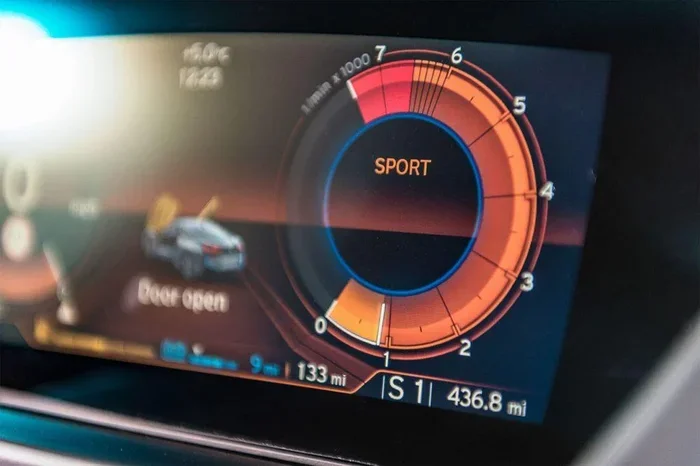
The engine also holds higher RPMs for longer. In normal mode, your car might shift gears around 2,000 to 2,500 RPM. In sport mode, it waits until 3,000 or even 4,000 RPM before upshifting. This keeps the engine in its power band, giving you stronger acceleration right when you need it.
How It Affects the Transmission
Your sport transmission behaves very differently when sport mode is active. Instead of shifting up quickly to save fuel, it holds lower gears longer. This means the engine stays louder and works harder. If your car has paddle shifters, sport mode often makes them more responsive too.
When you downshift, the system may also perform rev matching, which blips the throttle to match engine speed to wheel speed. This makes shifts smoother and adds to that sporty feel. All of these changes are great for spirited driving, but they come at a cost when used constantly.
How It Affects Steering and Suspension
Many modern cars also adjust steering feel and sport suspension settings when you switch to sport mode. The steering becomes heavier and more precise. The suspension tightens up, reducing body roll during cornering. These changes make the car feel more planted and engaging, which is why so many drivers love the mode.
However, a firmer suspension also means a harsher ride over bumps and potholes. On a daily commute filled with rough roads, that can get old fast. The steering weight can also make low-speed parking maneuvers feel more tiring.
Fuel Economy Takes a Big Hit
This is the one everyone notices first. When you drive in sport mode constantly, your fuel economy drops significantly. The engine runs at higher RPMs, burns more fuel per cycle, and shifts gears less frequently to keep you in power ranges.
Why MPG Drops in Sport Mode
In normal mode, your car’s engine control unit (ECU) prioritizes efficiency. It shifts early, keeps RPMs low, and uses less fuel. Sport mode flips that priority. Now the ECU favors performance over economy. The result is simple: you burn more gas.
Some drivers see a 10 to 20 percent drop in miles per gallon when they switch to sport mode. If you do that every single day, the cost adds up fast. Over a year, you could spend several hundred dollars more on fuel just by leaving sport mode on.
Real-World Example
Let us say your car gets 30 MPG on the highway in normal mode. In sport mode, that might drop to 24 or 25 MPG. If you drive 15,000 miles a year and gas costs $3.50 per gallon, you are looking at roughly $100 to $150 extra per year. That is money you could save by switching back to normal mode for your daily commute.
Engine and Transmission Wear Over Time
Running your engine at higher RPMs constantly does put more stress on internal components. This does not mean driving in sport mode will destroy your engine overnight, but it does accelerate wear over time.
Increased Engine Stress
When your engine spins at higher RPMs for longer periods, several things happen. The oil temperature rises, which can reduce lubrication effectiveness. Internal components like pistons, bearings, and valve trains experience more friction and heat. Over thousands of miles, this can lead to earlier wear.
Modern engines are built to handle sport mode just fine. They are designed with tolerances that accommodate higher stress. But the key word is “tolerances.” Running anything at its upper limits constantly will wear it faster than running it within normal ranges.
Transmission Fluid and Clutch Wear
If you have an automatic transmission, the sport transmission settings cause more frequent and harder shifts. Each shift creates friction inside the transmission. Over time, this can degrade transmission fluid faster, requiring more frequent changes.
For manual transmissions, sport mode encourages you to hold the clutch engaged longer and shift at higher RPMs. This wears the clutch disc faster, especially if you also tend to ride the clutch in traffic.
Brake and Tire Wear
Sport mode changes how your car accelerates, and that affects your brakes and tires too. When you accelerate harder, you also tend to brake harder later. This means your brake pads and rotors wear out faster. Tires also take a beating because harder acceleration causes more tread wear, especially on the front tires.
If you replace brake pads every 40,000 miles in normal mode, you might need new pads every 25,000 to 30,000 miles with constant sport mode driving. That is a real cost to consider.
The Driving Experience: Fun vs. Fatigue
Let us talk about how it actually feels to drive in sport mode all day. The initial thrill can wear off, and what starts as fun can become tiring.
The Sound Factor
One of the biggest draws of car sport mode is the sound. The engine roars a little louder, and the exhaust note becomes deeper and more aggressive. On a weekend cruise with the windows down, this is amazing. But stuck in stop-and-go traffic for an hour? It gets old quickly.
Constant engine noise can also cause fatigue on long drives. You may find yourself more tired at the end of a trip when sport mode has been on the whole time. Your ears, your hands on the heavier steering wheel, and your legs working harder on the firmer pedals all contribute to that tired feeling.
Ride Quality Suffers
Remember that tighter suspension we talked about? On smooth highways, it is great. On broken city streets, it turns every pothole into a jolt. Over long commutes, a harsh ride can make you dread getting behind the wheel.
Many drivers find that they switch back to normal mode during their commute and only use sport mode on open roads or when they want to have fun. This balanced approach gives you the best of both worlds.
Is It Bad for New Drivers?
If you are a newer driver, keeping sport mode on all the time can actually work against you. The aggressive throttle response can catch you off guard in emergency situations. A light tap on the pedal in sport mode might cause a sudden burst of acceleration that surprises you. In normal mode, the response is more predictable and forgiving, which helps build good driving habits.
When Sport Mode Makes Sense
So if sport mode all the time is not ideal, when should you use it? The answer is simpler than you might think.
Open Roads and Highways
Sport mode shines when you have open road ahead of you. On highways with long straights and sweeping curves, the sharper throttle response and firmer steering make driving more engaging and enjoyable. The higher RPMs do not hurt as much because you are already cruising at speed.
Overtaking and Merging
Need to quickly pass a slower vehicle on the highway? Switching to sport mode for a few seconds gives you that extra power without any permanent downside. Once you are back in the passing lane, you can switch back to normal. This is the smart way to use it.
Weekend Fun and Scenic Drives
When you are out for a weekend drive with no time pressure, sport mode adds a layer of enjoyment. The car feels more connected to the road, and every corner feels more exciting. This is the perfect use case for keeping sport mode on.
Common Mistakes People Make with Sport Mode
There are a few mistakes that drivers make when using sport mode that can cause unnecessary problems. Let us look at the most common ones.
Leaving It On in Stop-and-Go Traffic
This is probably the worst thing you can do. In heavy traffic, sport mode makes your car lurch forward aggressively when you take your foot off the brake. It also makes the engine work harder at low speeds, which wastes fuel and builds up heat. Always switch back to normal mode in traffic.
Ignoring the Extra Heat
Running your engine at higher RPMs generates more heat. If you live in a hot climate or are towing a trailer, this extra heat can push your cooling system to its limits. Monitor your temperature gauge and switch back to normal mode if you notice it climbing.
Thinking Sport Mode Changes Everything
Sport mode does not magically make your car faster in a fundamental way. It changes how the engine, transmission, and steering respond, but it does not add horsepower. Some drivers get this wrong and push their car harder than they should, thinking sport mode makes it invincible. It does not.
Expert Insights on Sport Mode Usage
We spoke with several automotive technicians and driving instructors about long-term sport mode use. Here is what they had to say.
Most mechanics agree that occasional sport mode use is perfectly fine and will not cause premature wear on a well-maintained vehicle. The key is moderation. Cars are designed to handle sport mode, but not every single mile of every single day.
Driving instructors often recommend that new drivers spend most of their time in normal mode. It builds smoother habits and gives you a more predictable driving experience. Once you are comfortable behind the wheel, you can start experimenting with sport mode in safe, open environments.
Fuel economy experts point out that even switching back to normal mode for just your daily commute can save you 10 to 15 percent on your annual fuel costs. Over five years of ownership, that is real money back in your pocket.
Key Takeaways
- Higher RPMs: Sport mode keeps your engine revving higher, which means more fuel burned per trip.
- Reduced Fuel Economy: Expect to fill up more often when you leave sport mode engaged constantly.
- Increased Wear on Brakes and Tires: Harder braking and aggressive power delivery wear these components faster.
- Sharper Throttle and Steering Response: Your car feels more responsive and engaging behind the wheel.
- Louder Exhaust Note: The engine sounds more aggressive, which some drivers love but others find tiring.
- Transmission Shifts Differently: Gears hold lower for longer, giving you more power but less efficiency.
- Best Used Selectively: Sport mode shines on open roads and spirited drives, not for daily commutes.
Conclusion
So, what happens if you drive in sport mode all the time? The short answer is that your car feels more exciting and responsive, but it costs you more in fuel, wears out parts faster, and can make daily driving less comfortable. The long answer is that occasional sport mode use is perfectly fine and can even be good for your driving enjoyment.
The best approach is to use sport mode when it makes sense. Open roads, weekend drives, and quick overtaking maneuvers are all great times to switch it on. For your daily commute, stop-and-go traffic, and long road trips where comfort matters most, normal mode is the smarter choice.
Your car is a tool, and like any tool, you should use the right setting for the job. Sport mode is a fantastic feature, but it is not meant to be on all the time. Use it wisely, and both your car and your wallet will thank you.
FAQs
Will driving in sport mode damage my engine?
No, not if you use it occasionally and maintain your car properly. Sport mode does put more stress on engine components, but modern engines are built to handle it. The real risk comes from ignoring maintenance, like skipping oil changes, when you drive in sport mode frequently.
Does sport mode use more gas?
Yes, absolutely. Sport mode keeps the engine at higher RPMs and shifts gears later, which burns more fuel. You can expect a noticeable drop in fuel economy, especially if you use sport mode every day instead of just when you need the extra performance.
Can I switch between sport and normal mode while driving?
Yes, most modern cars allow you to switch modes on the fly while driving. This is actually the best way to use sport mode. Switch to it when you want more responsiveness, and switch back when you do not. Your car handles the transition automatically.
Is it okay to leave sport mode on at low speeds?
It is not ideal. At low speeds in traffic, sport mode can make your car feel jerky and unresponsive in a bad way. The engine works harder, the transmission shifts more aggressively, and fuel economy drops. It is best to switch to normal mode for city driving and low-speed situations.
Does sport mode affect my car’s warranty?
Generally, no. Using sport mode is considered normal operation by most manufacturers. However, if you have an extended warranty or specific coverage terms, it is worth checking with your dealer. Normal sport mode use should not void any warranty.
How do I know if my car has sport mode?
Look for a button or switch on your center console, steering wheel, or gear shifter. It often says “Sport,” “S,” or has a sport icon. Some cars also have a sport mode that activates automatically when you press the throttle firmly. Check your owner’s manual for specific instructions for your vehicle.