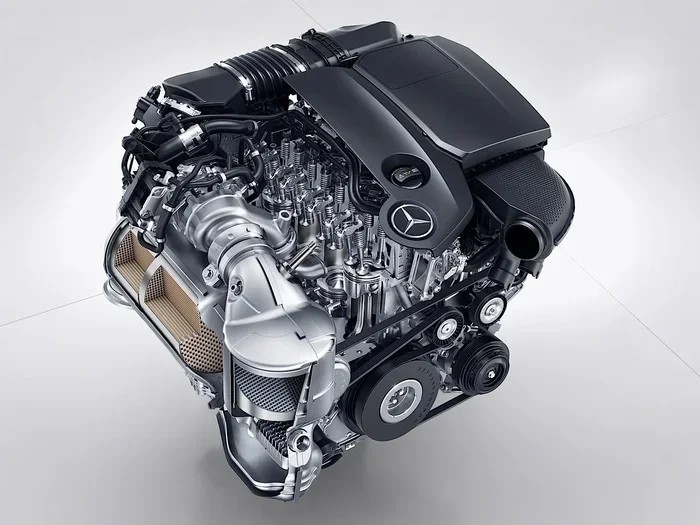
Are Mercedes-Benz Parts Expensive Heres What to Know
Are Mercedes-Benz parts expensive? The short answer is yes, but understanding why can save you thousands. This guide breaks down the true cost of Mercedes-Benz parts, from OEM components to aftermarket alternatives. You’ll learn what drives high repair bills, how to avoid overpaying, and smart strategies to keep your luxury car running without breaking the bank.
Are Mercedes-Benz parts expensive? The short answer is yes, but understanding why can save you thousands. This guide breaks down the true cost of Mercedes-Benz parts, from OEM components to aftermarket alternatives. You’ll learn what drives high repair bills, how to avoid overpaying, and smart strategies to keep your luxury car running without breaking the bank.
Many owners assume that any repair on a German luxury car will drain their wallet. The truth is more nuanced. Part prices vary wildly depending on the component, where you buy it, and who installs it. Labor rates, dealer markups, and the complexity of modern Mercedes systems all play a role. By the end of this article, you will know exactly what to expect and how to manage Mercedes-Benz maintenance cost effectively.
We will compare genuine OEM parts with aftermarket options, break down real-world pricing for common repairs, and share proven tips to reduce your luxury car repair expenses. Whether you own a new C-Class or a classic SL, this guide will help you make smarter decisions about German car parts expense.
Key Takeaways
- OEM parts cost more: They guarantee fit, finish, and factory-backed quality, but you pay a premium for the Mercedes-Benz name.
- Aftermarket parts offer savings: Quality aftermarket alternatives can cut part costs by 30 to 50 percent without sacrificing performance.
- Dealer labor rates are steep: Franchise dealerships charge higher hourly rates than independent Mercedes specialists.
- Preventive maintenance reduces long-term costs: Staying on top of the service schedule prevents expensive breakdowns.
- Independent shops deliver value: A certified independent mechanic can match dealer expertise at a fraction of the price.
- Warranty coverage matters: Knowing what your warranty includes helps you avoid surprise repair bills.
📑 Table of Contents
Are Mercedes-Benz Parts Expensive? The Real Answer
The short answer is that Mercedes-Benz parts generally cost more than parts for mainstream brands like Toyota or Honda. But the full picture requires a closer look at what you are paying for. When you buy a Mercedes-Benz parts expensive component, you are often paying for engineering precision, brand cachet, and dealer infrastructure.
Mercedes-Benz builds vehicles with tight tolerances and advanced materials. An engine sensor or a brake control module is not a simple stamped metal part. It contains microprocessors, software, and rigorous quality testing. That complexity adds to the OEM parts price. However, the same part from a third-party supplier might cost half as much and work just as well for everyday driving.
Why the Brand Premium Exists
Mercedes-Benz charges a premium because the brand promises a certain level of refinement and safety. When you buy a genuine Mercedes part, you get a part that meets exact factory specifications. The company tests these parts under extreme conditions. This quality assurance adds cost, but it also gives peace of mind. If you are concerned about safety in alternative fuel vehicles, you might also wonder about the safety of hydrogen cars. You can read more in our article on Are Hydrogen Cars Safe.
The dealer network also adds a layer of cost. Franchise dealerships have high overhead: large showrooms, trained technicians, and expensive diagnostic tools. They pass some of that overhead to the customer through higher part markups. Understanding this helps you see why a Mercedes-Benz parts expensive sticker is not just about the part itself.
The Real Cost Breakdown
Let us look at what you actually pay when a repair is needed. The total invoice includes the part price and the labor charge. Both can vary significantly. Here is a typical breakdown for common Mercedes-Benz repairs.
OEM vs Aftermarket Parts
The biggest factor in part cost is whether you choose OEM (Original Equipment Manufacturer) or aftermarket. OEM parts are made by the same supplier that provides Mercedes-Benz, but they carry the Mercedes brand name. Aftermarket parts are made by independent companies that meet or exceed OEM specifications.
| Feature | OEM Parts | Aftermarket Parts |
|---|---|---|
| Price Range | High (2 to 4 times aftermarket) | Moderate (30 to 50 percent less than OEM) |
| Fit and Finish | Perfect factory match | Very good, may need minor adjustment |
| Warranty | Mercedes-Benz dealer warranty | Varies by supplier, often lifetime |
| Availability | Dealer only, sometimes backordered | Widely available online and locally |
| Quality Assurance | Strict Mercedes testing | Reputable brands meet ISO standards |
For non-critical parts like mirrors, trim pieces, or air filters, aftermarket options are almost always the smart choice. For safety-critical items like airbags or brake ABS modules, many owners prefer OEM to ensure perfect function. If you are replacing lighting components, you might wonder whether high beams and brights are the same thing. We explain that in our guide on Are High Beams And Brights The Same Thing.
Labor Rates: Dealer vs Independent
Labor is where the cost gap really widens. Mercedes-Benz dealers typically charge between $180 and $250 per hour. Independent Mercedes specialists charge $90 to $140 per hour. That means a two-hour repair can cost $360 to $500 at a dealer but only $180 to $280 at an independent shop. The work is often identical because independent technicians use the same Mercedes diagnostic software and training.
Some repairs require specialized tools, like a hydraulic engine hoist or a transmission fluid exchange machine. Dealers have these on-site. Many independents do too, but you should confirm before booking. Always ask for a detailed repair invoice breakdown so you can see exactly what you are paying for.
How to Save Money on Mercedes-Benz Parts
Saving money on Mercedes-Benz parts expensive repairs does not mean sacrificing quality. It means being an informed shopper. Here are the best strategies to lower your luxury car repair bills.
Buy Quality Aftermarket Parts
Reputable aftermarket brands like Bosch, Lemförder, and Bilstein supply parts to Mercedes-Benz themselves. Their aftermarket versions carry the same engineering but skip the Mercedes branding. You can save 30 to 50 percent on items like brake rotors, suspension control arms, and water pumps. When buying online, stick to well-known retailers with good return policies. Avoid the cheapest no-name parts for critical systems like brakes or steering.
Choose the Right Repair Shop
An independent Mercedes specialist offers the best value for most repairs. These shops focus exclusively on German cars. Their technicians are trained on the latest models and have access to the same diagnostic software as dealers. They also have lower overhead, which translates to lower labor rates. Before choosing a shop, ask if they specialize in Mercedes-Benz vehicles and whether they offer a warranty on their work.
Use Online Parts Retailers
Buying parts online can save you another 10 to 20 percent compared to local parts stores. Sites like RockAuto, FCP Euro, and Pelican Parts offer competitive pricing on both OEM and aftermarket components. You can compare prices instantly and read customer reviews. Just make sure the part number matches your vehicle’s year, model, and engine code.
Preventive Maintenance Is the Best Savings
The cheapest part is the one you never have to replace. Following the Mercedes-Benz service schedule prevents small issues from becoming expensive failures. For example, replacing a worn serpentine belt at 60,000 miles costs around $150. Letting it snap can damage the water pump and cost over $1,000. Regular oil changes, brake inspections, and coolant flushes keep your car healthy and your maintenance costs predictable.
When Expensive Parts Are Worth the Investment
Not every part should be replaced with the cheapest option. Some components directly affect safety and long-term reliability. Here is when paying more makes sense.
Safety-Critical Components
Airbags, seatbelt pretensioners, ABS modulators, and steering racks are safety-critical. A counterfeit or low-quality aftermarket airbag may not deploy correctly in a crash. For these parts, OEM or top-tier aftermarket from trusted brands is the right choice. Similarly, if you are dealing with interior components, you might need to remove and reinstall car seats. Find out if that is easy in our article on Are Car Seats Easy To Take Out.
Warranty Considerations
If your Mercedes-Benz is still under factory warranty, use the dealer for repairs. Aftermarket parts can sometimes void warranty coverage on the specific component being replaced. Once the warranty expires, you have more freedom to choose lower-cost alternatives without risk. If you have an extended warranty, read the fine print to understand which parts and shops are covered.
Common Mistakes That Increase Your Repair Bills
Avoiding these pitfalls can save you hundreds or even thousands of dollars over the life of your Mercedes-Benz.
Ignoring the Maintenance Schedule
Many owners skip services because the car seems fine. But modern Mercedes vehicles rely on complex electronics and fluids that degrade over time. Neglecting a coolant flush can lead to a cracked radiator and an engine overheat. Skipping transmission fluid changes can cause rough shifting and eventual failure. Stick to the service intervals in your owner’s manual.
Choosing the Cheapest Part for Critical Systems
A $40 brake rotor from an unknown brand might seem like a bargain. But it could warp after 10,000 miles and damage your new brake pads. You end up paying for the rotor again plus the extra labor. The same applies to cheap alternators, starter motors, and fuel pumps. Always check the brand reputation and warranty before buying the lowest-priced option.
Not Getting Multiple Quotes
Dealerships sometimes quote a high price because they assume you will just say yes. Always get at least two or three quotes for any major repair. You can call an independent shop, visit a local Mercedes specialty garage, and even get an online estimate. Comparing quotes gives you leverage and often reveals a better option.
Expert Tips for Keeping Mercedes-Benz Maintenance Costs Down
These practical tips come from experienced Mercedes technicians and long-term owners. They will help you manage German car parts expense without sacrificing performance.
Leverage Extended Warranties and Prepaid Maintenance
If you buy a used Mercedes, consider an extended warranty or a prepaid maintenance plan. These can cap your out-of-pocket costs for covered repairs. Just read the contract carefully to understand exclusions and deductibles. A good plan can turn an unpredictable Mercedes-Benz maintenance cost into a fixed monthly expense.
DIY Simple Tasks
You can handle simple maintenance yourself if you are comfortable under the hood. Replacing cabin air filters, windshield wipers, and engine oil is straightforward on most Mercedes models. You will need basic tools and a few hours. Just make sure you use the correct oil grade and filter specification. For tasks involving safety systems, always leave them to a professional.
Compare Quotes for Complex Repairs
For major jobs like transmission rebuilds or engine replacements, get quotes from at least three shops. Ask each shop to break down the part cost and labor separately. This transparency helps you spot any inflated charges. A good shop will explain the work in plain language and answer your questions patiently.
Keep Records and Build a Relationship
Maintain a log of all repairs and services. This history helps you track recurring issues and negotiate better prices in the future. Building a relationship with a trusted independent mechanic means they will give you honest advice rather than upselling unnecessary work. A good mechanic becomes a partner in keeping your car reliable and affordable.
Conclusion
So, are Mercedes-Benz parts expensive? Yes, they often cost more than parts for mass-market vehicles. But the extra expense is not just a brand tax. It reflects the advanced engineering, strict quality standards, and complex technology that make a Mercedes-Benz special. By choosing quality aftermarket parts for non-critical components, working with skilled independent shops, and staying on top of preventive maintenance, you can significantly reduce your luxury car repair bills. The key is to be an informed buyer who understands what they are paying for. With the right approach, you can enjoy the luxury and performance of a Mercedes without the sticker shock that comes with every repair.
Frequently Asked Questions
Why are Mercedes-Benz parts so much more expensive than Honda or Toyota parts?
Mercedes-Benz uses advanced materials, complex electronics, and rigorous testing that cost more to produce. The brand also charges a premium for its engineering reputation and dealer support infrastructure. Aftermarket alternatives can help close the gap for many components.
Can I use aftermarket parts on my Mercedes-Benz without voiding the warranty?
For most parts, yes. The Magnuson-Moss Warranty Act protects your right to use aftermarket parts. However, if a specific aftermarket part causes a failure in a related component, the dealer might deny the claim. Using reputable brands minimizes this risk.
How much can I save by going to an independent shop instead of a dealer?
You can typically save 30 to 50 percent on labor costs. Parts savings vary, but buying aftermarket parts online can add another 20 to 40 percent reduction. Overall, a repair that costs $1,000 at a dealer might cost $500 to $700 at a qualified independent shop.
Are OEM parts always better than aftermarket parts?
Not always. OEM parts guarantee a perfect fit and come with the dealer warranty. But top-tier aftermarket parts from brands like Bosch or Lemförder are often made in the same factories and meet the same standards. For routine wear items, quality aftermarket parts are an excellent choice.
What is the most expensive Mercedes-Benz part to replace?
Transmission assemblies, air suspension systems, and engine control units are among the priciest. A new transmission can cost several thousand dollars. Regular maintenance and prompt attention to warning signs help avoid these major expenses.
How often should I service my Mercedes-Benz to keep repair costs low?
Follow the service intervals in your owner’s manual. Typically, this means an oil change every 10,000 miles or once a year, a major service every 20,000 miles, and regular inspections of brakes, fluids, and belts. Staying current with these intervals prevents costly breakdowns.