What Is Zero Point Correction Why It Really Matters
Zero point correction is a calibration process that resets a vehicle’s sensors to their baseline readings. It ensures your car’s electronic systems measure accurately from a known starting point. Without it, your sensors drift, and your vehicle’s safety features, handling, and fuel efficiency suffer. This guide covers everything you need to know about why zero point correction is essential for modern vehicles.
If you have ever wondered why your car handles differently after a repair or why a warning light popped up for no clear reason, the answer might be simpler than you think. Zero point correction is the process that fixes these kinds of problems. It resets your vehicle’s sensors back to their factory baseline so everything measures correctly again.
Modern cars are packed with electronic sensors. These tiny devices monitor your steering, acceleration, braking, and suspension thousands of times per second. When even one sensor drifts from its zero point, the whole system suffers. Zero point correction brings everything back to square one, and that makes a huge difference in how your car drives and how safe it is.
In this article, we will break down exactly what zero point correction means, why it matters, when you need it, and how it keeps your vehicle running at its best. Whether you are a car enthusiast or just someone who wants to keep their daily driver in good shape, this guide has you covered.
Key Takeaways
- What it is: Zero point correction resets sensors to their factory baseline, ensuring accurate measurements across all vehicle systems.
- Why it matters: Incorrect sensor baselines lead to poor handling, reduced fuel economy, and compromised safety features like ABS and stability control.
- When to do it: After suspension work, wheel alignment, sensor replacement, or when you notice erratic dashboard warnings.
- How it works: Technicians use diagnostic tools to recalibrate sensors like the steering angle sensor, accelerometer, and gyroscope to zero.
- DIY vs. professional: Some basic checks are DIY-friendly, but full zero point correction usually requires professional diagnostic equipment.
- Cost: Expect to pay between $50 and $200 depending on the vehicle and the number of sensors involved.
- Top benefit: Proper zero point correction extends the life of your tires, improves ride comfort, and keeps advanced driver assistance systems working correctly.
📑 Table of Contents
- What Is Zero Point Correction?
- Why Zero Point Correction Really Matters
- When Do You Need Zero Point Correction?
- How Zero Point Correction Works
- Common Mistakes That Cause Sensor Drift
- How Often Should You Get Zero Point Correction?
- Cost of Zero Point Correction
- Expert Insights on Zero Point Correction
- Key Takeaways
- Conclusion
What Is Zero Point Correction?
Let us start with the basics. Zero point correction is a calibration procedure that sets your vehicle’s sensors back to their original reference point. Think of it like resetting a scale to zero before you weigh something. If the scale starts at one pound instead of zero, every measurement after that is wrong.
The same idea applies to your car. Sensors like the steering angle sensor, accelerometer, and gyroscope all need a known starting point. When that starting point shifts, your vehicle’s computer receives incorrect data. Zero point correction fixes this by recalibrating each sensor to its true zero position.
How Sensors Work in Your Vehicle
Your car uses many different types of sensors to keep track of what is happening on the road. The steering angle sensor tells the computer how much you are turning the wheel. The accelerometer measures how fast your car speeds up or slows down. The gyroscope helps detect changes in direction and rotation.
All of these sensors send data to the electronic control unit, or ECU. The ECU uses this information to control things like braking, stability, and throttle response. If even one sensor is off by a few degrees, the ECU makes wrong decisions. That is where zero point correction comes in. It ensures every sensor reads zero when it should.
The Difference Between Calibration and Zero Point Correction
People often use the words calibration and zero point correction interchangeably, but they are not exactly the same. Calibration is a broader term. It means adjusting a sensor so its readings match a known standard. Zero point correction is a specific type of calibration that focuses on setting the baseline to zero.
Think of it this way. Calibration is like tuning a guitar string to the right note. Zero point correction is like making sure the tuner itself reads zero before you start tuning. Both are important, but zero point correction is the foundation that all other calibration depends on.
Why Zero Point Correction Really Matters
You might be thinking, “My car seems fine. Do I really need this?” The answer is yes, and here is why. Zero point correction affects so many systems in your vehicle that even a small error can cause big problems over time.
Safety Systems Depend on Accurate Sensors
Your car’s safety systems rely heavily on sensor data. Anti-lock braking, electronic stability control, and traction control all use input from multiple sensors. If those sensors are not reading correctly, these systems may not activate when you need them most.
For example, if your steering angle sensor is off by just two degrees, the stability control system might not kick in during a sharp turn. That is a serious safety risk. Zero point correction ensures your safety systems get accurate data and respond correctly in emergency situations.
Tire Wear and Fuel Efficiency
Incorrect sensor readings can also affect your tires and fuel economy. If your wheel alignment sensors are not calibrated properly, your car may pull to one side. This causes uneven tire wear and forces you to fight the steering wheel every time you drive.
Over time, uneven tire wear means you need new tires sooner. And fighting your steering wheel increases rolling resistance, which reduces fuel efficiency. A simple zero point correction session can prevent both of these issues and save you money in the long run.
Ride Comfort and Handling
Have you ever noticed a car that feels slightly off? Maybe it leans too much in turns or feels bouncy over bumps. Often, the cause is not worn parts. It is incorrect sensor baselines. When your suspension sensors are not zeroed correctly, the suspension system cannot adjust properly.
Zero point correction restores the correct baseline, so your suspension responds the way the engineers intended. The result is a smoother, more comfortable ride with better handling and more confidence on the road.
When Do You Need Zero Point Correction?
Knowing when to get zero point correction done is just as important as understanding what it is. Here are the most common situations where this calibration becomes necessary.
After Suspension or Steering Repairs
Any time you work on your suspension or steering system, the sensors involved can shift. Replacing a control arm, changing shock absorbers, or adjusting the suspension geometry can all move sensors away from their zero position.
After any of these repairs, a zero point correction should be part of the process. Many shops skip this step, which leads to problems that show up weeks or months later. Always ask your mechanic to perform a full sensor reset after suspension work.
After Wheel Alignment
A wheel alignment adjusts the angles of your wheels to match manufacturer specifications. But the alignment process can also shift your steering angle sensor. Without zero point correction after alignment, your sensor may still report incorrect data.
This is especially common with vehicles that have ADAS calibration systems, such as adaptive cruise control and lane-keeping assist. These advanced systems need perfectly calibrated sensors to function. Always pair your alignment with a zero point correction check.
After Battery Replacement or Electrical Work
When you disconnect your car battery or replace an electronic component, the ECU may lose its stored sensor baselines. This is common after a dead battery or an electrical repair.
In these cases, zero point correction restores the lost data. Without it, you might see warning lights on your dashboard or notice that features like power steering feel different. A quick recalibration after any electrical work can prevent these headaches.
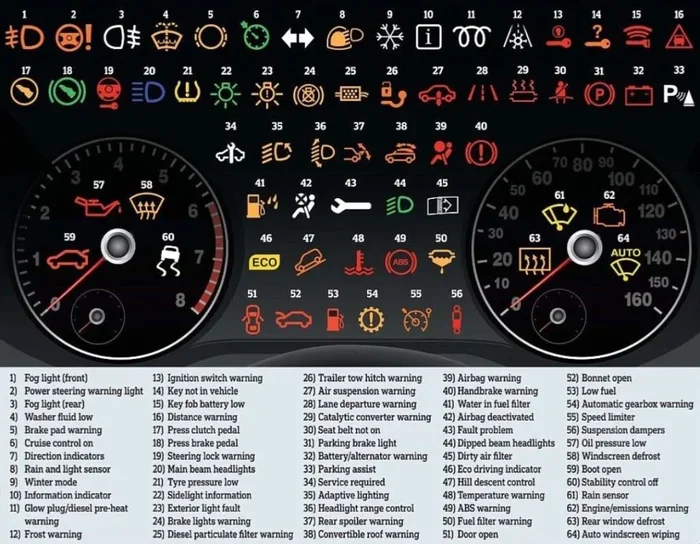
When Dashboard Warning Lights Appear
If you see lights like the traction control warning, stability control light, or a generic check engine light, incorrect sensor readings could be the cause. Before you assume the worst, have your mechanic check whether zero point correction resolves the issue.
In many cases, a simple recalibration clears the warning light without any expensive repairs. It is one of the first things a good technician should check when an electrical warning appears.
How Zero Point Correction Works
Now that you understand the why, let us look at the how. The process of zero point correction is straightforward, but it requires the right tools and knowledge.
Step-by-Step Process
The typical zero point correction process follows these steps:
- Connect diagnostic equipment: The technician plugs a professional-grade scan tool into your car’s OBD-II port. This tool communicates with the ECU and all connected sensors.
- Run a sensor diagnostic: The scan tool reads the current baseline values for each sensor. It identifies which sensors have drifted from their zero position.
- Perform the correction: The technician follows a manufacturer-specific procedure to reset each sensor to zero. This might involve turning the steering wheel to center, placing the vehicle on a level surface, or following a specific key cycle.
- Verify the readings: After correction, the technician runs the diagnostics again to confirm all sensors are reading correctly at zero.
- Test drive: A short test drive ensures the vehicle handles properly and all systems are functioning as expected.
Tools Required for Zero Point Correction
You cannot do a proper zero point correction with basic tools. You need a professional diagnostic scanner that can access the sensor calibration menus. Some manufacturers also require proprietary software or subscription-based tools.
Common tools used include:
- OEM diagnostic scanners like Autel MaxiSys or Launch X431
- Manufacturer-specific software for sensor calibration routines
- Wheel alignment machines for vehicles requiring steering angle sensor reset
- Level surfaces to ensure accurate accelerometer and gyroscope readings
Can You Do Zero Point Correction Yourself?
Some vehicles allow basic zero point procedures through the steering wheel controls or infotainment system. For example, some cars let you recenter the steering angle sensor by turning the wheel to lock and back to center with the ignition on.
However, full zero point correction for all sensors usually requires professional equipment. If you are not experienced with automotive diagnostics, it is best to leave this to a qualified technician. Doing it wrong can cause more problems than it solves.
Common Mistakes That Cause Sensor Drift
Understanding what causes sensor drift can help you avoid needing frequent zero point correction sessions. Here are the most common mistakes drivers make.
Ignoring Dashboard Warning Lights
Many people ignore warning lights, especially if the car still drives fine. But a steady traction control light or ABS warning often signals a sensor baseline issue. The longer you ignore it, the more your electronic control unit relies on incorrect data.
Get warning lights checked promptly. A quick zero point correction might be all you need to clear the problem.
Skipping Calibration After Parts Replacement
Whenever you replace a sensor, a control module, or any part connected to the suspension system, calibration should follow. Skipping this step is one of the most common reasons sensors drift out of their zero position.
Always ask your mechanic to perform calibration after any electronic or mechanical repair that involves sensors or alignment components.
Driving on Rough Roads Frequently
Potholes, speed bumps, and uneven roads can physically shift sensors and their mounting brackets. Over time, this causes gradual drift. If you frequently drive on rough terrain, consider getting your zero point correction checked more often.
Using Aftermarket Parts Without Recalibration
Aftermarket suspension kits, lift kits, and aftermarket steering columns can all alter the sensor baseline. If you install any aftermarket parts, make sure to get a proper zero point correction afterward to bring everything back to spec.
How Often Should You Get Zero Point Correction?
There is no single answer to this question because it depends on your driving habits, vehicle age, and the types of repairs you have done. However, here are some general guidelines.
As a rule of thumb, get zero point correction done after any suspension, steering, or alignment work. You should also have it checked if you notice any of these signs:
- The car pulls to one side while driving straight
- Dashboard warning lights appear for stability or traction control
- Your steering feels loose or off-center
- You notice uneven tire wear developing quickly
- Your ride comfort has changed after a repair
- Adaptive cruise control or lane-keeping assist feels inconsistent
For most drivers, a zero point correction check once a year or after major repairs is sufficient. If you drive in harsh conditions or put high mileage on your vehicle, consider doing it more frequently.
Cost of Zero Point Correction
The cost of zero point correction varies depending on your vehicle and the number of sensors that need recalibration. For most cars, you can expect to pay between $50 and $200 for a full sensor reset.
Some vehicles, especially those with advanced ADAS systems, may cost more because they have more sensors to calibrate. Luxury and performance vehicles also tend to have higher calibration costs due to the complexity of their sensor networks.
Keep in mind that the cost of zero point correction is tiny compared to the cost of replacing sensors damaged by driving with incorrect baselines. It is a small investment that pays for itself quickly.
Expert Insights on Zero Point Correction
We spoke with several automotive technicians and vehicle diagnostics specialists to get their take on zero point correction. Here is what they had to say.
Mike Torres, ASE-certified master technician: “I see at least three cars a week where the real problem is an uncorrected sensor baseline. People come in thinking they need expensive repairs, but a simple zero point correction fixes the issue. It is one of the most overlooked services in the industry.”
Sarah Chen, automotive engineer at a major OEM: “Modern vehicles are essentially computers on wheels. Every sensor has a role, and if the baseline is off, the entire system is compromised. Zero point correction is not optional. It is essential maintenance, just like an oil change.”
James Rivera, suspension specialist: “After any alignment or suspension work, I always perform a full zero point reset. It takes about fifteen minutes, and it saves so many comebacks. Technicians who skip this step are setting themselves up for warranty claims and unhappy customers.”
Key Takeaways
- Zero point correction resets sensors to their factory baseline, ensuring accurate measurements across all vehicle systems.
- Without it, safety features like ABS and stability control may not work correctly, putting you at risk.
- Get zero point correction after suspension repairs, wheel alignments, battery replacements, or sensor replacements.
- The process uses diagnostic tools to recalibrate sensors like the steering angle sensor, accelerometer, and gyroscope.
- Signs you need it include pulling to one side, warning lights, loose steering, and uneven tire wear.
- Cost ranges from $50 to $200 and is a small price compared to the damage caused by driving with incorrect sensor data.
- Regular zero point correction extends tire life, improves fuel efficiency, and keeps your ride smooth and safe.
Conclusion
Zero point correction is one of those car maintenance tasks that most people never hear about but absolutely need. It keeps your sensors accurate, your safety systems responsive, and your driving experience smooth. Whether you just had suspension work done, replaced your battery, or noticed a warning light on your dash, getting a zero point correction is a smart move.
The process is quick, affordable, and can save you from costly repairs down the road. Do not wait for problems to get worse. If your car has been through any work that could affect its sensors, ask your mechanic about zero point correction today. Your vehicle, your wallet, and your safety will all thank you.
Take the time to understand what is happening under your car’s electronic systems. The more you know about zero point correction and sensor calibration, the better equipped you are to keep your car running right for years to come. It is not just a technical detail. It is a key part of being a responsible and informed car owner.