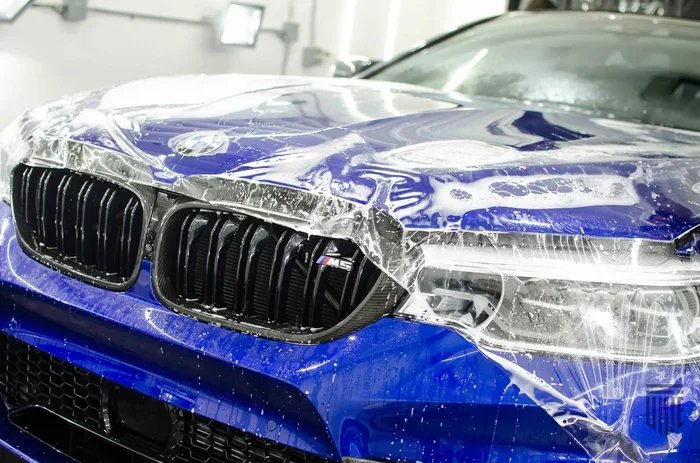
What Is Car Paint Protection Film And Why It Matters
Car paint protection film is a clear, durable urethane layer applied to your vehicle’s exterior to shield the paint from damage. Also known as PPF or clear bra, this transparent film guards against chips, scratches, and environmental hazards. Paint protection film is self-healing, meaning minor scratches disappear with heat. Installing car paint protection film preserves your vehicle’s resale value and keeps it looking brand new for years.
You just washed your car and noticed a long, ugly scratch running down the hood. Maybe it came from a shopping cart in the parking lot. Or perhaps a small rock kicked up by a semi-truck left a chip on your front bumper. Either way, your paint took a hit, and now you are wondering if there is a way to prevent this in the future.
This is where car paint protection film comes in. Also called PPF or clear bra, this transparent layer acts like armor for your vehicle’s paint. It absorbs impacts, resists scratches, and keeps your car looking fresh long after it rolls off the lot. If you have ever considered protecting your vehicle’s exterior but did not know where to start, this guide covers everything you need to know.
Key Takeaways
- Paint Protection Film Defined: PPF is a transparent, thermoplastic urethane layer that shields your car’s paint from physical and environmental damage.
- Self-Healing Technology: Advanced PPF films use elastic memory to repair minor scratches and swirl marks when exposed to heat.
- Key Benefits: PPF protects against rock chips, bug splatter, UV damage, bird droppings, and everyday scratches that degrade your paint.
- PPF vs Ceramic Coating: PPF offers physical impact protection, while ceramic coating provides chemical resistance and gloss. Many owners use both for maximum defense.
- Proper Maintenance Matters: Regular washing, avoiding harsh chemicals, and using PPF-safe products extend the film’s lifespan significantly.
- Cost Is Worth the Investment: While PPF requires an upfront cost, it saves thousands in paint repair and preserves your vehicle’s resale value.
📑 Table of Contents
- What Is Car Paint Protection Film?
- How Does Paint Protection Film Work?
- Benefits of Installing Paint Protection Film
- PPF vs Ceramic Coating: Which Is Better?
- Common Mistakes to Avoid with PPF
- How to Maintain Your Paint Protection Film
- Is Paint Protection Film Worth the Cost?
- How to Choose the Right Paint Protection Film
- Final Thoughts
What Is Car Paint Protection Film?
Car paint protection film is a clear, thin layer of thermoplastic urethane applied directly to your vehicle’s painted surfaces. It is designed to take the beating so your original paint does not have to. The film is virtually invisible once installed, which means your car keeps its factory finish without any visible changes.
The concept of paint protection film started in the military. Helicopter blades needed protection from debris, so a clear, durable material was developed for that purpose. The automotive industry quickly saw the potential, and the technology evolved into what we now use on passenger vehicles. Today, PPF is used on everything from daily drivers to luxury supercars.
The film itself is made from multiple layers. The top layer is a clear coat that provides UV resistance and self-healing properties. The middle layer is the thickest part, offering impact resistance and scratch protection. The bottom layer is an adhesive that bonds securely to your car’s paint surface. Together, these layers create a strong shield that can last for years.
What Is PPF Made Of?
Most quality paint protection film is made from thermoplastic polyurethane, often abbreviated as TPU. This material is flexible, durable, and resistant to yellowing. Unlike cheaper vinyl wraps, genuine PPF is engineered specifically for paint protection. It conforms to curves, edges, and contours of your vehicle without bubbling or peeling.
The thickness of the film varies by brand and quality. Standard films range from 6 to 8 mils thick. Premium films can go up to 10 mils or more. Thicker films offer better impact resistance but may be harder to install. The best automotive paint protection films also include a hydrophobic top layer that repels water and dirt.
How Does Paint Protection Film Work?
Understanding how PPF works helps you appreciate why it is so effective. The film acts as a sacrificial barrier between your paint and the outside world. When something hits your car, the film takes the damage instead of the paint beneath it.
Here is how the process works step by step:
- The film is custom-cut to match each panel of your vehicle.
- A professional installs the film using a soapy solution and heat.
- The adhesive bonds the film to the paint surface.
- The top clear coat layer absorbs UV rays and minor impacts.
- If a scratch occurs, heat from the sun or a warm water rinse helps the film self-heal.
The self-healing feature is one of the most impressive aspects of modern paint protection film. When a minor scratch damages the clear coat layer, the elastic memory of the TPU material allows it to revert back to its original shape. This happens when the film is warmed by sunlight or warm water. Small swirl marks and light scratches vanish before your eyes.
Does PPF Really Protect Against Rock Chips?
Yes, absolutely. One of the biggest reasons people invest in car paint protection film is to prevent rock chips. When you drive on highways, small stones and debris fly up from the road and hit your front bumper, hood, and fenders. Over time, these impacts chip away at your clear coat and expose the bare paint underneath.
PPF absorbs the force of these impacts. Instead of a rock chipping your paint, the film takes the hit. You may notice a small mark on the film itself, but the paint underneath stays intact. This is especially important for the front end of your vehicle, which takes the most abuse from road debris.
Benefits of Installing Paint Protection Film
The advantages of paint protection film go far beyond just preventing rock chips. Here is a closer look at the key benefits that make PPF such a popular choice among car owners.
1. Preserves Your Vehicle’s Appearance
Your car’s paint is one of its most valuable features. A fresh, glossy finish makes any vehicle look stunning. But over time, UV rays, acid rain, bird droppings, and tree sap all take a toll. Paint protection film acts as a barrier against all of these elements, keeping your paint looking like new.
2. Increases Resale Value
If you ever plan to sell or trade in your vehicle, the condition of the paint matters a lot. Cars with well-maintained paint command higher prices. A vehicle with clear coat protection shows less wear and tear, which buyers notice immediately. Investing in PPF today can pay off significantly when it is time to sell.
3. Reduces Maintenance Costs
Paint correction, touch-up jobs, and clear coat repairs can be expensive. A single paint repair on a luxury vehicle can cost hundreds or even thousands of dollars. Car paint protection film reduces the need for these repairs by preventing damage in the first place. Over the life of your vehicle, PPF can save you a significant amount of money.
4. Protects Against Environmental Damage
Your car faces many environmental threats every day:
- UV rays cause paint to fade and oxidize over time.
- Bird droppings are highly acidic and can eat through clear coat.
- Tree sap is difficult to remove and can permanently stain paint.
- Road salt during winter months accelerates corrosion.
- Bug splatter contains acids that damage paint on contact.
Paint protection film shields your car from all of these hazards. The film’s top layer resists chemical etching, and the adhesive bond prevents contaminants from reaching your paint surface.
5. Enhances Gloss and Shine
High-quality PPF actually enhances the appearance of your paint. Premium films have a gloss finish that amplifies the depth and clarity of your vehicle’s factory paint. Many owners report that their car looks even better with PPF than without it.
PPF vs Ceramic Coating: Which Is Better?
One of the most common questions people ask is whether they should choose PPF or ceramic coating. Both products protect your car’s paint, but they work in very different ways. Let us compare them side by side.
| Feature | Paint Protection Film | Ceramic Coating |
|---|---|---|
| Type of Protection | Physical barrier against impact and scratches | Chemical barrier against contaminants |
| Scratch Resistance | Excellent, with self-healing properties | Moderate, no self-healing |
| Impact Protection | High, absorbs rock chips and debris | None, does not prevent physical damage |
| Hydrophobic Effect | Moderate on premium films | Excellent, strong water repellency |
| Lifespan | 5 to 10 years | 2 to 5 years |
| Cost | Higher upfront cost | Lower upfront cost |
| Best For | Impact and scratch prevention | Chemical resistance and gloss enhancement |
The truth is, these two products complement each other rather than compete. Many car enthusiasts apply paint protection film to high-impact areas like the front bumper, hood, and fenders. They then apply a ceramic coating to the rest of the vehicle for chemical protection and a slick, glossy finish. This combination approach gives you the best of both worlds.
If you have a limited budget, prioritize PPF on the most vulnerable areas of your car. The front end takes the most abuse from road debris, so protecting it first makes the most sense. You can always add ceramic coating to the rest of the vehicle later.
Common Mistakes to Avoid with PPF
Even though car paint protection film is incredibly effective, mistakes during installation or maintenance can reduce its performance. Here are the most common pitfalls to watch out for.
1. Choosing Cheap, Low-Quality Film
Not all PPF is created equal. Budget films often yellow, peel, or lose their self-healing properties within a year or two. Investing in a reputable brand ensures you get the full benefits of paint protection film. Look for films from established manufacturers with proven track records in the automotive industry.
2. Skipping Professional Installation
DIY PPF kits are available online, but they often lead to bubbles, misalignment, and premature peeling. Professional installers have the tools, experience, and environment needed for a flawless application. Poorly installed PPF can trap moisture and actually cause paint damage underneath.
3. Using Harsh Chemicals for Cleaning
After paint protection film installation, you need to be mindful of what products you use on your car. Ammonia-based cleaners, abrasive polishes, and harsh degreasers can damage the film’s clear coat and degrade its self-healing properties. Always use pH-neutral, PPF-safe cleaning products.
4. Ignoring Regular Maintenance
PPF is durable, but it still needs regular care. Dirt and grime buildup can dull the film’s appearance over time. Washing your car every one to two weeks and using a PPF-safe detail spray keeps the film looking its best and maintains its protective qualities.
5. Applying PPF to Damaged Paint
Never apply car paint protection film over chipped, scratched, or damaged paint. The adhesive can trap moisture against the damaged area, making the problem worse. Always repair any existing paint damage before installing PPF. This ensures the film bonds properly and provides maximum protection.
How to Maintain Your Paint Protection Film
Taking care of your PPF is simple, but it does require some consistency. Follow these tips to keep your film looking great and performing well for years.
- Wash your car regularly using a pH-neutral car shampoo and a soft microfiber wash mitt.
- Avoid automatic car washes with harsh brushes, as they can scratch the film surface.
- Use a PPF-safe sealant every few months to maintain the hydrophobic layer.
- Hand dry your car with a clean microfiber towel to prevent water spots.
- Avoid parking under trees when possible, as tree sap can be difficult to remove from PPF.
- Address bird droppings quickly, as the acidity can etch through the film if left too long.
- Inspect the edges of the film periodically, as these areas are most prone to lifting.
With proper care, high-quality paint protection film can last anywhere from five to ten years. Premium films often come with warranties of up to ten years, which gives you peace of mind that your investment is protected.
Quick Tips for PPF Care
- Always rinse your car before washing to remove loose dirt and grit.
- Use a dedicated PPF cleaner rather than generic car wash products.
- Avoid high-pressure washers directed at the film edges.
- Apply a ceramic coating over PPF for extra gloss and protection.
- Keep your car garaged or parked in a shaded area when possible.
Is Paint Protection Film Worth the Cost?
The cost of paint protection film varies depending on the vehicle size, film quality, and coverage area. A full-body PPF application for a sedan can range from $2,000 to $6,000. For larger vehicles like SUVs and trucks, the cost can go even higher. Partial applications covering the most vulnerable areas typically cost between $500 and $2,000.
But here is the thing: the cost of repainting a single panel can easily exceed $1,500 for a modern vehicle with specialty paint. Add in the cost of clear coat repair, color matching, and the time involved, and the math quickly favors PPF. Car paint protection film is not just an expense; it is a long-term investment in your vehicle’s value and appearance.
Think about all the things that can damage your paint over the years. Rock chips from highway driving, UV fading from sun exposure, chemical etching from bird droppings and acid rain, and countless tiny scratches from daily use. PPF guards against all of these threats, often for a decade or more.
If you are someone who keeps their car for a long time, PPF makes even more sense. The longer you keep the film on your vehicle, the more value you get out of the investment. Even if you plan to sell eventually, a well-maintained paint job with PPF protection will always fetch a higher price than a car with sun-faded, chipped paint.
Where Should You Apply PPF?
Not every part of your vehicle needs the same level of protection. Here are the most important areas to prioritize:
- Front bumper and hood: These take the most direct hits from road debris.
- Fenders and wheel wells: Rocks and gravel often hit these areas first.
- Side mirrors: Mirrors are vulnerable to parking lot dings and chips.
- Doors: Door dings from other cars are common in tight parking spaces.
- Roof: If you park outdoors often, UV damage on the roof can be significant.
Many owners choose a partial PPF package that covers the front end and high-impact areas. This approach provides excellent protection at a more affordable price point. Others opt for a full vehicle wrap film application to protect every painted surface.
How to Choose the Right Paint Protection Film
Not all PPF products are the same. When shopping for paint protection film, consider these factors to make the best choice for your vehicle.
Film Quality and Brand Reputation
Stick with well-known brands that have a proven history in the automotive industry. Brands like XPEL, 3M, SunTek, and Llumar are industry leaders with extensive testing and positive customer reviews. A trusted brand ensures the film will perform as advertised and last for years.
Warranty Coverage
Quality PPF comes with a manufacturer’s warranty that covers yellowing, bubbling, peeling, and delamination. Warranty terms vary by brand, so read the fine print carefully. A good warranty gives you confidence that your investment is protected even after installation.
Self-Healing Capability
Look for films with strong self-healing properties. This feature is what allows the film to repair minor scratches automatically. Premium films use advanced elastomeric polymers that respond to heat and return to their original form. Budget films may have limited or no self-healing ability.
Professional vs. DIY Installation
While DIY kits exist, professional installation is highly recommended for paint protection film. A skilled installer ensures proper adhesion, seamless edges, and a bubble-free finish. The difference between a professional and DIY installation is often immediately visible, and it directly impacts how well the film performs over time.
Final Thoughts
Car paint protection film is one of the smartest investments you can make for your vehicle. It shields your paint from rock chips, scratches, UV damage, and environmental contaminants while keeping your car looking stunning. Whether you drive a brand-new luxury sedan or a trusty daily driver with years of memories, PPF helps preserve what matters most.
The key is to choose quality film, have it professionally installed, and maintain it properly. With the right approach, your paint protection film will keep your vehicle looking factory-fresh for a decade or more. The protection it provides far outweighs the upfront cost, especially when you consider the alternative of expensive paint repairs down the road.
Take the time to research your options, find a reputable installer near you, and ask questions about the film they use. A well-informed decision today will save you time, money, and headaches for years to come. Your car deserves the best protection available, and PPF delivers exactly that.
Frequently Asked Questions
How long does car paint protection film last?
High-quality PPF typically lasts between five and ten years, depending on the brand, film thickness, and how well you maintain it. Premium films often come with warranties of up to ten years, and with proper care, they can perform reliably throughout that entire lifespan.
Can paint protection film be removed without damaging the paint?
Yes, car paint protection film can be removed safely without harming your original paint. Professional installers use specialized techniques and solvents to ensure a clean removal. As long as the film has been properly applied and removed within its expected lifespan, your paint underneath should remain in excellent condition.
Does PPF change the way my car looks?
No, paint protection film is completely transparent once installed. It does not alter the color, finish, or appearance of your vehicle. In fact, premium PPF actually enhances your paint’s gloss and depth, making your car look even better than before.
Is paint protection film only for new cars?
Absolutely not. While many people apply PPF to new vehicles to preserve the factory finish, the film works equally well on used cars. It protects existing paint from further damage and helps maintain or even improve the overall appearance of your vehicle regardless of its age.
How much does paint protection film cost?
The paint protection film cost varies based on vehicle size, coverage area, and film quality. Partial applications for high-impact areas typically cost between $500 and $2,000, while full-body applications can range from $2,000 to $6,000 or more for larger vehicles. The investment pays for itself by preventing costly paint repairs over time.
Can I wash my car after PPF installation?
Yes, but you should wait at least 48 to 72 hours after paint protection film installation before washing your car. This allows the adhesive to fully cure. When you do wash it, use a pH-neutral car shampoo, a soft microfiber mitt, and avoid high-pressure water directed at the film edges to ensure the longest possible lifespan.