Is There a Downside to a Hybrid Car You Should Know
A hybrid car saves fuel and helps the environment, but it comes with real drawbacks you need to know. From higher upfront costs to battery replacement worries, owning a hybrid isn’t all smooth sailing. This guide breaks down every downside so you can make a smart buying decision.
You have probably seen them on the road. Hybrid cars glide past gas stations with barely a glance at the pump. They promise amazing fuel economy, lower emissions, and a cleaner way to drive. It is easy to see why millions of people are making the switch.
But here is the thing nobody tells you at the dealership. Owning a hybrid car comes with real downsides. The sticker price is higher. The battery won’t last forever. And some of the supposed benefits fade over time. If you are thinking about buying one, you need the full picture. Not just the shiny brochure version.
This guide covers every hybrid car disadvantage you should know before spending your hard-earned money. We will talk about costs, battery life, maintenance, driving range, and more. By the end, you will know exactly whether a hybrid is the right choice for you.
Key Takeaways
- Higher Purchase Price: Hybrid cars cost more upfront than comparable gas-only vehicles, and the payback period can be long.
- Battery Replacement Costs: A hybrid battery can cost thousands of dollars to replace, especially outside the warranty period.
- Reduced Driving Range on Electric Power: Most hybrids only run on electric power for short distances, limiting fuel-free driving.
- Complex Powertrain Means More Repairs: Having both an electric motor and a gasoline engine adds complexity and potential repair points.
- Lower Resale Value in Some Markets: Not all buyers want older hybrids, which can hurt your trade-in or resale price.
- Limited Tax Incentives Over Time: Federal and state credits for hybrid vehicles are shrinking as EV popularity grows.
- Insurance May Cost More: Some insurers charge higher premiums for hybrid vehicles due to expensive repair costs.
📑 Table of Contents
- Higher Upfront Cost: The Price You Pay at the Dealership
- Battery Life and Replacement: The Hidden Expense
- Limited Electric-Only Driving Range
- Complexity Means More Potential Repairs
- Resale Value and Market Considerations
- Insurance Costs and Other Hidden Expenses
- Is a Hybrid Car Still Worth It?
- Conclusion
Higher Upfront Cost: The Price You Pay at the Dealership
The biggest hurdle for most buyers is the price tag. A hybrid vehicle almost always costs more than its gas-only counterpart. Sometimes the difference is just a few thousand dollars. Other times, it can be $5,000 or even $10,000 more.
Why does this happen? The hybrid powertrain is more complex. It includes an electric motor, a battery pack, and a gasoline engine working together. All of that technology adds to the manufacturing cost. And manufacturers pass that cost on to you.
Does the Fuel Savings Make Up for It?
Here is where things get tricky. Yes, a hybrid car uses less fuel. Over many years, those savings at the pump can add up. But it takes a long time to break even. For some buyers, it can take five to ten years just to cancel out the higher purchase price.
Let us look at a quick example. Say you buy a hybrid sedan that costs $3,000 more than the gas version. If you save $40 per month on fuel, that is $480 per year. It would take over six years just to cover the price difference. And that assumes gas prices stay stable. If you drive less than average, the payback period gets even longer.
Who Pays the Most?
Budget-conscious buyers feel this gap the most. If you are shopping for an affordable car, that extra $3,000 to $10,000 matters a lot. It can push a hybrid out of reach entirely. This is especially true in the used car market, where older hybrid models carry a premium over comparable gas cars from the same year.
Battery Life and Replacement: The Hidden Expense
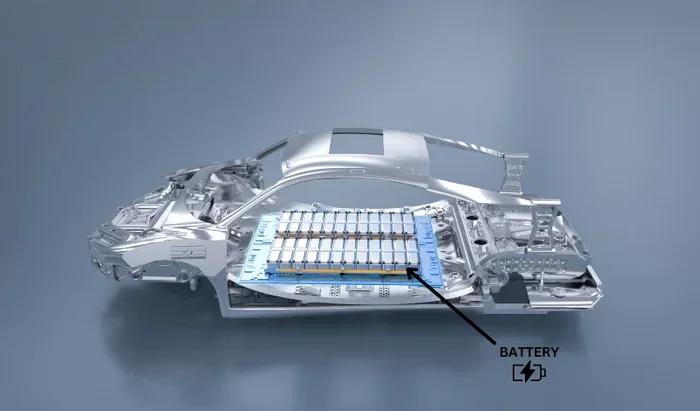
The battery is the heart of any hybrid vehicle. It powers the electric motor and stores energy recovered through regenerative braking. But batteries do not last forever. And when they fail, the replacement bill is steep.
How Long Does a Hybrid Battery Last?
Most manufacturers warranty hybrid batteries for eight years or 100,000 miles. Some brands offer even longer coverage. In ideal conditions, a hybrid battery pack can last 10 to 15 years. But real-world conditions are rarely ideal.
Extreme temperatures shorten battery life. Hot climates are especially hard on hybrid batteries. Frequent short trips and stop-and-go driving also wear them down faster. If you live in a desert climate or have a short daily commute, your battery may degrade sooner than expected.
What Does a Battery Replacement Cost?
Here is the number that makes many owners wince. A new hybrid battery can cost anywhere from $2,000 to $8,000. The exact price depends on the vehicle model and battery type. Some luxury hybrid models cost even more to replace.
And that is just for the parts. Add labor costs, and the total bill can easily exceed $10,000. For older hybrid cars that are out of warranty, this is a serious financial risk. It is one of the most significant downsides of hybrid ownership that people overlook.
Can You Avoid Battery Problems?
There are steps you can take. Keep your hybrid battery in a temperature-controlled garage when possible. Avoid letting the charge drop too low or charge too high. Follow the manufacturer’s maintenance schedule. These habits can extend battery life significantly.
But even with perfect care, batteries eventually degrade. There is no magic fix. You are essentially planning for a future expense, even if you hope you never have to pay it.
Limited Electric-Only Driving Range
Many people picture a hybrid car as a vehicle that can drive on electricity alone. In reality, most hybrids have a very short electric-only range. We are talking about one to two miles in most cases. Some plug-in hybrid models go further, but even those usually top out at 25 to 50 miles.
Why Does Electric-Only Range Matter?
If your daily commute is five miles, a plug-in hybrid might work well for you. You could drive on electric power most days and barely use any gasoline. But for longer commutes or road trips, the electric motor becomes a minor supplement to the gasoline engine. The fuel economy benefits shrink.
Full hybrids, sometimes called mild hybrids, barely drive on electricity at all. They use the electric motor to assist the gas engine, not replace it. So the fuel savings come from the hybrid system working smarter, not from zero-emission driving.
The Gap Between Expectation and Reality
Marketing often paints a rosy picture. Advertisements show hybrid cars silently gliding through city streets on electric power alone. The truth is more nuanced. Most of the time, the gasoline engine kicks in and does the heavy lifting. The electric motor helps, but it does not replace the combustion engine for most driving situations.
This is an important distinction. If you want a vehicle that runs mostly on electricity, a plug-in hybrid or a full electric vehicle is a better fit. A standard hybrid car offers fuel savings, but not the electric driving experience many buyers expect.
Complexity Means More Potential Repairs
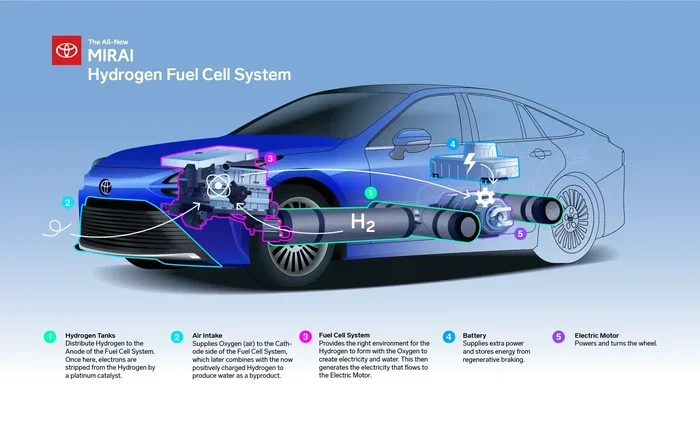
A hybrid car has two powertrains working together. There is the gasoline engine, the electric motor, the battery pack, the power control unit, and the regenerative braking system. All of these components need to work in harmony. When something goes wrong, diagnosing and fixing the problem gets complicated.
Are Hybrid Repairs More Expensive?
In many cases, yes. Not every mechanic is trained to work on hybrid vehicles. The high-voltage electrical system requires special safety procedures and equipment. You may need to visit a dealership or a specialty shop, which often means higher labor rates.
Some hybrid-specific components are also pricier. The power inverter, the electric motor, and the battery management system are not cheap. While hybrid cars are generally reliable, the repairs you do need can be more costly than on a standard gasoline vehicle.
What About Regular Maintenance?
The good news is that many routine maintenance items are similar to gas-only cars. You still need oil changes, brake inspections, and tire rotations. The regenerative braking system does reduce wear on brake pads, which is a genuine advantage.
But other components are unique to hybrids. The cooling system for the battery pack needs attention. The electric motor requires specialized diagnostics. And finding a qualified technician can be a challenge in rural or less populated areas.
Resale Value and Market Considerations
Resale value is a big deal for most car buyers. It affects how much your car is worth when you decide to sell or trade it in. For hybrid vehicles, the resale picture is mixed.
Why Do Some Hybrids Hold Value Well?
Popular hybrid models from trusted brands tend to hold their value. Toyota hybrids, for example, have a strong reputation for reliability. The Toyota Prius and RAV4 Hybrid are in high demand on the used market. Buyers trust these vehicles, and that trust shows up in resale prices.
When Hybrid Resale Value Drops
Less popular hybrid models can lose value faster. If a hybrid vehicle has a reputation for battery problems, buyers hesitate. They worry about the cost of a potential battery replacement. This fear drives down resale prices.
Also, as technology improves, older hybrid models start to look dated. A five-year-old hybrid might not offer the same fuel economy as a newer model. Buyers have more choices now, including affordable electric vehicles. This increased competition puts downward pressure on used hybrid prices.
The Shift Toward Full EVs
The automotive industry is moving fast. Battery electric vehicles are becoming more affordable and more capable. As EV charging infrastructure expands, some buyers skip hybrids entirely and go straight to electric. This shift could further impact the resale value of older hybrid cars in the coming years.
Insurance Costs and Other Hidden Expenses
The costs of owning a hybrid car do not stop at the purchase price and fuel savings. There are hidden expenses that many buyers do not consider until it is too late.
Insurance Premiums
Some insurance companies charge higher premiums for hybrid vehicles. Why? Because repair costs are higher. Parts are more expensive. And not all repair shops can work on them. The insurer sees a higher risk profile, and that gets passed to you through your monthly premium.
This is not true for every hybrid or every insurance company. But it is worth checking before you buy. Get a quote for the hybrid model you are considering and compare it to the gas-only version. The difference might surprise you.
Tax Credits and Incentives: A Shrinking Benefit
Governments offer tax credits and incentives to encourage hybrid vehicle adoption. But these benefits are changing. Many programs are shifting their focus to fully electric vehicles. Some incentives for hybrid cars have already expired or are phasing out.
If you buy a hybrid today, you may not qualify for the same level of incentives that were available a few years ago. This is especially true in the United States, where the Inflation Reduction Act has changed the rules for both hybrid and electric vehicle credits. Research the current incentives in your area before making a decision.
Environmental Trade-Offs
Hybrid cars are cleaner than traditional gasoline vehicles. They produce fewer tailpipe emissions and use less fuel. But they are not zero-emission vehicles. The manufacturing process for hybrid batteries has an environmental impact. Mining lithium, cobalt, and other materials raises concerns about sustainability.
If your primary goal is to minimize your environmental footprint, a full electric vehicle is a stronger choice. A hybrid is a step in the right direction, but it is not the final destination for eco-conscious drivers.
Is a Hybrid Car Still Worth It?
After reading through all these downsides, you might wonder if a hybrid car is even worth buying. The answer depends on your situation. There is no one-size-fits-all answer.
If you drive a lot of miles, a hybrid can save you serious money on fuel over time. If you keep your car for a long period, the higher upfront cost has more time to pay for itself through fuel savings. And if you choose a reliable model with a strong reputation, battery problems are less likely.
But if you have a tight budget, a hybrid might stretch you too thin. The higher purchase price, potential battery replacement cost, and expensive repairs can add up. In some cases, a fuel-efficient gasoline car or a fully electric vehicle might be a better fit.
The key is to do your homework. Know the downsides. Weigh them against the benefits. And make a decision based on your driving habits, budget, and priorities. A hybrid car is not perfect. But for the right buyer, it can still be a smart choice.
Conclusion
A hybrid car offers real benefits. Better fuel economy, lower emissions, and a greener driving experience are all genuine advantages. But every coin has two sides. The downsides of hybrid ownership are real and they matter.
Higher upfront costs, expensive battery replacements, limited electric-only range, and complex repairs are all valid concerns. These are not deal-breakers for everyone, but they should be part of your decision-making process. Do not let a salesperson gloss over these issues. Ask about them. Research them. Understand them fully.
At the end of the day, the right car is the one that fits your life, your budget, and your goals. If a hybrid vehicle checks all those boxes despite its downsides, then it might be the perfect choice. But go in with your eyes wide open. Know what you are signing up for. And drive away confident in your decision.
The hybrid car landscape is evolving fast. Newer models are better, more efficient, and more affordable than ever. Battery technology is improving. Charging networks are expanding. The downsides of today’s hybrid vehicles may shrink tomorrow. But for now, knowing the full picture gives you the best chance of making a smart, satisfying purchase.
Frequently Asked Questions
What are the main disadvantages of a hybrid car?
The main downsides include a higher purchase price compared to gas-only models, expensive battery replacement costs, limited electric-only driving range, and more complex systems that can lead to pricier repairs. Insurance costs may also be higher for some hybrid models.
How long does a hybrid car battery last before needing replacement?
Most hybrid batteries last between 8 and 15 years depending on driving habits, climate, and maintenance. The manufacturer warranty typically covers the battery for 8 years or 100,000 miles. Extreme heat and short daily trips can shorten battery lifespan.
Are hybrid cars more expensive to insure?
In many cases, yes. Insurance companies sometimes charge higher premiums for hybrid vehicles because repair costs are higher and parts are more expensive. However, the difference varies by model, insurer, and location. Always get quotes before purchasing.
Can you drive a hybrid car on electricity alone?
Most standard hybrids can only drive on electric power for one to two miles. Plug-in hybrid models offer a longer electric-only range, usually between 25 and 50 miles. Full electric vehicles are the best option if you want extended zero-emission driving.
Do hybrid cars save money in the long run?
They can, but it depends on your driving habits and how long you keep the vehicle. High-mileage drivers who keep their hybrid for many years tend to see the best return on investment. Low-mileage drivers may take longer to break even on the higher upfront cost.
Is it better to buy a hybrid or an electric vehicle?
It depends on your needs. Hybrids offer flexibility with both gas and electric power and do not require charging stations. Electric vehicles produce zero emissions and have lower running costs but need reliable charging access. Consider your daily driving distance, budget, and local infrastructure when deciding.