Can I Use 5W-30 Instead of 0W-20 Oil – Is It Really Safe
Using 5W-30 instead of 0W-20 oil is possible in some engines, but it depends on your vehicle and driving conditions. The key difference lies in viscosity — 0W-20 flows thinner in cold weather, while 5W-30 is slightly thicker. Always check your owner’s manual before switching, as using the wrong oil weight can affect engine performance and warranty coverage.
You’re standing in the auto parts store, staring at two identical-looking bottles of engine oil. One says 0W-20, and the other says 5W-30. Your car calls for 0W-20, but the 5W-30 is cheaper or on sale. So you wonder — can I use 5W-30 instead of 0W-20 oil? It’s a question a lot of car owners ask, and it’s totally understandable. You don’t want to spend extra money, and you just want to keep your engine running right.
The short answer is: it depends. In some cases, using 5W-30 instead of 0W-20 won’t cause immediate problems. But in other cases, it can lead to poor engine performance, reduced fuel economy, or even long-term damage. Let’s break this down in plain language so you can make the best decision for your car.
Engine oil is the lifeblood of your vehicle. It lubricates every moving part inside your engine, reduces friction, and keeps things cool. Using the right oil viscosity is critical. Think of it like this — your engine was built to run on a specific thickness of oil, just like a recipe calls for specific ingredients. Swap the wrong one in, and the results might not be what you expect.
Key Takeaways
- Oil Viscosity Matters: The “W” number indicates cold-weather flow, and the second number shows hot-weather thickness.
- Check Your Manual First: Your manufacturer designed the engine for a specific oil weight like 0W-20.
- 5W-30 Can Work in a Pinch: In a pinch, 5W-30 won’t destroy your engine, but it’s not ideal for long-term use.
- Cold Weather Performance Differs: 0W-20 flows better in freezing temperatures than 5W-30.
- Warranty Risks Exist: Using the wrong oil could void your new car warranty.
- Mixing Is Not Recommended: Don’t mix different oil weights thinking it balances things out.
📑 Table of Contents
What Do the Numbers on Engine Oil Mean?
Before we dive deeper into whether you can swap 5W-30 for 0W-20, let’s understand what those numbers actually mean. The numbers represent the oil’s viscosity grade, which is just a fancy way of saying how thick or thin the oil is at different temperatures.
The “W” Stands for Winter
The first number, followed by the letter “W,” tells you how the oil flows in cold weather. A lower number means the oil flows faster when it’s freezing outside. So 0W-20 flows better in cold temperatures than 5W-30. This matters a lot if you live somewhere with harsh winters or freezing mornings.
The Second Number Shows Hot Weather Thickness
The second number — 20 or 30 — tells you how thick the oil is when your engine is hot. A higher number means thicker oil at operating temperature. Thicker oil can provide more protection under extreme heat, but it can also make your engine work harder. This directly impacts fuel economy and engine performance.
Why Does This Matter for Your Engine?
Your engine has tight tolerances between moving parts. The manufacturer designs these tolerances around a specific oil weight. If the oil is too thick, it doesn’t flow fast enough to protect all the parts. If it’s too thin, it might not provide enough cushion between metal surfaces. That’s why oil compatibility with your engine matters so much.
Can You Use 5W-30 Instead of 0W-20 Oil?
Here’s where things get interesting. The answer isn’t a simple yes or no. It depends on several factors, including your vehicle type, driving conditions, and climate.
When 5W-30 Might Work
Some engines can handle a slightly thicker oil without any issues. If you drive a older vehicle with higher mileage, the engine tolerances may have widened over time. In that case, 5W-30 might actually provide better protection than 0W-20. Many drivers in warmer climates also find that a slightly thicker oil works fine year-round.
For example, if you live in a southern state where temperatures rarely drop below 40°F, switching from 0W-20 to 5W-30 probably won’t cause problems. The oil will still flow well enough to lubricate your engine properly.
When You Should Stick With 0W-20
Modern engines — especially turbocharged ones and direct injection engines — are built tight and need thin oil to work right. If your owner’s manual says to use 0W-20, that’s not a suggestion. It’s an engineering requirement. These engines have very precise clearances between pistons, rings, and bearings.
Using 5W-30 in an engine designed for 0W-20 can lead to:
- Reduced fuel economy because the thicker oil creates more drag
- Slower oil flow during cold starts, which increases engine wear
- Poor performance in cold weather when the oil is sluggish
- Potential engine wear over time due to inadequate lubrication
The Warranty Factor
This is a big one that many people overlook. If your car is still under warranty, using the wrong oil weight could void your coverage. Most manufacturers are very specific about oil specifications. If something goes wrong with your engine and the service records show you used 5W-30 instead of 0W-20, the dealership might deny your claim. That’s a risky gamble.
Comparing 5W-30 vs 0W-20: Head to Head
Let’s look at how these two oils stack up against each other in real-world driving conditions. This comparison will help you understand why sticking with the manufacturer’s recommendation usually makes the most sense.
Cold Weather Performance
0W-20 clearly wins in cold weather. The “0W” rating means the oil flows almost like water when temperatures drop. This is crucial during cold starts, when most engine wear actually happens. The oil needs to reach all parts of the engine quickly, and 0W-20 does that job much better than 5W-30.
If you live in the northern United States or anywhere with cold winters, 0W-20 is the clear choice. Using 5W-30 in freezing temperatures means your engine runs dry for a few extra seconds during startup. Over time, those extra seconds add up to increased wear.
Hot Weather Performance
In hot weather, the difference between the two oils shrinks. Both 0W-20 and 5W-30 will protect your engine at operating temperature. However, 5W-30 maintains a slightly thicker film at high temperatures, which some drivers prefer for towing or hauling heavy loads.
That said, most modern passenger cars don’t need that extra thickness. The 0W-20 oil is engineered to handle normal operating temperatures just fine while providing better efficiency.
Fuel Economy Comparison
Here’s where 0W-20 really shines. Thinner oil means less resistance inside the engine, which means your engine doesn’t have to work as hard. That translates directly into better fuel economy. Many car manufacturers design their engines specifically around low-viscosity oils like 0W-20 to meet fuel economy standards.
Switching to 5W-30 could lower your gas mileage by 1-3%, depending on your driving habits and conditions. It might not sound like much, but over thousands of miles, that adds up at the pump.
Engine Protection
Both oils provide excellent protection when used as intended. The key is matching the oil to the engine design. 0W-20 is perfect for tight-clearance modern engines, while 5W-30 suits engines with wider tolerances or older vehicles. Using the wrong one for your specific engine is where problems start.
What Happens If You Mix 5W-30 with 0W-20?
Some drivers wonder if mixing the two oils is a safe middle ground. The truth is, it’s not a great idea. While topping off with a different weight won’t cause immediate catastrophe, consistently mixing oil weights can create unpredictable viscosity levels. Your engine might get a blend that’s neither one thing nor the other.
If you’re in a real bind and need to add oil between changes, adding a small amount of 5W-30 to 0W-20 won’t ruin your engine. Just get back to the correct oil at your next oil change as soon as possible. Think of it like mixing two different recipes — the result won’t taste quite right.
Which Vehicles Need 0W-20 Oil?
A lot of modern cars and trucks call for 0W-20 oil. Here are some common examples:
- Toyota and Lexus vehicles (many models since 2010)
- Honda and Acura engines
- Ford EcoBoost engines
- Most GM vehicles with turbocharged engines
- Many Nissan and Infiniti models
- Subaru engines (some models)
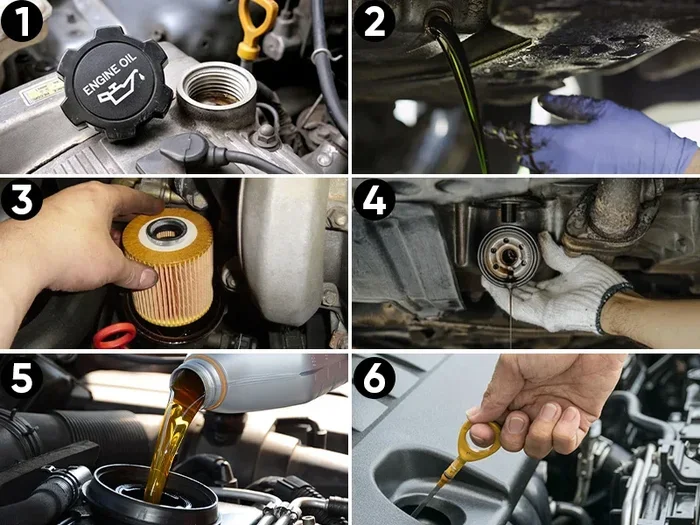
Always double-check your owner’s manual or the oil cap under your hood. The recommended oil specification is usually printed right on the oil filler cap. If it says 0W-20, use 0W-20. No exceptions.
Expert Tips for Choosing the Right Oil
Still not sure which oil is right for your car? Here are some practical tips from experienced mechanics and automotive experts.
Read the Owner’s Manual
This sounds obvious, but you’d be surprised how many people skip this step. Your owner’s manual contains all the information you need about oil specifications, change intervals, and viscosity requirements. It’s your car’s blueprint for proper maintenance.
Consider Your Climate
Where you live matters. If you deal with freezing winters, a low winter-grade oil like 0W-20 is essential. If you live in a consistently warm climate, the difference between oil weights matters less, but you should still follow the manufacturer’s recommendation.
Check for OEM Certifications
Look for oils that carry the manufacturer’s certification on the bottle. You’ll see labels like API SN, SP, or specific OEM approvals like dexos1 or ILSAC GF-6. These certifications ensure the synthetic oil meets the performance standards your engine needs.
Don’t Let Cost Drive Your Decision
It’s tempting to grab the cheaper bottle of oil, but engine protection is worth the investment. A quality 0W-20 synthetic oil costs only slightly more than conventional options, and it pays for itself through better protection and fuel savings over time.
Common Mistakes People Make With Oil Changes
Even careful car owners sometimes make mistakes when it comes to oil. Here are the most common ones to avoid:
Using the Wrong Weight Oil
This is the big one. Using 5W-30 when your engine needs 0W-20 (or vice versa) can affect performance and longevity. Always match the oil weight to your manufacturer’s specifications.
Skipping Oil Changes
Even the best engine oil breaks down over time. Old oil loses its ability to lubricate and protect. Stick to your recommended oil change interval, whether that’s every 5,000 or 10,000 miles.
Ignoring Oil Change Warning Lights
If your dashboard shows an oil change reminder, don’t ignore it. Running low on oil or driving with degraded oil can cause serious engine damage that costs thousands to repair.
Overfilling or Underfilling
Too much oil can cause foaming and pressure problems. Too little oil means inadequate lubrication. Always check your oil level with the dipstick and keep it between the minimum and maximum marks.
Conclusion
So, can you use 5W-30 instead of 0W-20 oil? The honest answer is that it’s not ideal for most modern engines. Your vehicle’s manufacturer spent thousands of hours engineering the engine to work with a specific oil viscosity. Using the recommended 0W-20 ensures optimal performance, fuel economy, and engine protection.
If you’re in a pinch and need to use 5W-30 temporarily, it won’t destroy your engine immediately. But for long-term use, especially in modern, tightly-built engines, stick with what the manual says. Your engine will thank you with years of reliable service, better fuel economy, and fewer repair bills down the road. When in doubt, consult your owner’s manual or ask a trusted mechanic. The right oil for your car is always the one your manufacturer recommends.
Frequently Asked Questions
Can I use 5W-30 instead of 0W-20 in my Toyota?
Most modern Toyotas call for 0W-20 oil, especially models from 2010 onward. Using 5W-30 could reduce fuel economy and potentially affect warranty coverage. Always check your Toyota owner’s manual before switching oil weights.
Will 5W-30 damage a 0W-20 engine?
Using 5W-30 occasionally won’t cause immediate damage, but long-term use can lead to increased engine wear, reduced fuel economy, and poor cold-start performance. The thicker oil doesn’t flow as quickly through tight engine passages designed for thinner 0W-20 oil.
What happens if I accidentally put 5W-30 instead of 0W-20?
Don’t panic. If it’s a one-time mistake, drain the oil and refill with the correct 0W-20 as soon as possible. A single use of 5W-30 won’t ruin your engine, but it’s best to correct it quickly to maintain proper engine protection.
Is 5W-30 thicker than 0W-20?
Yes, 5W-30 is thicker than 0W-20 in both cold and hot conditions. The “5” versus “0” means it flows slower in cold weather, and the “30” versus “20” means it’s thicker at operating temperature. This affects how well the oil lubricates your engine’s internal components.
Can I switch from 5W-30 to 0W-20?
Yes, switching from 5W-30 to 0W-20 is generally safe if your owner’s manual recommends 0W-20. The thinner oil will flow better in cold weather and may improve fuel economy. Just make sure your engine is in good condition and has no existing oil consumption issues before switching.
How often should I change 0W-20 oil?
Most manufacturers recommend changing 0W-20 synthetic oil every 7,500 to 10,000 miles for modern vehicles. However, if you drive in severe conditions — like extreme heat, stop-and-go traffic, or short trips — you may need to change it more frequently. Always follow your owner’s manual guidelines for the best engine performance.