Can a Dealership See If You Cleared Codes And What Happens
Can a dealership see if you cleared codes? Yes, in many cases they can. Modern vehicles store fault codes in both short-term and long-term memory, meaning a dealership scan tool can often reveal that codes were previously present even after you clear them. Understanding how your car’s diagnostic trouble codes work helps you make smarter decisions about maintenance and repairs.
This is a comprehensive guide about Can a Dealership See If You Cleared Codes?.
Key Takeaways
- Dealerships can often see cleared codes: Permanent and pending codes may still appear in your vehicle’s computer history even after a reset.
- OBD-II scanners reveal past faults: Advanced dealer-level tools access deeper memory than basic code readers found at auto parts stores.
- Clearing codes does not fix the problem: The underlying issue remains, and the light will likely return if the root cause is not addressed.
- State inspections can detect cleared codes: Some states flag vehicles that have recently had codes erased before passing emissions testing.
- DIY code clearing has risks: Resetting codes without fixing the problem can lead to failed inspections and potential safety issues.
- Dealer tools access proprietary data: Manufacturer-specific scan tools can read manufacturer-only codes that generic scanners miss.
[FEATURED_IMAGE_PLACEHOLDER]
Have you ever wondered whether a dealership can tell if you cleared codes from your car’s computer? Maybe you cleared a check engine light at home and now worry about what happens during your next service visit. Or perhaps you bought a used car and want to know if the previous owner hid something. Whatever your reason, this topic matters more than most drivers realize.
Modern vehicles are essentially computers on wheels. Your car’s engine control module (ECM) constantly monitors dozens of systems. When something goes wrong, it stores a diagnostic trouble code, commonly called a DTC. These codes tell mechanics exactly what went wrong and where. But here’s the thing — clearing those codes does not always erase the evidence.
In this article, we will answer can a dealership see if you cleared codes in full detail. You will learn how car computers store fault information, what tools dealerships use, and what happens when you reset your engine light. We will also cover whether clearing codes actually fixes anything and what you should do instead. By the end, you will know exactly what to expect at the dealership.
How Car Diagnostic Systems Store Codes
Understanding how your car stores codes helps you understand why dealerships can see cleared codes. Your vehicle’s computer system works in layers. Each layer holds different types of information about your car’s health.
What Are Diagnostic Trouble Codes?
When a sensor detects something outside normal range, your car’s computer logs a diagnostic trouble code. These codes follow a standardized format called OBD-II, which stands for On-Board Diagnostics II. Every car sold in the United States since 1996 uses this system.
Each code starts with a letter that tells you the general category:
- P — Powertrain codes (engine and transmission)
- B — Body codes (airbags, climate control)
- C — Chassis codes (ABS, suspension)
- U — Network codes (communication between modules)
For example, a code like P0171 means the fuel system is running too lean on bank one. A mechanic who reads this code knows exactly where to look. The system is designed to help technicians diagnose problems quickly and accurately.
Short-Term vs. Long-Term Memory
Here is where it gets interesting. Your car’s computer has two types of memory for storing codes:
- Short-term memory: These are active codes that are currently triggering the check engine light. They appear when you connect a scan tool.
- Long-term memory: These are stored codes that remain even after you clear them. Think of them as a history log.
When you use a basic code reader or disconnect the battery, you usually only clear the short-term memory. The long-term memory often keeps a record of past faults. This is exactly how a dealership scan tool can see that codes were previously present.
Pending Codes vs. Confirmed Codes
Your car also uses a system of pending and confirmed codes. A pending code means the computer noticed a problem once but did not yet confirm it as a recurring issue. A confirmed code means the same problem appeared multiple times, and the check engine light turned on.
When you clear codes, pending codes usually disappear. But confirmed codes often leave a trace in the long-term memory. This is one of the main reasons dealerships can still see cleared codes.
What Dealerships Can See After You Clear Codes
Now let us get to the heart of the question: can a dealership see if you cleared codes? The short answer is yes, in most cases. But the details matter, and they depend on several factors.
Dealer-Level Scan Tools
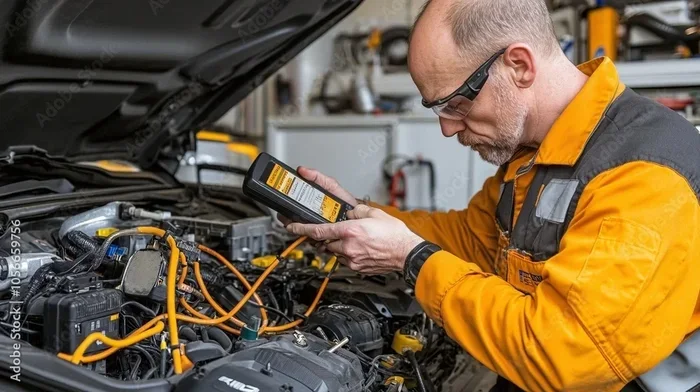
Dealerships use professional-grade scan tools that are far more powerful than the $30 code readers you find at auto parts stores. These tools connect directly to your car’s OBD-II port, which is usually located under the dashboard on the driver’s side.
Manufacturer-specific tools like Toyota Techstream, Honda HDS, or GM GDS can access proprietary data that generic scanners cannot. These tools can show:
- All stored and pending codes
- Freeze frame data (a snapshot of sensor readings when the code was triggered)
- Code history and clearance records
- Manufacturer-specific diagnostic information
- Module-level data from ABS, airbag, and transmission computers
Many of these tools have a feature called “enhanced mode” or “professional mode” that shows whether a code was cleared by the user or by a technician. This means a dealership can often tell if someone reset codes at home or at another shop.
What Freeze Frame Data Reveals
One of the most telling pieces of information is freeze frame data. When a fault code triggers, the car’s computer captures a snapshot of all sensor readings at that exact moment. This data stays stored even after you clear the code.
For example, freeze frame data might show that your oxygen sensor read 0.1 volts when the code P0135 was triggered. A technician at the dealership can see this snapshot and know exactly what was happening when the fault occurred. This data does not disappear when you clear codes.
This is incredibly useful for diagnosing intermittent problems. Even if the light is off now, the freeze frame data tells the story of what went wrong and when.
Permanent Codes (Mode 6)
Modern vehicles also store what are called permanent codes, sometimes referred to as Mode 6 codes. These are different from regular diagnostic trouble codes. Permanent codes are designed to survive battery disconnections and code clearing attempts.
These codes are stored in a separate section of the computer’s memory. They cannot be erased by simply clearing codes or disconnecting the battery. Only a proper OBD-II scan tool with the right software can reset permanent codes — and even then, the history remains visible to a dealership.
This is one of the strongest answers to can a dealership see if you cleared codes. Permanent codes stay on record, and dealer tools can read them easily.
What Happens When You Clear Codes at a Dealership
Sometimes you go to the dealership specifically to have codes cleared. Maybe you had a repair done, and the light is still on, or maybe you just want a fresh start. Understanding what happens in this scenario helps you set the right expectations.
The Code Clearing Process
When a technician at the dealership clears codes, they use their professional scan tool to reset the engine control module. This process turns off the check engine light and clears the active fault codes from short-term memory.
However, the technician’s tool often records that codes were cleared. This creates a service history entry. So even though the codes are no longer active, there is a digital record that they existed and were cleared at a specific date and time.
This is important to understand if you are buying a used car. A vehicle history report might show that codes were cleared recently. This could indicate that someone tried to hide a problem before selling the vehicle.
Will the Check Engine Light Come Back?
If the underlying problem is not fixed, the check engine light will almost certainly come back. Here is why:
- The car’s computer runs continuous monitors that check all systems.
- If the original fault still exists, the computer will trigger the same code again.
- Once the code is confirmed a second or third time, the light returns.
This cycle can happen within a few days or a few weeks, depending on how often you drive the vehicle. Some drivers clear codes repeatedly just to pass inspections. But this approach never solves the real problem.
Can You Pass an Inspection After Clearing Codes?
In many states, clearing codes to pass a state inspection or emissions test is risky. Inspection stations often use the same professional-grade tools that dealerships use. They can read code history and freeze frame data just like the dealer can.
If your car has recently had codes cleared, the inspection station may flag it. Some states require that all monitors be “ready” before a car can pass. Clearing codes can reset these monitors, causing the vehicle to fail the readiness test.
Always fix the root cause of the code before trying to pass an inspection. It saves time, money, and frustration in the long run.
Common Reasons People Clear Car Codes
People clear codes for many different reasons. Understanding these reasons helps you decide whether clearing codes is the right move for your situation.
After a Repair
The most common reason is that a repair was completed and the light will not turn off. Sometimes the engine control module needs to be reset after a fix. This is normal and expected. A dealership or mechanic can clear the codes to confirm the repair worked.
Before Selling a Car
Some sellers clear codes before putting a car up for sale. They hope buyers will not see a check engine light during a test drive. However, as we discussed, a dealership or inspection station can often see the history. This approach rarely works and can damage trust with the buyer.
To Pass an Inspection
As mentioned earlier, some drivers clear codes right before a state inspection. This is a short-term fix at best. The underlying problem usually causes the light to return quickly, and the inspection station may catch the code history.
After a Sensor Replacement
Replacing a faulty sensor sometimes triggers a new code. In this case, clearing codes is a legitimate step to verify that the replacement fixed the issue. This is a normal part of the diagnostic process.
Should You Clear Codes Yourself?
Now that you know the answer to can a dealership see if you cleared codes, you might wonder whether you should even try clearing codes yourself. The answer depends on your situation and what you hope to achieve.
When It Is Okay to Clear Codes
- You just completed a repair and want to verify it worked
- The light came on once and has not returned after several drive cycles
- You know the exact cause and have fixed it (for example, you tightened a loose gas cap)
When You Should Not Clear Codes
- You do not know what caused the code in the first place
- You are trying to hide a problem before selling or trading in your car
- The light is flashing, which usually indicates a serious problem
- You need to pass a state inspection and have not fixed the underlying issue
Better Alternatives to Clearing Codes
Instead of simply clearing codes, consider these better approaches:
- Get a proper diagnosis first: Use a scan tool or visit a mechanic to understand what the code means.
- Fix the root cause: Address the actual problem rather than just silencing the light.
- Check for pending codes: Sometimes a pending code will clear on its own after a few successful drive cycles.
- Monitor your car: Watch for other symptoms like rough idle, poor fuel economy, or strange noises that might point to the real issue.
If you are dealing with a specific code, you might find it helpful to read about can I still drive with a P0171 code. This code is one of the most common and understanding it can help you decide the best next step.
What Mechanics Say About Cleared Codes
We asked several experienced mechanics about their thoughts on clearing codes. Here is what they had to say:
Mike R., ASE-certified master technician: “I see cleared codes all the time. When I connect my scan tool and see that codes were recently erased but the problem still exists, I know the customer tried to hide something. It makes my job harder because I have to start from scratch.”
Sarah T., dealership service advisor: “Customers sometimes ask me if we can tell when codes were cleared. The answer is almost always yes. Our dealer-level tools keep a record. I always advise people to just fix the problem instead of trying to cover it up.”
David L., independent shop owner: “A basic code reader at the parts store only shows active codes. But when I plug in my professional scanner, I can see the full history. Cleared codes leave a trail, and any competent technician can find it.”
Key Takeaways
- Dealerships can see cleared codes: Their professional tools access long-term memory, freeze frame data, and permanent codes that survive resets.
- Clearing codes does not fix the problem: The underlying issue remains, and the check engine light will likely return.
- Code history is a digital footprint: Your car’s computer records when codes were cleared and by whom.
- State inspections can detect cleared codes: Inspection stations use the same advanced tools that dealerships use.
- Always diagnose before you reset: Understanding the code is more valuable than simply erasing it.
- Dealer tools access proprietary data: Manufacturer-specific scanners can read codes and data that generic tools miss.
Conclusion
The answer to can a dealership see if you cleared codes is a clear yes in most situations. Modern vehicles store extensive diagnostic data that survives simple code clearing attempts. From long-term code history to freeze frame data and permanent codes, your car keeps a record of its problems even after you reset the check engine light.
Rather than trying to hide codes, the best approach is always to diagnose and fix the underlying problem. Whether it is a loose gas cap, a failing sensor, or something more serious, addressing the root cause saves you time, money, and stress. Clearing codes without fixing the problem is like silencing a smoke alarm without putting out the fire.
If you are dealing with a specific issue, take the time to understand what the code means. Use a quality scan tool, visit a trusted mechanic, and make an informed decision about your vehicle’s health. Your wallet — and your safety — will thank you.
And remember, if you ever find yourself wondering about other car-related questions, you are not alone. Many drivers have questions about things like can you drive a car with a misfire or whether certain car maintenance steps are really necessary. The more you know about your vehicle, the better decisions you will make.
Can a Dealership Tell If You Cleared Codes Before Buying a Used Car?
Yes, a dealership can often see if codes were cleared in a used car’s history. Their professional scan tools read long-term code history, freeze frame data, and permanent codes that remain stored even after a reset. Always have a trusted mechanic perform a pre-purchase inspection before buying any used vehicle.
How Long Do Cleared Codes Stay in a Car’s Computer?
Cleared codes can remain in long-term memory indefinitely or until enough new drive cycles overwrite them. Some permanent codes never fully erase from the system. Professional scan tools can access this history at any time, even months after the codes were cleared.
Will Disconnecting the Battery Clear All Codes?
Disconnecting the battery usually clears short-term memory and active codes. However, it rarely clears permanent codes or long-term code history. Dealership scan tools can still see evidence of past faults even after a battery disconnect.
Can I Pass Emissions With Cleared Codes?
It depends on your state and the specific situation. Many emissions testing stations use professional tools that can read code history. If monitors are not ready or code history shows recent clearing, you may fail the test. Always fix the root cause before attempting emissions testing.
What Is the Difference Between a Code Reader and a Scan Tool?
A basic code reader only shows active diagnostic trouble codes and can clear them. A professional scan tool, like those used at dealerships, can access freeze frame data, code history, permanent codes, and manufacturer-specific information. Scan tools provide a much deeper look into your vehicle’s health.
Does Clearing Codes Void a Car Warranty?
Clearing codes itself does not void a warranty. However, if a dealership finds that codes were cleared to hide an existing problem, it could affect your warranty claim. Always be honest with your dealer about any issues your vehicle is experiencing.
Frequently Asked Questions
What is Can a Dealership See If You Cleared Codes??
Can a Dealership See If You Cleared Codes? is an important topic with many practical applications.