Can You Lift a Toyota Prius And What You Need To Know
Yes, you can lift a Toyota Prius, but it is not as simple as picking up a regular car. The Toyota Prius weight varies by model year and trim, typically ranging from 2,800 to 3,100 pounds. Knowing the curb weight, using the right lifting equipment, and following proper safety steps are essential before you attempt any lift. This guide walks you through everything you need to know about lifting a Toyota Prius safely and confidently.
So, can you lift a Toyota Prius? The short answer is yes. But the real question is, do you know how much it weighs, what tools you need, and whether you are doing it safely? A lot of car owners underestimate the weight of their vehicles, especially when they own a hybrid like the Prius. This car is one of the most popular compact hybrids on the road, and for good reason. It is fuel-efficient, reliable, and relatively easy to maintain. But when it comes to lifting it, there are some important things you need to know.
The Toyota Prius has been a favorite among drivers for over two decades. Its lightweight design helps with fuel economy, but that does not mean it is light enough to lift by hand. The Toyota Prius weight is something every owner should understand, especially if you plan to do your own maintenance or need to tow or transport the vehicle. In this guide, we will break down everything about lifting a Prius, from the curb weight to the best lifting techniques and equipment. Whether you are a seasoned DIY mechanic or a first-time car owner, this article has you covered.
Key Takeaways
- Weight Matters: A Toyota Prius weighs between 2,800 and 3,100 pounds depending on the model year and trim level.
- Right Equipment Is Key: You need a floor jack rated for at least 3,000 pounds and sturdy jack stands for a safe lift.
- Hybrid Battery Adds Weight: The Prius hybrid battery pack contributes significantly to the overall curb weight.
- Safety Comes First: Never work under a car supported only by a jack. Always use jack stands and secure the vehicle on a flat surface.
- Know Your Model: Different Prius generations have different weights, so check your specific model year for accurate specs.
- Regular Maintenance Helps: Keeping your Prius in good shape makes lifting and maintenance tasks easier and safer.
📑 Table of Contents
How Much Does a Toyota Prius Weigh?
The weight of a Toyota Prius depends on several factors, including the model year, trim level, and whether you have the standard Prius or a plug-in hybrid variant. Most Prius models fall within a specific weight range, but there are meaningful differences between generations. Let us break this down so you know exactly what to expect.
Understanding Curb Weight
Curb weight is the weight of the vehicle with all standard equipment, a full tank of fuel, and no passengers or cargo. For the Toyota Prius, curb weight typically ranges from about 2,800 pounds for older models to around 3,100 pounds for newer ones. The curb weight matters because it determines how much lifting capacity your equipment needs. If you try to lift a Prius with a jack that is not rated for the weight, you are asking for trouble.
Weight by Model Year
Different generations of the Prius have different weights. Here is a general breakdown:
- First Generation (2001-2003): Around 2,700 to 2,800 pounds.
- Second Generation (2004-2009): Around 2,900 to 3,000 pounds.
- Third Generation (2010-2015): Around 3,000 to 3,100 pounds.
- Fourth Generation (2016-Present): Around 3,050 to 3,150 pounds.
As you can see, the Prius has gotten slightly heavier over the years. This is partly due to added safety features, updated technology, and the evolution of the hybrid battery pack. The hybrid battery weight is a big factor. These batteries are built into the chassis and add significant mass compared to a conventional gasoline-only car of similar size.
Why the Prius Weight Matters
You might wonder why the weight of the Prius is such a big deal. Well, it affects everything from fuel efficiency to lifting requirements. A lighter car generally gets better gas mileage, which is one reason the Prius is so efficient. But it also means you need the right tools to lift it safely. Using a jack that cannot handle the weight could result in a dangerous situation. Always check the weight rating on your lifting equipment before you start any work under the vehicle.
Can You Lift a Toyota Prius by Yourself?
Lifting a Toyota Prius by yourself is possible, but it requires the right approach and equipment. The Prius is not the lightest car on the market, but it is also not the heaviest. Most single-person households manage to lift and work on their Prius without a second pair of hands. The key is knowing what tools to use and how to use them properly.
Tools You Will Need to Lift a Prius
Before you attempt any lift, make sure you have the right tools. Here is a list of what you will need:
- Floor Jack: A hydraulic floor jack rated for at least 3,000 pounds is ideal. Do not use a scissor jack for extended work. Scissor jacks are fine for temporary tire changes but not for getting under the car.
- Jack Stands: Always use at least two jack stands rated for the weight of the vehicle. Never rely on a jack alone to hold the car up while you work.
- Wheel Chocks: Place wheel chocks behind the rear tires to prevent the car from rolling.
- Gloves and Safety Glasses: Protect your hands and eyes while working.
- Service Manual: The Prius owner manual or a repair guide will show you the proper lift points for your specific model year.
Step-by-Step Lifting Process
Here is how to safely lift your Prius:
- Park the car on a flat, level surface. Engage the parking brake.
- Place wheel chocks behind the rear wheels.
- Locate the designated lift points on the Prius frame. These are marked in your owner manual.
- Position the floor jack under the lift point and raise the car slowly.
- Once the car is at a comfortable working height, place jack stands under the frame.
- Lower the floor jack slowly until the car rests firmly on the jack stands.
- Give the car a gentle shake to make sure it is stable before you go under it.
Following these steps might seem basic, but skipping even one of them can lead to a serious accident. Safety should always come first when lifting any vehicle, no matter how light it is.
Common Mistakes People Make When Lifting a Prius
Even experienced car owners make mistakes when lifting their vehicles. The Toyota Prius is no exception. Here are some common errors to avoid.
Using the Wrong Lift Points
Every car has designated lift points. These are specific areas on the frame or body designed to handle the weight of the vehicle when lifted. On the Prius, these points are usually located near the front and rear axles. Using the wrong spot can damage the car or cause it to slip off the jack. Always refer to your owner manual to find the correct lift points for your model year.
Skipping Jack Stands
This is the most dangerous mistake anyone can make. Some people lift the car with a floor jack and then crawl right under it without placing jack stands. A hydraulic jack can fail. The car can slip. You do not want to be under a 3,000-pound vehicle if that happens. Always use jack stands, and never trust a jack alone to hold the weight.
Ignoring the Hybrid Battery
The Prius has a high-voltage hybrid battery pack located in the rear of the car. This battery adds significant weight and also requires special care. When lifting the Prius, make sure you are not putting pressure on or near the battery components. If you are doing any work that involves the hybrid system, follow all safety guidelines in the service manual regarding high-voltage disconnect procedures.
Not Checking the Jack Weight Capacity
Not all jacks are created equal. A small scissor jack that comes with the car might be rated for only 1,500 or 2,000 pounds. While this is enough to change a tire, it is not enough for extended lifting or maintenance work. Always check the weight capacity of your lifting equipment before you use it. When in doubt, go with a higher-rated jack and stands.
Does the Toyota Prius Weight Affect Maintenance?
The weight of the Prius does play a role in how you maintain the vehicle. A lighter car puts less stress on the suspension, brakes, and tires. But it also means that certain maintenance tasks require the same level of care as any other car. Let us look at how the Prius weight affects routine maintenance.
Tire Maintenance and Rotation
The Prius is a compact hybrid car, and its tires take a beating from daily driving. Regular tire rotation is essential. Because the car is relatively light compared to trucks and SUVs, tire wear tends to be more even. However, you still need to check tire pressure frequently. Underinflated tires reduce fuel efficiency and wear out faster. If you need to remove the wheels for tire work, a proper lift and jack stands are a must.
Brake System Care
Brake maintenance on the Prius is straightforward. The regenerative braking system in the Prius reduces wear on the traditional brake pads and rotors. But when it is time to replace brake components, you will need to lift the car. Make sure you use the correct lift points and jack stands. The Prius brake system is reliable, but accessing it requires a safe and stable lift.
Hybrid Battery and Electrical System
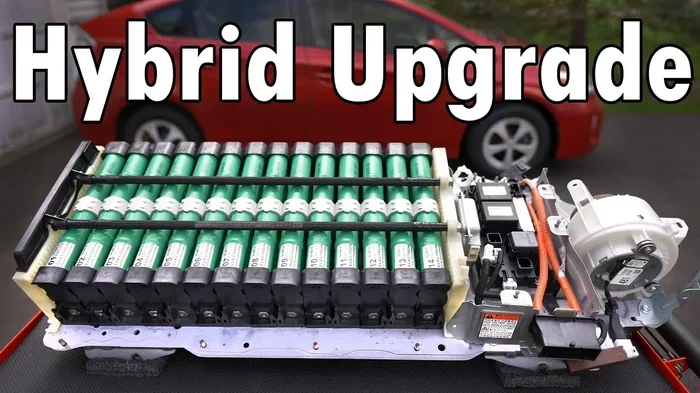
The hybrid battery pack is one of the heaviest components in the Prius. Located in the rear, it adds to the overall curb weight. When you lift the Prius, be mindful of this battery. If you are performing maintenance on the hybrid system, always disconnect the high-voltage service disconnect before working near the battery. The Prius also uses a 12-volt auxiliary battery, which is located in the engine compartment. If you are jump-starting the Prius, make sure you follow the correct procedure. You can find detailed guidance on how to jump start a hybrid vehicle to avoid any electrical issues.
Oil Changes and Fluid Checks
The Prius uses conventional engine oil, and regular oil changes are still necessary even though the car is a hybrid. The weight of the Prius makes it easy to access the oil drain plug and filter when the car is properly lifted. You can also check transmission fluid, brake fluid, and coolant levels more easily with the car on a lift. Just remember to let the engine cool down before you start any fluid work.
Can You Lift a Toyota Prius for Towing or Transport?
There may be situations where you need to tow or transport your Prius. Whether you are moving the car to a new location or hauling it to a repair shop, lifting it is part of the process. The good news is that the Prius is light enough to be loaded onto a flatbed trailer or tow dolly without too much difficulty. However, you still need to follow proper procedures.
Towing the Prius
If you need to tow the Prius, check your owner manual for the correct towing method. Front-wheel towing is generally recommended for the Prius. Never tow the car with the rear wheels on the ground if the hybrid system is engaged, as this can damage the transmission. Always use a flatbed trailer or a tow dolly designed for front-wheel drive vehicles.
Loading the Prius onto a Trailer
Loading the Prius onto a trailer requires a ramp and a reliable way to drive the car up. The curb weight of the Prius makes this manageable for most people. Just make sure the trailer is on a flat surface and the ramps are secure. Drive the Prius onto the trailer slowly and center it as much as possible. Use wheel chocks to secure the car in place before towing.
Pro Tips for Safely Lifting Your Toyota Prius
Here are some expert tips to make your lifting experience safer and more efficient:
- Read the Manual: Your Prius owner manual contains specific lift points and weight information for your exact model year. Always refer to it first.
- Inspect Your Equipment: Before every lift, check your floor jack and jack stands for any signs of wear or damage. A leaking hydraulic jack is a serious safety hazard.
- Work on a Level Surface: Never lift the Prius on a slope or uneven ground. The car could tip or roll off the jack.
- Keep Your Tools Organized: Have all your tools ready before you lift the car. You do not want to be crawling under a raised vehicle looking for a wrench.
- Use a Lift Pad: Placing a rubber lift pad on the jack head can prevent damage to the car’s lift points and provide a more secure grip.
- Know Your Limits: If a task feels too complicated or unsafe, it is okay to take the car to a professional mechanic. Lifting the car is only the first step. The real work requires knowledge and experience.
The Toyota Prius is a well-engineered car that is relatively easy to work on. Its compact size and manageable weight make it a good choice for DIY maintenance. But respect the weight, use the right tools, and always prioritize safety. Whether you are changing the oil, rotating the tires, or doing a more involved repair, proper lifting techniques will keep you and your car safe.
Final Thoughts
So, can you lift a Toyota Prius? Absolutely. With the right equipment and a little know-how, you can safely lift and work on your Prius. The key is understanding the Toyota Prius weight, using proper lift points, and never skipping safety steps like jack stands. The Prius is a fantastic hybrid car that offers great fuel economy and reliable performance. Taking care of it yourself can save you money and give you a deeper understanding of your vehicle.
Remember that the Prius hybrid system adds some complexity to maintenance tasks. Always follow the manufacturer’s guidelines when working on the hybrid battery or electrical components. And if you are ever unsure about a lift or a repair, do not hesitate to consult a professional. Safety should always be your number one priority. With the tips and information in this guide, you are well-equipped to handle your Prius lifting needs with confidence.
Whether you are a seasoned DIYer or just getting started with car maintenance, understanding how to properly lift your Toyota Prius is an essential skill. It empowers you to take control of your vehicle’s upkeep and saves you trips to the shop for simple tasks. Keep this guide handy, follow the safety steps, and enjoy the satisfaction of maintaining your Prius with your own hands.
Frequently Asked Questions
How much does a Toyota Prius weigh?
The Toyota Prius weight varies by model year, but most versions weigh between 2,800 and 3,100 pounds. Newer models tend to be slightly heavier due to added safety features and updated hybrid battery technology. Always check your specific model year for the exact curb weight.
Can I use a scissor jack to lift my Prius?
You can use a scissor jack for a quick tire change, but it is not recommended for extended maintenance work. Scissor jacks have a lower weight capacity and are less stable than hydraulic floor jacks. For any work under the car, always use a floor jack and jack stands.
Where are the lift points on a Toyota Prius?
The lift points on a Prius are located on the front and rear frame rails. They are designed to handle the weight of the vehicle safely. You can find the exact locations in your Prius owner manual. Using the wrong lift points can damage the car or cause it to slip.
Do I need to disconnect the hybrid battery before lifting?
You do not need to disconnect the hybrid battery just to lift the car. However, if you are doing any work near the hybrid battery or electrical components, you should follow the high-voltage safety procedures in the service manual. Always consult the manual before working on the hybrid system.
Can a hybrid car like the Prius run on gas only?
Yes, a Toyota Prius can run on gas only if the hybrid battery is low or if you are driving in conditions that favor gasoline power. The Prius is designed to switch between electric and gas power automatically. You can learn more about how the Prius drives on gas only in our detailed guide.
What is the best way to transport a Toyota Prius?
The best way to transport a Prius is on a flatbed trailer. The curb weight of the Prius makes it easy to load onto a trailer. You can also use a tow dolly for front-wheel drive transport. Always secure the car with straps and wheel chocks before towing.