Which Car Has the Maximum Lifespan and Why It Matters
Which car has the maximum lifespan? The answer might surprise you. Certain brands and models are built to go well beyond 200,000 miles with proper care. In this guide, we break down the top long-lasting vehicles and share practical tips to help your car run longer.
Have you ever wondered which car has the maximum lifespan? Maybe you are shopping for a used vehicle and want something that will keep running for years. Or perhaps you simply want to get the most miles out of your current ride. Either way, you are in the right place.
Car lifespan is a topic that matters to every driver. A vehicle that lasts longer saves you money, reduces waste, and gives you peace of mind. But not all cars are created equal. Some brands and models are simply built to go the distance. In this article, we will explore car longevity in depth. We will look at the top vehicles known for lasting a long time, share tips to extend your car’s life, and explain why vehicle lifespan should influence your next purchase.
By the end of this guide, you will know exactly what to look for. You will understand the factors that make a car durable. And you will have a clear picture of which vehicles earn the title of longest-lasting car on the road. Let us dive in.
Key Takeaways
- Toyota and Honda lead the pack: These brands consistently produce vehicles that last 200,000+ miles with regular maintenance.
- Maintenance is everything: A well-maintained car can double its expected lifespan compared to a neglected one.
- Driving habits matter: Gentle driving, regular oil changes, and timely repairs all contribute to car longevity.
- Cost savings add up: Owning a long-lasting car reduces replacement costs and boosts resale value over time.
- Not all models are equal: Certain models within reliable brands outperform others in terms of durability.
- Know your numbers: Understanding what affects vehicle lifespan helps you make smarter buying decisions.
📑 Table of Contents
What Makes a Car Last Long?
Before we name specific models, let us talk about what actually makes a car last. A high mileage car does not just happen by accident. Several key factors work together to determine how many miles a vehicle can handle.
Engine Quality and Build
The engine is the heart of any car. Engines made with strong materials and smart engineering tend to run longer. Brands like Toyota and Honda are famous for their durable engines. They use high-quality parts and test their engines under extreme conditions. This means fewer breakdowns and a longer engine life overall.
On the other hand, some cars use cheaper components that wear out faster. These vehicles may seem affordable at first, but they cost more in the long run. When you are thinking about which car has the maximum lifespan, always look under the hood first.
Maintenance Habits
Regular car maintenance is the single biggest factor in vehicle longevity. A car that gets oil changes every 5,000 miles will outlive one that never sees a mechanic. Simple habits like checking tire pressure, replacing filters, and flushing fluids make a huge difference.
Here are some maintenance tips that really help:
- Change your oil every 5,000 to 7,500 miles.
- Replace your air filter at least once a year.
- Check your coolant levels monthly.
- Rotate your tires every 5,000 to 7,500 miles.
- Replace brake fluid every two years.
- Keep up with factory-recommended service schedules.
These steps are easy to follow. They do not cost much either. But they add years to your car’s life.
Driving Habits
How you drive also affects your car’s durability. Aggressive driving, sudden braking, and speeding all put extra stress on your engine and transmission. Gentle acceleration and smooth braking help your roadworthy vehicle stay healthy for longer.
Quick Tip: Try to warm up your car gently in cold weather. Let it idle for just 30 seconds, then drive slowly for the first few minutes. This helps oil flow properly and reduces engine wear.
Top Cars Known for Maximum Lifespan
Now let us get to the fun part. Which specific vehicles earn the title of longest-lasting car? Let us look at the brands and models that consistently rank at the top.
Toyota Models That Go the Distance
When people talk about Toyota longevity, they are not just bragging. The data backs it up. Toyota consistently ranks as the most reliable automaker in the world. Many Toyota models easily surpass 250,000 miles with basic care.
Here are some Toyota models famous for their durability:
- Toyota Camry: This midsize sedan is a legend for lasting a long time. Many owners report 250,000 to 300,000 miles with normal maintenance.
- Toyota Corolla: Small, efficient, and incredibly tough. The Corolla is one of the best-selling cars in history for a reason.
- Toyota Tacoma: This pickup truck is built like a tank. It is one of the most durable trucks on the road today.
- Toyota Prius: The hybrid system adds extra longevity because the engine runs fewer miles. Many Prius models hit 200,000+ miles easily.
Honda Vehicles Built to Last
Honda is another brand that deserves a spot on any list about car durability. Honda engines are simple, well-designed, and built with quality materials. They may not have the flashiest designs, but they last.
Top Honda models for longevity include:
- Honda Accord: A reliable sedan that routinely reaches 200,000 to 250,000 miles.
- Honda Civic: Compact, fun to drive, and surprisingly tough. The Civic is a favorite among those who want a long-lasting car.
- Honda CR-V: This SUV combines reliability with practicality. Many CR-V owners log over 200,000 miles without major issues.
Other Reliable Brands Worth Considering
Toyota and Honda are the kings of longevity, but they are not the only ones. Other brands also produce vehicles that can last a very long time.
Here are a few honorable mentions:
- Mazda: Known for fun-to-drive cars that also last long. The Mazda 3 and Mazda 6 are particularly durable.
- Subaru: Their boxer engines are unique and long-lasting. Many Subaru models reach 200,000 miles with ease.
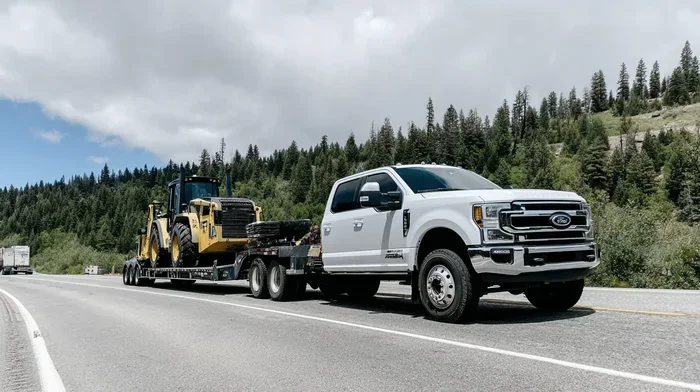
- Ford: Certain Ford models, especially trucks, have impressive track records for durability.
- Chevrolet: Some Chevy trucks and SUVs are built to handle heavy use and high mileage.
Expert Insight: According to a study by iSeeCars, the average vehicle lifespan on the road today is about 12 years. However, well-maintained cars from reliable brands routinely exceed 15 to 20 years. The difference comes down to build quality and how well the owner takes care of the vehicle.
How Many Miles Can a Car Really Last?
When we talk about which car has the maximum lifespan, we need to discuss actual mileage numbers. What counts as high mileage today? And what is realistic for a well-cared-for vehicle?
The 200,000-Mile Benchmark
For many years, 100,000 miles was considered a lot. Today, 200,000 miles is becoming the new standard for a long-lasting car. Thanks to better engineering and improved materials, modern vehicles are designed to go farther than ever before.
Here is a quick comparison of average lifespans by vehicle type:
| Vehicle Type | Average Lifespan (Miles) | Top Models That Exceed 250K |
|---|---|---|
| Sedan | 200,000 – 250,000 | Toyota Camry, Honda Accord |
| Compact Car | 200,000 – 250,000 | Toyota Corolla, Honda Civic |
| SUV | 180,000 – 250,000 | Toyota Highlander, Honda CR-V |
| Pickup Truck | 200,000 – 300,000 | Toyota Tacoma, Ford F-150 |
| Minivan | 200,000 – 250,000 | Toyota Sienna, Honda Odyssey |
| Hybrid | 200,000 – 250,000 | Toyota Prius, Honda Insight |
As you can see, many vehicles can exceed 200,000 miles. The ones that reach 250,000 or even 300,000 miles usually belong to the brands we mentioned earlier.
What Affects Mileage Limits?
Several factors determine how many miles a car can handle:
- Manufacturing quality: Better parts and assembly mean a longer life.
- Maintenance history: A full service record is worth its weight in gold.
- Driving conditions: Cars in warm, dry climates tend to last longer than those in harsh winter environments.
- Usage patterns: Highway driving is easier on a car than constant city stop-and-go traffic.
- Fuel quality: Using clean, recommended fuel helps protect your engine over time.
Common Mistake: Many buyers ignore the maintenance history of a used car. Always ask for service records. A car with 150,000 miles and full records is often a better buy than one with 80,000 miles and no paperwork.
Maintenance Tips to Extend Your Car’s Life
Want to push your car past the 200,000-mile mark? It is absolutely possible. The key is staying on top of vehicle upkeep and making smart choices every day.
Follow a Strict Service Schedule
Every car comes with a manufacturer-recommended service schedule. This is not just a suggestion. It is a roadmap to keeping your car healthy. Follow it closely.
Here are the services you should never skip:
- Oil and filter changes every 5,000 to 7,500 miles.
- Tire rotations every 5,000 to 7,500 miles.
- Brake inspections at every oil change.
- Coolant flush every 30,000 to 50,000 miles.
- Transmission service every 60,000 miles.
- Timing belt replacement as specified by the manufacturer.
Address Small Problems Immediately
One of the biggest mistakes car owners make is ignoring small issues. A tiny leak today can become a major repair tomorrow. A strange noise could signal a problem that gets worse with time.
Quick Tip: Keep a log of every issue you notice, no matter how small. Bring it to your mechanic. Fixing a $50 problem now can save you $500 later.
Keep Your Car Clean Inside and Out
This might sound surprising, but keeping your car clean does more than make it look good. Salt, dirt, and moisture can cause rust and corrosion. Regular washing and waxing protect the body and undercarriage.
Inside the car, keep seats and dashboards clean. Use floor mats to protect carpets. A clean car is also easier to inspect for problems.
The Cost of Owning a Long-Lasting Car
Buying a car that lasts a long time is smart financially. But let us be honest about the costs involved. Understanding car ownership cost helps you make the best decision.
Repair vs. Replace
A long-lasting car still needs repairs. But here is the thing: the cost of maintaining an old car is almost always lower than the cost of buying a new one. New cars come with higher payments, higher insurance, and faster depreciation.
Let us look at a simple comparison:
| Factor | New Car (Year 1) | Well-Maintained 10-Year-Old Car |
|---|---|---|
| Monthly Payment | $400 – $700 | $0 (paid off) |
| Insurance (Monthly) | $150 – $250 | $75 – $120 |
| Depreciation (Year 1) | 20% – 30% | Minimal |
| Major Repairs (Year 1) | Rare (warranty covers) | Some, but predictable |
| Total Annual Cost | $6,000 – $10,000+ | $1,500 – $3,000 |
As you can see, keeping a reliable old car saves thousands of dollars per year. This is one of the biggest financial benefits of choosing a long-lasting car.
Insurance and Depreciation
Older cars have lower insurance costs because they are worth less. You can also drop comprehensive and collision coverage once your car’s value drops below a certain point. This frees up even more money in your budget.
Depreciation is another factor. New cars lose value fast. A car that costs $30,000 new might be worth $18,000 after three years. A 10-year-old car that was bought for $8,000 might still be worth $3,000. The slow depreciation of older, reliable cars is a huge advantage.
Why Car Lifespan Matters to Buyers
Understanding which car has the maximum lifespan is not just about numbers. It has real-world impact on your daily life and your wallet.
Better Resale Value
Cars from reliable brands hold their value better. When it is time to sell or trade in, a well-maintained Toyota or Honda will fetch a higher price. Buyers know these cars last, so they are willing to pay more.
Less Stress and Fewer Surprises
A reliable car means fewer unexpected breakdowns. You can plan your trips without worrying about the roadside. This peace of mind is priceless, especially for daily commuters and families.
Environmental Benefits
Keeping a car longer reduces waste. Manufacturing a new car uses significant resources and energy. By extending the life of your current vehicle, you are doing your part for the environment. Fewer cars in landfills means less pollution and less demand for new materials.
Smarter Financial Planning
When you know your car will last, you can plan your budget better. You are not constantly saving for the next car payment. Instead, you invest that money in savings, travel, or other priorities. Car longevity directly translates to financial freedom.
Common Mistakes That Shorten Your Car’s Life
Now that we know what makes cars last, let us talk about what kills them. Avoiding these mistakes can add years to your vehicle.
- Skipping oil changes: Old oil causes engine wear. This is the number one killer of car engines.
- Ignoring warning lights: That check engine light is trying to tell you something. Do not ignore it.
- Overloading the car: Exceeding your vehicle’s weight limit stresses the engine, brakes, and suspension.
- Neglecting tire care: Underinflated tires reduce fuel efficiency and cause uneven wear.
- Using cheap parts: Aftermarket parts vary in quality. Stick with OEM or trusted brands for critical components.
- Driving on empty: Running your tank low can damage the fuel pump over time.
Expert Insight: Most mechanics agree that the biggest lifespan killer is neglect. A car that is cared for properly will almost always outlive one that is not. It really is that simple.
Final Thoughts
So, which car has the maximum lifespan? The honest answer is that it depends on the brand, the model, and how well you take care of it. Toyota and Honda models consistently prove to be the longest-lasting vehicles on the road. But any car can reach high mileage with the right owner.
The key takeaways are clear. Choose a reliable brand. Follow a strict maintenance schedule. Drive gently and address problems early. These habits will help your car go well beyond 200,000 miles. And that means more savings, less stress, and a better ownership experience.
Whether you are buying your first car or your fifth, keep longevity in mind. A car is a big investment. Make sure it is one that pays off for years to come. Which car has the maximum lifespan? Now you know the answer, and you have the tools to make it work for you too.
Frequently Asked Questions
Which car brand lasts the longest?
Toyota is widely considered the longest-lasting car brand. Many Toyota models routinely exceed 250,000 miles. Honda is a close second, with models like the Accord and Civic known for their durability. Both brands use high-quality materials and proven engineering that stands the test of time.
How many miles can a well-maintained car last?
A well-maintained car can easily last 200,000 to 300,000 miles. Some Toyota and Honda models have been documented reaching over 400,000 miles. The key factors are regular oil changes, timely repairs, and gentle driving habits. Maintenance history plays a huge role in reaching these high numbers.
Is it worth buying a high mileage car?
Yes, in most cases. A high mileage car from a reliable brand can be a great value. These vehicles are often cheaper to buy, cheaper to insure, and have already experienced their steepest depreciation. As long as the car has a clean maintenance record and no major issues, it can serve you well for many more years.
What shortens a car’s lifespan?
Neglect is the biggest lifespan killer. Skipping oil changes, ignoring warning lights, and using low-quality fuel all shorten a car’s life. Aggressive driving, overloading the vehicle, and skipping scheduled maintenance also contribute to faster wear and tear. Simple neglect over time leads to costly repairs and a shorter overall lifespan.
Do hybrid cars last longer than regular cars?
Hybrid cars can last just as long, if not longer, than regular cars. The hybrid system reduces engine wear because the electric motor shares the workload. Many Toyota Prius models have logged over 200,000 miles with no major issues. However, hybrid battery replacement can be expensive if it happens outside of warranty.
What is the best used car for longevity?
The Toyota Camry, Toyota Corolla, Honda Accord, and Honda Civic are among the best used cars for longevity. These models are affordable, widely available, and have proven track records for lasting well beyond 200,000 miles. Always check the service history and get a pre-purchase inspection before buying any used car.