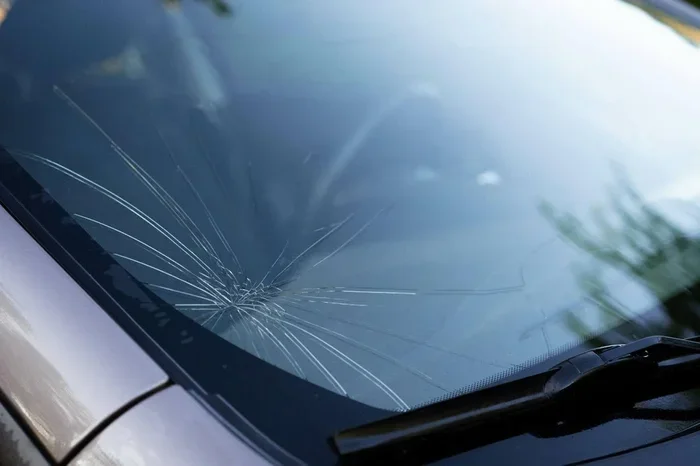
Does Car Insurance Cover Windshield Damage Claims
Yes, car insurance can cover windshield damage claims if you have comprehensive coverage on your policy. This guide explains exactly what’s covered, how much you’ll pay out of pocket, and the step-by-step process to file a successful claim. We also share practical tips to prevent windshield damage and keep your insurance costs low.
This is a comprehensive guide about Does Car Insurance Cover Windshield Damage.
Key Takeaways
- Comprehensive coverage is required: Standard liability insurance does not cover windshield damage. You need comprehensive or full coverage to be protected.
- Deductibles apply: You will typically pay a deductible before your insurer covers the rest of the windshield repair or replacement cost.
- Small chips can be repaired for free: Many insurers cover windshield chip repairs with no deductible, especially if the damage is minor.
- Filing a claim may affect your premium: A windshield claim is usually considered a comprehensive claim and may or may not raise your rates depending on your insurer.
- OEM vs aftermarket glass matters: Your policy type determines whether you get original manufacturer glass or a cheaper alternative after replacement.
- Prevention helps: Using a DIY car windshield snow cover or a windshield cover for sun protection can reduce your risk of damage.
[FEATURED_IMAGE_PLACEHOLDER]
Does Car Insurance Cover Windshield Damage Claims?
You’re driving down the highway, and suddenly a rock flies up and cracks your windshield. It happens to the best of us. The real question is: does car insurance cover windshield damage claims? The short answer is yes, but it depends on the type of coverage you have. Not all policies are the same, and understanding the details can save you hundreds of dollars.
In this guide, we break down everything you need to know about windshield damage claims. From comprehensive coverage to deductibles, from filing your claim to preventing future damage, we cover it all. Whether you have a small rock chip or a full crack, this article will help you figure out your next move.
Windshield damage is one of the most common car insurance claims. Rocks, debris, temperature changes, and even stray baseballs can cause problems. The good news is that most full coverage policies include protection for this type of damage. But you need to know what your policy actually covers before you need it.
What Type of Insurance Covers Windshield Damage?
Not every car insurance policy pays for windshield repairs. The type of coverage you hold determines whether your claim will be approved. Let’s look at the two main types of coverage and how they relate to windshield damage.
Comprehensive Coverage: Your Windshield’s Best Friend
Comprehensive coverage is the key player when it comes to windshield claims. This type of insurance covers damage that is not caused by a collision. Think of it as protection for events outside your control. Rocks hitting your windshield, hail storms, vandalism, theft, and even falling tree branches all fall under comprehensive coverage.
Here is what comprehensive coverage typically includes for windshield damage:
- Rock chips and cracks: Damage from road debris is fully covered under comprehensive policies.
- Hail damage: Storm-related dings and cracks are included.
- Vandalism: If someone intentionally damages your windshield, comprehensive coverage applies.
- Weather damage: Wind, rain, and temperature-related cracks are covered.
Most insurance companies treat windshield claims as comprehensive claims. This means they do not affect your accident record or collision history. That is a big plus for your insurance premium down the road.
Collision Coverage: When It Applies
Collision coverage pays for damage caused by an accident you are at fault for. If you hit a guardrail and crack your windshield, collision coverage would apply. However, if a rock hits your windshield while you are driving, collision coverage does not apply. That falls squarely under comprehensive coverage.
The distinction matters a lot. Many drivers confuse the two and assume their collision policy covers all damage. It does not. You need both comprehensive and collision coverage for full protection, which is often called full coverage car insurance.
Liability Coverage: What It Does Not Do
Liability insurance is the minimum coverage required in most states. It covers damage you cause to other people and their property. It does not cover your own windshield. If you only carry liability coverage, a cracked windshield will come out of your own pocket.
This is why experts always recommend adding comprehensive coverage to your policy. The cost is relatively low compared to the protection it provides. A single windshield replacement can cost anywhere from $200 to $1,000 or more, depending on your vehicle.
How Does Windshield Claim Filing Work?
Filing a windshield claim is simpler than many people think. Most insurance companies have streamlined the process, especially for glass claims. Here is a step-by-step look at how the claim filing process works.
Step 1: Document the Damage
Before you call your insurer, take clear photos of the damage. Capture the chip, crack, or dent from multiple angles. Include photos of your car’s overall condition. This documentation will speed up your claim and prevent disputes.
Also note the date, time, and location where the damage occurred. If a rock hit your windshield on the highway, mention the specific road and mile marker if possible. The more details you provide, the smoother the process will be.
Step 2: Contact Your Insurance Company
Call your insurance provider or use their mobile app to start the claim. Most major insurers now offer apps where you can upload photos and submit a claim in minutes. Tell the representative that the damage is to your windshield and ask whether it falls under your comprehensive coverage.
Your insurer will ask for your policy number, the date of damage, and a description of what happened. Have this information ready before you call.
Step 3: Get an Estimate
Many insurance companies have preferred repair shops or mobile glass services. They will arrange for a technician to inspect your windshield at no cost to you. The technician will determine whether the damage can be repaired or if a full replacement is needed.
Here is a quick comparison of repair vs. replacement:
- Repair: Best for chips smaller than a quarter and cracks under three inches. Often completed in 30 minutes. Many insurers cover repairs with no deductible.
- Replacement: Needed for larger cracks, extensive damage, or chips directly in the driver’s line of sight. Takes about one to two hours. Your deductible applies.
Step 4: Choose Your Repair Shop
You have the right to choose where your windshield is repaired or replaced. Some insurers recommend specific shops, but you are not obligated to use them. You can visit your local auto glass specialist or even use a mobile service that comes to you.
Make sure the shop uses quality glass. Ask whether they use OEM glass or aftermarket glass. This choice can affect the cost and quality of the repair.
Step 5: Pay Your Deductible and Get Your Windshield Fixed
Once the repair or replacement is complete, you pay your deductible. The insurance company pays the rest directly to the shop. If the repair is free of charge (common for small chips), you pay nothing.
Most claims are processed within a few days. Glass claims are typically handled faster than other types of claims because they are straightforward and low-risk for insurers.
What Does Comprehensive Coverage Pay for Windshield Repair?
Understanding what your comprehensive policy actually pays for helps set realistic expectations. Let us break down the costs and coverage details.
Windshield Repair Costs
A simple windshield repair for a small chip or crack usually costs between $50 and $150. Many insurance companies waive the deductible for repairs. This means you pay nothing out of pocket for a minor fix. It is one of the best perks of having comprehensive coverage.
If the damage is more extensive, the cost rises. A windshield replacement can range from $200 for a basic vehicle to over $1,000 for luxury or specialty vehicles. Your deductible applies to replacement claims. If your deductible is $500 and the replacement costs $800, you pay $500 and your insurer pays $300.
OEM vs Aftermarket Glass
This is an important detail many people overlook. OEM glass is made by the original manufacturer of your vehicle. It matches the exact specifications of your windshield. Aftermarket glass is made by third-party manufacturers and is usually cheaper.
Here is how they compare:
- OEM glass: Higher quality, perfect fit, often covered by glass-only policies. Costs more but provides the best long-term performance.
- Aftermarket glass: More affordable, widely available, and meets safety standards. Some insurers default to aftermarket glass unless you specify otherwise.
Check your policy to see which type of glass you are entitled to. If you want OEM glass, you may need to add a glass endorsement or pay a small difference in cost.
Zero Deductible Glass Coverage
Some insurance companies offer zero deductible glass coverage as an add-on. This means you pay nothing for windshield repairs or replacements. It is worth asking your agent about this option, especially if you drive frequently or live in an area prone to road debris and hail.
States like Florida, Kentucky, and South Carolina actually require insurers to offer zero deductible glass coverage. If you live in one of these states, take advantage of it.
Will Filing a Windshield Claim Raise Your Insurance Premium?
This is one of the most common questions drivers ask. The answer is: it depends. Most windshield claims fall under comprehensive coverage, which is treated differently than accident claims. Here is what you need to know.
In most cases, a single comprehensive claim for windshield damage will not significantly raise your premium. Insurers view glass claims as low-risk events. However, multiple claims within a short period can trigger a rate increase.
Here are some factors that affect whether your premium goes up:
- Your claims history: If you have filed multiple comprehensive claims in the past three years, your insurer may view you as a higher risk.
- Your state regulations: Some states limit how much insurers can raise rates for comprehensive claims.
- Your insurer’s policies: Each company handles claims differently. Some are more forgiving than others.
- The size of the claim: A small repair claim is less likely to affect your rate than a large replacement claim.
If you have a no-claim bonus or safe driver discount, one comprehensive claim may not wipe it out. But it is always wise to check with your agent before filing. They can tell you exactly how a claim will impact your rates.
For minor damage, you might consider paying out of pocket instead of filing a claim. If the repair cost is close to or lower than your deductible, it makes financial sense to cover it yourself.
How to Prevent Windshield Damage
Prevention is always better than dealing with a claim. While you cannot control every rock or hailstone, you can take steps to reduce your risk of windshield damage. Here are some practical tips that really work.
Keep a Safe Following Distance
Tailgating is one of the leading causes of windshield chips. The closer you follow another vehicle, the more likely debris and rocks will hit your windshield. Maintain a safe following distance of at least three to four seconds on the highway.
Avoid Driving Behind Trucks
Large trucks kick up rocks and gravel that can chip your windshield. When possible, change lanes or increase your distance behind trucks. This simple habit can save you from unexpected damage.
Use a Windshield Cover
Extreme temperatures can cause or worsen cracks in your windshield. Parking in direct sunlight on a hot day and then using your defroster on high can create stress fractures. Using a car windshield cover for sun protection helps regulate temperature and reduces this risk.
In winter, a DIY car windshield snow cover keeps ice and snow off your glass. It also prevents you from using harsh scraping tools that can scratch or stress the windshield.
Park Smart
Where you park matters more than you think. Avoid parking under trees where branches could fall. Stay away from construction zones where debris is common. If you have a garage, use it. A covered parking spot can dramatically reduce your exposure to windshield damage.
Address Chips Immediately
Small chips can turn into large cracks quickly, especially with temperature changes and vibration from driving. Fix a chip as soon as you notice it. A quick repair costs little to nothing if you have comprehensive coverage, and it prevents the need for a full replacement later.
Consider Windshield Protection Films
Protection films add a layer of strength to your windshield. They can help absorb impact from small debris and reduce the severity of chips. A product like 3M anti glare film for car windshield not only protects your glass but also reduces glare while driving. It is a worthwhile investment for anyone who spends a lot of time on the road.
When Should You File a Windshield Claim?
Not every crack or chip requires a claim. Here is a simple guide to help you decide.
File a claim when:
- The crack is longer than three inches.
- The chip is in the driver’s direct line of sight.
- The damage is spreading or growing.
- You have zero deductible glass coverage.
- The cost of replacement exceeds your deductible significantly.
Pay out of pocket when:
- The chip is small and can be repaired for under $50.
- Your deductible is higher than the repair cost.
- You have had multiple claims recently and do not want to risk a rate increase.
- The damage is minor and does not affect your driving visibility.
Making the right decision here can save you money and protect your insurance policy record. When in doubt, call your insurer and ask. They can advise you on whether a claim makes sense for your specific situation.
Common Mistakes to Avoid With Windshield Claims
Even well-meaning drivers make mistakes when handling windshield damage. Here are the most common ones and how to avoid them.
- Ignoring small chips: A tiny chip can spread into a major crack within days. Do not wait. Get it inspected and repaired promptly.
- Using DIY repair kits: While they work for very minor chips, DIY kits often do not hold up over time. They can also void your insurance’s repair guarantee if a professional needs to fix it later.
- Driving with a cracked windshield: In many states, it is illegal to drive with a cracked windshield that obstructs your view. You could face a ticket. More importantly, a cracked windshield is weaker and more likely to shatter in a collision.
- Not checking your policy: Many drivers assume they have glass coverage when they do not. Review your policy before you need it.
- Choosing the cheapest shop: The lowest bid is not always the best. Quality glass and proper installation matter for safety and structural integrity.
Avoiding these mistakes keeps you safe, legal, and financially protected.
Expert Insights on Windshield Coverage
Insurance professionals agree that comprehensive coverage is one of the most valuable additions to any auto policy. According to industry experts, windshield claims account for a significant portion of all comprehensive claims each year. The average cost of a windshield replacement has risen steadily, making coverage even more important today.
Experts also recommend reviewing your policy annually. Insurance needs change as your vehicle ages, your driving habits change, and new risks emerge. If you recently added a windshield protection film or upgraded your glass, make sure your agent knows so your coverage reflects the actual value of your windshield.
One tip from seasoned agents: ask about glass endorsements. These are add-ons to your comprehensive policy that specifically cover glass damage with lower or zero deductibles. They are affordable and provide excellent peace of mind, especially for drivers in areas with harsh weather or heavy traffic.
Final Thoughts: Is Windshield Coverage Worth It?
The answer is a clear yes. Windshield damage is unpredictable and common. A single rock chip or crack can cost hundreds of dollars to fix. With comprehensive coverage, most of that cost is covered by your insurer, often with little to no out-of-pocket expense.
Even if you pay a small deductible, the protection is well worth the cost of the premium. Comprehensive coverage also protects you from more than just windshield damage. It covers theft, vandalism, fire, falling objects, and weather-related damage. It is one of the most well-rounded protections you can add to your policy.
Take a few minutes today to review your insurance policy. Make sure you have comprehensive coverage. If you do, you are in good shape. If you do not, consider adding it. The peace of mind alone is worth the investment.
And remember, preventing damage is always better than filing a claim. Keep a safe distance from trucks, use a windshield cover when parking outdoors, and fix chips before they become cracks. Your windshield is your window to the road. Keep it clear, keep it safe, and keep your coverage solid.
For more tips on protecting your vehicle, check out our guide on car front glass sticker design for ideas on how to customize and protect your windshield at the same time.
Frequently Asked Questions
Does full coverage car insurance cover windshield damage?
Yes, full coverage includes comprehensive coverage, which pays for windshield damage from non-collision events like rocks, hail, and vandalism. Collision coverage also applies if the damage results from an accident you cause. Check your specific policy for details on deductibles and glass endorsements.
What is the deductible for a windshield claim?
Your deductible depends on your policy. Most comprehensive policies have deductibles ranging from $0 to $1,000. Many insurers waive the deductible for windshield repairs but apply it for replacements. Some states require zero deductible glass coverage for windshield claims.
Can I repair a windshield chip instead of replacing the whole windshield?
Yes, most chips smaller than a quarter and cracks under three inches can be repaired. Many insurance companies cover windshield repairs at no cost to you, even if your deductible applies to replacements. Repair is faster, cheaper, and preserves your original windshield.
Will one windshield claim raise my car insurance rates?
Generally, a single comprehensive windshield claim does not raise your rates significantly. Insurers treat glass claims differently from accident claims. However, multiple claims within a short period may trigger a rate increase. Always check with your agent before filing.
How long does a windshield claim take to process?
Most windshield claims are processed within two to five business days. Glass claims are typically faster than other types because they are straightforward. Many repair shops can complete a windshield replacement in one to two hours once the claim is approved.
Should I use OEM or aftermarket glass for my windshield replacement?
OEM glass is made by the original manufacturer and offers the best fit and quality. Aftermarket glass is cheaper and meets safety standards but may not match perfectly. Check your policy to see which type is included. You can often upgrade to OEM glass for a small additional cost.