Do I Have to Use Subaru Coolant or Can I Use Something Else
You do not always have to use OEM Subaru coolant, but using the wrong type can damage your engine. Many aftermarket coolants work fine if they meet Subaru specifications. Always check your owner manual and match the coolant type to keep your Subaru cooling system running safely.
Every Subaru owner has faced this moment. You pop the hood, peer at the coolant reservoir, and wonder if you really need that expensive Subaru-specific fluid. Maybe you found a cheaper option at the auto parts store. Or maybe a friend told you any coolant works fine. The question Do I Have to Use Subaru Coolant comes up more often than you might think.
The short answer is no, you do not always have to use the factory-recommended Subaru coolant. But the longer answer matters a lot more. Using the wrong coolant can lead to overheating, corrosion, and even engine failure. In this guide, we will walk through everything you need to know about Subaru coolant, what alternatives exist, and how to keep your engine running safely without overspending.
Whether you drive a Subaru WRX, a Subaru Outback, or any other model, understanding your coolant type is essential. This article breaks it all down in plain language so you can make the best decision for your car and your wallet.
Key Takeaways
- Subaru recommends specific coolant types: Using the wrong coolant can cause serious engine damage over time.
- Aftermarket coolants can work: Many universal or compatible coolants meet Subaru specifications if you choose the right one.
- Mixing coolants is risky: Combining different coolant types can cause chemical reactions that reduce effectiveness.
- Check your owner manual: It tells you the exact coolant specification your Subaru needs.
- Regular coolant flushes matter: Even the right coolant breaks down over time and needs to be replaced.
- Watch for warning signs: Overheating, low coolant levels, or strange colors signal potential problems.
📑 Table of Contents
What Is Subaru Coolant and Why Does It Matter
Coolant, also called antifreeze, is the fluid that circulates through your engine to keep it from overheating. It absorbs heat from the engine block and carries it to the radiator, where it cools down before cycling back again. Without proper engine coolant, your Subaru would overheat within minutes of driving.
But coolant does more than just regulate temperature. It also prevents corrosion inside the cooling system, lubricates the water pump, and stops the fluid from freezing in cold weather. Subaru designs its coolant formulas to work specifically with the materials in their engines. This includes the aluminum blocks, rubber seals, and metal alloys that make up the cooling system.
The Role of Coolant in Your Subaru Engine
Your Subaru engine runs hot. The flat-four and flat-six engines that Subaru is famous for generate a lot of heat, especially under load. The coolant absorbs that heat and dissipates it through the radiator. If the coolant is not formulated correctly, it cannot absorb heat efficiently. This leads to hot spots inside the engine that can cause warping, cracking, or blown head gaskets.
Subaru coolant also contains additives that protect the internal passages from scale buildup and corrosion. These additives deplete over time, which is why regular coolant flushes are so important. Old coolant loses its protective properties and can actually accelerate wear on cooling system components.
Subaru Coolant Specifications You Should Know
Subaru specifies a particular type of coolant for most of its vehicles. This is typically a ethylene glycol-based coolant with specific additive packages. The coolant is usually blue or pink in color, depending on the model year. Newer Subarus often use a long-life coolant that can last up to 100,000 miles or more before needing a flush.
Here are the key specifications to look for when choosing coolant for your Subaru:
- Base formula: Ethylene glycol or propylene glycol
- Color: Blue, pink, or red depending on the model year
- Additive package: Silicate-free or low-silicate formulations for newer models
- pH level: Should stay between 7.5 and 11.0 to prevent corrosion
- Boiling point: Must withstand temperatures above 225°F without boiling
These specifications ensure that the coolant compatibility with your Subaru engine is maintained. When you deviate from these specs, you risk damaging sensitive components in the cooling system.
Can You Use Alternative Coolants in a Subaru
This is where things get interesting. Many car owners assume that because a coolant says “universal” on the label, it will work in any vehicle. The truth is more nuanced. Some aftermarket coolants are perfectly fine for Subarus, while others can cause problems.
Aftermarket Coolant Options
Aftermarket coolants are fluids made by companies other than Subaru. Brands like Prestone, Zerex, and Peak offer coolants that claim to be compatible with multiple vehicle makes and models. Many of these products meet the same specifications as OEM Subaru coolant. If you choose a high-quality aftermarket option, you can save money without sacrificing protection.
When shopping for an alternative coolant, look for products that explicitly state compatibility with Japanese vehicles or Subaru engines specifically. The aftermarket coolant should match the base formula and additive package that Subaru recommends. Check the back of the bottle for specifications like HOAT, OAT, or IAT, and compare them to what your owner manual says.
For example, if you were researching whether you could use a different type of fluid in another car, you might look at whether Can I Put 93 Gas in My Car to understand how using the wrong fuel grade compares to using the wrong coolant. Both involve using a product that does not exactly match the manufacturer recommendation, and both carry risks if the wrong choice is made.
Universal Coolants and Their Limitations
Universal coolants are designed to work with virtually any vehicle. They use a hybrid organic acid technology (HOAT) formula that aims to be compatible with multiple coolant types. While convenient, universal coolants are not always a perfect fit for Subarus.
The problem is that universal coolants are designed to be a one-size-fits-all solution. They may not contain the exact additive package that Subaru engines need. In some cases, a universal coolant can work fine for a few thousand miles. But over time, the lack of specific additives can lead to corrosion inside the cooling system.
Think of it this way. Using a universal coolant is like wearing shoes that are close to your size but not quite right. They work for a short walk, but on a long hike, you will feel the difference. The same goes for your Subaru engine. A universal coolant might get you by for a while, but it is not the best long-term solution.
What About Using Green Coolant or Older Formulas
Older Subaru models used a green-colored coolant that was based on inorganic acid technology (IAT). This green coolant was standard for many years and worked well with the engines of that era. If you drive a classic Subaru, you may still be able to find green coolant that meets the original specifications.
However, newer Subarus use organic acid technology (OAT) or hybrid organic acid technology (HOAT) coolants. These are formulated differently and should not be mixed with older IAT coolants. Mixing coolant types can cause the additives to react with each other, forming a gel-like substance that clogs the cooling system. This can lead to overheating and expensive repairs.
If you are curious about how mixing products affects performance in other contexts, consider how mixing fuel grades works. Just like you should not mix different octane fuels without understanding the impact, you should not mix different coolant types without checking compatibility. For more on this, you can read about Can I Mix 87 and 89 Gas to see how blending products with different specifications can create problems.
What Happens If You Use the Wrong Coolant
Using the wrong coolant in your Subaru is not something to take lightly. The consequences can range from minor issues to catastrophic engine failure. Here is what can go wrong when you use a coolant that does not match Subaru specifications.
Short-Term Effects of Wrong Coolant
In the short term, using the wrong coolant might not cause any obvious problems. Your engine might run fine for a few weeks or even a few months. But underneath the surface, the wrong additives can start to break down seals and gaskets. You might notice a slight drop in cooling efficiency or a faint smell coming from the engine bay.
Some early warning signs include:
- A slightly higher-than-normal temperature gauge reading
- Small coolant leaks around hoses or connections
- A sweet smell coming from the engine compartment
- Slightly reduced heating performance in the cabin
Long-Term Damage from Wrong Coolant
Over time, the wrong coolant can cause serious damage. Corrosion builds up inside the radiator, heater core, and engine passages. This corrosion can clog the cooling system, reducing the flow of coolant and leading to overheating. In severe cases, the damage can be irreversible and require a complete engine rebuild or replacement.
The water pump is another component at risk. Coolant acts as a lubricant for the water pump bearings. The wrong formula can strip away this lubrication, causing the pump to fail prematurely. A failed water pump means your engine loses circulation, which leads to rapid overheating.
If you are wondering about the cost of ignoring maintenance issues, consider how other car problems can compound. For instance, ignoring a small issue like using the wrong fluid can snowball into something much bigger. Just as you might research whether Can I Use 5W30 Instead of 5W20 to understand the risks of using the wrong oil viscosity, you should understand that using the wrong coolant viscosity or formula carries similar risks.
How to Choose the Right Coolant for Your Subaru
Choosing the right coolant does not have to be confusing. Follow these steps to make sure you are using the best fluid for your Subaru.
Check Your Owner Manual First
Your Subaru owner manual is the ultimate guide. It will tell you exactly what type of coolant your vehicle needs, including the color, specification, and capacity. Look for the section on maintenance or fluid specifications. The manual will also tell you how often to flush and replace the coolant.
If you no longer have your owner manual, you can usually find a digital copy on Subaru’s website. You can also check the coolant reservoir cap under the hood. It often has the coolant type printed on it.
Match the Coolant to Your Model Year
Different Subaru model years use different coolant types. Here is a general breakdown:
- Pre-2011 models: Typically use traditional green IAT coolant
- 2011-2017 models: Often use pink or blue HOAT coolant
- 2018 and newer models: Usually use long-life OAT or HOAT coolant
Always verify the exact specification for your specific model and year. Subaru has changed its coolant requirements multiple times over the years, and using the wrong one for your model year can cause problems.
When to Flush and Replace Your Coolant
Even the best coolant breaks down over time. The additives that protect your engine from corrosion get used up, and the fluid loses its ability to transfer heat efficiently. Most Subaru models need a coolant flush every 30,000 to 60,000 miles, depending on the type of coolant used.
Signs that your coolant needs attention include:
- The coolant has changed color or become rusty
- You notice a sweet smell under the hood
- The temperature gauge reads higher than normal
- You see steam or vapor coming from the engine bay
- The coolant reservoir level drops frequently
If you notice any of these signs, do not wait. Have your cooling system inspected by a qualified mechanic. Flushing the system and refilling with the correct coolant is much cheaper than repairing damage caused by overheating.
Common Mistakes Subaru Owners Make With Coolant
Even well-meaning car owners make mistakes when it comes to coolant. Here are the most common errors and how to avoid them.
Mixing Different Coolant Brands
One of the biggest mistakes is mixing coolants from different brands or with different chemical formulations. Even if two coolants are the same color, they may use different additive packages. When these additives combine, they can cancel each other out or form harmful deposits.
Always use the same brand and type of coolant when topping off or flushing your system. If you are unsure what is currently in your system, have a mechanic flush it completely before adding new coolant.
Using Water Instead of Coolant
In an emergency, adding plain water to your coolant reservoir is better than driving with no fluid at all. But water should never be a long-term substitute for coolant. Water does not have the same boiling point or freezing point as coolant, and it lacks the corrosion inhibitors that protect your engine.
If you have used water as a temporary substitute, get your cooling system flushed and refilled with proper coolant as soon as possible.
Ignoring Coolant Leaks
A small coolant leak might seem harmless, but it can quickly become a serious problem. Low coolant levels mean your engine is not being properly cooled, which can lead to overheating and engine damage. If you see puddles of coolant under your car or notice the reservoir level dropping, have the system inspected immediately.
Expert Tips for Subaru Coolant Maintenance
Taking care of your Subaru coolant does not require a mechanic degree. A few simple habits can keep your cooling system in great shape for years.
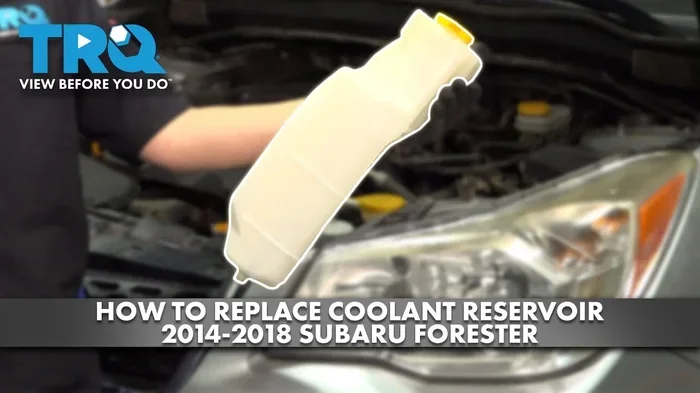
First, check your coolant level regularly. You can do this by looking at the reservoir when the engine is cool. The fluid should be between the minimum and maximum marks. If it is low, top it off with the correct type of coolant.
Second, pay attention to the color of your coolant. Fresh Subaru coolant should be a bright blue, pink, or red depending on the type. If it looks brown, rusty, or murky, it is time for a flush. Old coolant loses its effectiveness and can actually cause more harm than good.
Third, do not ignore the coolant warning light on your dashboard. If this light comes on, pull over safely and let the engine cool down. Continuing to drive with an overheating engine can cause irreversible damage.
Fourth, consider having your cooling system inspected during every oil change. A mechanic can check the hoses, clamps, water pump, and thermostat for signs of wear. Catching small issues early can save you from expensive repairs down the road.
Finally, keep records of your coolant flushes. Just like tracking oil changes, knowing when you last flushed your coolant helps you stay on top of maintenance schedules. This is especially important if you buy a used Subaru with an unknown maintenance history.
The bottom line is that your Subaru cooling system deserves the right fluid. Whether you choose OEM Subaru coolant or a compatible aftermarket option, make sure it meets the specifications in your owner manual. Taking a few extra minutes to choose the right coolant can save you thousands of dollars in repairs and keep your Subaru running strong for years to come.
Think of it as an investment in your engine. Just like you would not put low-quality fuel in a high-performance car, you should not put just any coolant in your Subaru. The right engine coolant keeps everything running smoothly, from the radiator to the water pump to the heater core. Your Subaru was engineered to perform at a high level, and using the correct coolant is one of the simplest ways to protect that performance.
If you are ever unsure about which coolant to use, your local Subaru dealer or a trusted mechanic can help. They can look up the exact specification for your model and year and recommend the best product. It is always better to ask a question than to risk damaging your engine with the wrong fluid.
Frequently Asked Questions
Can I Use Any Coolant in My Subaru?
Not all coolants are created equal. Subaru recommends specific coolant types based on your model and year. While some aftermarket coolants are compatible, you should always check the specifications on the bottle and match them to what your owner manual says. Using the wrong coolant can lead to corrosion and overheating.
What Happens If I Mix Different Coolant Types?
Mixing different coolant types can cause chemical reactions that reduce the effectiveness of the additives. This can lead to sludge buildup, clogged passages, and overheating. If you are unsure what is currently in your system, have a professional flush the entire cooling system before adding new coolant.
How Often Should I Flush My Subaru Coolant?
Most Subaru models need a coolant flush every 30,000 to 60,000 miles. Check your owner manual for the exact interval for your model. Older coolants may need to be flushed more frequently, while long-life coolants can last longer. Regular flushes prevent buildup and keep the cooling system working properly.
Is Subaru Coolant the Same as Regular Antifreeze?
Subaru coolant is a type of antifreeze, but it is specifically formulated for Subaru engines. Regular antifreeze from the store may not contain the right additives for the materials used in Subaru engines. Always use a coolant that meets Subaru specifications to ensure proper protection.
How Do I Check My Coolant Level?
Make sure the engine is cool before checking. Locate the coolant reservoir under the hood and look at the side. The fluid level should be between the minimum and maximum marks. If it is low, add the correct type of coolant. Never open the radiator cap when the engine is hot, as the pressurized fluid can cause burns.
Can I Use Water Instead of Coolant in an Emergency?
Yes, in a pinch, water is better than no fluid at all. However, water should never be a permanent replacement for coolant. It does not provide the same level of heat protection or corrosion prevention. If you have used water temporarily, flush the system and refill with proper coolant as soon as possible.
=== CONCLUSION ===
So do you have to use Subaru coolant? The answer is that you should use coolant that meets Subaru specifications. You do not have to buy the most expensive OEM option, but you do need to make sure whatever you choose is compatible with your specific model and year. The right Subaru coolant protects your engine from overheating, corrosion, and long-term damage.
Take the time to read your owner manual, check the specifications on any coolant you buy, and stick to a regular maintenance schedule. Your Subaru will reward you with reliable performance and a long lifespan. A few simple steps today can save you from major headaches tomorrow.