Do I Need Rental Car Insurance Everything You Must Know
Do I need rental car insurance? The answer depends on your current coverage, rental duration, and personal risk tolerance. This guide covers every type of rental car protection, including collision damage waiver, liability coverage, and credit card benefits. You will learn when to skip extra coverage and when to buy it.
Renting a car feels simple enough. You pick a vehicle, sign some papers, and drive away. But then the rental agent asks a question that stops you cold. “Would you like to add insurance today?” Suddenly, the simple transaction gets complicated. You wonder if you really need it. You also wonder what happens if you say no and something goes wrong.
Do I need rental car insurance? This is one of the most common questions drivers ask before renting a vehicle. The truth is, the answer is not a simple yes or no. It depends on your current auto policy, your credit card benefits, how long you are renting, and where you are driving. This guide breaks down everything you need to know about rental car insurance. We will cover the types of coverage available, when you are already protected, and how to make the smartest decision for your wallet.
Understanding rental car coverage before you book can save you hundreds of dollars. It can also save you from a headache if an accident happens on the road. Let us walk through each option so you can rent with confidence and peace of mind.
Key Takeaways
- Your personal auto policy may already cover rental cars in many cases, saving you from buying duplicate coverage.
- Credit cards often provide rental car protection if you decline the rental company insurance and pay with the card.
- Collision Damage Waiver (CDW) and Loss Damage Waiver (LDW) are the most common rental car insurance add-ons.
- Liability insurance is essential if your personal policy does not extend to rental vehicles.
- Rental car insurance costs vary widely, so comparing options before booking saves real money.
- Reading the fine print matters because exclusions can leave you financially exposed.
- Short-term rentals may not need extra coverage if your existing policies already apply.
📑 Table of Contents
- What Is Rental Car Insurance?
- Types of Rental Car Coverage Available
- When You Might Already Be Covered
- When Rental Car Insurance Is Worth It
- How to Choose the Right Rental Car Insurance
- Common Rental Car Insurance Mistakes to Avoid
- How Much Does Rental Car Insurance Cost?
- Expert Insights on Rental Car Insurance
- Do I Need Rental Car Insurance? Final Thoughts
What Is Rental Car Insurance?
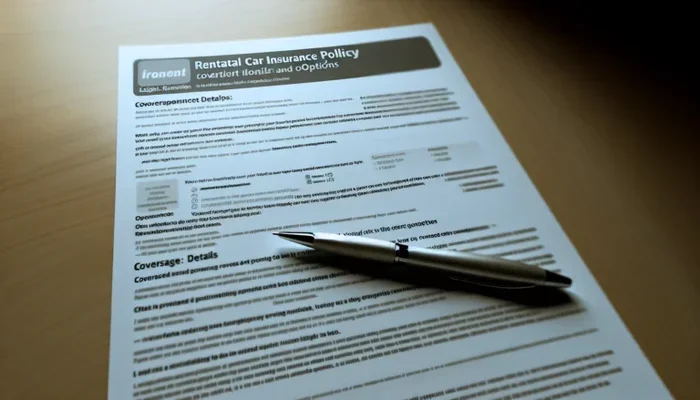
Rental car insurance is a type of protection that covers you while driving a rented vehicle. It works similarly to your regular auto insurance but is specific to the rental period. When you rent a car, the rental company offers several insurance options at the counter. These options can feel confusing, especially when you are already dealing with trip planning and logistics.
The basic idea is simple. If something happens to the rental car, insurance helps pay for the damage. It can also protect you from liability if you cause an accident. Without the right coverage, you could face significant out-of-pocket costs. These costs can include repair bills, medical expenses, and even legal fees.
Why Rental Car Insurance Matters
Many people assume their personal car insurance automatically covers rental vehicles. This is not always true. Some policies extend to rentals, but others do not. The same goes for credit card benefits. They often come with conditions that many cardholders do not know about.
Understanding your auto rental protection options before you arrive at the counter gives you a major advantage. You will know exactly what you need and what you can skip. This knowledge helps you avoid paying for coverage you already have. It also helps you avoid gaps that could leave you exposed.
Types of Rental Car Coverage Available
Rental companies typically offer several types of insurance at the counter. Each one serves a different purpose. Let us break them down so you understand what you are buying.
Collision Damage Waiver (CDW)
A collision damage waiver (CDW) is the most popular rental car insurance add-on. It covers the cost of damage to the rental car. If you scratch the vehicle, hit a curb, or get into a collision, CDW pays for repairs. It does not cover damage to other vehicles or property.
CDW usually comes with a daily fee. The cost varies by rental company and vehicle type. For a standard sedan, you might pay around $10 to $15 per day. For a luxury SUV, the fee can be much higher. Over a week-long rental, these fees add up quickly.
Loss Damage Waiver (LDW)
A loss damage waiver (LDW) is similar to CDW but broader. It covers both collision damage and theft. If someone breaks into your rental car and steals your belongings, LDW helps cover the loss. It also covers damage from vandalism, fire, and weather events.
LDW is often sold as a package with CDW. Some rental companies use the terms interchangeably, so always ask for clarification. The key difference is that LDW gives you wider protection against more types of loss.
Liability Insurance for Rental Cars
Liability insurance rental car coverage protects you if you cause damage to someone else property or injure another person. This type of coverage is different from CDW and LDW because it covers others, not the rental vehicle itself.
Most states require minimum liability coverage for all vehicles, including rentals. If you do not have your own liability insurance, the rental company may offer it as an add-on. This is especially important if you are traveling to a state with different insurance requirements.
Personal Accident Insurance
Personal accident insurance covers medical expenses for you and your passengers if you are injured in an accident. This coverage pays for ambulance rides, hospital stays, and treatment costs. It does not cover damage to the vehicle.
This type of coverage is often unnecessary if you have health insurance. Your personal health plan likely covers medical expenses from car accidents. However, if you do not have health insurance, personal accident insurance through the rental company can provide a safety net.
Personal Effects Coverage
Personal effects coverage pays for stolen or damaged belongings inside the rental car. If your laptop, luggage, or other items are taken from the vehicle, this coverage helps replace them.
Before purchasing this coverage, check your homeowners or renters insurance. These policies often cover personal belongings regardless of where they are stolen or damaged. You may already have this protection and not realize it.
When You Might Already Be Covered
One of the biggest surprises for renters is discovering they already have coverage. Before you pay extra at the counter, check these sources first.
Your Personal Auto Policy
Many personal auto policies extend to rental vehicles. If you have comprehensive and collision coverage on your own car, it likely follows you to a rental. This means your own insurance pays for damage to the rental car, just as it would for your personal vehicle.
However, not all policies are the same. Some policies exclude rentals entirely. Others only cover rentals under certain conditions. Call your insurance provider before your trip to confirm what your personal car insurance rental situation looks like. Ask specific questions about rental car coverage and any limits that apply.
Credit Card Rental Car Benefits
Many credit cards offer credit card rental car coverage as a perk. This benefit can save you from purchasing CDW or LDW at the rental counter. However, there are important conditions you must follow.
Typically, you must decline the rental company insurance and pay for the entire rental with the credit card. If you accept the rental company insurance or pay with a different method, the credit card benefit may not apply. Always read your card terms and conditions carefully.
Some cards offer primary coverage, which means they pay first without involving your personal insurance. Others offer secondary coverage, which only kicks in after your personal insurance pays. Understanding this difference is crucial for making the right choice.
For example, if you are using a card that provides benefits and you want to understand how payment methods work, you might find it helpful to learn whether you can pay your car payment with a credit card, since this knowledge helps you understand how credit interacts with vehicle transactions.
Your Employer or Membership Benefits
Some employers offer rental car insurance as part of their benefits package. Certain credit unions and professional organizations also provide this perk. Check with your HR department or membership coordinator before your trip. You might already have coverage you are not using.
When Rental Car Insurance Is Worth It
Not everyone needs to buy rental car insurance at the counter. But certain situations make it a smart purchase. Here is when you should consider adding coverage.
You Do Not Have Personal Auto Insurance
If you do not own a car and do not have a personal auto policy, rental car insurance becomes essential. Without your own coverage, you are fully responsible for any damage or liability. The rental company insurance protects you from devastating financial consequences in this scenario.
You Are Traveling Internationally
Your personal auto policy likely does not cover rentals in other countries. International rentals also come with different rules and risks. Purchasing rental car coverage through the rental company or a third-party provider ensures you are protected abroad.
Some credit cards offer international rental car insurance, but the coverage limits may be lower than what you need. Research your destination country insurance requirements before you travel. In some countries, having insurance is not optional, it is the law.
You Are Renting a Luxury or Expensive Vehicle
Renting a high-end vehicle comes with higher financial risk. If you damage a luxury car, the repair costs can be enormous. In these cases, the daily rental insurance fee is a small price to pay for peace of mind. The cost of the CDW or LDW is minor compared to the potential bill for a damaged luxury vehicle.
You Are Driving in Unfamiliar Areas
Navigating a new city or rural area increases the risk of an accident. Unfamiliar roads, different traffic patterns, and distracted driving all contribute to higher risk. If you are not comfortable driving in a new area, extra coverage can ease your mind.
How to Choose the Right Rental Car Insurance
Choosing the right rental car policy does not have to be overwhelming. Follow these steps to make a confident decision.
Step 1: Review Your Current Coverage
Before you book a rental, call your insurance provider. Ask them specifically about rental car coverage. Find out what is included and what is not. Write down the details so you have them at the rental counter.
Step 2: Check Your Credit Card Benefits
Look up your credit card rental car insurance policy. Note the conditions, coverage limits, and exclusions. Print or save this information on your phone so you can reference it at the counter.
Step 3: Compare Rental Company Options
Rental companies are required to disclose the cost of their insurance options upfront. Ask for a breakdown of all fees. Compare the daily rate of CDW or LDW against the potential cost of an accident. In most cases, the insurance fee is far less than the cost of an uncovered claim.
Keep in mind that your insurance decisions can affect your overall financial picture. For instance, how you manage insurance costs is similar to how leasing a car affects your credit, in that both involve understanding the long-term financial implications of your choices.
Step 4: Consider Third-Party Rental Insurance
You do not have to buy insurance from the rental company. Several third-party providers offer supplementary rental insurance at lower rates. These policies often provide the same coverage as what the rental company offers but at a fraction of the cost. Some popular providers include travel insurance companies and specialized rental insurance startups.
Third-party policies typically cover CDW, LDW, and liability insurance. They may also include personal accident and personal effects coverage. Research these options online before your trip to find the best deal.
Quick Tips for Choosing Rental Car Insurance
- Always decline the rental company insurance until you have reviewed your own coverage.
- Take photos of the rental car before and after your trip to document its condition.
- Read the rental agreement carefully for any hidden fees or exclusions.
- Consider a third-party policy if the rental company rates seem too high.
- Keep all receipts and documentation in case you need to file a claim.
Common Rental Car Insurance Mistakes to Avoid
Even well-informed renters can make mistakes when it comes to rental car insurance. Here are the most common errors and how to avoid them.
Assuming Your Personal Policy Covers Everything
The biggest mistake is assuming your personal auto policy covers rental cars without checking. Some policies exclude rentals entirely. Others only cover certain types of vehicles. Always verify your coverage before you rely on it.
Not Reading the Fine Print
Rental insurance policies contain many exclusions. For example, CDW may not cover damage if you were driving under the influence or if you took the car off-road. These exclusions can leave you paying for repairs out of pocket. Always read the policy details carefully.
Buying Duplicate Coverage
If your personal auto policy already covers rentals, buying CDW at the counter means you are paying twice for the same protection. This is wasted money. Always check your existing coverage first to avoid this common mistake.
Ignoring the Deductible
Even with rental car insurance, you may still be responsible for a deductible. This is the amount you pay out of pocket before insurance kicks in. Ask about the deductible amount before you purchase any coverage. A low daily fee might come with a high deductible, which could still cost you thousands in an accident.
Forgetting About Administrative Fees
Rental companies often add administrative fees when you file a claim. These fees can be significant and are not always disclosed upfront. Factor these costs into your decision when evaluating whether to purchase rental car damage waiver protection.
How Much Does Rental Car Insurance Cost?
The cost of rental car insurance varies based on several factors. The rental company, vehicle type, location, and duration all play a role in the final price.
On average, CDW and LDW cost between $10 and $30 per day. For a one-week rental, this translates to $70 to $210 in additional insurance fees. Liability insurance may cost an extra $7 to $15 per day. Personal accident and personal effects coverage are typically cheaper, ranging from $3 to $10 per day.
Compare these costs against your existing coverage. If your personal insurance already covers rentals, the rental company insurance is an unnecessary expense. But if you lack coverage, the daily fee is a small price for significant financial protection.
Third-party rental insurance providers often charge a flat fee for the entire rental period. This can be significantly cheaper than the daily rates offered by rental companies. A week-long policy from a third-party provider might cost $30 to $60 total, compared to $70 to $210 from the rental company.
Cost Comparison Table
Coverage Type: CDW/LDW | Daily Rate: $10-$30 | Weekly Cost: $70-$210
Coverage Type: Liability Insurance | Daily Rate: $7-$15 | Weekly Cost: $49-$105
Coverage Type: Personal Accident | Daily Rate: $3-$10 | Weekly Cost: $21-$70
Coverage Type: Personal Effects | Daily Rate: $3-$7 | Weekly Cost: $21-$49
Coverage Type: Third-Party Policy | Flat Fee: $30-$60 | Weekly Cost: $30-$60
As you can see, the costs add up quickly when you purchase multiple coverage types from the rental company. This is why reviewing your existing coverage and exploring third-party options is so important.
When considering the overall cost of a rental, keep in mind that fuel expenses also play a role. If you are renting a hybrid or fuel-efficient vehicle, you might wonder whether you really save on gas with a hybrid, since fuel savings can offset some of the rental costs you incur.
Expert Insights on Rental Car Insurance
Insurance professionals consistently advise renters to do their homework before arriving at the counter. According to industry experts, the most common mistake renters make is purchasing insurance they do not need. The second most common mistake is purchasing no insurance when they actually need it.
The key is to know your situation before you walk into the rental office. Bring your insurance card, your credit card details, and a clear understanding of what your personal policy covers. This preparation puts you in a position of power. You can make informed decisions instead of feeling pressured by the rental agent.
Experts also recommend considering the insurance coverage rental vehicle needs based on your trip duration. A short weekend trip may not warrant the same level of coverage as a two-week cross-country road trip. Adjust your coverage choices based on the specific risks of your journey.
Finally, always document the condition of the rental car when you pick it up and return it. Take photos from every angle. Note any existing damage with the rental agent. This simple step protects you from being charged for pre-existing damage when you return the vehicle.
Do I Need Rental Car Insurance? Final Thoughts
Do I need rental car insurance? The answer depends entirely on your situation. If your personal auto policy covers rentals and your credit card provides backup, you may not need to buy anything extra. But if you lack coverage, renting without insurance is a significant financial risk.
The best approach is to research before you book. Review your personal auto policy, check your credit card benefits, and explore third-party options. This preparation ensures you are neither overpaying nor underprotected.
Rental car insurance is not one-size-fits-all. Your needs depend on your current coverage, your rental duration, the type of vehicle, and where you are driving. By understanding your options and making informed choices, you can rent with confidence and enjoy your trip without worrying about what happens if something goes wrong.
Take the time to evaluate your coverage before your next rental. A few minutes of research can save you significant money and stress. Rental car insurance is worth understanding, even if you decide you do not need it.
Frequently Asked Questions
Can I use my personal auto insurance for a rental car?
In many cases, yes. Most personal auto policies extend to rental vehicles, but this is not universal. Call your insurance provider to confirm your personal auto policy rental coverage before you rent. Ask about any limits or exclusions that apply.
Does my credit card cover rental car damage?
Many credit cards offer credit card rental car coverage, but the terms vary widely. You typically must decline the rental company insurance and pay for the entire rental with the card. Check your card benefits guide for specific details and coverage limits.
What is the difference between CDW and LDW?
A collision damage waiver (CDW) covers damage from collisions. A loss damage waiver (LDW) covers both collision damage and theft. LDW is broader and includes damage from vandalism, fire, and weather events. Always ask the rental company which type of waiver they are offering.
How much does rental car insurance cost per day?
Rental car insurance costs typically range from $10 to $30 per day for CDW or LDW. Liability insurance adds $7 to $15 per day. Third-party policies often cost a flat fee of $30 to $60 for the entire rental period, making them a more affordable option.
Can I buy rental car insurance after I pick up the vehicle?
Some rental companies allow you to purchase insurance after you have the vehicle, but this is not universal. Coverage purchased after pickup may have limitations or exclusions. It is always best to arrange coverage before you drive off the lot.
Do I need rental car insurance for a short weekend trip?
For short trips, you may not need additional coverage if your personal auto policy and credit card already provide protection. However, if you are driving in unfamiliar areas or do not have existing coverage, even a short trip can benefit from extra protection.