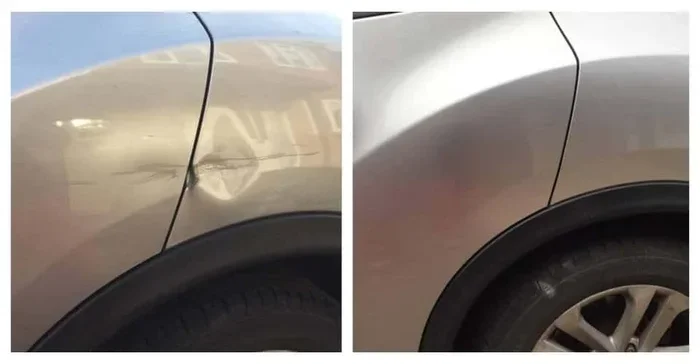
Does Car Insurance Cover Scratches and Dents on Your Car
Does car insurance cover scratches and dents? The answer depends on your insurance policy type and what caused the damage. Comprehensive coverage typically handles scratches from non-accident events like vandalism or weather, while collision coverage applies to dents from accidents. Understanding your deductible and policy limits helps you decide if filing a claim is worth it.
You pull into the grocery store parking lot and notice a long, ugly scratch running down your driver-side door. Or maybe a stray golf ball left a deep dent in your hood. These moments are frustrating, and your mind immediately jumps to one question: does car insurance cover scratches and dents?
The answer is not a simple yes or no. It depends on several factors, including your type of car insurance coverage, what caused the damage, and the cost of repairs. Some drivers walk away with a full payout, while others discover their policy does not cover the damage at all. This guide breaks down everything you need to know about insurance coverage for scratches and dents so you can make informed decisions.
Key Takeaways
- Comprehensive coverage usually pays for scratches caused by weather, theft, or vandalism
- Collision coverage handles dents from accidents, hitting objects, or rolling your car
- Deductibles apply before your insurer pays anything on a scratch or dent claim
- Minor damage may not be worth filing a claim because of potential premium increases
- Always review your policy coverage limits and exclusions before assuming you are covered
- Paintless dent repair and scratch touch-up are cost-effective options for small damage
📑 Table of Contents
- Understanding Car Insurance Coverage for Scratches and Dents
- What Causes Scratches and Dents That Insurance May Cover
- When Insurance Does Not Cover Scratches and Dents
- Should You File a Claim for a Scratch or Dent?
- How to File a Scratch or Dent Claim
- Tips to Prevent Scratches and Dents
- Expert Insights on Scratch and Dent Coverage
- Conclusion
Understanding Car Insurance Coverage for Scratches and Dents
Not all car insurance policies are the same. Your coverage depends on the types of policies you purchased and the details of your specific plan. Let us look at the two main types of coverage that relate to scratches and dents.
Comprehensive Coverage and Scratches
Comprehensive coverage is the type of insurance that typically handles scratches caused by things outside of a collision. This includes scratches from vandalism, falling tree branches, hail storms, or even a stray shopping cart in a parking lot. If someone keyed your car overnight, comprehensive coverage would usually pay for the repair.
However, comprehensive coverage does not cover every scratch. If you caused the scratch yourself by dragging your foot on the door or forgetting about a low hanging branch, your policy may not pay for it. The key question is always: what caused the damage? If the cause falls under a covered event, you are likely protected.
It is also worth noting that comprehensive insurance comes with a deductible. This is the amount you pay out of pocket before your insurance kicks in. For example, if your deductible is $500 and the scratch repair costs $400, you would pay the full amount yourself because it falls below your deductible. Understanding your deductible amount is essential before you assume your insurance will cover the full cost.
Collision Coverage and Dents
Collision coverage is designed to pay for dents and damage caused by accidents. This includes hitting another vehicle, slamming into a guardrail, or backing into a pole. If your car has a dent from a parking lot fender bender, collision coverage is what kicks in.
Like comprehensive coverage, collision coverage also has a deductible. You will pay that amount first, and your insurer covers the rest up to your policy limits. If the dent repair costs $1,200 and your deductible is $500, your insurance would pay $700.
One important thing to know is that collision coverage does not cover dents from non-accident events. If a hail storm dented your car, that falls under comprehensive coverage, not collision. Mixing up these two types of coverage is one of the most common mistakes car owners make.
What Causes Scratches and Dents That Insurance May Cover
Not all scratches and dents are created equal. Insurance companies categorize damage based on the cause, and only certain causes trigger coverage. Here is a look at the most common scenarios.
Weather-Related Damage
Storms can be brutal on your vehicle. Hail stones can leave hundreds of tiny dents across your hood and roof. High winds can blow debris into your car, causing deep scratches. Ice and snow can also damage your paint if you scrape it off aggressively. Comprehensive coverage typically covers weather-related damage, including these types of scratches and dents.
If you live in an area prone to severe weather, having comprehensive coverage is especially important. A single hail storm can cause thousands of dollars in damage, and without the right coverage, you would pay for all of it yourself.
Vandalism and Theft
Vandalism is another common cause of scratches and dents that insurance may cover. Keying, smashing windows, and deliberate denting all fall under comprehensive coverage. If your car was broken into and the thief caused scratches while searching for valuables, your policy should help with the repair costs.
However, you will need to file a police report and provide documentation. Insurance companies want proof that the damage was not self-inflicted. Keep any photos and reports organized for a smooth insurance claim process.
Accidents and Collisions
When your car gets dented in an accident, collision coverage steps in. This applies whether you hit another car, a stationary object like a concrete barrier, or rolled your vehicle. The damage from these events is what collision insurance is specifically designed to handle.
Keep in mind that if you are at fault in the accident, your insurance premium may increase after you file a claim. This is an important factor to weigh when deciding whether to file a claim for a relatively minor dent.
Falling Objects and Environmental Hazards
A heavy tree branch falling on your car during a storm, a shopping cart rolling into your vehicle in a parking lot, or even a bird dropping that damages your paint can all cause dents and scratches. Comprehensive coverage generally covers these types of damage because they are not related to driving accidents.
If you have ever seen a car wrapped in a protective cover and then realized the cover itself caused scratches, that is another scenario to consider. In some cases, damage from environmental factors like a wrapped car going through a car wash can result in scratches that may or may not be covered depending on your policy details.
When Insurance Does Not Cover Scratches and Dents
Understanding what is not covered is just as important as knowing what is covered. There are several situations where your insurer will likely deny a claim for scratches or dents.
Wear and Tear
Insurance does not cover normal wear and tear. If your car has minor surface scratches from everyday use, like door dings from people opening car doors next to you in a parking lot, your policy will not pay for repairs. These are considered maintenance issues, not covered events.
Think of it this way: insurance protects against sudden, unexpected damage. Gradual wear from daily driving is expected and falls under your responsibility as the owner.
Self-Inflicted Damage
If you caused the scratches or dents yourself, your insurance will not cover the repair. This includes scraping your car on a low garage door, dragging your keys across the paint, or hitting a curb while parking and denting your wheel well.
Some drivers wonder if they can get around this by claiming the damage happened in an accident. Insurance adjusters are trained to spot fraudulent claims, and lying on a claim can result in serious consequences, including policy cancellation.
Mechanical or Electrical Issues
Scratches and dents caused by mechanical failure or electrical problems are generally not covered. For example, if a door actuator fails and the door swings open while driving, causing a dent, that is a mechanical issue. Collision coverage might apply if the open door causes an accident, but the mechanical failure itself is not covered.
Driving Without the Right Coverage
If you only carry liability insurance, you have no coverage for damage to your own vehicle. Liability insurance pays for damage you cause to other people and their property. It does not pay for your own scratches or dents. This is why having comprehensive coverage and collision coverage is so important for full protection.
Some drivers wonder about specialty situations, like whether they can insure a salvage car and what that coverage includes. Salvage title vehicles often have limited or higher-cost insurance options, and scratch or dent coverage may be restricted depending on the insurer and the vehicle condition.
Should You File a Claim for a Scratch or Dent?
This is one of the most important questions car owners face. Filing a claim seems like the obvious choice, but it is not always the best financial decision.
Consider the Repair Cost
If the scratch or dent repair costs $300 and your deductible is $500, filing a claim makes no sense. You would pay more out of pocket going through insurance than you would by paying for the repair yourself. Always compare the repair cost to your deductible before filing.
Think About Premium Increases
Filing a claim can cause your insurance premium to rise at renewal time. Some insurers increase premiums by 10% to 40% after a claim, depending on the severity and your driving record. Over a few years, that increase can cost more than the repair itself.
Minor Scratches and DIY Options
For minor scratches, you may not need professional repair at all. Scratch touch-up pens, paint markers, and clear coat sprays can fix small surface scratches for under $20. Many car owners keep these in their glove box for quick fixes.
For dents, paintless dent repair is a popular and affordable option. This technique removes dents without repainting, which keeps your original factory paint intact. The cost is often much lower than traditional body shop repairs, making it a great option for small to medium dents.
When Filing a Claim Makes Sense
You should file a claim when the repair cost significantly exceeds your deductible and the damage was caused by a covered event. For example, if a storm causes $2,000 in dent damage and your deductible is $500, filing a claim is almost always the right move. The insurance company pays $1,500, and you save a substantial amount.
Also consider whether the damage affects your safety or the structural integrity of the vehicle. Even small dents can hide deeper damage that leads to rust or structural weakness over time. In these cases, filing a claim is not just about aesthetics but about protecting the long-term value of your car.
Some drivers with older vehicles or salvage titles wonder about their options. If you are considering your coverage for a vehicle with a less-than-perfect history, understanding what is available is key. For instance, you might ask yourself whether you can drive a car with a salvage title and still get full insurance protection, as this depends heavily on the insurer and the vehicle’s condition.
How to File a Scratch or Dent Claim
If you have decided that filing a claim is the right move, here is how the process typically works.
- Document the damage. Take clear photos of every scratch and dent from multiple angles. Include close-up shots and wider shots that show the damage in context.
- Get a repair estimate. Visit a trusted body shop or dealership for a written estimate of the repair cost. Some insurers have preferred shops, but you usually have the right to choose your own.
- Contact your insurance company. Call your insurer or use their app to start the claim process. Provide all documentation, including photos and the repair estimate.
- Meet with an adjuster. An insurance adjuster will review the damage and confirm the coverage under your policy. They may inspect the vehicle in person or approve the claim based on your photos and estimate.
- Get the repair done. Once the claim is approved, take your car to the repair shop. Pay your deductible, and your insurer covers the rest up to your policy limits.
- Keep all receipts. Save every receipt and communication related to the claim for your records.
The entire process can take anywhere from a few days to a few weeks, depending on the complexity of the damage and your insurer’s workflow. Being organized and responsive speeds things up considerably.
Tips to Prevent Scratches and Dents
The best way to deal with scratches and dents is to prevent them from happening in the first place. Here are some practical tips that every car owner should follow.
- Park in covered areas. Garages and carports protect your vehicle from hail, falling branches, and other weather-related damage.
- Avoid tight parking spots. Crowded parking lots are the number one cause of door dings and scratches. Park at the end of the row or in less crowded areas.
- Use a car cover. A quality car cover protects against scratches from debris, bird droppings, and UV damage. It also shields your paint from environmental hazards.
- Keep a safe distance while driving. Maintaining distance from other vehicles reduces the risk of rocks and debris kicked up by other cars hitting your vehicle.
- Wash your car regularly. Regular washing removes dirt and debris that can scratch your paint over time. Use the two-bucket method and microfiber cloths for the safest clean.
- Apply paint protection film. PPF is a clear, durable film that covers vulnerable areas like the hood, fenders, and bumper. It absorbs impact and prevents scratches from road debris.
Taking these preventive steps can save you hundreds of dollars in repair costs over the life of your vehicle. Prevention is always cheaper than repair, and it keeps your car looking great for years.
Expert Insights on Scratch and Dent Coverage
Insurance professionals agree that understanding your coverage is the first step to getting the most out of your policy. Here are some expert insights to keep in mind.
Review your policy annually. Insurance needs change over time. A policy that worked for you three years ago may not be the best fit now. Make it a habit to review your coverage every renewal period.
Ask about OEM versus aftermarket parts. When your car is repaired after a claim, your insurer may use aftermarket parts instead of original manufacturer parts. OEM parts are higher quality but also more expensive. Ask your insurer which parts they use and whether you can request OEM parts for an additional cost.
Know your state’s requirements. Each state has different minimum insurance requirements. Some states require comprehensive and collision coverage for financed vehicles, while others do not. Understanding your state’s rules helps you make sure you have the right protection in place.
Keep a maintenance log. Insurance companies sometimes question claims if your vehicle has not been properly maintained. A simple log of regular services and repairs can support your claim if questions arise.
Conclusion
Does car insurance cover scratches and dents? Yes, but only under the right conditions. Comprehensive coverage handles non-accident damage like vandalism, weather, and falling objects. Collision coverage covers dents from accidents and collisions. Both types come with deductibles and policy limits that affect how much you actually receive.
The key to getting the most from your insurance is understanding your policy before damage occurs. Review your coverage, know your deductible, and understand what is and is not included. When a scratch or dent does happen, weigh the repair cost against your deductible and potential premium increases before deciding to file a claim.
Taking preventive steps like parking in covered areas, using car covers, and applying paint protection film can reduce your risk of damage. And when repairs are needed, getting multiple estimates and understanding the claims process puts you in the best position for a smooth resolution. Your car is a significant investment, and knowing how your insurance policy protects it gives you peace of mind every time you park it.
Frequently Asked Questions
Does full coverage car insurance cover scratches and dents?
Full coverage typically includes both comprehensive and collision coverage. This means scratches from non-accident events like vandalism or weather are covered under comprehensive, while dents from accidents are covered under collision. However, both have deductibles and policy limits that apply.
Will filing a claim for a scratch increase my insurance premium?
It depends on the severity of the damage and your claims history. Minor scratch claims may not always cause a premium increase, especially if you have a clean driving record. However, multiple claims or at-fault accidents can lead to higher premiums at renewal time.
How much does it cost to repair a car scratch or dent?
Scratch repair costs range from $50 for a simple touch-up to $500 or more for deep scratches that need repainting. Dent removal costs vary widely, from $50 for paintless dent repair to $500 or more for dents requiring body work and repainting. The location and severity of the damage are the biggest cost factors.
What is the difference between OEM and aftermarket parts in a claim?
OEM parts are made by the original manufacturer and match your vehicle exactly. Aftermarket parts are made by third-party manufacturers and may vary in quality. Most insurers default to aftermarket parts unless you request OEM parts and agree to pay the difference.
How long does a scratch and dent insurance claim take to process?
Most claims are processed within one to three weeks. Simple scratch repairs may be approved faster, while complex dent damage requiring multiple estimates and inspections can take longer. Staying organized with photos and documentation speeds up the process significantly.
Can I choose my own repair shop for a scratch or dent claim?
Yes, in most cases you have the right to choose your repair shop. Some insurers have preferred shops that offer direct billing, but you are not required to use them. Get multiple estimates and choose a shop you trust for the best results.