How Much Does It Cost to Fix the VSA System on an Acura
The cost to fix the VSA system on an Acura typically ranges from $200 to $1,500, depending on the root cause and your Acura model. A simple sensor replacement may cost under $300, while a full VSA module replacement can exceed $1,200. Understanding what triggers the VSA warning light helps you avoid unnecessary repairs and make smarter decisions about your Acura’s stability control system.
If you own an Acura and the VSA light just popped on your dashboard, you are probably wondering what it means and how much it will cost to fix. The VSA system, short for Vehicle Stability Assist, is a critical safety feature in every Acura model. When it malfunctions, your car loses some of its most important safety protections. So, how much does it cost to fix the VSA system on an Acura? The honest answer is that it depends on what is causing the problem. In this guide, we break down every cost scenario, explain what triggers VSA warnings, and give you practical advice so you are not overpaying for repairs.
Many Acura owners feel anxious when a warning light appears. The good news is that most VSA issues are fixable and do not require a massive budget. Whether you drive an Acura MDX, Acura TLX, or an older Acura RL, the repair process is similar. We will walk you through the VSA system repair cost breakdown, the most common failure points, and how to decide between a dealership and an independent shop. By the end of this article, you will have a clear picture of what to expect and how to handle the situation with confidence.
Key Takeaways
- VSA repair costs vary widely: From around $200 for a sensor fix to over $1,500 for a full module replacement.
- Common causes include faulty wheel speed sensors: These are the most frequent and least expensive issue.
- Driving with a faulty VSA system is risky: It disables your stability and traction control, especially on wet roads.
- Regular maintenance helps prevent VSA problems: Simple checks can save you hundreds in repair bills.
- Dealership vs. independent shop costs differ: Independent shops often charge less for the same repair.
- Resetting the VSA light does not fix the problem: You must address the underlying cause first.
📑 Table of Contents
- What Is the VSA System on an Acura?
- Common Signs Your VSA System Needs Repair
- VSA System Repair Costs Breakdown
- What Causes VSA System Failure?
- Can You Drive With a Faulty VSA System?
- How to Prevent VSA System Problems
- Dealership vs. Independent Shop: Where Should You Get It Fixed?
- Final Thoughts on VSA Repair Costs
What Is the VSA System on an Acura?
The Vehicle Stability Assist system is an advanced safety feature designed to help you maintain control during slippery or emergency driving conditions. It works by monitoring your steering input, wheel speed, and yaw rate. When the system detects that your car is sliding or losing traction, it automatically adjusts engine power and applies individual brakes to help you stay on course.
Think of the VSA system as an invisible co-pilot. It constantly watches how your car behaves and steps in when things go wrong. The system relies on several components working together, including the ABS sensors, steering angle sensor, yaw rate sensor, and the main VSA control module. When any one of these parts fails, the entire system can shut down and trigger that annoying warning light on your dash.
On most Acura models, the VSA warning light looks like a car with squiggly lines behind it. If you see this light stay on, it means the system has detected a fault and has disabled some or all of its functions. This is not something you should ignore, even if your car still drives fine. The stability control system plays a major role in keeping you safe, especially during rain, snow, or sudden evasive maneuvers.
Common Signs Your VSA System Needs Repair
Spotting a VSA problem early can save you from a more expensive repair later. Here are the most common signs that something is wrong with your Acura’s stability assist system:
- The VSA warning light stays on: This is the most obvious sign. If the light does not turn off after a few ignition cycles, the system has detected a fault.
- The traction control light comes on: Since VSA and traction control share components, a problem in one often affects the other.
- You feel a loss of stability during turns: If your car feels loose or unresponsive in curves, the VSA system may not be functioning properly.
- Unusual ABS behavior: The ABS light may also illuminate if the VSA system has issues, since they share sensors and modules.
- Error messages on the dashboard: Some Acura models display specific messages like “Check VSA System” or “Stability Control Malfunction.”
If you notice any of these signs, it is important to get your vehicle diagnosed as soon as possible. Ignoring the problem will not make it go away. In fact, it could make driving unsafe, especially in poor weather conditions. VSA light on dashboard issues should always be taken seriously, even if your car seems to drive normally on dry roads.
VSA System Repair Costs Breakdown
This is the section most Acura owners want to read first. The cost to fix your VSA system depends entirely on what is broken. Below is a detailed breakdown of the most common repairs and their associated costs.
Wheel Speed Sensor Replacement
The most common cause of VSA problems is a faulty wheel speed sensor. Each wheel has a sensor that monitors its rotation speed. When one of these sensors fails, the VSA system cannot accurately determine if a wheel is slipping. Replacing a single wheel speed sensor typically costs between $150 and $300, including parts and labor. This is the least expensive and most common VSA repair.
Steering Angle Sensor Calibration or Replacement
The steering angle sensor tells the VSA system what direction you are turning the wheel. If this sensor malfunctions or needs recalibration, you may face a cost of $200 to $600. Calibration alone is usually on the lower end, while a full replacement can push the price higher. Many Acura owners find that a simple recalibration fixes the issue without needing a new part.
VSA Control Module Replacement
The VSA control module is the brain of the system. It processes data from all the sensors and decides when to intervene. When this module fails, the repair cost is significantly higher. Replacing the VSA module can cost anywhere from $800 to $1,500 or more, depending on your Acura model and whether you choose a new or refurbished unit. This is the most expensive VSA repair and thankfully the least common.
Yaw Rate Sensor Replacement
The yaw rate sensor measures how fast your car is rotating around its vertical axis. When this sensor goes bad, the VSA system cannot detect a skid. Replacing the yaw rate sensor typically costs between $300 and $700, including diagnostic time and labor. This repair is less common than wheel speed sensor issues but still happens regularly.
Brake Actuator and Hydraulic Unit Repair
The VSA system uses the brake actuator to apply individual brakes when needed. If the hydraulic unit develops a leak or internal failure, repair costs can range from $400 to $1,200. This is a more complex repair that requires specialized tools and expertise. In some cases, the entire hydraulic unit must be replaced rather than repaired.
| Repair Type | Typical Cost Range | Difficulty Level |
|---|---|---|
| Wheel Speed Sensor | $150 – $300 | Easy |
| Steering Angle Sensor | $200 – $600 | Moderate |
| Yaw Rate Sensor | $300 – $700 | Moderate |
| Brake Actuator / Hydraulic Unit | $400 – $1,200 | Difficult |
| VSA Control Module | $800 – $1,500+ | Difficult |
These Acura repair cost estimates are based on national averages and can vary depending on your location, the specific Acura model, and whether you visit a dealership or an independent shop. Always ask for a detailed estimate before authorizing any repair work.
What Causes VSA System Failure?
Understanding what causes VSA problems can help you prevent them in the future. Here are the most common reasons the VSA system on an Acura fails:
- Dirty or damaged wheel speed sensors: Road grime, brake dust, and debris can accumulate on the sensors, causing intermittent or permanent failures. This is the number one cause of VSA warnings.
- Wiring and connector issues: Corroded or damaged wiring harnesses can interrupt the signal between sensors and the control module. This is especially common in older Acura models exposed to salt and moisture.
- Low battery voltage: The VSA system relies on a stable electrical system. A weak or dying battery can cause erratic VSA behavior and false warning lights.
- Faulty ABS module: Since the VSA and ABS systems share components, an ABS failure often triggers the VSA light as well.
- Software glitches: Sometimes the issue is not hardware at all. A simple software update at the dealership can resolve VSA errors caused by outdated programming.
- Physical damage from accidents: Even a minor collision can damage the sensors or wiring connected to the VSA system, causing the light to come on afterward.
Regular Acura maintenance plays a big role in preventing VSA issues. Keeping your sensors clean, checking your battery health, and addressing warning lights promptly can all extend the life of your VSA system. If you live in an area with harsh winters or road salt, pay extra attention to the undercarriage and sensor areas of your vehicle.
Can You Drive With a Faulty VSA System?
This is one of the most common questions Acura owners ask after the VSA light comes on. The short answer is yes, you can usually still drive your car. However, the longer answer is more nuanced and important for your safety.
When the VSA system is disabled, your car loses its stability and traction control assistance. This means that on wet roads, icy surfaces, or during sudden evasive maneuvers, your vehicle is more likely to skid or lose control. The traction control system works hand in hand with VSA, so when one fails, both safety nets are compromised.
Many people wonder whether it is safe to drive to the nearest repair shop when the VSA light is on. In most cases, a short drive to get your car serviced is fine, especially on dry roads at moderate speeds. However, you should avoid highway driving, aggressive acceleration, and sharp turns until the issue is resolved. If you notice any instability or handling problems, pull over safely and call for assistance.
Some owners ask, can I drive my car with the trac off light on, since the traction control and VSA systems are closely linked. The answer is similar: you can drive, but you should exercise extra caution. The trac off light indicates that the traction control system is disabled, which reduces your vehicle’s ability to maintain grip on slippery surfaces. Getting the issue diagnosed and repaired promptly is always the best approach.
If you are dealing with a VSA or traction control issue, getting a proper diagnosis is essential. Many local shops and quick-lube services can perform basic diagnostics. However, for Acura-specific VSA diagnostic work, a shop experienced with Honda/Acura vehicles will have the right tools and software to pinpoint the exact problem quickly and accurately.
How to Prevent VSA System Problems
Prevention is always cheaper than repair, and the same applies to your Acura’s VSA system. Here are some practical steps you can take to keep your stability assist system working properly:
- Keep your sensors clean: During routine car washes, pay attention to the wheel area where the speed sensors are located. Removing brake dust and road grime helps prevent sensor failures.
- Check your battery regularly: A healthy battery ensures stable voltage to the VSA system. Have your battery tested at least once a year, especially before winter.
- Address warning lights immediately: Do not wait for the VSA light to go away on its own. Early diagnosis often means a cheaper and simpler fix.
- Follow the maintenance schedule: Sticking to Acura’s recommended service intervals helps catch potential problems before they become expensive repairs.
- Use quality parts: When replacing sensors or modules, choose OEM or high-quality aftermarket parts. Cheap sensors may fail again within months, costing you more in the long run.
- Avoid deep water crossings: Submerging your wheels in deep water can damage wheel speed sensors and wiring. If you frequently drive through flooded areas, inspect your sensors more often.
These simple habits can significantly reduce your chances of facing a costly VSA repair. Think of them as small investments that protect both your safety and your wallet. A few minutes of attention during your regular car care routine can save you hundreds of dollars in unexpected repair bills down the road.
Dealership vs. Independent Shop: Where Should You Get It Fixed?
One of the biggest decisions Acura owners face is whether to go to a dealership or an independent repair shop for VSA system repairs. Both options have pros and cons, and the right choice depends on your situation.
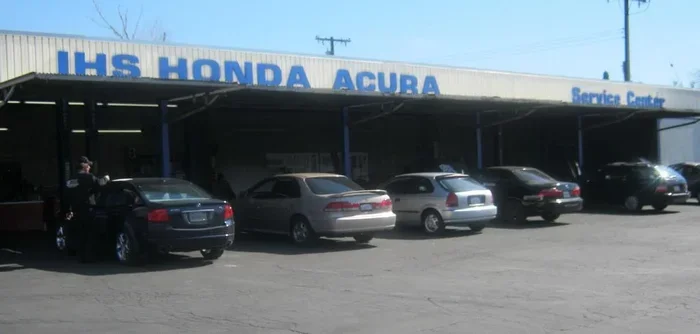
Acura dealerships have factory-trained technicians and access to the latest diagnostic tools and software updates. They also have access to OEM parts specifically designed for your vehicle. The downside is that dealership labor rates are typically higher, often ranging from $100 to $200 per hour. A simple sensor replacement that costs $150 at an independent shop might cost $300 or more at a dealership.
Independent shops, on the other hand, often offer lower labor rates and competitive pricing on parts. A reputable independent shop that specializes in Honda and Acura vehicles can perform most VSA repairs at a fraction of the dealership cost. The key is finding a shop with experience and the right diagnostic equipment. Not all independent shops are equally equipped to handle advanced stability control systems.
For minor repairs like sensor replacements, an independent shop is usually the better choice for cost savings. For complex issues involving the VSA control module or software updates, a dealership may be worth the extra expense. Regardless of where you go, make sure the technician uses a proper OBD2 scanner capable of reading Acura-specific codes. This ensures an accurate diagnosis and prevents unnecessary part replacements.
Final Thoughts on VSA Repair Costs
The cost to fix the VSA system on an Acura can range from a simple $150 sensor replacement to a $1,500 module swap. Most repairs fall somewhere in the middle, typically between $200 and $600 for common issues like sensor failures or calibration needs. The key takeaway is that early diagnosis and prompt repair save you money and keep you safe on the road.
Do not let the VSA warning light intimidate you. In most cases, the fix is straightforward and affordable. By understanding what the system does, recognizing the warning signs, and knowing what to expect cost-wise, you are empowered to make informed decisions about your Acura’s maintenance. Whether you choose a dealership or an independent shop, the most important step is to address the problem as soon as it appears. Your VSA system is one of the most important safety features in your vehicle, and keeping it in good working order is always worth the investment.
Take care of your Acura, and it will take care of you. Regular attention to warning lights, scheduled maintenance, and quality repairs go a long way toward keeping your vehicle safe and reliable for years to come. The next time that VSA light flickers on, you will know exactly what to do and what to expect.
Frequently Asked Questions
How do I reset the VSA light on my Acura?
You can try turning off the engine, waiting 30 seconds, and restarting the car. If the underlying problem is not fixed, the light will come back on. Simply resetting the light without repairing the issue is not a real solution and can leave you without stability control when you need it most.
Is it safe to drive with the VSA light on?
You can drive short distances on dry roads, but the VSA system will not be available to assist you during emergencies or slippery conditions. It is best to get the problem diagnosed and repaired as soon as possible to restore your vehicle’s full safety features.
What is the most common reason for the VSA light to come on?
A faulty wheel speed sensor is the most common cause. These sensors are exposed to road grime and brake dust, which can cause them to fail over time. Replacing a wheel speed sensor is also the least expensive VSA repair, typically costing between $150 and $300.
Can a dead battery cause the VSA light to come on?
Yes, a weak or dying battery can cause voltage fluctuations that trigger the VSA warning light. Before replacing expensive sensors or modules, have your battery tested to rule out a simple electrical issue. This can save you a significant amount of money on unnecessary parts.
How long does a VSA system repair usually take?
Simple repairs like sensor replacements typically take one to two hours. More complex repairs involving the VSA module or hydraulic unit can take several hours. The diagnostic process itself usually takes about 30 to 60 minutes at most shops.
Will the VSA light come on again after repair?
If the repair is done correctly and the root cause is addressed, the VSA light should not return. However, if a new issue develops or if the original problem was not fully resolved, the light may come back on. Always have the technician clear the diagnostic codes and verify the repair before leaving the shop.
=== CONCLUSION ===
Understanding the cost to fix the VSA system on an Acura empowers you to make smart repair decisions. From affordable sensor replacements to more expensive module repairs, knowing what to expect helps you budget wisely and avoid unnecessary expenses. The VSA system is a vital safety feature, and keeping it in top shape protects you and your passengers on every drive. Take action at the first sign of a VSA warning, choose a trusted repair shop, and your Acura will continue to deliver the reliability and safety you expect.