How Much Does a Power Steering Pump Cost to Replace
The average power steering pump replacement cost ranges from $250 to $1,100, depending on your vehicle type, labor rates, and whether you choose a new or remanufactured pump. Most drivers pay between $350 and $650 for a standard sedan, while luxury or imported vehicles can climb well above $800. Understanding the factors behind the price helps you make an informed decision and avoid overpaying.
If you have ever turned your steering wheel and heard a groaning noise or felt sudden stiffness, your power steering pump might be crying for help. The power steering pump replacement cost is something every car owner should understand before a repair shop quotes a number that makes your jaw drop. Whether you drive a daily commuter sedan or a heavy-duty truck, knowing what goes into the price helps you make smart decisions and avoid getting taken for a ride.
Power steering systems have been a standard feature in vehicles for decades, and they make driving significantly easier and safer. When the pump that powers this system starts to fail, it affects everything from your comfort to your safety on the road. The good news is that replacing a power steering pump is a common repair that most shops handle regularly. In this guide, we walk you through every aspect of the cost, what drives the numbers up or down, and how you can save money without sacrificing quality.
Key Takeaways
- Average Cost Range: Most power steering pump replacements fall between $250 and $1,100 total, with labor making up a significant portion of the bill.
- Vehicle Type Matters: Sedans cost less to repair than SUVs, trucks, luxury cars, or European performance vehicles due to parts availability and labor time.
- DIY Saves Money: Experienced DIYers can save hundreds by handling the replacement themselves, though it requires mechanical skill and the right tools.
- Watch for Warning Signs: Groaning noises, stiff steering, and fluid leaks are early indicators that your power steering pump may be failing.
- Don’t Ignore It: Driving with a failing pump can lead to complete steering loss, which is dangerous and could require more expensive repairs.
- OEM vs Aftermarket: OEM parts cost more but offer reliability, while aftermarket options can save you 30 to 50 percent without sacrificing quality.
- Related Maintenance: Replacing your serpentine belt at the same time can prevent future breakdowns and add minimal extra cost.
📑 Table of Contents
- What Does a Power Steering Pump Do?
- Signs Your Power Steering Pump Is Failing
- Average Power Steering Pump Replacement Cost
- Factors That Affect the Replacement Cost
- DIY vs Professional Replacement
- How to Save Money on Power Steering Pump Replacement
- Common Mistakes to Avoid
- Expert Insights
- How Long Does a Power Steering Pump Last?
- Conclusion
What Does a Power Steering Pump Do?
Before diving into costs, it helps to understand what you are dealing with. The power steering pump is the heart of your vehicle’s hydraulic steering system. It pressurizes power steering fluid and sends it through hoses to the steering rack or steering gear. This pressurized fluid creates the force that helps you turn your wheels with minimal effort.
Without a working pump, turning the steering wheel requires significantly more physical strength. At highway speeds or during tight parking maneuvers, this becomes more than just inconvenient, it becomes a safety issue. The pump is driven by the engine through a serpentine belt, which means it operates every single time your engine runs.
There are two main types of power steering systems found in modern vehicles. Hydraulic power steering uses a pump and fluid to create assist, and this is the type that most commonly requires pump replacement. Electric power steering uses an electric motor instead, and while it eliminates the need for a hydraulic pump, it has its own set of potential issues. This guide focuses primarily on hydraulic systems since those are the ones with pumps that wear out over time.
Signs Your Power Steering Pump Is Failing
Catching a failing pump early can save you from a more expensive repair down the road. Here are the most common steering pump symptoms to watch for:
- Whining or Groaning Noise: A whining sound when you turn the steering wheel is one of the earliest signs. It often gets louder at full lock or when turning at low speeds.
- Stiff Steering Wheel: If the wheel becomes harder to turn, especially at low speeds or when parking, the pump may not be generating enough pressure.
- Power Steering Fluid Leak: Puddles of reddish or brownish fluid under your car near the front can indicate a leaking pump or hose connection.
- Fluid Discoloration: Fresh power steering fluid is clear or light amber. Dark brown or black fluid suggests contamination and possible pump damage.
- Slipping Belt: A worn serpentine belt can mimic pump failure symptoms, so a mechanic should check both when you notice steering issues.
- Delayed Steering Response: A noticeable lag between turning the wheel and the wheels responding is a red flag for pump pressure loss.
If you notice any of these symptoms, it is important to get your vehicle inspected promptly. Ignoring a failing power steering pump can lead to complete steering failure, which is not something you want to deal with at 65 miles per hour on the highway. If you are worried about driving with a compromised steering system, check out this guide on Can You Drive A Car Without Steering Assist to understand the risks better.
Average Power Steering Pump Replacement Cost
The steering pump replacement cost varies widely based on several factors, but here is a general breakdown of what you can expect to pay:
| Vehicle Type | Parts Cost | Labor Cost | Total Cost |
|---|---|---|---|
| Sedan / Compact | $100 – $200 | $150 – $300 | $250 – $500 |
| Mid-Size SUV / Truck | $150 – $300 | $200 – $400 | $350 – $700 |
| Luxury / Import | $200 – $400 | $250 – $500 | $450 – $900 |
| European Performance | $250 – $500 | $300 – $600 | $550 – $1,100 |
As you can see, the automotive repair cost for a power steering pump replacement spans a wide range. A basic sedan might cost you as little as $250, while a European performance vehicle could push past $1,000. The labor cost is often the biggest variable because pump accessibility differs from one vehicle to the next.
On average, most drivers pay around $400 to $600 for a standard hydraulic power steering pump replacement. This includes both the parts and the labor. If your vehicle uses electric power steering, the repair is different and typically involves replacing the entire steering column assembly, which can be even more expensive.
New vs Remanufactured vs Used Parts
The type of replacement pump you choose also affects the overall power steering pump cost. Here is a quick comparison:
- New OEM Parts: These come directly from the vehicle manufacturer. They offer the best fit and reliability but cost the most. Expect to pay full retail price.
- Aftermarket New Parts: These are made by third-party manufacturers and can save you 30 to 50 percent compared to OEM. Quality varies by brand, so stick with reputable suppliers.
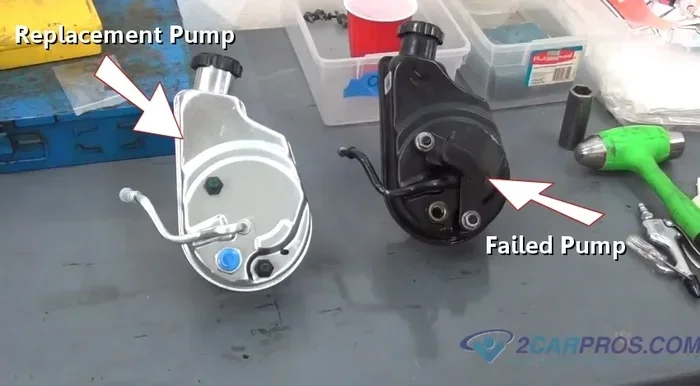
- Remanufactured Pumps: These are rebuilt units that have been tested and certified. They offer a good balance of cost savings and reliability, often costing 40 to 60 percent less than new OEM.
- Used Parts: Salvage yard pumps are the cheapest option but carry the most risk since you do not know their remaining lifespan.
Factors That Affect the Replacement Cost
Several factors influence how much you will pay for a power steering pump replacement. Understanding these can help you anticipate costs and avoid surprises.
Vehicle Make and Model
The make and model of your vehicle is perhaps the single biggest cost driver. Common vehicles like Honda Civics, Toyota Camrys, and Ford F-150s have widely available parts and mechanics who are familiar with their systems. This drives labor time and parts costs down. Exotic or luxury vehicles, on the other hand, often require specialized tools and parts that are harder to source, which pushes the vehicle repair estimate higher.
Labor Rates in Your Area
Labor rates vary significantly by region. A shop in a major metropolitan area might charge $150 to $200 per hour, while a rural shop might charge $80 to $120 per hour. The pump replacement itself typically takes between one and three hours, so labor alone can range from $80 to $600 depending on where you live.
Accessibility of the Pump
Some vehicles have power steering pumps that are easy to reach and swap out in under an hour. Others bury the pump deep in the engine bay, requiring the removal of multiple components to access it. The more time a mechanic needs to spend, the higher your bill will be. This is one reason why getting quotes from more than one shop is always a smart move.
Additional Repairs Needed
Sometimes a failing pump damages other components in the system. If the pump has been leaking fluid for a while, the steering rack or hoses may also need attention. Replacing a steering rack on top of a pump replacement can add $300 to $800 to the total bill. Always ask the mechanic to inspect the entire system when they are working on the pump.
Fluid and Flush Costs
A pump replacement often requires flushing the old fluid and refilling with fresh power steering fluid. This adds a relatively small cost, usually $20 to $50, but it is an important part of the repair that should not be skipped. Dirty fluid can damage a new pump prematurely.
DIY vs Professional Replacement
One of the biggest decisions you will face is whether to tackle the power steering pump replacement yourself or pay a professional. Here is an honest look at both options.
Doing It Yourself
If you have solid mechanical skills and the right tools, DIY replacement can save you $200 to $400 in labor costs. The parts cost remains the same regardless of who does the work. You will need a basic socket set, a fluid catch pan, new fluid, and possibly a pulley removal tool depending on your vehicle.
The process generally involves draining the fluid, removing the serpentine belt, unbolting the pump, disconnecting the hoses, and installing the new unit. It is not the most complex automotive repair, but it does require patience and attention to detail. Bleeding the system properly after installation is critical to avoid air pockets that can damage the new pump.
If you are comfortable working on your car and want to save money, DIY replacement is a viable option. Just make sure you have a clear repair manual for your specific vehicle and take your time. Rushing the job can lead to leaks or improper installation that will cost you more in the long run.
Hiring a Professional
For most drivers, having a professional handle the replacement is the safer and more convenient choice. A qualified mechanic will have the experience to diagnose related issues, the right tools for the job, and the ability to properly bleed the system. Many shops also offer warranties on their work, which gives you peace of mind.
When getting quotes, ask if the price includes fluid, disposal of old fluid, and any related inspections. Some shops quote a low parts price but add on charges for labor, fluids, and disposal separately. Getting a transparent, all-inclusive quote helps you compare apples to apples.
While you are thinking about car maintenance costs, it is worth noting that replacing a worn serpentine belt at the same time as your pump can prevent future issues. Check out our guide on Does Your Car Run Better With A New Serpentine Belt to learn more about this simple but impactful maintenance step.
How to Save Money on Power Steering Pump Replacement
Repair costs can add up quickly, but there are several strategies you can use to keep the power steering pump cost more manageable.
Get Multiple Quotes
Do not just accept the first quote you receive. Visit two or three shops and ask for a detailed breakdown of parts and labor costs. Independent mechanics and local garages often charge less than dealerships, but make sure they have experience with your specific vehicle.
Choose Aftermarket Parts
Aftermarket pumps from reputable brands can save you a significant amount of money. Brands like ACDelco, Gates, and AC Delco offer reliable alternatives to OEM parts at a fraction of the price. Just make sure the aftermarket part matches your vehicle’s specifications.
Address the Problem Early
The longer you wait after noticing symptoms, the more damage a failing pump can cause. A pump that is replaced early might only need the pump itself. A pump that has been ignored for months might have damaged the steering rack, hoses, or fluid lines, turning a $400 repair into a $1,000+ job. Early intervention is always cheaper.
Ask About Warranty Coverage
Some repairs may be covered under your vehicle’s warranty, especially if the car is still under the factory bumper-to-bumper coverage or an extended warranty. Check your warranty documents before committing to a repair. Even if the pump itself is not covered, related labor or diagnostics might be.
Maintain Your System Regularly
Prevention is the best way to avoid expensive repairs. Regularly checking your power steering fluid level and condition, addressing small leaks immediately, and keeping the belt in good shape can extend the life of your pump significantly. Most manufacturers recommend checking the fluid level at every oil change.
Consider a Remanufactured Pump
A quality remanufactured pump can perform just as well as a new OEM unit at a lower price point. Many remanufactured pumps come with their own warranty, giving you confidence in the purchase. This is often the best value for budget-conscious car owners who still want a reliable repair.
Common Mistakes to Avoid
When dealing with a power steering pump issue, there are a few common mistakes that can cost you time and money:
- Ignoring Low Fluid Levels: Running the pump with low fluid causes overheating and premature failure. Always check fluid levels when you notice steering changes.
- Using the Wrong Fluid: Not all power steering fluids are the same. Using the wrong type can damage seals and internal components, leading to more repairs.
- Skipping the Belt Inspection: A worn serpentine belt puts extra strain on the pump. Replacing the belt alongside the pump is often a smart move.
- Choosing the Cheapest Option: The lowest quote is not always the best deal. A shop that cuts corners on labor or uses low-quality parts may cost you more when the repair fails prematurely.
- Driving on a Failing Pump: Continuing to drive with a failing pump risks complete failure, which can leave you stranded and potentially cause accidents.
Expert Insights
Timing is everything when it comes to power steering pump replacement. Experienced mechanics often say that the difference between a $400 repair and a $1,200 repair comes down to timing. A pump that is caught early and replaced promptly is a straightforward job. One that has been neglected can pull other components into the repair.
Another expert tip: always ask the shop to show you the old part. This confirms that the replacement was actually performed and gives you a chance to see the condition of the failed pump. If you see metal shavings or scoring inside the old pump, it may indicate that the pump failure caused damage to the steering rack or lines, which should be inspected before the new pump is installed.
If you are dealing with a car that has lost all power or is experiencing serious steering issues, it is important to understand what might be happening. Check out our article on Car Has No Power At All to learn about other potential causes and what to do when your vehicle loses power unexpectedly.
How Long Does a Power Steering Pump Last?
With proper maintenance, a power steering pump can last between 100,000 and 150,000 miles. However, this varies based on driving conditions, vehicle type, and how well you maintain the system. Stop-and-go city driving puts more stress on the pump than steady highway cruising. Vehicles that tow heavy loads or operate in extreme temperatures also tend to wear out pumps faster.
Regular fluid changes are the single best way to extend pump life. Fresh fluid keeps the internal components lubricated and prevents contamination that causes wear. If you own a high-mileage vehicle, consider having the fluid flushed every 50,000 miles as a preventive measure.
Conclusion
The power steering pump cost to replace typically falls between $250 and $1,100, with most drivers paying in the $350 to $600 range. The final number depends on your vehicle type, the parts you choose, your local labor rates, and whether any related components need attention. By understanding these factors, getting multiple quotes, and addressing the problem early, you can keep the repair cost manageable and get back on the road safely.
Do not ignore the warning signs of a failing pump. A whining noise, stiff steering, or fluid leak is your vehicle telling you something needs attention. Taking action quickly not only saves you money but also keeps you and others safe on the road. Whether you choose a DIY approach or professional service, being informed is your best tool for navigating the repair process with confidence.
Frequently Asked Questions
How much does it cost to replace a power steering pump at a dealership?
Dealerships typically charge more for a power steering pump replacement, often between $500 and $1,100 depending on the vehicle. The higher cost reflects OEM parts and dealership labor rates, which average $150 to $200 per hour. However, dealerships also offer manufacturer warranties on their work, which can provide added peace of mind.
Can I drive my car with a bad power steering pump?
You can technically drive with a failing pump, but it becomes increasingly difficult and dangerous as the pump deteriorates. Steering becomes heavier, especially at low speeds, and complete failure can leave you unable to steer at all. For safety reasons, it is best to address the issue promptly rather than risk driving with compromised steering control.
How long does a power steering pump replacement take?
A professional mechanic typically completes the replacement in one to three hours. The exact time depends on the vehicle model, pump accessibility, and whether any related components need to be removed or inspected. Simple, accessible pumps on common vehicles tend to be on the shorter end of that range.
What causes a power steering pump to fail?
The most common causes of pump failure are low fluid levels, contaminated fluid, worn serpentine belts, and normal wear over time. Fluid leaks, whether from the pump seals or hose connections, starve the pump of lubrication and cause it to overheat. Regular fluid checks and timely belt replacements can significantly reduce the risk of premature failure.
Is it cheaper to replace a power steering pump yourself?
Yes, DIY replacement saves you the labor cost, which is often $150 to $400 depending on your location and vehicle. However, the job requires mechanical skill, the right tools, and proper bleeding of the system. If you are not confident in your abilities, paying for professional installation is the safer choice to avoid costly mistakes.
Can a power steering pump be repaired instead of replaced?
In some cases, a pump can be rebuilt or repaired by a specialty shop, which is usually cheaper than buying a new unit. However, rebuilt pumps do not always last as long as new replacements, and the cost savings may not justify the risk if the pump has suffered significant internal damage. Most mechanics recommend full replacement for reliability.