Best Car Refrigerator With Compressor For Road Trips
A car refrigerator with compressor is the ultimate cooling solution for road trips and camping adventures. Unlike basic thermoelectric coolers, compressor fridges can freeze items solid and maintain precise temperatures even in extreme heat. This guide covers the best models, key features, and practical tips to help you choose the perfect portable fridge for your next journey.
A car refrigerator with compressor is the single best upgrade you can make for your road trips and camping adventures. These portable cooling units use the same compressor technology found in your home fridge, which means they can actually freeze items solid and keep them cold for days. Whether you are planning a weekend camping trip or a cross-country road adventure, a compressor fridge changes the entire experience of traveling.
Gone are the days when your only option was a basic cooler stuffed with melting ice. Today’s car refrigerator with compressor models are quiet, efficient, and incredibly reliable. They keep your food safe, your drinks ice cold, and your perishables fresh no matter how hot it gets outside. In this guide, we will walk you through everything you need to know to pick the perfect unit for your next journey.
We will cover how compressor cooling works, what features matter most, and which models deliver the best value for different budgets. By the end, you will have a clear picture of what to look for and which car refrigerator with compressor deserves a spot in your vehicle. Let us dive in and make your next trip cooler, fresher, and way more enjoyable.
Key Takeaways
- Compressor fridges outperform thermoelectric coolers in cooling power and temperature range.
- Look for 12V and 24V compatibility so your fridge works in cars, trucks, and RVs.
- Battery protection features prevent your car from dying while you camp off grid.
- Capacity matters — choose between 20L and 80L based on your trip length and group size.
- Durable build and portability are essential for life on the road.
- Price ranges from $150 to $600 — you get what you pay for with compressor technology.
- Freezing capability sets compressor fridges apart from other portable cooling options.
📑 Table of Contents
- What Is a Car Refrigerator With Compressor?
- Why You Need a Compressor Fridge for Road Trips
- Key Features to Look For
- Top Car Refrigerators With Compressor Reviewed
- How to Choose the Right Compressor Fridge for You
- Tips for Using Your Car Compressor Fridge
- Common Mistakes to Avoid
- Expert Insights on Car Compressor Fridges
- Final Thoughts
What Is a Car Refrigerator With Compressor?
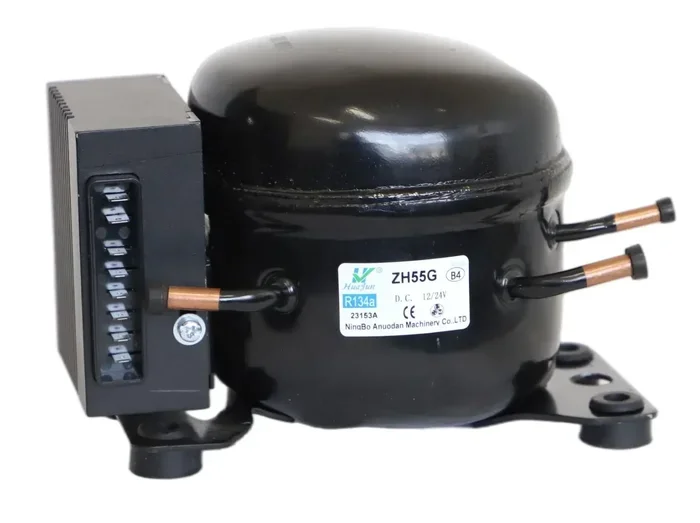
A car refrigerator with compressor is a portable cooling unit that uses a compressor system to actively remove heat from the interior. This is the same technology used in household refrigerators and freezers. The compressor circulates a refrigerant gas through coils, compressing it to release heat and then expanding it to absorb heat from the fridge interior. This cycle repeats continuously to maintain your set temperature.
The key difference between a car refrigerator with compressor and a basic cooler is the cooling method. Traditional coolers rely on ice and passive insulation, which melt over time. Thermoelectric coolers use a small electric current to move heat, but they can only cool about 20 to 30 degrees below the outside temperature. A compressor fridge, on the other hand, can drop its internal temperature by 40 degrees or more below ambient conditions, even in extreme heat.
How Compressor Cooling Works in a Portable Fridge
The compressor motor squeezes a refrigerant gas, which then flows through condenser coils and releases heat. The refrigerant becomes a liquid and passes through an expansion valve, where it rapidly cools down. This cold liquid absorbs heat from the fridge interior through evaporator coils, and the cycle starts again. This process is highly efficient and powerful, which is why a car refrigerator with compressor can maintain freezing temperatures even when parked in 100 degree heat.
Modern compressor fridges are remarkably quiet too. Many models run at around 35 to 45 decibels, which is about as loud as a quiet conversation. This means you can sleep peacefully in your tent or camper while the fridge keeps your food perfectly cold throughout the night.
Compressor Fridge vs. Thermoelectric Cooler
Many people wonder whether a compressor fridge is worth the extra cost compared to a thermoelectric cooler. Here is a straightforward comparison:
- Compressor fridge: Can freeze items solid, works in extreme heat above 100 degrees, uses less power per degree of cooling, maintains precise temperatures within one degree, and costs more upfront.
- Thermoelectric cooler: Only cools 20 to 30 degrees below ambient temperature, struggles in hot weather, uses more power for less cooling, and costs less initially.
For serious road trippers and campers, the car refrigerator with compressor wins hands down. The initial investment pays off quickly in better performance, food safety, and long-term reliability. If you care about keeping food fresh and drinks truly ice cold, there is no comparison.
Why You Need a Compressor Fridge for Road Trips
Road trips and camping adventures are all about freedom and flexibility. But freedom means you are often far from ice machines, grocery stores, and kitchens. A car refrigerator with compressor solves this problem completely and opens up a whole new way of traveling.
Keep Fresh Food Longer
When you are on the road for days, fresh food goes bad fast in a regular cooler. A compressor fridge keeps meat, dairy, and vegetables at safe temperatures for the entire trip. You can pack fresh ingredients and cook real meals at your campsite instead of relying on canned and processed food. This makes your trip healthier and far more enjoyable.
Save Money on Food and Drinks
Think about how much you spend on cold drinks and snacks at gas stations and convenience stores during a road trip. A car refrigerator with compressor lets you stock up at home and keep everything cold for days. Over multiple trips, the savings add up significantly. You also avoid the temptation of buying expensive, overpriced snacks at rest stops.
Stay Safe with Proper Food Storage
Bacteria grow rapidly in the temperature danger zone between 40 degrees and 140 degrees Fahrenheit. A compressor fridge keeps your food safely below 40 degrees, reducing the risk of foodborne illness. This is especially important when you are traveling with kids or cooking for a group. With a car refrigerator with compressor, you can trust that your food is stored safely at all times.
Versatility Across Vehicles
Most car refrigerator with compressor models work in cars, trucks, SUVs, RVs, and even boats. Many units come with both 12V DC and 110V AC power adapters, so you can use them at home, in the car, and at the campsite with an electric hookup. This versatility makes a compressor fridge one of the most useful travel accessories you can own.
Key Features to Look For
Not all compressor fridges are created equal. When shopping for the best car refrigerator with compressor, pay close attention to these essential features to make sure you get the right unit for your needs.
Cooling Power and Temperature Range
The most important spec is how cold the fridge can get and how well it holds that temperature. Top models can reach as low as negative 4 degrees Fahrenheit, which is plenty for making ice and freezing meat. Look for a unit that maintains its set temperature even when the outside temperature soars above 100 degrees. A reliable car refrigerator with compressor should handle extreme conditions without breaking a sweat.
Power Options and Compatibility
A great compressor fridge offers multiple power sources. The 12V DC option plugs into your car’s cigarette lighter or accessory port. The 24V DC option works in trucks and commercial vehicles. And the 110V AC option lets you use the fridge at home or at a powered campsite. Some advanced models also support solar panel connections, which is a game-changer for off-grid camping. This means you can keep your fridge running all day and night without draining your car battery.
Battery Protection and Low-Power Shutdown
One of the best features in modern compressor fridges is built-in battery protection. These units monitor your car battery voltage and automatically shut down before the battery drops to a dangerous level. This prevents you from coming back to a dead car battery after a long camping trip. Look for models with adjustable low-voltage cutoff settings, typically between 11V and 12.5V. This gives you control over how much battery power you are willing to use while parked.
Capacity and Size
Compressor fridges come in a wide range of sizes to fit different needs. Compact models hold 15 to 25 liters, which is perfect for a couple’s weekend trip. Medium units offer 30 to 50 liters and suit small families. Large models can hold 60 to 80 liters and are ideal for extended trips or group camping. Measure your available space in your car or RV before buying. A car refrigerator with compressor should fit snugly without blocking driver visibility or emergency exits.
Build Quality and Portability
Road life is tough on equipment. Your fridge should have a durable exterior, sturdy handles, and secure latches. Many models feature rubber feet or non-slip bases that keep the unit stable on bumpy roads and uneven campsite surfaces. Some fridges include removable shelves and baskets that make organizing food easy. Others have wheels for effortless transport from your car to the campsite. Choose a unit that feels built to last.
Top Car Refrigerators With Compressor Reviewed
Let us look at some of the best car refrigerator with compressor options available right now. These picks cover different budgets, sizes, and use cases so you can find the perfect match.
Dometic CFX3 Series
The Dometic CFX3 is widely considered the gold standard in portable compressor fridges. It offers excellent cooling performance, a robust build, and smart features like Bluetooth connectivity and a digital display. The CFX3 line comes in 20L, 35L, 45L, 55L, and 75L sizes. It supports 12V, 24V, and 110V power and includes adjustable battery protection. The price ranges from around 600 to 1200 dollars depending on the size. If you want the best of the best, this is the one to buy.
Alpicool C20
The Alpicool C20 is a fantastic budget-friendly option that does not compromise on performance. This 20-liter unit reaches temperatures as low as negative 4 degrees Fahrenheit and works in extreme heat. It is lightweight, quiet, and supports both 12V and 110V power. At around 180 to 220 dollars, it is one of the best values in the car refrigerator with compressor market. It is perfect for couples or solo travelers who want reliable cooling without breaking the bank.
Midea WHD-112FW1
Midea is a trusted name in home appliances, and their portable compressor fridge delivers the same quality on the road. The WHD-112FW1 offers 112 liters of space, which is enough for a large family or a long road trip. It runs on 12V DC and 110V AC, includes a built-in battery management system, and features a digital temperature display. Expect to pay around 400 to 500 dollars. This model is ideal for families who need serious storage capacity without spending a fortune.
Iceco VL65
The Iceco VL65 is a versatile 65-liter compressor fridge that handles both cooling and freezing. It reaches negative 4 degrees Fahrenheit and maintains temperatures precisely. The unit supports 12V and 110V power and includes a USB charging port on the exterior. It is a solid choice for car campers and overlanders who need serious storage capacity. The price sits around 300 to 350 dollars, making it a strong mid-range option.
How to Choose the Right Compressor Fridge for You
Choosing the right car refrigerator with compressor depends on your specific needs and travel style. Here is a simple guide to help you make the best decision.
Consider Your Trip Length
For short weekend trips, a 20 to 30-liter fridge is plenty. You will have room for drinks, snacks, and a few perishables. For week-long trips or extended camping, go with 40 liters or more. You will need the extra space to store fresh food, ice, and beverages for your whole group. Think about where you typically travel and how long your trips usually last before deciding on a size.
Think About Your Power Setup
If you mostly drive and use the fridge while traveling, any 12V model will work. But if you plan to camp overnight and use the fridge while parked, look for models with battery protection and low power consumption. Some fridges draw as little as 30 to 40 watts, which is gentle on your car battery. For off-grid enthusiasts, consider pairing your fridge with a portable power station or solar panel setup. This gives you all-day and all-night cooling without ever running the engine.
Match the Size to Your Vehicle
Measure the available space in your trunk, back seat, or RV compartment before buying. Leave some room for air circulation around the unit. A fridge that is crammed into a tight space will not cool as effectively because it cannot breathe properly. A car refrigerator with compressor needs a little breathing room to perform at its best.
Set a Realistic Budget
Compressor fridges range from about 150 dollars to over 1000 dollars. The sweet spot for most road trippers is between 200 and 500 dollars. At this price range, you get excellent cooling performance, solid build quality, and useful features without overspending. Remember that a good compressor fridge lasts for years, so think of it as a long-term investment in your travel comfort.
Read Reviews and Compare Models
Before buying, read real user reviews and watch video comparisons. Pay attention to comments about noise level, actual cooling performance, and durability over time. The best car refrigerator with compressor for you is the one that matches your travel style and delivers reliable performance trip after trip. Do not rush the decision — take your time and pick the unit that checks all your boxes.
Tips for Using Your Car Compressor Fridge
Getting the most out of your new fridge is easy with a few smart habits. These practical tips make a big difference in performance and efficiency.
Pre-Chill Before Loading
Plug in your fridge and let it run for 30 to 60 minutes before loading food. This pre-cools the interior and reduces the workload on the compressor when you start adding warm items. Your fridge will reach the target temperature faster and use less power overall. This simple habit can extend your battery life significantly on long trips.
Keep the Lid Closed
Every time you open the lid, warm air rushes in and the compressor has to work harder to recover the cold temperature. Minimize opening the fridge, especially in hot weather. Plan your snack and drink grabs so you can grab everything in one quick open. This small change can improve efficiency by a noticeable amount.
Do Not Overfill or Underfill
A fridge that is packed tightly does not circulate cold air properly. Leave about 10 to 15 percent of space empty for air circulation. On the other hand, a nearly empty fridge loses cold air quickly when opened. A well-balanced load keeps temperatures stable and reduces power consumption. Think of your fridge like a well-organized pantry.
Use Frozen Water Bottles
Frozen water bottles serve double duty as ice packs and drinking water. They help maintain cold temperatures inside the fridge and reduce the compressor runtime. As the ice melts, you have cold drinking water ready to go. This is a simple trick that saves power and keeps your drinks cold for longer.
Park in Shade When Possible
Your fridge works harder in direct sunlight. Whenever you can, park in the shade or use a windshield sunshade to keep the area around the fridge cooler. This simple step can improve efficiency and reduce power draw by up to 20 percent. It is an easy win that makes a real difference.
Common Mistakes to Avoid
Buying the Wrong Size
One of the most common mistakes is choosing a fridge that is too small or too large for your needs. Measure your space and estimate how much food and drinks you will actually carry. A 20-liter fridge that is too small leads to frustration. A 75-liter fridge that is too big wastes money and space. Take the time to plan ahead and choose wisely.
Ignoring Power Consumption
Not all compressor fridges are equally efficient. Some models draw significantly more power than others. Check the wattage and daily power consumption before buying. A fridge that uses 50 watts per hour will drain your battery much faster than one that uses 30 watts per hour. Over a multi-day trip, this difference really adds up.
Skipping Battery Protection
If you plan to use the fridge while parked overnight, battery protection is non-negotiable. Without it, you risk a dead battery and a car that will not start in the morning. Always choose a model with adjustable low-voltage cutoff. This one feature alone can save you from a very unpleasant situation on the road.
Neglecting Maintenance
Keep your fridge clean and check the seals regularly. Dirty condenser coils and worn door seals reduce cooling efficiency and increase power consumption. A quick wipe-down after each trip keeps your fridge running at peak performance for years. Maintenance is simple but it makes a big difference in the long run.
Expert Insights on Car Compressor Fridges
We spoke with several experienced road trippers and overlanders about their car refrigerator with compressor setups. Here is what they had to say about their experiences.
“The biggest game-changer for us was switching from a thermoelectric cooler to a compressor fridge. We can now keep ice cream frozen and meat fresh for a full week in the desert. It is totally worth the investment.” — Sarah M., full-time overlander
“I always tell new campers to get a fridge with battery protection. There is nothing worse than waking up to a dead car battery in the middle of nowhere. The auto-shutoff feature gives you total peace of mind.” — Jake T., camping enthusiast
“Size matters more than people think. We went with a 45-liter unit and it is the perfect balance for our family of four. We have room for fresh groceries and still leave space for air to circulate.” — Maria L., road trip blogger
These real-world experiences confirm what the specs tell us. A car refrigerator with compressor is a game-changer for anyone who spends serious time on the road or in the great outdoors.
Final Thoughts
A car refrigerator with compressor is more than just a luxury — it is a practical tool that enhances every road trip and camping experience. From keeping food safe to saving money on snacks and drinks, the benefits are clear and compelling. The technology has matured significantly, and today’s models are quieter, more efficient, and more affordable than ever before.
Whether you choose a budget-friendly option like the Alpicool C20 or invest in a premium unit like the Dometic CFX3, you are making a smart move for your travel lifestyle. The convenience, food safety, and cost savings make a compressor fridge one of the best investments you can make for your vehicle. Take your time choosing the right model, follow the tips in this guide, and enjoy the freedom of having a reliable fridge on wheels. Your next road trip will never feel the same.
Frequently Asked Questions
What is the difference between a car refrigerator with compressor and a regular cooler?
A car refrigerator with compressor uses active compressor cooling technology to reach freezing temperatures and maintain precise control. A regular cooler relies solely on ice and insulation, which melts over time and offers no temperature control. Compressor fridges keep food frozen and fresh for days without needing to replenish ice.
Can a car compressor fridge drain my car battery?
Modern car refrigerator with compressor units are designed to be energy efficient and include battery protection features. Most models draw between 30 and 60 watts per hour, similar to a household light bulb. With battery protection enabled, the fridge automatically shuts off before your battery reaches a dangerous level.
How long can a car compressor fridge run on a car battery?
Runtime depends on the fridge model, outside temperature, and battery size. A typical 60Ah car battery can power a compressor fridge for 12 to 24 hours without starting the engine. If you plan to run it longer, consider pairing it with a deep-cycle battery or a portable power station for extended off-grid cooling.
Is a compressor fridge louder than a thermoelectric cooler?
Compressor fridges do produce some noise from the compressor motor, but modern models are surprisingly quiet. Many run at 35 to 45 decibels, which is about as loud as a quiet conversation. Thermoelectric coolers are nearly silent but offer much weaker cooling performance in comparison.
Can I use a car compressor fridge at home?
Yes, most car refrigerator with compressor models come with a 110V AC power adapter. You can use them at home just like a regular mini fridge. This is great for picnics, tailgating, garage use, or even as a secondary fridge in your kitchen during power outages.
What size car compressor fridge do I need for a family road trip?
For a family of four on a week-long road trip, a 40 to 50-liter compressor fridge is ideal. This size holds enough food and drinks for everyone without taking up too much space. If you are traveling with a larger group or planning a longer trip, consider a 60-liter or larger model.
=== CONCLUSION ===
A car refrigerator with compressor is one of the best investments you can make for your road trips and camping adventures. It keeps your food fresh, your drinks ice cold, and your perishables safe no matter where the journey takes you. The technology is proven, the models are affordable, and the benefits are immediate and lasting.
Take your time choosing the right unit, follow the practical tips in this guide, and enjoy the freedom of reliable portable cooling on every trip. A great car refrigerator with compressor turns ordinary travel into an extraordinary experience. Happy trails and happy cooling.