Honda CR-V Wont Start But Battery Is Good: Causes and Fixes
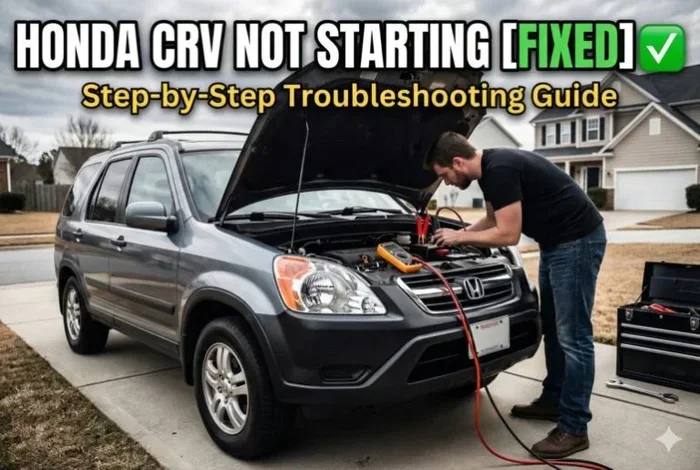
A Honda CR-V that cranks but won’t start with a healthy battery is frustrating but usually fixable. Common culprits include a bad starter motor, faulty ignition switch, fuel pump failure, or a security system lockout. This guide walks you through every likely cause, how to test for it, and what you can do to fix it yourself or with a mechanic.
You turn the key or push the start button on your Honda CR-V, and you hear the engine crank. But it just refuses to fire up. You check the battery, and it reads fine. So what gives?
This is one of the most common Honda CR-V starting problems that owners face. It’s confusing because a good battery makes you think everything should work. But starting a car involves many moving parts, and just one bad component can leave you stranded in the driveway.
In this article, we’ll break down every reason your Honda CR-V won’t start but battery is good. We’ll cover the symptoms to watch for, the tests you can do at home, and the fixes that actually work. Whether you’re a DIYer or just want to understand what the mechanic is talking about, this guide has you covered.
Let’s dive into the most common causes and get your CR-V running again.
Key Takeaways
- Battery health doesn’t mean the starting system is fine: A good battery only rules out one part of the puzzle.
- The most common causes are starter motor failure, ignition switch issues, and fuel pump problems.
- You can do simple tests at home like checking the starter relay, listening for the fuel pump hum, and inspecting battery terminals.
- A Honda CR-V security system lockout is more common than most owners realize and often mimics a no-start condition.
- Knowing when to call a mechanic saves time and prevents costly DIY mistakes on complex electrical issues.
- Regular maintenance like replacing spark plugs and fuel filters reduces the risk of unexpected no-start situations.
📑 Table of Contents
Why a Good Battery Doesn’t Mean Your CR-V Will Start
Many people assume that if the battery is fine, the car should start. That’s a natural assumption, but it’s not always true. A battery provides the electrical power needed to turn the engine over. But starting a car is a whole process that involves several systems working together.
Think of it like this. Your battery is like the fuel in a lawnmower. If the lawnmower has gas but the spark plug is bad, it still won’t start. The same idea applies to your Honda CR-V. A healthy battery is necessary, but it’s only one piece of the puzzle.
When your CR-V cranks but won’t start, the issue usually lies in one of these areas:
- The ignition system — sparks that ignite the fuel
- The fuel system — fuel delivery to the engine
- The starting motor — the mechanical component that cranks the engine
- The security system — anti-theft features that can block starting
- The engine sensors — components that tell the computer how to run the engine
Each of these areas can fail independently, even when your battery is in perfect shape. That’s why diagnosing the real cause matters so much. Jumping to conclusions can waste time and money.
Understanding How Your Honda CR-V Starts
To understand why your CR-V won’t start, it helps to know the basic steps involved. When you turn the key or press the start button, here’s what happens:
- The battery sends power to the starter motor.
- The starter motor turns the engine over.
- The engine draws in air and fuel.
- The spark plugs ignite the fuel-air mixture.
- The engine catches and runs on its own.
If any single step in this chain fails, your engine cranks but won’t fire. The battery can be perfect, and you’ll still have a no-start condition. This is the core reason why Honda CR-V won’t start but battery is good is such a common diagnostic puzzle.
Common Causes When Your Honda CR-V Cranks But Won’t Start
Now let’s get into the specific reasons your CR-V might crank and refuse to start. Each cause comes with its own set of symptoms and fixes.
Faulty Starter Motor
The starter motor is the workhorse that cranks your engine. Over time, it wears out. When it starts to fail, you might hear a clicking sound or a grinding noise when you turn the key. Sometimes the starter works intermittently, which makes it even harder to diagnose.
Signs of a bad starter motor include:
- A single loud click when you turn the key
- No sound at all when pressing the start button
- Grinding or whining noises during cranking
- The engine cranks slowly or weakly
If your starter motor is the culprit, replacement is usually the fix. The cost ranges from $300 to $500 including labor, depending on your CR-V model year. This detailed guide on cranks-but-won’t-start causes covers starter motor failure in more depth if you want to learn more.
Ignition Switch Failure
The ignition switch is the component that sends the electrical signal to start the engine. When it goes bad, your CR-V might crank but never get the signal to fire. This is a surprisingly common issue in older Honda CR-V models.
Watch for these signs of ignition switch trouble:
- The dashboard lights flicker when you turn the key
- The engine cranks but doesn’t catch
- The key feels stiff or won’t turn smoothly
- Electrical accessories work intermittently
Replacing an ignition switch typically costs between $150 and $300. It’s a straightforward repair that a good mechanic can handle in under an hour.
Fuel Pump Failure
Your Honda CR-V needs fuel to run. The fuel pump pushes gas from the tank to the engine. When the fuel pump fails, the engine cranks but has no fuel to burn. This is one of the most common reasons for a no-start condition with a good battery.
Here’s a simple test you can do. Turn the key to the “ON” position (don’t start the engine). Listen near the back seat or the fuel tank area. You should hear a faint humming sound for about two seconds. That’s the fuel pump priming. If you hear nothing, the fuel pump might be dead.
Other fuel pump symptoms include:
- The engine sputters before dying
- Loss of power when driving uphill or under load
- Difficulty starting after the car sits for a while
- The engine cranks but immediately stalls
Fuel pump replacement is more expensive, typically $400 to $800. But it’s a necessary fix if the pump is the root cause.
Security System Lockout
Modern Honda CR-Vs come with an immobilizer system. This anti-theft feature prevents the engine from starting unless it recognizes the correct key or key fob. Sometimes the system malfunctions and locks out the engine even when everything else is working perfectly.
If your security system is causing the no-start issue, you might notice:
- The security light flashes on the dashboard
- The engine cranks normally but won’t catch
- The key fob battery is low or dead
- The car started fine yesterday but won’t start today
Try replacing the key fob battery first. A dead fob battery can trick the immobilizer into thinking the wrong key is being used. If that doesn’t work, you may need to reprogram the key or have the immobilizer module checked.
Neutral Safety Switch Problems
The neutral safety switch prevents your Honda CR-V from starting unless the transmission is in Park or Neutral. When this switch goes bad, the car won’t start even though everything else is fine. It’s a simple component, but it can cause big headaches.
Signs of a faulty neutral safety switch:
- The car starts in Neutral but not in Park
- The car starts in Park but not in Neutral
- The engine cranks in any gear, which is dangerous
- No response at all when you turn the key
Adjusting or replacing the neutral safety switch is usually inexpensive and quick. This is one of those repairs that’s easy to overlook but can solve your starting problem entirely.
Crankshaft Position Sensor Failure
The crankshaft position sensor tells the engine computer where the crankshaft is positioned. Without this information, the computer can’t time the spark plugs or fuel injectors correctly. The result? Your engine cranks but won’t start.
This sensor is a common failure point on Honda CR-Vs, especially models from 2007 to 2016. Symptoms include:
- Intermittent no-start conditions
- The engine dies suddenly while driving
- Reduced engine power or stalling
- The check engine light comes on
Replacing the crankshaft position sensor costs between $120 and $250. It’s a relatively simple job that doesn’t require extensive labor.
How to Diagnose the Exact Cause Yourself
Before you take your CR-V to a mechanic, there are several diagnostic steps you can take at home. These tests can narrow down the cause and save you money on diagnostic fees.
Step 1: Check the Battery Terminals
Even if the battery reads good, corroded terminals can prevent proper electrical flow. Look at the battery posts for white or greenish buildup. Clean them with a baking soda and water solution and a wire brush. Tighten the connections and try starting again.
Step 2: Listen for the Fuel Pump
Turn the key to the “ON” position without starting the engine. Wait two seconds. Do you hear a faint hum from the rear of the car? That’s the fuel pump. No sound could mean a dead pump or a bad relay.
Step 3: Check the Starter Relay
The starter relay sends power to the starter motor. If it’s faulty, the motor won’t engage. You can swap the relay with a similar one in the fuse box to test it. This is one of the easiest and cheapest fixes on this list.
Step 4: Inspect the Spark Plugs
Remove a spark plug and look at it. If it’s fouled, wet, or covered in carbon buildup, it might not be creating a proper spark. Replace the spark plugs if they look worn. This is a simple maintenance item that often gets overlooked.
Step 5: Scan for Error Codes
An OBD-II scanner can read error codes from your CR-V’s computer. Many auto parts stores will scan for free. Codes related to the crankshaft sensor, fuel system, or ignition can point you directly to the problem.
Quick Tips for Honda CR-V No-Start Diagnosis
- Always check the simplest things first: battery terminals, fuel level, and key fob battery.
- Keep a notebook of when the problem happens. Intermittent issues are easier to diagnose with patterns.
- Don’t ignore dashboard warning lights. They often point directly to the failing component.
- If the car cranks normally but won’t start, focus on fuel and spark first.
- For Honda CR-V troubleshooting, the factory service manual is your best friend.
When to Call a Professional Mechanic
Not every starting problem is a DIY fix. Some issues require professional tools and expertise. Here’s when you should call in the pros:
- The engine cranks but shows no spark: This points to ignition coil or ECU problems that need specialized diagnostic equipment.
- You’ve checked the basics and still can’t find the cause: Sometimes the problem is hidden in wiring or computer modules that require advanced scanning tools.
- The security system is locked out: Reprogramming the immobilizer often requires a dealer-level tool that most home mechanics don’t have.
- You’ve replaced parts and the problem persists: This could indicate a deeper electrical issue or a misdiagnosis that needs a professional’s eye.
A good mechanic will charge a diagnostic fee, but it’s often cheaper than buying the wrong parts and replacing them yourself. If your CR-V is under warranty, always check with the dealer first before paying for repairs out of pocket.
Prevention Tips to Avoid Future No-Start Problems
The best way to deal with a Honda CR-V that won’t start is to prevent it from happening in the first place. Here are some simple habits that keep your starting system healthy:
- Replace spark plugs on schedule: Worn spark plugs are a leading cause of intermittent no-start issues.
- Change the fuel filter regularly: A clogged filter starves the engine of fuel and causes hard starting.
- Keep the battery terminals clean: Corrosion builds up over time and can cause intermittent electrical problems.
- Replace the key fob battery annually: A weak fob battery can trigger the immobilizer and cause a no-start condition.
- Don’t let the fuel tank run too low: The fuel pump relies on fuel for cooling. Running on empty can shorten its life.
- Listen for unusual sounds when starting: Clicking, grinding, or whirring noises are early warning signs of component failure.
Regular maintenance is the cheapest insurance against a no-start situation. A little prevention goes a long way toward keeping your Honda CR-V reliable for years to come.
Final Thoughts on Honda CR-V Won’t Start But Battery Is Good
A Honda CR-V that cranks but won’t start is never a fun experience, especially when the battery checks out fine. But as we’ve covered, the problem is almost always one of several common culprits. From a faulty starter motor to a failed fuel pump to a security system lockout, the cause is usually something fixable.
The key is to diagnose systematically. Start with the simple tests, work your way through the list, and don’t be afraid to call a professional when needed. With the right approach, you’ll have your CR-V running again and avoid the frustration of being stranded.
Remember, a good battery is just the beginning. The real answer to why your Honda CR-V won’t start but battery is good lies in the other systems that work together to fire up your engine. Take your time, follow the steps in this guide, and trust the process.
Your Honda CR-V is a reliable vehicle. With the right care and attention, it will keep starting strong for many miles to come.
Frequently Asked Questions
Why does my Honda CR-V crank but not start if the battery is good?
A good battery means the electrical power is there, but starting requires more than just power. The most common causes are a bad starter motor, fuel pump failure, ignition switch issues, or a security system lockout. Each of these prevents the engine from firing even when the battery is fully charged.
Can a weak key fob battery cause a Honda CR-V not to start?
Yes, absolutely. Modern Honda CR-Vs use a smart key system. If the key fob battery is low, the immobilizer may not recognize the key and block the engine from starting. Replacing the fob battery is a quick and easy first step when troubleshooting a no-start condition.
How do I know if my fuel pump is bad in a Honda CR-V?
Turn the key to the “ON” position and listen for a faint humming sound near the rear of the car. No sound usually means the fuel pump isn’t working. Other signs include the engine cranking but not catching, loss of power under load, and stalling after starting.
Is it safe to drive a Honda CR-V that has intermittent starting problems?
It’s risky. Intermittent no-start issues can worsen over time and leave you stranded. If your CR-V sometimes starts and sometimes doesn’t, have it diagnosed as soon as possible. The problem is unlikely to fix itself and usually gets worse with time.
How much does it cost to fix a Honda CR-V that won’t start?
The cost depends on the cause. A starter motor replacement runs $300 to $500. A fuel pump replacement costs $400 to $800. An ignition switch fix is $150 to $300. A crankshaft sensor replacement is $120 to $250. Always get a proper diagnosis before committing to repairs.
What should I do first when my Honda CR-V won’t start but the battery is good?
Start with the basics. Check the battery terminals for corrosion, listen for the fuel pump hum, verify the key fob battery, and make sure the car is in Park or Neutral. These simple checks often reveal the problem without any tools or expense.
=== CONCLUSION ===
A Honda CR-V that won’t start but battery is good is a solvable problem. The key is knowing where to look and what to test. From the starter motor to the fuel pump to the security system, each potential cause has clear symptoms and proven fixes. Use the diagnostic steps in this guide to narrow down the issue, and don’t hesitate to get professional help when needed. With a little patience and the right information, you’ll be back on the road in no time.
Keep your Honda CR-V maintained, and it will keep starting reliably for you. Don’t let a no-start situation catch you off guard again.