How Much Does a New Honda Civic Cost in 2024 and Beyond
How much does a new Honda Civic cost depends on the trim level, options, and dealer fees. The 2024 Honda Civic starts around $24,000 for the base LX and climbs to over $32,000 for the hybrid Touring. This guide breaks down every price factor so you know exactly what to expect.
Shopping for a new Honda Civic is exciting, but the price tag can feel confusing. With so many trims, options, and fees, the final number often surprises buyers. If you have been asking yourself how much does a new Honda Civic cost, you are in the right place. The 2024 Honda Civic remains one of the most popular compact sedans in America. Its blend of style, fuel economy, and reliability keeps demand high. In this article, we will break down every price factor so you can budget with confidence.
Key Takeaways
- Base LX trim starts around $24,000: The entry-level Civic offers solid value with essential features.
- Hybrid Touring can exceed $32,000: The plug-in hybrid and touring trim add premium tech and efficiency.
- Dealer fees and taxes add $1,500–$3,000: Destination charges, sales tax, and title fees increase the out-the-door price.
- Leasing can lower monthly payments: A lease may reduce your monthly cost, but it affects your credit.
- Total cost of ownership includes fuel, insurance, and maintenance: The Civic’s reliability keeps long-term expenses low.
- Business use may allow an LLC write-off: Check if an LLC can write off a car purchase for tax benefits.
- Trade-in can reduce the price even if damaged: You can still trade in a damaged car to lower your new Civic cost.
📑 Table of Contents
Honda Civic 2024 Price Range and MSRP
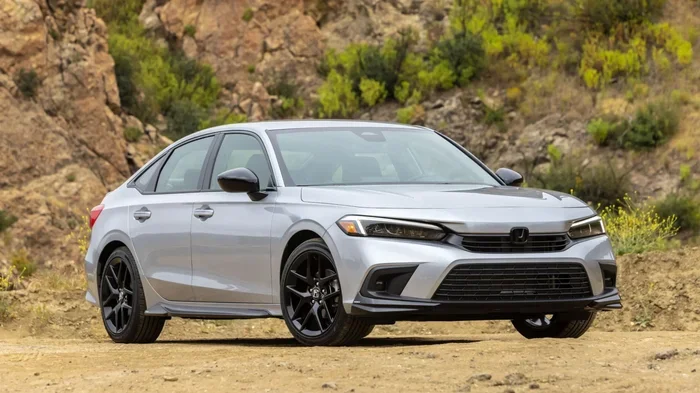
The manufacturer’s suggested retail price, or MSRP, is the starting point for any new car purchase. Honda sets the MSRP for each trim level, and the final invoice price is usually lower. Understanding the MSRP helps you know what dealers are charging for the vehicle itself. The 2024 Honda Civic offers several trims, each with a different price target. Let us look at the base LX first.
Base LX Trim Pricing
The LX trim is the entry point for the Honda Civic lineup. The 2024 Honda Civic LX starts around $24,000. This price includes the standard 2.0-liter four-cylinder engine, a CVT transmission, and a suite of safety features. You get Honda Sensing, which includes collision mitigation braking and road departure mitigation. The LX also comes with a 7-inch infotainment display and Apple CarPlay and Android Auto. While it is the most affordable Civic, it does not feel stripped down. The LX offers a comfortable ride and good fuel economy, making it a strong value.
Sport and EX Trim Costs
Moving up to the Sport trim adds a few sporty touches. The 2024 Honda Civic Sport starts around $26,000. You get a larger touchscreen, wireless Apple CarPlay, and a power driver’s seat. The EX trim, which starts near $28,000, adds a sunroof, remote start, and Honda LaneWatch. These mid-level trims offer a nice balance of features and price. Many buyers find the EX to be the sweet spot because it includes comfort upgrades without jumping to the top-tier Touring.
Touring and Hybrid Premiums
The Touring trim is the range-topper. The 2024 Honda Civic Touring starts around $31,000. It includes a 1.5-liter turbocharged engine, leather seating, and a Bose audio system. The hybrid Touring model combines a 2.0-liter engine with an electric motor for excellent fuel economy. The hybrid Touring can push past $32,000. If you are looking for the maximum Civic experience, the Touring trim justifies its higher price with premium materials and advanced technology.
What’s Included in the Sticker Price
The sticker price you see on a car is not just the vehicle cost. Several charges are bundled into the final figure. Understanding these items helps you avoid surprises at the dealership. The sticker price is the sum of the base vehicle, factory options, and dealer-added accessories.
Destination and Delivery Charges
Every new car includes a destination charge. This fee covers the cost of transporting the vehicle from the factory to the dealership. For the 2024 Honda Civic, the destination charge is typically around $1,095. This is a standard fee that Honda applies to all models. You cannot negotiate this charge, but you should confirm it is listed correctly on the invoice.
Dealer Markup and Advertising Fees
Some dealerships add a dealer markup or advertising fee. This is an extra charge on top of the MSRP. Not all dealers do this, but it is common in high-demand markets. The markup can range from a few hundred to several thousand dollars. Always ask for a full breakdown of fees before signing any paperwork. A transparent dealer will list every charge clearly.
Taxes, Title, and Registration Fees
Beyond the sticker price, you must pay taxes and government fees. These costs vary by location but are unavoidable. The total amount you pay at the dealership is called the out-the-door price. It includes the vehicle cost plus all taxes and fees.
Sales Tax Variations by State
Sales tax is the largest variable cost. Some states have no sales tax, while others charge over 10 percent. For example, if you buy a Civic with a $25,000 sticker price in a state with 7 percent sales tax, you will pay $1,750 in tax. States like Oregon and Montana have no sales tax, which can save you thousands. Always check your local tax rate when budgeting for a new car.
Additional Government Fees
Title and registration fees are also required. These fees go to your state’s Department of Motor Vehicles. They typically range from $50 to $300, depending on the state. Some areas also charge a vehicle inspection fee or a county surcharge. Ask the dealer for an estimate of these fees early in the buying process.
Financing vs. Leasing a New Civic
How you pay for the car affects your monthly budget and long-term cost. You can choose a traditional auto loan or a lease. Each option has pros and cons, and your credit score plays a big role.
Loan Terms and Interest Rates
A car loan lets you own the vehicle after you pay it off. Typical loan terms are 36, 60, or 72 months. Shorter terms have higher monthly payments but less interest paid over time. The interest rate depends on your credit score. Borrowers with excellent credit may qualify for rates around 5 percent. Those with average credit might see rates closer to 8 or 9 percent. A larger down payment reduces the loan amount and can lower your rate.
Monthly Lease Payments and Credit Impact
If you prefer lower monthly payments, a lease might be the better choice. But you might wonder if leasing a car affects your credit. The answer is yes. When you lease a car, the lender performs a hard credit inquiry, which can temporarily lower your score. However, making on-time lease payments builds positive credit history over time. Lease terms are typically 24 to 36 months, and you return the car at the end. If you want to understand the full impact, you can read more about does leasing a car affect your credit before making a decision.
Total Cost of Ownership Beyond the Purchase
The purchase price is only part of the equation. The true cost of owning a Honda Civic includes ongoing expenses. These costs can vary widely based on your driving habits and location.
Fuel Economy and Insurance Costs
The Honda Civic is known for its excellent fuel economy. The base LX gets an estimated 32 mpg in the city and 42 mpg on the highway. The hybrid Touring can achieve over 50 mpg combined. Lower fuel consumption means more money in your pocket over the years. Insurance costs also play a role. The Civic generally falls in a moderate insurance bracket because it is a popular compact sedan. Safety features like Honda Sensing can help qualify for discounts. Ask for insurance quotes before finalizing your purchase.
Maintenance and Reliability Savings
Honda Civics are built to last. The reliability rating for the Civic is consistently high. Routine maintenance like oil changes and tire rotations is affordable. The 2024 Civic comes with a 3-year or 36,000-mile limited warranty, whichever comes first. The powertrain warranty extends to 5 years or 60,000 miles. Because the Civic holds up well over time, owners often spend less on repairs compared to some competitors. This strong reliability contributes to a lower total cost of ownership.
Can You Lower the Honda Civic Price?
Yes, there are several ways to reduce the amount you pay for a new Honda Civic. Dealers have some flexibility on pricing, and manufacturers offer programs to help buyers save.
Manufacturer Incentives and Rebates
Honda frequently offers cash-back rebates or low-interest financing deals. These incentives can shave hundreds or even thousands off the price. For example, a $1,000 cash rebate directly reduces the sticker price. A 0 percent APR financing offer can save you money on interest over the life of the loan. Check the official Honda website for current promotions. Incentives often change by region and model year, so act quickly if you find a good deal.
Trade-In Value and Business Write-Offs
Trading in your current vehicle is one of the easiest ways to lower the out-the-door price. Even if your car has damage, you can still trade it in. You can learn more about the process in our guide on can you trade in a damaged car. For business owners, the purchase might offer tax advantages. It is worth exploring whether an LLC can write off a car purchase. You can find more details at can an LLC write off a car purchase. These strategies can meaningfully reduce your net cost.
Conclusion
Understanding how much does a new Honda Civic cost requires looking at the full picture. The base LX starts around $24,000, while the hybrid Touring can exceed $32,000. Destination fees, taxes, and dealer markups add several thousand dollars more. Financing or leasing affects your monthly budget and credit profile. Over time, the Civic’s fuel economy, reliability, and strong resale value keep the total cost of ownership low. Whether you choose the affordable LX or the loaded Touring, the Honda Civic delivers excellent value. Use the tips in this guide to negotiate confidently and drive home in the perfect Civic for your budget.
Frequently Asked Questions
What is the cheapest Honda Civic trim in 2024?
The LX trim is the most affordable option, starting around $24,000. It includes the standard 2.0-liter engine, Honda Sensing safety features, and a 7-inch touchscreen. It offers a great balance of value and essential comfort.
How much should I budget for taxes and fees?
Budget an extra $1,500 to $3,000 for taxes, title, registration, and dealer fees. The exact amount depends on your state’s sales tax rate and local government charges. Always ask the dealer for a detailed fee breakdown before signing.
Can I negotiate the Honda Civic price?
Yes, you can negotiate the MSRP. Dealers often have some wiggle room, especially on the destination charge or dealer markup. Research the invoice price and current incentives before you visit. Being prepared gives you leverage to secure a better deal.
Is the Honda Civic hybrid worth the extra cost?
If you drive a lot and want maximum fuel savings, the hybrid is worth it. The hybrid Touring delivers over 50 mpg combined and offers premium features. The higher upfront cost can pay off over time through lower fuel expenses.
Does a new Honda Civic hold its value?
Yes, the Civic has strong resale value. Its reliability and popularity mean used Civics remain in high demand. A well-maintained Civic can retain a large percentage of its original value after a few years.
How does leasing a Honda Civic compare to buying?
Leasing usually results in lower monthly payments because you are only paying for the depreciation during the lease term. Buying means you own the vehicle at the end and can build equity. Leasing also makes it easier to upgrade to a new model every few years.