How Much Is Car Insurance in Florida and What to Expect
Car insurance in Florida costs drivers between $1,800 and $3,500 per year on average. Rates depend heavily on your driving record, location, vehicle type, and coverage level. Florida’s unique no-fault insurance laws and high accident rates make understanding your policy essential for every driver.
Car insurance in Florida is something every driver needs to understand before hitting the road. Whether you just moved to the Sunshine State or you have been driving here for years, the cost of coverage can surprise you. Florida has some of the highest car insurance rates in the country, and for good reason.
The state’s unique weather patterns, high traffic density, and no-fault insurance laws all play a role in driving up premiums. But here is the good news: there are real ways to manage and even reduce your Florida car insurance rates. This guide breaks down everything you need to know about how much car insurance costs in Florida, what factors influence your price, and how you can keep more money in your pocket.
We will walk you through the average costs, the coverage types Florida requires, and practical tips that actually work. By the end, you will feel confident shopping for the right policy at the right price.
Key Takeaways
- Average annual cost: Florida drivers pay between $1,800 and $3,500 per year for car insurance.
- No-fault state: Florida requires Personal Injury Protection (PIP) coverage for all drivers.
- Location matters: Miami, Tampa, and Jacksonville have higher premiums due to accident and theft rates.
- Discounts help: Safe driving, bundling policies, and defensive driving courses can lower your rates significantly.
- Coverage minimums: Florida’s minimum liability requirements are $10,000 for property damage and PIP.
- Shop around: Comparing quotes from multiple insurers can save you hundreds of dollars annually.
📑 Table of Contents
Average Car Insurance Costs in Florida
So, how much does car insurance really cost in Florida? The answer depends on several factors, but the numbers give us a solid starting point. On average, a full coverage policy in Florida runs about $2,500 to $3,000 per year. Minimum coverage policies are cheaper, typically around $1,800 to $2,200 annually.
These numbers are higher than the national average. The national average for full coverage sits around $1,700 per year. Florida drivers pay roughly 40 to 50 percent more than the rest of the country. That is a significant difference, and it is driven by real factors that we will explore below.
Full Coverage vs. Minimum Coverage
Understanding the difference between full coverage and minimum coverage is key. Full coverage includes liability, collision, and comprehensive insurance. Minimum coverage only meets the state’s legal requirements.
Here is a quick comparison:
- Minimum coverage: Meets Florida legal requirements. Covers property damage up to $10,000 and PIP up to $10,000.
- Full coverage: Includes liability, collision, and comprehensive. Protects your vehicle and covers injuries and damages you cause to others.
While minimum coverage costs less upfront, it leaves you exposed. If you are in an accident and the damages exceed your policy limits, you pay the difference out of pocket. That is why most experts recommend full coverage, especially in a state like Florida where accidents and weather-related claims are common.
Factors That Affect Your Florida Car Insurance Rates
Not everyone pays the same price for car insurance in Florida. Insurance companies use a complex set of factors to calculate your premium. Understanding these factors helps you make smarter choices and potentially lower your costs.
Your Driving Record
Your driving history is one of the biggest factors. A clean driving record with no accidents or violations will get you the best rates. If you have speeding tickets, at-fault accidents, or DUI convictions on your record, expect to pay more. A single DUI can increase your premium by 50 percent or more.
On the bright side, your record improves over time. Most violations stay on your record for three to five years. As they age, their impact on your rates decreases. Keeping a clean record going forward is the best strategy.
Your Location Within Florida
Where you live in Florida matters a lot. Dense urban areas like Miami, Tampa, and Orlando have higher crime rates and more traffic accidents. This leads to higher premiums. Rural areas and smaller cities typically offer lower rates.
For example, a driver in downtown Miami might pay $3,000 or more per year. A driver in a small Florida town might pay closer to $1,500. The difference is striking and shows why your ZIP code carries so much weight in your premium.
Your Vehicle Type
The car you drive affects your insurance cost. Sports cars and luxury vehicles cost more to insure because they are expensive to repair and more likely to be stolen. Family sedans and SUVs with strong safety ratings generally cost less.
Here are some quick examples of how vehicle type impacts rates:
- Sports cars: Highest premiums due to speed risk and repair costs.
- Luxury vehicles: Expensive parts and theft risk drive up costs.
- Family SUVs: Moderate rates with good safety discounts.
- Older sedans: Often the cheapest to insure.
If you are shopping for a new car, it is smart to get insurance quotes before you buy. This helps you avoid surprises and stay within your budget.
Your Age and Driving Experience
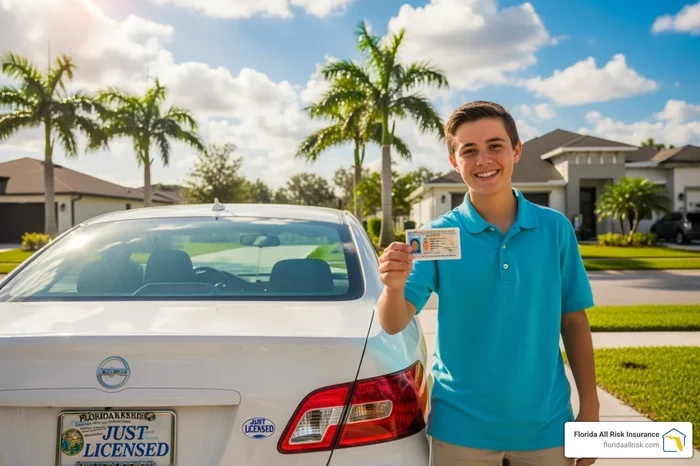
Young drivers, especially those under 25, pay the highest rates. Insurance companies see them as high-risk because of limited experience. Teen drivers can face premiums that are double or even triple the average.
Rates start to drop as you gain experience. Drivers in their 30s and 40s typically see the best rates. After age 65, rates may creep back up slightly due to age-related risk factors. But overall, mature drivers with clean records enjoy the most affordable premiums.
Your Credit Score
In Florida, insurance companies can use your credit score as a rating factor. A higher credit score generally leads to lower premiums. This practice, called credit-based insurance scoring, is legal in most states including Florida.
Improving your credit score over time can lead to meaningful savings on your auto insurance Florida premiums. Paying bills on time, reducing debt, and checking your credit report for errors are all practical steps that help.
Florida Car Insurance Requirements
Florida has specific insurance laws that every driver must follow. Understanding these requirements is not just about avoiding fines. It is about protecting yourself financially.
No-Fault Insurance Law
Florida is a no-fault state. This means that after an accident, each driver’s own insurance pays for their injuries, regardless of who caused the crash. This system is designed to reduce lawsuits and speed up the claims process.
However, no-fault insurance does not cover property damage. That is handled by your property damage liability coverage. It is important to understand that no-fault does not mean “no responsibility.” You can still be held financially accountable for damages that exceed your PIP limits.
Required Coverage Types
Florida law requires two types of coverage:
- Personal Injury Protection (PIP): Covers medical expenses for you and your passengers after an accident, up to $10,000.
- Property Damage Liability (PDL): Covers damage you cause to another person’s property, up to $10,000.
These are the minimum requirements. But as mentioned earlier, they offer limited protection. Adding uninsured motorist coverage, collision, and comprehensive insurance gives you much better peace of mind.
SR-22 Insurance in Florida
If you have been convicted of certain driving offenses, you may need to file an SR-22 form. This is a certificate of financial responsibility that proves you carry the required insurance. SR-22 filings are common after DUI convictions or driving without insurance.
SR-22 insurance typically costs more than standard policies. The filing fee is relatively low, but the ongoing premium increase can be significant. Maintaining a clean driving record after getting an SR-22 is the best way to return to standard rates over time.
How to Save Money on Car Insurance in Florida
Paying less for car insurance does not mean sacrificing coverage. There are proven strategies that help Florida drivers reduce their premiums without cutting corners.
Shop Around and Compare Quotes
The single best way to save money is to compare quotes from multiple insurers. Every company uses different formulas to set rates. What costs $2,500 at one company might be $1,800 at another for the exact same driver.
Get at least three quotes before choosing a policy. Online comparison tools make this easy and fast. Spending 20 minutes comparing quotes can save you hundreds of dollars per year.
Bundle Your Policies
Many insurance companies offer discounts when you bundle your car insurance with home or renters insurance. Bundling can save you 10 to 25 percent on your total premium. If you already have a homeowner’s policy, ask your insurer about adding auto coverage.
Take Advantage of Discounts
Insurance companies offer a wide range of discounts. Here are some of the most common ones available in Florida:
- Safe driver discount: For drivers with clean records.
- Defensive driving course discount: Completing an approved course can lower your rates.
- Good student discount: For students maintaining a B average or higher.
- Multi-vehicle discount: Insuring more than one car on the same policy.
- Loyalty discount: For staying with the same insurer over time.
- Low mileage discount: If you drive fewer than a certain number of miles per year.
Always ask your insurer about available discounts. You might be missing savings you qualify for right now.
Increase Your Deductibles
Choosing a higher deductible lowers your monthly premium. If you can afford to pay more out of pocket in the event of a claim, this is an effective way to reduce your costs. Just make sure the deductible amount is something you can comfortably handle if an accident occurs.
Maintain a Good Credit Score
As mentioned earlier, your credit score affects your insurance rates in Florida. Keeping your credit healthy is one of the simplest ways to keep your premiums low. Check your credit report regularly, pay bills on time, and keep your credit utilization low.
Common Mistakes Florida Drivers Make with Car Insurance
Avoiding mistakes can save you money and headaches. Here are some of the most common errors Florida drivers make when buying or maintaining car insurance.
Only Buying Minimum Coverage
Florida’s minimum requirements are among the lowest in the country. While meeting the legal minimum keeps you from getting a ticket, it does not protect you in a serious accident. Medical bills and vehicle repairs can quickly exceed $10,000. Investing in higher coverage limits is a smart financial decision.
Not Reviewing Your Policy Annually
Many drivers set their policy and forget about it. But your life changes, and your insurance should change with it. Did you pay off your car loan? Move to a new address? Add a teenage driver? Each of these changes can affect your rates and coverage needs.
Reviewing your policy every year ensures you are not overpaying or underinsured. It only takes a few minutes and can lead to significant savings.
Ignoring Uninsured Motorist Coverage
About 20 percent of Florida drivers do not carry insurance. If you are in an accident with an uninsured driver, you are on your own unless you have uninsured motorist coverage. This relatively affordable add-on protects you from financial ruin after an accident with an uninsured or underinsured driver.
Failing to Ask About Discounts
Insurance companies do not always advertise every discount available. Many drivers miss out on savings simply because they never asked. Make it a habit to ask your agent or insurer about every possible discount. You might be surprised at what you find.
Choosing a Policy Based on Price Alone
The cheapest policy is not always the best policy. Look at the coverage limits, deductibles, and customer service reputation. A policy that saves you $50 per month but offers poor coverage is a false economy. Read reviews and check financial stability ratings before committing.
What to Expect When Filing a Claim in Florida
Knowing what happens after an accident helps you feel prepared. Here is a quick overview of the claims process in Florida.
First, seek medical attention if anyone is injured. Then, exchange information with the other driver and document the scene with photos. File a police report if the accident involves injuries or significant damage.
Next, contact your insurance company as soon as possible. Provide all the details and documentation. Your insurer will assign an adjuster to evaluate the claim and determine the payout amount.
If you have a full coverage policy, the claims process is generally straightforward. If you only carry minimum coverage, you may need to cover costs yourself if they exceed your policy limits. This is another reason to carry adequate coverage.
Keep in mind that Florida’s no-fault system means your own PIP coverage pays for your medical bills first. The other driver’s insurance handles property damage. Understanding this flow helps you navigate the process more smoothly.
Final Thoughts
Car insurance in Florida is a necessary expense, but it does not have to break the bank. The key is understanding what drives your rates, knowing the state requirements, and taking active steps to save money. From comparing quotes to taking defensive driving courses, every small action adds up to real savings.
Florida’s no-fault laws and high claim rates make insurance more expensive than in many other states. But informed drivers who shop around and use available discounts can find affordable coverage that meets their needs. The best time to review your policy is right now.
Take the time to compare quotes, ask about discounts, and make sure your coverage is adequate. Your wallet and your peace of mind will thank you. Car insurance is not just a legal requirement in Florida. It is a financial safety net that protects you every time you get behind the wheel.
Remember, the cost of insurance is just one part of the overall cost of owning and operating a vehicle. Expenses like fuel, maintenance, registration, and payments all add up. When you are considering whether you can afford a new vehicle, be sure to factor in the insurance cost Florida drivers face. This is especially important if you are leasing a vehicle, as leasing a car can impact your credit score and insurance needs. Understanding the full picture of car ownership costs helps you make smarter financial decisions.
Also, if you ever find yourself unable to keep up with car payments, it is worth knowing your options. You might wonder, can I return my car to the dealership if I can’t afford it? The answer depends on your contract and circumstances, but being informed ahead of time gives you a real advantage. Similarly, if you are buying a used vehicle, understanding how trade-ins work for damaged cars can save you from unexpected headaches at the dealership.
Stay informed, stay covered, and drive safely. The road ahead is much brighter when you have the right insurance in place.
Frequently Asked Questions
What is the average cost of car insurance in Florida?
The average cost of car insurance in Florida ranges from $1,800 to $3,500 per year depending on your coverage level, driving record, and location. Full coverage policies tend to cost around $2,500 to $3,000 annually, while minimum coverage policies fall closer to $1,800 to $2,200.
Why is car insurance so expensive in Florida?
Florida car insurance is expensive due to the state’s no-fault insurance laws, high accident rates, frequent weather-related claims, and dense urban traffic. These factors increase the risk for insurance companies, which translates into higher premiums for drivers.
What car insurance coverage is required by law in Florida?
Florida requires two types of coverage by law: Personal Injury Protection (PIP) up to $10,000 and Property Damage Liability (PDL) up to $10,000. These are the minimum legal requirements, but most experts recommend carrying additional coverage for better protection.
Can I lower my car insurance rates in Florida?
Yes, you can lower your rates by shopping around for quotes, bundling policies, taking advantage of discounts, increasing your deductibles, maintaining a good credit score, and keeping a clean driving record. Small changes can lead to significant savings over time.
Does your credit score affect car insurance rates in Florida?
Yes, in Florida insurance companies can use your credit score as a factor in determining your premium. Drivers with higher credit scores typically receive lower rates. Improving your credit over time can lead to meaningful reductions in your insurance costs.
How often should I review my car insurance policy in Florida?
You should review your car insurance policy at least once a year, or whenever a major life change occurs such as moving, buying a new car, or adding a driver. Regular reviews ensure your coverage remains adequate and your rates stay competitive.
=== CONCLUSION ===
Car insurance in Florida does not have to be overwhelming. Understanding the average costs, the state requirements, and the factors that influence your rates puts you in a strong position to make smart choices. The key takeaway is that comparison shopping and staying informed are your best tools for finding affordable coverage.
Take action today. Get quotes, ask about discounts, and make sure your policy fits your needs. The right insurance gives you the confidence to drive knowing you are protected on every Florida road.