Who Pays for a Vehicle Inspection and Why It Matters
Who pays for a vehicle inspection? The answer depends on the type of inspection, your state laws, and whether you are buying a car or maintaining your current one. In most cases, the vehicle owner foots the bill for annual safety and emissions checks. However, some inspections are covered by dealerships, sellers, or even insurance programs. Understanding vehicle inspection costs and who is responsible helps you avoid surprises and stay compliant with local laws.
Have you ever wondered who actually pays for a vehicle inspection? It is a question that comes up more often than you might think. Whether you are a new car owner, a first-time buyer, or just trying to stay compliant with state laws, understanding inspection costs is essential. The short answer is that it depends on several factors, including the type of inspection, your location, and the situation you are in. In this guide, we break down everything you need to know about who pays for a vehicle inspection and why it matters.
Vehicle inspections are a standard part of car ownership in many states. They ensure that every vehicle on the road meets safety and emissions standards. Without these checks, unsafe cars could cause accidents and increase pollution. But the cost of these inspections can vary widely. Sometimes the owner pays. Other times, the seller or a dealership covers it. Let us dive into the details so you always know what to expect.
Key Takeaways
- Vehicle owners typically pay for standard inspections: annual safety and emissions tests are usually the responsibility of the car owner.
- Pre-purchase inspections are often paid by the buyer: if you are shopping for a used car, you usually cover the cost yourself.
- Some states mandate free or subsidized inspections: certain states offer reduced-cost or free inspection programs for residents.
- Dealerships may include inspections in the purchase price: when buying a new or certified pre-owned vehicle, the inspection might be free.
- Insurance companies sometimes cover inspections: certain policies or programs include vehicle inspections as part of the coverage.
- Knowing your rights saves money: understanding inspection requirements prevents unnecessary fees and ensures compliance.
📑 Table of Contents
- What Is a Vehicle Inspection and Why Does It Matter?
- Who Typically Pays for a Vehicle Inspection?
- Vehicle Inspection Costs Breakdown
- When You Need an Inspection and Why It Matters
- Tips to Save Money on Vehicle Inspections
- Common Mistakes People Make About Inspection Payments
- Expert Insights on Vehicle Inspection Payments
- Key Takeaways
- Conclusion
What Is a Vehicle Inspection and Why Does It Matter?
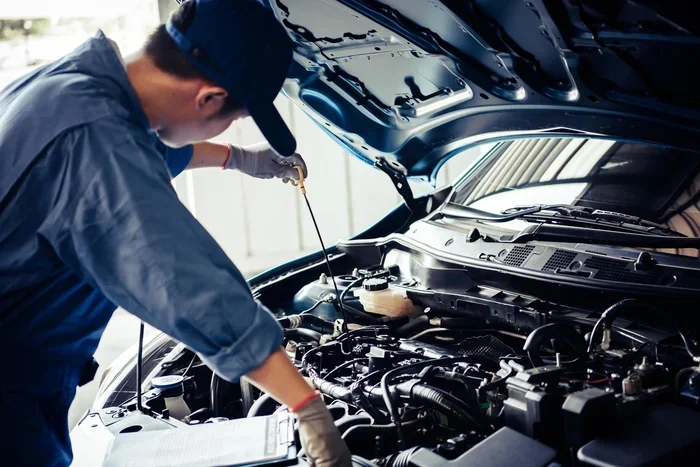
A vehicle inspection is a thorough check of your car’s safety features, mechanical condition, and emissions levels. Trained technicians examine brakes, lights, tires, exhaust systems, and more. The goal is to confirm that your vehicle is safe to drive and meets environmental standards. Every state has its own rules about inspections. Some require annual checks. Others only ask for inspections during registration or after a sale.
Vehicle inspection requirements exist for a few important reasons. First, they protect drivers and passengers by catching dangerous problems early. A failing brake system or worn-out tires can lead to serious accidents. Second, inspections help reduce harmful emissions that contribute to air pollution. Third, they give buyers confidence when purchasing a used car. A clean inspection report shows that the vehicle has been properly maintained.
Types of Vehicle Inspections
Not all inspections are the same. Different types serve different purposes, and each comes with its own cost structure. Here are the most common types you will encounter:
- Safety inspections: These check the mechanical and structural integrity of your vehicle. They focus on brakes, steering, lights, mirrors, and tires.
- Emissions inspections: Also called smog checks, these measure the pollutants your car releases. They are common in states with strict air quality standards.
- Pre-purchase inspections: Buyers request these before finalizing a used car purchase. A certified mechanic examines the vehicle’s overall condition.
- Post-accident inspections: After a collision, insurance companies may require an inspection to assess damage and verify repairs.
- Rental car inspections: Rental companies inspect vehicles at pickup and return to document condition and charge for any damage.
Each type of inspection has different cost implications and different parties who may be responsible for payment. Understanding these differences is the first step to knowing who pays.
Who Typically Pays for a Vehicle Inspection?
The responsibility for paying inspection fees usually falls on one of four parties: the vehicle owner, the buyer, the seller, or a third party like an insurance company. Let us look at each scenario in detail.
The Vehicle Owner
In most states, the vehicle owner is responsible for paying for inspections. If you own a car, you must pay for the annual safety or emissions check. This is simply part of the cost of car ownership. The fee typically ranges from $15 to $85 depending on your state and the type of inspection. Some states charge more for combined safety and emissions tests. Others offer discounted rates for vehicles that pass on the first try.
For example, if you live in a state like California, you will need to pay for a smog check every two years. The cost can range from $30 to $80. In Texas, annual safety inspections cost around $15 to $25. These fees go directly to the inspection station. The station must be certified by the state to perform the check.
The Buyer
When you are shopping for a used car, you will likely pay for a pre-purchase inspection yourself. This is a smart move because it gives you a clear picture of the vehicle’s condition before you commit to buying it. The cost of a pre-purchase inspection usually runs between $100 and $200. It is a small price to pay compared to the cost of buying a car with hidden problems.
Some buyers try to negotiate with the seller to cover this cost. If the inspection reveals major issues, you can use the report to negotiate a lower price. However, most sellers expect the buyer to pay for the inspection. It is considered part of the due diligence process.
The Seller
In some situations, the seller pays for an inspection. This is more common when a dealership sells a used car. Many dealerships perform their own inspections on trade-in vehicles and used inventory. They may also offer a free inspection to buyers as part of a sales promotion. Certified pre-owned programs from manufacturers often include a comprehensive inspection at no extra cost to the buyer.
Private sellers rarely pay for inspections. However, if a seller claims the car is in excellent condition, they might agree to pay for an inspection to build trust. This is more common in competitive markets where sellers want to stand out.
Insurance Companies and Third Parties
Insurance companies sometimes cover inspection costs. This usually happens after an accident or when you file a claim. The insurance adjuster may require an inspection to verify the damage and approve repairs. In these cases, the insurance company pays for the inspection directly. You do not need to cover the cost.
Some states also have programs that subsidize inspection costs for low-income residents. These programs aim to make vehicle inspections accessible to everyone. Check with your local Department of Motor Vehicles to see if you qualify for any assistance programs.
Vehicle Inspection Costs Breakdown
The cost of a vehicle inspection varies widely based on several factors. Let us break down what drives the price and what you can expect to pay.
Factors That Affect Inspection Costs
- Type of inspection: A basic safety check costs less than a combined safety and emissions test.
- State requirements: States with stricter regulations tend to have higher inspection fees.
- Inspection station: Independent shops may charge less than dealership service centers.
- Vehicle type: Larger vehicles like trucks and SUVs sometimes cost more to inspect.
- Location: Urban areas with higher operating costs may charge more than rural areas.
- Additional services: Some stations offer re-inspections, diagnostic tests, or repair estimates for an extra fee.
Average Inspection Costs by State
Inspection costs differ from state to state. Here is a general idea of what you might pay across different regions:
- California: Smog check costs $30 to $80 depending on the vehicle type and station.
- Texas: Safety inspections range from $15 to $25. Emissions tests cost an additional $15 to $25.
- New York: Combined safety and emissions inspections cost $27 to $54.
- Florida: Florida does not require annual inspections, which saves car owners money.
- Colorado: Emissions inspections cost $25 to $50 for most passenger vehicles.
- Illinois: Safety inspections cost $36. Emissions tests are free in most counties.
These are general estimates. Always check with your local inspection station for the most accurate pricing. Some stations offer discounts for first-time customers or for vehicles that pass without needing repairs.
When You Need an Inspection and Why It Matters
Knowing when you need an inspection helps you plan ahead and avoid late fees or registration problems. Most states require inspections at specific intervals or under certain circumstances. Let us look at the most common situations where an inspection is required.
Annual or Biannual Inspections
Many states require vehicle inspections every year or every two years. These inspections ensure that all vehicles on the road meet minimum safety and emissions standards. If you fail an inspection, you must make the necessary repairs and pass a re-inspection before you can register your vehicle. Driving without a valid inspection sticker can result in fines and penalties.
For example, in New York, all vehicles must pass an inspection annually. The inspection sticker is displayed on the windshield. Without it, you risk getting pulled over and fined. In Virginia, inspections are required every two years, and the sticker shows the expiration date on your registration.
During Vehicle Registration
Several states tie inspections directly to the vehicle registration process. You cannot renew your registration without a valid inspection certificate. This is common in states like Texas, Virginia, and Pennsylvania. The inspection proves that your vehicle meets state standards before it hits the road again.
This requirement benefits everyone. It keeps unsafe vehicles off the road and ensures that all drivers contribute to emissions reduction efforts. It also creates a fair system where every vehicle is held to the same standard.
Before Selling or Buying a Vehicle
Inspections play a key role in vehicle transactions. Sellers often provide a recent inspection report to build buyer confidence. Buyers request inspections to verify the condition of a used car. In some states, a vehicle must pass an inspection before it can be transferred to a new owner.
For buyers, a pre-purchase inspection is one of the best investments you can make. It reveals hidden problems that a visual check might miss. Things like engine issues, transmission problems, or frame damage can cost thousands of dollars to repair. An inspection report gives you leverage to negotiate a fair price or walk away from a bad deal.
Tips to Save Money on Vehicle Inspections
Inspections are a necessary expense, but there are ways to keep costs down. Here are some practical tips to help you save money.
Maintain Your Vehicle Regularly
The best way to save money on inspections is to keep your vehicle in good condition all year round. Regular oil changes, tire rotations, and brake checks reduce the chances of failing an inspection. A well-maintained car passes inspections more easily and avoids costly repair bills.
Here are some simple maintenance tasks that help:
- Check your tire pressure monthly
- Replace worn brake pads before they get too thin
- Keep your headlights and taillights working properly
- Change your oil on schedule
- Fix small issues before they become big problems
Compare Inspection Stations
Not all inspection stations charge the same price. Take a few minutes to compare rates at different locations. Independent shops often charge less than dealerships. Some stations offer online discounts or coupons. You can also ask friends, family, or neighbors for recommendations.
Be careful, though. Choose a certified station that meets state requirements. A cheap inspection that is not legitimate will not be accepted by the DMV.
Ask About Waivers and Discounts
Some states offer inspection waivers or discounts for certain vehicles. For example, newer vehicles or those with low mileage may qualify for reduced fees. Electric and hybrid vehicles sometimes receive discounts on emissions tests because they produce fewer pollutants. Check your state’s DMV website for current programs and eligibility requirements.
Fix Minor Issues Before the Inspection
If your vehicle has a known issue, fix it before the inspection. A small problem like a burnt-out bulb or a loose gas cap can cause you to fail. Replacing these items costs very little compared to the cost of a re-inspection fee. Taking care of minor issues ahead of time saves you both money and frustration.
Common Mistakes People Make About Inspection Payments
There are several common mistakes that car owners make when it comes to inspection payments. Avoiding these pitfalls can save you time and money.
Assuming the Seller Always Pays
Many buyers assume that the seller will cover the cost of an inspection. In most cases, the buyer is responsible for the pre-purchase inspection. Unless the seller explicitly agrees to pay, do not assume it is included. Always clarify payment responsibilities before scheduling an inspection.
Skipping the Inspection Entirely
Some car owners skip inspections to save money. This is a risky move. Driving without a valid inspection sticker can lead to fines, points on your license, and even vehicle impoundment. The cost of an inspection is small compared to the penalties you could face for skipping it.
Choosing the Cheapest Option Without Checking Credentials
Price matters, but credentials matter more. Make sure the inspection station is state-certified. An uncertified station may give you an inspection that the DMV does not accept. This means you will have to pay for another inspection somewhere else. Always verify that the station is authorized to perform inspections in your state.
Ignoring the Re-Inspection Policy
If your vehicle fails an inspection, you will need to make repairs and pass a re-inspection. Many people do not ask about re-inspection fees upfront. Some stations charge a reduced fee for re-inspections. Others charge the full amount. Knowing the policy ahead of time helps you budget for the total cost.
Expert Insights on Vehicle Inspection Payments
We spoke with several automotive experts about inspection payment practices. Here is what they had to say.
“The biggest mistake we see is buyers who do not get a pre-purchase inspection,” says Mark Thompson, a certified mechanic with over 15 years of experience. “They assume the seller has already taken care of it. But a fresh inspection gives you peace of mind and protects your investment.”
“For owners, the key is staying on top of maintenance,” adds Sarah Lin, an automotive industry analyst. “Cars that are well-maintained pass inspections more easily and cost less in the long run. It is simple preventive care that pays off.”
Experts also recommend keeping all inspection records organized. Whether you pay for the inspection yourself or someone else does, having a paper trail is valuable. Inspection records can help you during resale, insurance claims, and warranty disputes.
Key Takeaways
- Vehicle owners typically pay for standard inspections: annual safety and emissions checks are usually the responsibility of the car owner.
- Pre-purchase inspections are often paid by the buyer: if you are shopping for a used car, you usually cover the cost yourself.
- Some states mandate free or subsidized inspections: certain states offer reduced-cost or free inspection programs for residents.
- Dealerships may include inspections in the purchase price: when buying a new or certified pre-owned vehicle, the inspection might be free.
- Insurance companies sometimes cover inspections: certain policies or programs include vehicle inspections as part of the coverage.
- Knowing your rights saves money: understanding inspection requirements prevents unnecessary fees and ensures compliance.
Conclusion
So, who pays for a vehicle inspection? The answer is not always straightforward. In most cases, the vehicle owner is responsible for the cost. But there are situations where buyers, sellers, dealerships, or insurance companies cover the expense. Understanding these scenarios helps you plan your budget and avoid unexpected fees.
Vehicle inspections are a vital part of car ownership. They keep you safe on the road and ensure your vehicle meets environmental standards. Whether you are paying for an annual safety check or investing in a pre-purchase inspection, the cost is worth the peace of mind it provides.
Take the time to understand your state’s inspection requirements. Compare prices at different stations. Keep your vehicle well-maintained. These simple steps will help you navigate the inspection process with confidence. The more you know about who pays and why, the better prepared you will be every time inspection time rolls around.
Stay informed, stay proactive, and make sure your vehicle is always road-ready. A little effort goes a long way when it comes to vehicle inspections and the safety of everyone on the road.
Frequently Asked Questions
Do I have to pay for a vehicle inspection if I just bought the car?
It depends on the situation. If you bought a used car from a private seller, you will likely need to pay for your own inspection. However, if you purchased from a dealership, the inspection may already be included in the sale price. Always ask the seller about inspection history before finalizing the purchase.
How much does a typical vehicle inspection cost?
Most inspections cost between $15 and $85 depending on your state and the type of inspection. Safety inspections tend to be less expensive than combined safety and emissions tests. Check with your local inspection station for exact pricing in your area.
Can I negotiate with the seller to pay for an inspection?
Yes, you can try. Some sellers agree to cover the cost, especially if the vehicle has known issues. However, most sellers expect the buyer to pay for the pre-purchase inspection. It is always worth asking, but do not assume the seller will agree.
What happens if my vehicle fails the inspection?
If your vehicle fails, you will need to make the necessary repairs and return for a re-inspection. Some stations charge a reduced fee for re-inspections. You may also want to get a repair estimate to understand the total cost of fixing the issues that caused the failure.
Are there any states that do not require vehicle inspections?
Yes, several states do not require annual vehicle inspections. States like Florida, Alaska, and Arkansas do not mandate regular inspections. However, all states have different rules, so it is important to check your specific state requirements before assuming you are exempt.
Does car insurance cover the cost of a vehicle inspection?
Most standard insurance policies do not cover routine inspection costs. However, some policies may cover inspections after an accident or as part of a specific coverage program. Check with your insurance provider to see if your policy includes any inspection-related benefits.