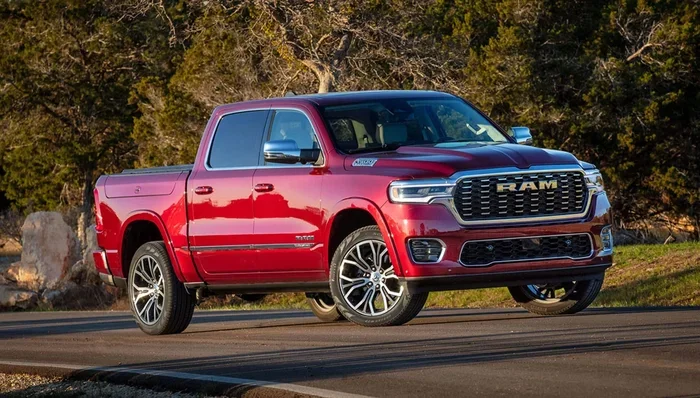
Why Are Trucks Called 1500 and What the Number Means
The name “1500” comes from a simple numbering system that truck manufacturers use to classify their vehicles by size and payload capacity. The number 1500 means the truck falls into the half-ton category, sitting between the lighter 1000 series and the heavier 2500 series. Understanding this naming convention helps buyers choose the right truck for their needs with confidence.
If you have ever walked onto a truck lot, you have probably wondered why are trucks called 1500. The name seems simple enough, but there is more to it than meets the eye. Every major American pickup brand uses this number, and it has become one of the most recognized naming conventions in the automotive world.
The story behind the 1500 name goes back many decades. It started as a practical way for manufacturers to label their trucks by size and strength. Over time, the system stuck, and today it helps buyers sort through dozens of options on a dealership lot. Let us break down the full story of why are trucks called 1500 and what that number really tells you.
Key Takeaways
- The 1500 designation refers to a half-ton truck classification used across most major American pickup brands.
- The numbering system dates back decades and was originally based on approximate payload weight in hundreds of pounds.
- Different brands use the same 1500 name for models like the Chevrolet Silverado 1500, Ford F-150, Ram 1500, and GMC Sierra 1500.
- The number does not equal exact payload weight in modern trucks, as engineering has made these vehicles much stronger than the name suggests.
- Knowing the 1500 naming system helps you compare trucks and pick the right one for your hauling and towing needs.
- Higher numbers like 2500 and 3500 indicate heavier-duty trucks with greater towing and payload capabilities.
- The 1500 name stays consistent across generations of trucks, making it a reliable identifier for buyers shopping pre-owned or new.
📑 Table of Contents
- The History Behind the 1500 Naming System
- What Does the 1500 Number Actually Mean Today?
- How the 1500 Naming System Works Across Brands
- Comparing the 1500 to Other Truck Number Designations
- Why the 1500 Name Has Stuck Around for Decades
- Common Misconceptions About the 1500 Name
- Quick Tips for Choosing the Right 1500 Truck
- Expert Insights on Truck Naming Conventions
- Key Takeaways
- Conclusion
The History Behind the 1500 Naming System
Truck makers did not just pick the number 1500 out of thin air. The naming system has deep roots in how trucks were built and sold in the mid-20th century. Back then, trucks were much simpler machines, and buyers needed a quick way to understand what each model could handle.
Where the Number System Came From
In the early days of pickup trucks, manufacturers used numbers to group their vehicles into size categories. The smaller trucks got lower numbers, and the bigger, stronger trucks got higher numbers. A 1000 series truck was light duty. A 2000 series truck was medium duty. A 3000 series truck was heavy duty.
The 1500 slot fell right in the middle. It represented the half-ton truck, which was the most popular size for everyday drivers. These trucks could handle light hauling, weekend trips, and general work around the farm or job site. The 1500 name stuck because it was easy to remember and simple to compare.
How the Half-Ton Classification Started
The term “half-ton” refers to the truck’s original payload capacity. A half-ton truck could carry roughly 1,000 pounds of cargo in its bed. This number was based on the truck’s gross vehicle weight rating, or GVWR, which measures the total weight a vehicle can safely carry including passengers, cargo, and the vehicle itself.
Over time, truck technology improved dramatically. Modern 1500 trucks can carry far more than 1,000 pounds. But the half-ton label and the 1500 name stayed the same. The number became a tradition rather than a strict measurement. Today, when you ask why are trucks called 1500, the short answer is that it is a legacy naming system that still works well for buyers.
What Does the 1500 Number Actually Mean Today?
The meaning of 1500 has shifted over the years. In the past, it was closer to a literal payload number. Today, it is more of a category label. Understanding what the 1500 means in the current truck market helps you make smarter buying decisions.
The Modern 1500 as a Light-Duty Truck
In today’s market, the 1500 designation signals a light-duty pickup truck. These are the trucks most families and everyday drivers choose. They offer a great balance of capability, comfort, and fuel efficiency. You do not need a heavy-duty truck for daily driving, and the 1500 series delivers exactly that.
Light-duty 1500 trucks come with a wide range of engine options. Some models offer fuel-efficient four-cylinder engines for basic hauling. Others come with powerful V8 engines or even turbocharged V6 engines for serious towing. The 1500 platform is versatile enough to serve many different needs.
Payload and Towing in a 1500 Truck
While the 1500 name does not directly equal payload weight anymore, it still gives you a general idea of capability. Most modern 1500 trucks can tow between 5,000 and 13,000 pounds depending on the engine and towing package. Payload capacity typically ranges from 1,500 to 2,300 pounds in current models.
Here are some quick numbers to keep in mind when comparing 1500 trucks:
- Ford F-150: Towing up to 13,500 pounds with the right engine. Payload up to 2,200 pounds.
- Chevrolet Silverado 1500: Towing up to 13,300 pounds. Payload up to 2,280 pounds.
- Ram 1500: Towing up to 12,750 pounds. Payload up to 2,300 pounds.
- GMC Sierra 1500: Towing up to 13,200 pounds. Payload up to 2,250 pounds.
These numbers show that the 1500 trucks today are far more capable than the original half-ton designation suggests. The naming system has not caught up with the engineering, but it still serves as a useful shorthand.
How the 1500 Naming System Works Across Brands
One of the most interesting things about the 1500 name is that every major American truck brand uses it. Each company has its own spin on the naming convention, but the core idea remains the same. The 1500 means light-duty, half-ton, and everyday-capable.
Chevrolet Silverado 1500
The Silverado 1500 has been one of the best-selling trucks in America for years. Chevrolet uses the 1500 number to clearly mark its entry-level full-size pickup. The Silverado 1500 sits below the Silverado 2500 and Silverado 3500 in the lineup. Buyers looking for a versatile daily driver or light work truck gravitate toward the 1500 model.
Ford F-150
The Ford F-150 is the best-selling truck in the United States, period. The “F” stands for Ford, and the “150” (which becomes 1500 in the full name) indicates the half-ton class. Ford has used the F-Series numbering system since the 1940s, making it one of the oldest and most established truck naming conventions in history.
Ford also uses additional naming layers like XLT, Lariat, and Limited to denote trim levels. But the base F-150 name always signals a 1500-class truck. This consistency helps buyers know exactly what they are getting.
Ram 1500
Ram picked up the 1500 name when it separated from Dodge in 2009. The Ram 1500 quickly earned a reputation for offering a smooth, comfortable ride with strong towing capability. Ram uses the 1500 to represent its core pickup truck, sitting between the heavier Ram 2500 and Ram 3500 models.
The Ram 1500 is known for its upscale interior and quiet cabin, making it a favorite among buyers who want truck capability without sacrificing comfort.
GMC Sierra 1500
The GMC Sierra 1500 shares its platform with the Chevrolet Silverado 1500, but GMC targets a slightly more premium audience. The 1500 designation tells buyers that this is the standard-size Sierra, not the heavier-duty 2500 or 3500 models. GMC adds its own unique styling and features to set the Sierra 1500 apart from its Chevrolet sibling.
Comparing the 1500 to Other Truck Number Designations
The 1500 is just one number in a larger truck naming system. Understanding how it fits into the bigger picture helps you compare trucks more effectively. Each number represents a different level of capability and duty rating.
The 1000 Series: The Lightest Trucks
Some brands use a 1000 designation for their smallest or lightest trucks. These are compact pickups designed for light-duty work and easy maneuverability. They are great for first-time truck buyers or those who do not need serious hauling power.
The 1500 Series: The Half-Ton Sweet Spot
The 1500 series is the most popular truck class in America. It offers the right mix of size, capability, and comfort for most households. Whether you need to haul furniture, tow a boat, or just want a dependable work vehicle, the 1500 covers most everyday needs.
The 2500 and 3500 Series: Heavy-Duty Powerhouses
The 2500 series represents three-quarter-ton trucks, and the 3500 series represents one-ton trucks. These heavy-duty models are built for serious towing, hauling, and off-road work. They feature stronger frames, larger engines, and heavy-duty suspensions.
Here is a simple comparison table to show how the numbering system breaks down:
| Designation | Class | Typical Towing | Typical Payload | Best For |
|---|---|---|---|---|
| 1000 Series | Compact Light-Duty | Up to 7,000 lbs | Up to 1,200 lbs | Daily driving, light hauling |
| 1500 Series | Half-Ton | Up to 13,500 lbs | Up to 2,300 lbs | Families, everyday use, light work |
| 2500 Series | Three-Quarter-Ton | Up to 18,000 lbs | Up to 3,000 lbs | Heavy towing, serious hauling |
| 3500 Series | One-Ton | Up to 37,000 lbs | Up to 7,000 lbs | Commercial use, extreme towing |
The higher the number, the more capable the truck. But with greater capability comes greater size, weight, and fuel consumption. Most buyers find that the 1500 series hits the perfect balance for their lifestyle.
Why the 1500 Name Has Stuck Around for Decades
You might wonder why truck makers have not updated the naming system to reflect modern capabilities. After all, a 2024 1500 truck is vastly different from a 1970 1500 truck. The answer comes down to brand recognition and buyer familiarity.
Brand Recognition and Buyer Trust
The 1500 name has become iconic. When buyers see F-150, Silverado 1500, Ram 1500, or Sierra 1500, they immediately understand what kind of truck they are looking at. Changing the name would create confusion and dilute decades of brand building.
Truck manufacturers invest billions in marketing and brand development. The 1500 name carries trust and familiarity. Buyers know what to expect from a 1500 truck, and that predictability drives sales.
Consistency Across Generations
Another reason the 1500 name endures is consistency. When a new generation of truck arrives, the 1500 designation stays the same. This makes it easy for buyers to compare current models with older ones. If you are shopping for a used truck, the 1500 name tells you the size class instantly.
For example, a 2010 Ford F-150 and a 2024 Ford F-150 share the same core naming convention. The technology and capabilities have evolved, but the name remains constant. This continuity builds long-term brand loyalty and simplifies the buying process.
Common Misconceptions About the 1500 Name
There are several myths and misunderstandings surrounding the 1500 naming system. Clearing these up helps you become a more informed truck buyer.
Misconception 1: The 1500 Means the Truck Weighs 1,500 Pounds
This is one of the most common misunderstandings. The 1500 does not refer to the truck’s curb weight. A modern 1500 truck weighs anywhere from 4,000 to 6,000 pounds depending on the model and configuration. The number is a classification code, not a weight measurement.
Misconception 2: All 1500 Trucks Are the Same
While the 1500 designation means light-duty across all brands, the trucks themselves are very different. A Ram 1500 rides more smoothly than a Ford F-150 in many cases. A Chevrolet Silverado 1500 might offer more towing power than a GMC Sierra 1500 in certain configurations. The 1500 name tells you the class, not the exact capabilities.
Misconception 3: The 1500 Cannot Handle Heavy Work
Modern 1500 trucks are incredibly capable. With the right engine and towing package, a 1500 can haul trailers, boats, and heavy equipment. The half-ton label undersells what these trucks can actually do. If you need a truck for serious work, a 1500 might still be the right choice.
Misconception 4: Only American Brands Use the 1500 System
While the 1500 name is most common among American manufacturers, some international brands have adopted similar naming conventions. Toyota, for instance, uses a different system with model names like Tacoma and Tundra. But within the American full-size pickup segment, the 1500 naming standard dominates.
Quick Tips for Choosing the Right 1500 Truck
Now that you understand why are trucks called 1500, here are some practical tips to help you choose the right one for your needs.
- Know your towing needs. If you plan to tow a trailer regularly, look for a 1500 with a powerful engine and an upgraded towing package. The Ford F-150 with its 3.5-liter EcoBoost V6 is a strong contender for heavy towing.
- Consider your daily use. If you mostly need the truck for commuting and weekend errands, a base-model 1500 with a smaller engine will save you money on fuel.
- Check the payload rating. Look at the specific payload capacity for the trim and configuration you are considering. This number matters more than the 1500 name itself.
- Test drive multiple models. Each brand’s 1500 truck feels different on the road. The Ram 1500 is known for its car-like ride, while the Ford F-150 offers a more traditional truck feel.
- Look at resale value. Some 1500 models hold their value better than others. The Toyota brand may not use the 1500 name, but its Tundra competes in the same space and offers strong long-term value.
Expert Insights on Truck Naming Conventions
Industry experts agree that the 1500 naming system works because it is simple and intuitive. According to automotive analysts, buyers respond to clear, consistent labeling when making large purchases like trucks.
“The 1500 system gives buyers an instant frame of reference,” says automotive journalist Mike Levine. “When you see 1500, you know it is a half-ton. When you see 2500, you know it is a three-quarter-ton. That clarity matters in a market with so many options.”
Truck engineers also note that the naming system has evolved alongside the vehicles themselves. Early 1500 trucks were genuinely half-ton in their payload capacity. Today, they are classified by tradition and marketing rather than strict engineering numbers. But the system remains effective because buyers understand it.
Key Takeaways
- The 1500 designation refers to a half-ton truck classification used across most major American pickup brands.
- The numbering system dates back decades and was originally based on approximate payload weight in hundreds of pounds.
- Different brands use the same 1500 name for models like the Chevrolet Silverado 1500, Ford F-150, Ram 1500, and GMC Sierra 1500.
- The number does not equal exact payload weight in modern trucks, as engineering has made these vehicles much stronger than the name suggests.
- Knowing the 1500 naming system helps you compare trucks and pick the right one for your hauling and towing needs.
- Higher numbers like 2500 and 3500 indicate heavier-duty trucks with greater towing and payload capabilities.
- The 1500 name stays consistent across generations of trucks, making it a reliable identifier for buyers shopping pre-owned or new.
Conclusion
So why are trucks called 1500? The answer lies in a simple, decades-old numbering system that classifies trucks by their size and capability. The 1500 designation means half-ton, light-duty, and everyday-capable. It is the most popular truck class in America, and for good reason.
The 1500 name has survived because it works. It is easy to understand, consistent across brands, and recognizable to buyers. Whether you are looking at a Ford F-150, Chevrolet Silverado 1500, Ram 1500, or GMC Sierra 1500, the 1500 tells you exactly what kind of truck you are getting.
Next time you are at a dealership or browsing trucks online, you will know exactly what the 1500 means. You will be able to compare models with confidence and choose the truck that fits your life best. The naming system may be simple, but the trucks themselves are anything but. Modern 1500 trucks offer incredible capability, comfort, and technology that make them some of the most versatile vehicles on the road today.
Understanding why are trucks called 1500 gives you an edge as a buyer. It helps you cut through the marketing jargon and focus on what really matters: finding the right truck for your needs. Armed with this knowledge, you are ready to walk onto any lot and make a confident, informed choice.
Frequently Asked Questions
Why do truck manufacturers use the 1500 name?
The 1500 name comes from a simple numbering system that classifies trucks by their size and payload capacity. The number 1500 represents the half-ton class, which is the most popular and versatile truck category for everyday drivers and light work.
Is a 1500 truck the same as a half-ton truck?
Yes, the 1500 designation and the half-ton label refer to the same truck class. The half-ton name originally indicated a payload capacity of about 1,000 pounds, but modern 1500 trucks can carry and tow far more than that original number suggests.
What is the difference between a 1500 and a 2500 truck?
The 1500 is a light-duty, half-ton truck designed for everyday use and light hauling. The 2500 is a three-quarter-ton heavy-duty truck with a stronger frame, more powerful engines, and higher towing and payload capacities. The 2500 is built for tougher jobs and heavier loads.
Do all truck brands use the 1500 naming system?
Most major American truck brands use the 1500 system, including Ford with the F-150, Chevrolet with the Silverado 1500, Ram with the Ram 1500, and GMC with the Sierra 1500. Some international brands use different naming conventions, but the 1500 standard dominates the American full-size pickup market.
Can a 1500 truck tow a large trailer?
Yes, modern 1500 trucks are surprisingly capable when it comes to towing. With the right engine and towing package, a 1500 can tow trailers weighing up to 13,000 pounds or more. Always check the specific towing capacity for the model and configuration you are considering.
Should I buy a 1500 truck or a heavier-duty truck?
The right choice depends on your needs. If you need a truck for daily driving, light hauling, and occasional towing, a 1500 is likely the best fit. If you regularly tow heavy loads or need maximum payload capacity, a 2500 or 3500 heavy-duty truck may be a better option. Consider your actual usage before deciding.