Why Do My High Beams Turn On Automatically While Driving
Your high beams may activate automatically due to a faulty light sensor, a malfunctioning headlight control module, or a stuck relay switch. This guide explains every reason your auto high beam system might behave unexpectedly, plus simple fixes you can try at home. Understanding your vehicle lighting system saves time, money, and keeps nighttime driving safe.
Have you ever been driving at night and suddenly noticed your high beams flash on without you touching the switch? It can be startling. You might wonder if something is seriously wrong with your car. The truth is, there are several reasons this happens. Most of them are easy to understand and fix.
This article breaks down every possible cause behind automatic high beam activation. We will walk through sensor problems, module failures, relay issues, and more. By the end, you will know exactly what to check and how to solve the problem. Let us get into it.
Key Takeaways
- Sensor Issues: A dirty or damaged light sensor is the most common reason high beams activate on their own.
- Module Malfunction: The headlight control module manages your beam settings and can fail over time.
- Relay Problems: A stuck beam relay switch can cause intermittent or constant high beam activation.
- Software Glitches: Modern vehicles use software to control auto beams, and updates may be needed.
- Wiring Faults: Damaged wiring or corroded connectors can send false signals to your lighting system.
- Easy Fixes Exist: Many causes are simple to diagnose and repair without a mechanic.
- Safety First: Always address automatic high beam issues promptly to avoid blinding other drivers.
📑 Table of Contents
- How Your Auto High Beam System Works
- Common Reasons Why High Beams Activate on Their Own
- How to Diagnose the Problem Yourself
- Quick Tips to Prevent Auto High Beam Problems
- Expert Insights on Automatic Headlight Behavior
- Comparison: Common Causes and Their Costs
- When to See a Professional
- Key Takeaways
- Conclusion
How Your Auto High Beam System Works
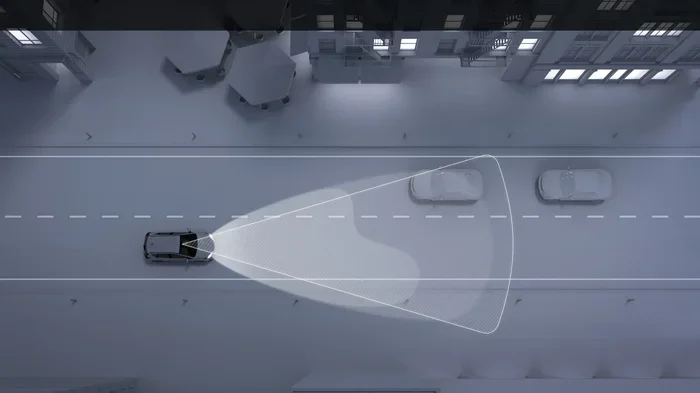
Before we dive into the reasons, it helps to understand how the system works. Most modern cars come with an auto high beam feature. This system uses a light sensor mounted on the windshield or dashboard. The sensor reads the surrounding light conditions.
When it gets dark enough, the system switches to high beams automatically. It also uses a forward-facing camera to detect oncoming traffic. When it sees headlights from another car, it dims back to low beams. This process happens in seconds. The whole point is glare reduction and nighttime driving safety.
So when your high beams turn on automatically, something in this chain is misfiring. Let us look at the most common culprits.
Common Reasons Why High Beams Activate on Their Own
1. Dirty or Faulty Light Sensor
The light sensor module is the brain behind the auto beam system. It sits near the rearview mirror and watches the light around you. If the sensor gets dirty, it can misread conditions. A smudge, dust, or even a phone mount can block its view.
When the sensor thinks it is bright outside, it may switch to high beams by mistake. Or it might not switch back to low beams when it should. Cleaning the sensor area with a soft cloth often fixes this. If cleaning does not help, the sensor itself may need replacement.
2. Failing Headlight Control Module
Your car has a dedicated headlight control module. This small computer manages all lighting functions, including the auto high beam. Over time, these modules can wear out or develop electrical faults.
A failing module may send random signals to the beam relay switch. This causes the high beams to flicker or stay on. You might also notice other electrical issues, like erratic dashboard lights or problems with the automatic headlights. A diagnostic scan at a repair shop can confirm if the module is the problem.
3. Stuck or Damaged Relay Switch
The beam relay is a simple switch that controls power to the high beam bulbs. When it works correctly, it clicks on and off as needed. But relays can stick or fail. A stuck relay keeps power flowing to the high beams constantly.
You can sometimes hear a relay sticking. It makes a faint buzzing sound inside the dashboard or engine bay. Replacing a relay is usually inexpensive. However, if the relay keeps failing, there may be a deeper electrical issue causing it.
4. Wiring Problems and Corroded Connectors
Your vehicle lighting system relies on a network of wires and connectors. Over time, moisture and road debris can damage these connections. Corrosion builds up on the contacts. This creates resistance and sends incorrect signals.
For example, a corroded connector near the headlight assembly might tell the system that the low beam is off. The car then switches to high beam to compensate. Checking wiring harnesses and cleaning connectors can resolve this. Look for green or white buildup on any electrical connections near the headlights.
5. Software or Calibration Issues
Newer vehicles rely heavily on software to control the automatic brightness adjustment system. Sometimes a software glitch causes the high beams to behave unexpectedly. This is more common after a battery replacement or a system update.
Sensor calibration can also drift over time. The camera or sensor that detects oncoming traffic may lose its alignment. When this happens, the system cannot properly dim the beams. A dealership or qualified mechanic can recalibrate the system with specialized tools.
6. Aftermarket Modifications and Bulb Upgrades
Did you recently swap out your bulbs or add aftermarket lighting? Some LED headlight assembly upgrades are not fully compatible with the auto high beam system. LED bulbs draw different amounts of current than halogen bulbs. This can confuse the sensor or relay.
Similarly, adding auxiliary lights or fog lamps can interfere with the system. The light sensor may pick up these extra sources and react strangely. If you made changes recently, consider reverting to OEM bulbs to see if the problem stops.
How to Diagnose the Problem Yourself
You do not need to be a mechanic to start diagnosing this issue. Follow these simple steps to narrow down the cause.
Step 1: Check the Light Sensor
Locate the sensor near your rearview mirror. Wipe it clean with a microfiber cloth. Drive at night and watch how the system behaves. If the problem stops, a dirty sensor was your culprit.
Step 2: Inspect the Dashboard Warning Light
Most cars have a high beam indicator on the dashboard. It usually looks like a blue headlight symbol. If this light stays on when it should not, the system is detecting a fault. Note any other warning lights that appear at the same time.
Step 3: Test the Relay
Open your fuse box and locate the beam relay. You can swap it with a relay of the same type to test it. If the problem moves to the new relay, the old one was bad. If it stays, the relay is not the issue.
Step 4: Scan for Error Codes
Use an OBD-II scanner to check for error codes. Codes related to the lighting system can point you directly to the problem. Many auto parts stores will scan your car for free.
Quick Tips to Prevent Auto High Beam Problems
Prevention is always easier than repair. Here are some simple habits that keep your auto high beam feature working properly.
- Clean the sensor area every time you wash your car.
- Avoid placing objects over the sensor near the rearview mirror.
- Check your bulbs regularly and replace any that are dim or flickering.
- Keep connectors dry and free of corrosion.
- Do not mix bulb types unless your vehicle manual approves it.
- Get software updates at the dealership when available.
Expert Insights on Automatic Headlight Behavior
According to automotive technicians, most cases of high beams turning on automatically come down to three things: a dirty sensor, a failing relay, or a software issue. These are not expensive fixes in most cases. The real danger comes from ignoring the problem.
When your high beams stay on randomly, they can blind other drivers. This creates a serious safety hazard on the road. The adaptive driving beam system in newer cars is designed to prevent this. But it only works when all the parts are functioning correctly.
Experts also recommend not ignoring the dashboard warning light. That little blue symbol is your car telling you something needs attention. Addressing it early prevents bigger problems down the road.
Comparison: Common Causes and Their Costs
| Cause | Symptoms | Average Repair Cost | Difficulty to Fix |
|---|---|---|---|
| Dirty Light Sensor | High beams activate randomly, fail to dim | Free (cleaning) to $150 (replacement) | Easy |
| Failing Headlight Module | Intermittent high beam activation, other electrical issues | $200 to $500 | Moderate |
| Stuck Relay | High beams stay on constantly | $20 to $60 | Easy |
| Wiring or Connector Issues | Flickering beams, intermittent activation | $50 to $200 | Moderate |
| Software/Calibration Issue | Beams behave erratically after battery change | $0 to $100 (recalibration) | Moderate |
| Aftermarket Bulb Incompatibility | Problems started after bulb swap | $20 to $80 (revert to OEM) | Easy |
When to See a Professional
Some issues are beyond a DIY fix. If you have checked the sensor, cleaned the connections, and tested the relay but the problem persists, it is time to see a pro. A headlight malfunction that keeps coming back could signal a deeper electrical problem.
Also, if your car has adaptive driving beam technology, the system may require specialized diagnostic tools. Dealerships and qualified auto electricians have the right equipment. They can recalibrate sensors and update software properly.
Do not wait too long either. Driving with malfunctioning high beams is dangerous. You risk blinding oncoming traffic and getting a ticket in some states. Fixing the issue quickly keeps everyone safe and your wallet happy.
Key Takeaways
- Sensor Issues: A dirty or damaged light sensor is the most common reason high beams activate on their own.
- Module Malfunction: The headlight control module manages your beam settings and can fail over time.
- Relay Problems: A stuck beam relay switch can cause intermittent or constant high beam activation.
- Software Glitches: Modern vehicles use software to control auto beams, and updates may be needed.
- Wiring Faults: Damaged wiring or corroded connectors can send false signals to your lighting system.
- Easy Fixes Exist: Many causes are simple to diagnose and repair without a mechanic.
- Safety First: Always address automatic high beam issues promptly to avoid blinding other drivers.
Conclusion
Finding out why do my high beams turn on automatically does not have to be stressful. The most common causes are simple and affordable to fix. Start with the easiest checks, like cleaning the sensor and inspecting the relay. Work your way up to more complex diagnostics if needed.
Your vehicle lighting system plays a big role in nighttime safety. When the auto high beam system works right, you get better visibility without bothering other drivers. Taking care of problems early saves you from bigger headaches later.
Use the tips and steps in this guide to tackle the issue head-on. Whether it is a quick clean or a relay swap, you now have the knowledge to handle it. Drive safely, and keep those beams working the way they should.
Frequently Asked Questions
Can a dirty sensor cause high beams to stay on all the time?
Yes, a dirty or obstructed light sensor can misread ambient light conditions. When the sensor cannot detect oncoming traffic or bright surroundings, it may keep the high beams active. Cleaning the sensor area with a soft cloth often resolves this issue quickly.
Is it safe to drive with automatic high beams malfunctioning?
It is not recommended. Malfunctioning high beams can blind oncoming drivers or fail to provide proper visibility when you need it. This creates a safety risk for you and everyone on the road. Always address the issue as soon as possible.
How much does it cost to fix auto high beam problems?
Costs vary depending on the cause. Cleaning a sensor costs nothing. Replacing a relay runs about $20 to $60. A headlight control module replacement can range from $200 to $500. Simple fixes are usually very affordable.
Do aftermarket LED bulbs affect the auto high beam system?
Yes, they can. Aftermarket LED bulbs sometimes draw different electrical current than OEM bulbs. This can confuse the light sensor or headlight control module. Sticking with OEM-spec bulbs helps prevent compatibility issues with the auto beam system.
Can a dead battery cause high beam sensor problems?
A weak or dead battery can disrupt the electrical signals in your vehicle lighting system. After a battery replacement, the auto high beam system may need recalibration. If you notice issues after a new battery, have the system checked and reset.
How do I reset my auto high beam system?
You can try disconnecting the car battery for 15 minutes and reconnecting it. This resets the electrical system and often clears minor glitches. If the problem continues, a diagnostic scan at a repair shop can identify deeper issues that need attention.