What Is the Size of a Car in Feet and How to Measure
The size of a car in feet varies widely depending on the vehicle type, with compact cars measuring around 14 feet and full-size SUVs stretching past 18 feet. Understanding car dimensions helps you choose the right vehicle, plan parking spaces, and compare models effectively. This guide covers every major car size category, teaches you how to measure a car yourself, and shares practical tips for real-world use.
Have you ever wondered about the size of a car in feet? Whether you are shopping for a new vehicle, planning a garage build, or just curious about car dimensions, knowing the length of a car in feet is incredibly useful.
The truth is, cars come in all shapes and sizes. A tiny compact car might be just 14 feet long, while a big full-size SUV can stretch past 18 feet. Understanding these vehicle measurements helps you make smarter buying decisions, avoid parking headaches, and find the right ride for your lifestyle.
In this guide, we will walk you through everything you need to know about how big a car is in feet. We will cover the different size categories, show you how to measure a car yourself, and share practical tips that make the whole process easy. By the end, you will have a clear picture of car dimensions and how they affect your daily life.
Key Takeaways
- Car lengths range from about 14 feet for compact models to over 18 feet for full-size SUVs and trucks.
- Knowing car dimensions in feet helps you plan garage space, parking spots, and driveway layouts.
- Vehicle classification (compact, mid-size, full-size) directly affects the length of a car in feet and its overall footprint.
- Measuring a car yourself is simple with a tape measure and a few basic steps.
- Car width and height matter just as much as length when it comes to fitting through tight spaces.
- Interior dimensions and cargo space are just as important as exterior car dimensions for daily comfort.
- Understanding vehicle measurements gives you an edge when negotiating, buying, or selling a car.
📑 Table of Contents
- Understanding Car Sizes in Feet
- Common Car Size Categories and Their Dimensions
- How to Measure a Car Yourself
- Why Car Size Matters in Real Life
- Quick Tips for Comparing Car Sizes
- Common Mistakes People Make When Thinking About Car Size
- Expert Insights on Car Dimensions
- Comparison Table: Car Size Categories at a Glance
- Conclusion
Understanding Car Sizes in Feet
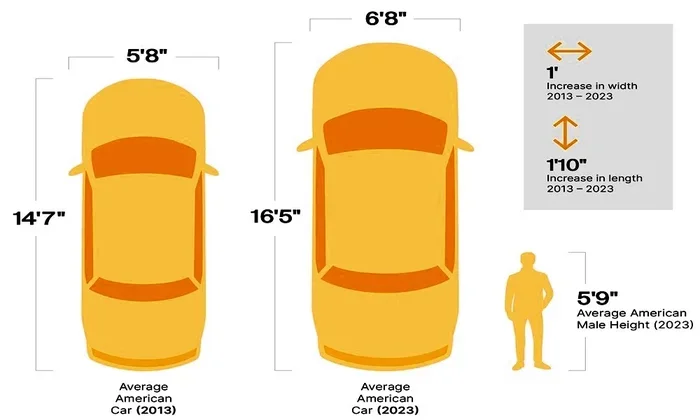
When people talk about the size of a car in feet, they usually mean the vehicle’s length, width, and height. These three measurements define the car footprint and determine how the car fits in real-world spaces like parking spots, garages, and driveways.
But there is more to it than just one number. The length of a car in feet is the most commonly cited measurement, yet width and height play a huge role too. A car might be short in length but wide, which changes how it fits in tight spots. Let us break this down further.
How Car Length Is Measured
The length of a car in feet is measured from the front bumper to the rear bumper. This is the standard way manufacturers and vehicle classification systems define car size. It does not include tow hooks or spare tires that stick out.
Here are the typical car length ranges you will see:
- Compact cars: 14 to 15 feet long
- Mid-size sedans: 15 to 16.5 feet long
- Full-size sedans: 16.5 to 18 feet long
- Compact SUVs: 15.5 to 17 feet long
- Full-size SUVs: 17.5 to 20 feet long
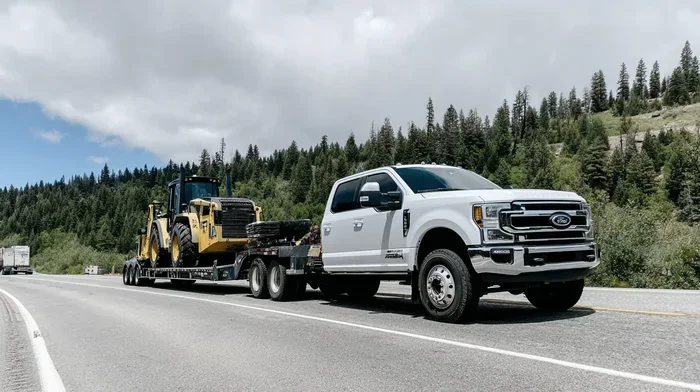
- Pickup trucks: 17 to 22 feet long (depending on bed size)
These numbers give you a solid starting point. Keep in mind that car dimensions can vary slightly between model years and trim levels. Always check the specific specs for the exact vehicle you are interested in.
How Car Width and Height Are Measured
Car width in feet is measured across the widest point of the vehicle, usually excluding mirrors. Most cars fall between 5.5 and 6.5 feet wide. Car height measurements run from the ground to the tallest point on the roof, typically ranging from 4.5 to 6.5 feet depending on the car body style.
Quick Tip: When planning a garage, add at least 6 inches to each side of the car width in feet for easy entry and exit. This small extra space makes a big difference in daily convenience.
Common Car Size Categories and Their Dimensions
Not all cars are the same, and the vehicle classification system helps organize them by size. Each category has a typical range for the length of a car in feet, which affects everything from fuel economy to interior room.
Compact Cars
Compact cars are the smallest common passenger vehicles. They are perfect for city driving and tight parking situations. These vehicles typically measure between 14 and 15 feet in length.
Popular compact models include the Honda Civic, Toyota Corolla, and Mazda3. Their compact car size makes them easy to maneuver and surprisingly fuel-efficient. If you mostly drive in urban areas, a compact car size could be a great fit for your needs.
Mid-Size Cars
Mid-size cars strike a balance between maneuverability and interior space. They usually measure between 15 and 16.5 feet long. Examples include the Honda Accord, Toyota Camry, and Nissan Altima.
These mid size car models offer more room for passengers and trunk space than compacts, without becoming too large for everyday driving. Many families find the mid size car category to be the sweet spot for daily use and weekend road trips.
Full-Size Cars and SUVs
Full-size sedans and SUVs are the giants of the passenger vehicle world. They can stretch from 16.5 feet all the way up to 20 feet or more. Think of vehicles like the Toyota Avalon, Chevrolet Impala, or large SUVs like the Chevrolet Tahoe.
These vehicles offer maximum interior dimensions, spacious cargo space, and a commanding road presence. However, their large vehicle footprint can make parking and navigating narrow streets more challenging.
SUVs and Crossovers
The SUV dimensions category is broad. Small compact SUV size vehicles like the Honda CR-V start around 15.5 feet long, while large full-size SUVs like the Ford Expedition can exceed 19 feet. The rise of crossovers has blurred the line between cars and SUVs, so always check the specific car dimensions before buying.
How to Measure a Car Yourself
You do not need to be a mechanic to measure a car accurately. With a simple tape measure and a flat surface, you can get reliable vehicle measurements in minutes. This skill is handy when you are comparing models or checking if a car fits a specific space.
Tools You Need
Measuring a car does not require fancy equipment. Here is what you will need:
- A flexible measuring tape (at least 25 feet long)
- A notepad or phone for recording numbers
- A helper (optional but helpful for height measurements)
- A flat, level surface for the most accurate results
Step-by-Step Measurement Process
Follow these simple steps to get accurate car dimensions in feet:
- Measure the length: Place the tape at the front bumper and extend it to the rear bumper. Keep the tape straight and level.
- Measure the width: Find the widest point of the car (usually the mirrors folded in). Measure from one side to the other.
- Measure the height: Start from the ground and extend the tape up to the highest point on the roof.
- Measure the wheelbase: This is the distance between the front and rear wheel centers. It affects ride quality and stability.
- Record everything: Write down each measurement in feet and inches for easy comparison later.
Expert Insight: Always measure your car on a flat surface. Even a slight slope can throw off your vehicle measurements by several inches. If you are measuring for a garage, measure the garage too, and compare both sets of numbers side by side.
Why Car Size Matters in Real Life
The size of a car in feet is not just a number on a spec sheet. It directly affects your daily driving experience, parking options, fuel costs, and even insurance rates. Understanding why size matters helps you make a confident choice.
Parking and Garage Fit
One of the most practical reasons to know the length of a car in feet is parking. A standard parallel parking spot in many cities is about 8 feet wide and 20 feet long. A compact car at 14 to 15 feet fits easily, while a full-size SUV at 19 feet can feel tight.
If you have a home garage, knowing your car dimensions is essential. A standard single garage is about 12 feet wide and 20 feet deep. A compact car fits comfortably, but a large truck or SUV might need a two-car garage or a larger single unit.
Fuel Efficiency and Size
Generally, smaller cars use less fuel. The car footprint directly relates to weight and aerodynamic drag. A compact sedan length of 14 to 15 feet will typically get better gas mileage than a full-size vehicle stretching past 18 feet.
That said, modern mid size car models have closed the gap significantly. Advanced engine technology and lightweight materials mean that a mid size car can be both roomy and efficient. It is all about finding the right balance for your driving habits.
Interior Comfort and Cargo Space
Exterior car dimensions do not always tell the full story. Interior dimensions and cargo space can vary widely between vehicles of similar lengths. Two cars that are both 16 feet long might have very different trunk sizes or rear seat room.
If you carry lots of gear, shop for large items, or have a family with bulky car seats, pay close attention to the interior dimensions and cargo space specs. These numbers matter just as much as the vehicle length when it comes to daily usability.
Quick Tips for Comparing Car Sizes
Not sure how to compare car dimensions quickly? Here are some practical tips that save time and confusion:
- Always compare the same category. Do not compare a compact car to a full-size SUV. The car length comparison only makes sense within the same size class.
- Check the wheelbase too. A longer wheelbase usually means a smoother ride and more interior legroom.
- Look at the curb weight. Heavier vehicles need more stopping distance and may use more fuel.
- Visit a dealership. Seeing a car in person gives you a feel for the car footprint that no number can match.
- Use online configurators. Most automakers let you build a car on their website and view exact vehicle measurements before you visit.
Common Mistakes People Make When Thinking About Car Size
Avoiding common errors can save you time, money, and frustration. Here are mistakes to watch out for:
- Guessing instead of measuring. Our eyes can deceive us. A car that looks small from the outside might have a surprising amount of interior volume. Always check the actual car dimensions in feet.
- Ignoring height. Many people focus only on length and width. But car height measurements matter for garage clearance, toll bridges, and parking garages.
- Forgetting about mirrors. Mirrors add several inches to the effective car width in feet. This matters in tight parking spots and narrow streets.
- Overlooking the wheelbase length. The wheelbase affects ride quality, stability, and interior space more than most people realize.
- Assuming all models in a category are the same size. Even within the compact car size category, there can be a full foot of difference between the smallest and largest models.
Common Mistake: Do not rely solely on online photos to judge a car’s size. Photos can be misleading due to angles, lens distortion, and cropping. Always refer to official vehicle measurements from the manufacturer or a trusted source.
Expert Insights on Car Dimensions
We spoke with automotive experts to get their take on why understanding the size of a car in feet matters more than most people think.
Expert Insight: “Many buyers focus on engine power and features while overlooking the basics of car dimensions. But the length of a car in feet determines where it can go, how it parks, and even how safe it is in certain situations. Always factor in the physical size before making a decision.”
Another Expert Perspective: “The car footprint has become a major selling point in recent years. Smaller vehicles are easier to maneuver and park, which is a huge advantage in urban environments. But larger vehicles offer a sense of security and space that some drivers prefer. It really comes down to your lifestyle and where you live.”
The bottom line is that car dimensions are not just technical numbers. They are practical tools that shape your driving experience every single day. Whether you are looking at a compact car size for city commuting or a massive full-size SUV for family adventures, the size of a car in feet should always be part of your decision-making process.
Comparison Table: Car Size Categories at a Glance
| Category | Typical Length (ft) | Typical Width (ft) | Typical Height (ft) | Best For |
|---|---|---|---|---|
| Compact Car | 14 – 15 | 5.5 – 6.0 | 4.5 – 5.0 | City driving, fuel savings |
| Mid-Size Car | 15 – 16.5 | 5.8 – 6.3 | 4.8 – 5.3 | Family commuting, road trips |
| Full-Size Sedan | 16.5 – 18 | 6.0 – 6.5 | 5.0 – 5.5 | Luxury, spacious travel |
| Compact SUV | 15.5 – 17 | 6.0 – 6.5 | 5.5 – 6.0 | Families, light off-roading |
| Full-Size SUV | 17.5 – 20 | 6.3 – 7.0 | 6.0 – 6.8 | Large families, towing |
| Pickup Truck | 17 – 22 | 6.5 – 7.5 | 6.5 – 7.5 | Towing, hauling, off-road |
Use this table as a quick reference when comparing vehicle dimensions. Keep in mind that these are typical ranges, and specific models may fall slightly outside these numbers. Always check the exact specs for the model and year you are considering.
Conclusion
The size of a car in feet is one of the most important yet overlooked factors in the car-buying process. From the length of a car in feet to the car width in feet and car height measurements, every dimension plays a role in how the vehicle fits into your life.
Whether you are drawn to a nimble compact car size, a versatile mid size car, or a spacious full-size SUV, knowing the car dimensions gives you confidence in your choice. You will park better, plan your garage or driveway with ease, and understand exactly what you are buying.
Take the time to measure, compare, and understand vehicle measurements before your next purchase. The size of a car in feet is not just a number. It is a key that unlocks a smarter, more informed car-buying experience. Use the tips and tables in this guide, and you will be well-equipped to find the perfect vehicle for your needs.
Frequently Asked Questions
What is the average size of a car in feet?
The average passenger car is about 14.5 to 16 feet long, depending on the category. Compact cars sit at the shorter end around 14 feet, while full-size models can reach 18 feet or more. The average size of a car in feet depends on whether you are looking at sedans, SUVs, or trucks.
How do I find the exact dimensions of my car?
Check your owner’s manual or the manufacturer’s website for the official specs. You can also measure the car yourself using a tape measure for length, width, and height. These vehicle measurements are usually listed in feet and inches in the spec sheet.
Why does the length of a car in feet matter?
The length of a car in feet affects parking, garage fit, maneuverability, and even fuel efficiency. Shorter cars are easier to park and navigate in tight spaces, while longer cars offer more interior room. Knowing the length helps you plan for real-world driving situations.
What is the standard parking space size in feet?
A standard parallel parking space is typically about 8 feet wide and 20 feet long. A perpendicular parking spot in a parking lot is usually around 9 by 18 feet. These dimensions are important to keep in mind when considering the car footprint of your vehicle.
How wide is a typical car in feet?
Most passenger cars are between 5.5 and 6.5 feet wide, not including mirrors. The car width in feet varies by category, with compact cars on the narrower side and full-size SUVs on the wider side. Always account for mirror width when planning parking or garage space.
Does car size affect fuel economy?
Yes, generally smaller cars get better fuel economy because they weigh less and have a smaller car footprint that creates less aerodynamic drag. However, modern engines and lightweight materials have narrowed the gap between different size categories. A mid size car today can be very fuel-efficient compared to older models.