Can I Add a Hitch to My Toyota RAV4 and Pull Safely
Yes, you can add a hitch to your Toyota RAV4 and tow safely, but it depends on your model year and trim. The RAV4 has a towing capacity ranging from 1,500 to 3,500 pounds depending on the version. In this guide, we walk you through choosing the right hitch, installing it properly, and towing safely without exceeding your RAV4 limits.
Have you been staring at your Toyota RAV4 in the driveway and wondering if you can bolt on a hitch and start towing? Maybe you want to haul a small trailer for a camping trip, or perhaps you need to pull a utility cart for a weekend project. Whatever your reason, the question of whether you can add a hitch to Toyota RAV4 models comes up a lot. The good news is that most RAV4s can handle a hitch installation. But there are important details you need to know before you start. This guide covers everything from hitch types to towing safety so you can make the right call for your vehicle.
Towing with a RAV4 is totally doable when you do it the right way. You need to know your vehicle’s limits, pick the correct hitch equipment, and follow proper installation steps. We have broken this guide into easy-to-follow sections so you can find exactly what you need. Whether you are a first-time tower or a seasoned pro looking for RAV4-specific advice, you will find practical tips here. Let us dive in and get you ready to tow safely.
Key Takeaways
- Hitch Compatibility: Most Toyota RAV4 models can support a Class I or Class II hitch receiver depending on the year and trim.
- Towing Capacity Matters: Your RAV4’s towing limit ranges from 1,500 to 3,500 pounds. Always check your owner’s manual before towing.
- Installation Options: You can install a hitch yourself with basic tools or have a professional handle it for a secure fit.
- Safety First: Proper weight distribution, trailer wiring, and regular checks are essential for safe towing.
- Hybrid Consideration: RAV4 Hybrid owners should verify towing specs, as the hybrid system can affect overall towing performance.
📑 Table of Contents
Understanding the Toyota RAV4 Towing Basics
Before you buy any equipment, you need to understand the fundamentals of RAV4 towing. Every vehicle has a maximum towing capacity, and the RAV4 is no exception. This number tells you the heaviest trailer your RAV4 can safely pull without damaging the engine, transmission, or frame.
What Is Towing Capacity?
Towing capacity is the maximum weight your vehicle can pull behind it. For the Toyota RAV4, this number varies by model year and trim level. Newer RAV4 models generally offer higher towing limits than older ones. Here is a quick breakdown of what you can expect:
- Base RAV4 (2019-2024): Up to 1,500 pounds towing capacity
- RAV4 Hybrid (2020-2024): Up to 1,750 pounds towing capacity
- RAV4 Prime Plug-In Hybrid: Up to 2,500 pounds towing capacity
These numbers are estimates. Always check your specific owner’s manual or the sticker inside your driver’s door jamb for the exact figure. Exceeding your towing capacity can lead to engine strain, brake failure, or dangerous handling on the road.
How Do You Find Your RAV4’s Towing Specs?
The easiest way to find your RAV4’s towing specs is to check the owner’s manual. Look for the section on towing or trailering. You can also visit the Toyota website and enter your RAV4’s year and trim. If you buy a used RAV4, you can check a car’s history to verify the original equipment and any towing packages that came with the vehicle.
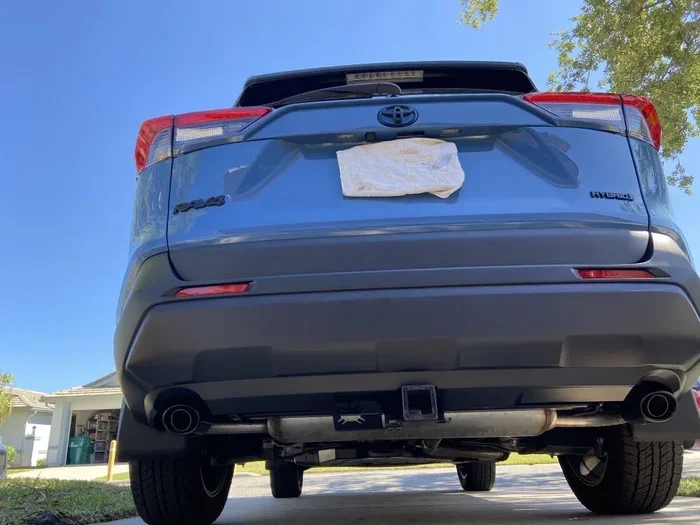
Another helpful step is to look for a hitch receiver already installed. Some RAV4 trims come with a factory tow hitch prep package. If your RAV4 has the pre-wired harness and receiver tube, adding a hitch becomes much easier. You can also visit a Toyota dealer to confirm your vehicle’s towing specifications.
Types of Hitches Compatible with the RAV4
Not all hitches are the same. When you decide to add a hitch to your Toyota RAV4, you have several options. The right choice depends on what you plan to tow and how often you will use it.
Class I Hitch Receiver
A Class I hitch is the lightest-duty option. It typically supports up to 2,000 pounds of gross trailer weight. This is the most common hitch for RAV4 owners who want to pull small trailers, bike racks, or cargo carriers. The Class I hitch is compact and easy to install. It bolts onto the rear bumper or frame without major modifications.
If you plan to tow a small utility trailer, a motorcycle carrier, or a roof cargo box, a Class I hitch will work perfectly. It is affordable and widely available at auto parts stores and online retailers.
Class II Hitch Receiver
A Class II hitch handles slightly heavier loads, usually up to 3,500 pounds. This is a good option if you want to tow a larger camping trailer or a small boat. The RAV4 Prime, with its higher towing capacity, pairs well with a Class II hitch. However, you still need to stay within your vehicle’s rated limits.
Class II hitches are a bit bulkier than Class I units. They may slightly affect fuel economy due to added weight and wind resistance. But for occasional towing, the difference is minimal.
Weight Distribution Hitches
If you plan to tow heavier loads regularly, consider a weight distribution hitch. This type of hitch uses spring bars to spread the trailer weight more evenly across all axles. It helps prevent the rear of your RAV4 from sagging under load. A weight distribution system also improves steering control and braking performance.
Keep in mind that a weight distribution hitch adds complexity and cost. It is best for owners who tow frequently or carry heavy loads. For most RAV4 users, a standard Class I or Class II hitch is sufficient.
Drawbar and Cargo Carriers
For lighter-duty needs, a simple drawbar or cargo carrier may be all you need. These attach directly to the hitch receiver and are great for hauling bikes, skis, or extra luggage. They do not provide towing capability on their own but are excellent accessories for RAV4 owners who love outdoor adventures.
| Hitch Type | Max Towing Weight | Best For | Price Range |
|---|---|---|---|
| Class I Receiver | 2,000 lbs | Bike racks, small cargo carriers | $100 – $250 |
| Class II Receiver | 3,500 lbs | Small trailers, boats | $200 – $500 |
| Weight Distribution | 3,500 – 5,000 lbs | Heavy trailers, frequent towing | $300 – $700 |
| Drawbar / Cargo Carrier | N/A (no towing) | Bikes, skis, luggage | $50 – $200 |
Step-by-Step Hitch Installation Guide
Installing a hitch on your RAV4 is a project most DIYers can handle over a weekend. You do not need advanced mechanical skills, just the right tools and a little patience. Here is how to do it step by step.
What Tools Do You Need?
Before you start, gather these tools and materials:
- Hitch receiver (Class I or Class II)
- Hitch ball and mount
- Hitch pin and clip
- Socket wrench set
- Torque wrench
- Wire brush and penetrating oil
- Trailer wiring harness (if needed)
Installation Steps
Step 1: Prepare the Vehicle. Park your RAV4 on a flat, level surface. Engage the parking brake and turn off the engine. Lift the rear of the vehicle with a jack and secure it on jack stands if you need better access to the undercarriage.
Step 2: Remove the Rear Bumper Trim. Depending on your RAV4 model, you may need to remove some bumper trim pieces to access the mounting points. Use a trim removal tool or a flathead screwdriver to gently pry off the clips. Set all clips and screws aside in a safe place.
Step 3: Position the Hitch Mount. Hold the hitch receiver up to the rear frame or bumper mounting points. Line up the bolt holes carefully. You may need to drill new holes if your RAV4 does not have factory pre-drill points. Use a marker to mark the drill locations.
Step 4: Drill and Bolt. Drill the marked holes using the appropriate drill bit. Clean the holes with a wire brush to remove metal shavings. Align the hitch mount and insert the bolts. Hand-tighten all bolts first, then use a torque wrench to tighten them to the manufacturer’s specifications.
Step 5: Attach the Hitch Ball. Mount the hitch ball to the receiver tube. Secure it with the hitch pin and clip. Make sure the ball is tight and does not wobble.
Step 6: Install Trailer Wiring. Connect the trailer wiring harness to your RAV4’s electrical system. This ensures your trailer lights and brake signals work properly. Test all lights before you hit the road.
Step 7: Test the Hitch. Before towing a heavy load, do a test run with a light trailer or just the weight of the hitch ball. Check for any rattles, loose bolts, or unusual vibrations. Tighten anything that needs attention.
If you are not comfortable doing this yourself, a local mechanic or auto shop can install the hitch for you. Many tire and auto service centers offer hitch installation for a flat fee. It is a worthwhile investment if you want peace of mind.
Towing Safety Tips for RAV4 Owners
Towing safely with your RAV4 requires more than just hooking up a trailer. You need to understand weight limits, driving adjustments, and regular maintenance checks. Here are the most important safety tips every RAV4 tower should follow.
Know Your Tongue Weight
Tongue weight is the downward force the trailer puts on the hitch ball. As a general rule, tongue weight should be about 10 to 15 percent of the total trailer weight. Too much tongue weight can make your RAV4 sag at the rear and reduce steering control. Too little tongue weight can cause the trailer to sway dangerously.
Invest in a tongue weight scale. They are inexpensive and available at most auto parts stores. Weigh your loaded trailer before every trip to make sure the tongue weight is within a safe range.
Check Your Tire Pressure
Proper tire pressure is critical when towing. The added weight of a trailer puts extra stress on your RAV4’s tires. Check tire pressure before every towing trip and inflate to the recommended PSI listed on the driver’s door jamb. Underinflated tires can overheat, leading to blowouts and dangerous situations on the highway.
Use the Right Trailer Brakes
If your trailer weighs more than 1,000 pounds, consider installing a trailer brake controller. This device applies the trailer’s brakes in sync with your RAV4’s brakes. It dramatically improves stopping power and reduces wear on your vehicle’s brake system. Some states require trailer brakes for loads above a certain weight, so check your local regulations.
Drive Defensively
Towing changes how your RAV4 handles on the road. You will need more stopping distance, wider turning radii, and extra caution on hills and curves. Accelerate gently and brake early. Avoid sudden lane changes and always use your mirrors to monitor the trailer.
If you are new to towing, practice in an empty parking lot before hitting the open road. Get a feel for how your RAV4 responds with a trailer attached. This simple step can boost your confidence and keep you safe.
Maintain Your Towing Equipment
Inspect your hitch, ball mount, and wiring harness regularly. Look for rust, loose bolts, or worn pins. Replace any damaged parts immediately. A quick 5-minute check before each trip can prevent accidents and costly repairs. Also, make sure your RAV4’s engine oil and transmission fluid are in good condition, as towing puts extra strain on these systems.
Common Mistakes to Avoid When Towing with a RAV4
Even experienced towers make mistakes. Here are the most common errors RAV4 owners make when towing, and how to avoid them.
Overloading the Trailer
This is the number one mistake. It is tempting to load up your trailer to the max, but exceeding your RAV4’s towing capacity is dangerous. Overloaded trailers cause engine overheating, transmission damage, and brake failure. Always weigh your cargo and compare it to your vehicle’s rated capacity.
Skipping the Weight Distribution
If your trailer is heavy, do not skip the weight distribution setup. An improperly balanced trailer can cause your RAV4 to fishtail or become hard to steer. A weight distribution hitch solves this problem and makes towing much safer and more comfortable.
Ignoring Trailer Wiring
Never tow a trailer without functioning lights. If your trailer brake lights, turn signals, or running lights are not connected, you are a danger to yourself and everyone else on the road. Always test the wiring harness before every trip.
Forgetting to Check the Hitch Pin
It sounds simple, but forgetting to secure the hitch pin is a surprisingly common mistake. Always double-check that the hitch pin and clip are in place before you pull away. A detached trailer on the highway is a serious safety hazard.
Not Accounting for Wind Resistance
Towing a trailer increases wind resistance significantly. This can reduce your RAV4’s fuel economy by 20 to 40 percent depending on the trailer size and weight. Plan your trips accordingly and budget for extra fuel costs. If you notice your RAV4 struggling on windy days, slow down and pull over if conditions become unsafe.
Is Towing with a RAV4 Worth It?
The answer depends on your needs and how often you plan to tow. The Toyota RAV4 is a versatile SUV that handles light to moderate towing well. It is not a heavy-duty truck, but for most families and weekend adventurers, it is more than capable.
Adding a hitch to your RAV4 opens up a world of possibilities. You can tow a small camper for weekend getaways, haul a utility trailer for home projects, or carry a bike rack for outdoor excursions. The RAV4 towing experience is smooth and manageable when you stay within the recommended limits.
If you find that your towing needs exceed what the RAV4 can handle, it may be worth looking at larger vehicles. You can add towing capacity to a truck if you switch to a pickup or full-size SUV. But for most RAV4 owners, the stock towing capacity is more than enough for everyday needs.
One thing to keep in mind is resale value. Adding a hitch can actually increase your RAV4’s appeal to buyers who need towing capability. Just make sure any modifications are done properly and do not void your warranty. If you are buying a used RAV4, always verify the vehicle’s history and any previous towing setup before purchasing.
Ultimately, towing with a RAV4 is a practical and rewarding experience when done correctly. Follow the guidelines in this article, invest in quality equipment, and prioritize safety. Your RAV4 will serve you well on the road and on the trail.
Frequently Asked Questions
Can I tow a trailer with a RAV4 Hybrid?
Yes, you can tow with a RAV4 Hybrid, but the towing capacity is slightly lower than the gas-only model. Most RAV4 Hybrids can tow up to 1,750 pounds when properly equipped with a Class I or Class II hitch. Always verify your specific model’s towing limits in the owner’s manual before towing.
Do I need a special hitch for a Toyota RAV4?
You do not need a special hitch, but you should choose one rated for your RAV4’s towing capacity. A Class I or Class II hitch receiver is the standard choice for most RAV4 models. Make sure the hitch is compatible with your specific year and trim for a proper fit.
Can I install a hitch on my RAV4 myself?
Yes, many RAV4 owners install a hitch themselves with basic tools and a weekend of time. The process involves removing rear trim, drilling mounting holes, and bolting the hitch to the frame. If you are not comfortable with DIY installation, a professional mechanic can complete the job quickly and safely.
Will adding a hitch void my RAV4 warranty?
Generally, adding a hitch does not void your warranty as long as it is installed correctly and does not cause damage. However, if a problem arises that is directly linked to the hitch installation, Toyota may deny the related warranty claim. To be safe, have the hitch installed by a certified professional or follow the manufacturer’s instructions carefully.
What is the maximum tongue weight for a RAV4?
The maximum tongue weight for a RAV4 depends on its towing capacity. As a rule of thumb, tongue weight should be 10 to 15 percent of the total trailer weight. For a RAV4 towing 1,500 pounds, the tongue weight should be between 150 and 225 pounds. Always check your owner’s manual for the exact specifications.
Can I use my RAV4 for boondocking with a travel trailer?
Yes, you can boondock with a small travel trailer if your RAV4 is properly equipped with a hitch and your trailer is within the weight limits. The RAV4 Hybrid and Prime models offer decent towing capability for lightweight travel trailers. Just make sure you have proper trailer wiring and weight distribution before heading out.