Average Life of a Toyota Sequoia How Long Does It Last
The average life of a Toyota Sequoia ranges from 200,000 to 300,000 miles when properly maintained. With regular Toyota Sequoia maintenance and quality parts, this full-size SUV can easily serve a family for 15 to 20 years. Toyota Sequoia longevity depends on driving habits, maintenance schedule, and how well you address small issues before they grow.
The average life of a Toyota Sequoia is something every owner or buyer should understand. This full-size SUV has earned a reputation for toughness and reliability. Many families count on their Sequoias to handle road trips, towing, and daily commutes for well over a decade. But how long can you really expect one to last? The answer depends on several factors that we will break down in this article.
Whether you are buying a used Sequoia or already own one, knowing what to expect helps you plan ahead. Toyota Sequoia longevity is not just about the mileage number. It also involves how well you maintain the vehicle, the driving conditions you face, and the model year you own. A Sequoia that has been cared for can easily outlive one that has been neglected. In this guide, we will cover everything from engine life to common problems, maintenance schedules, and tips to squeeze every last mile out of your truck.
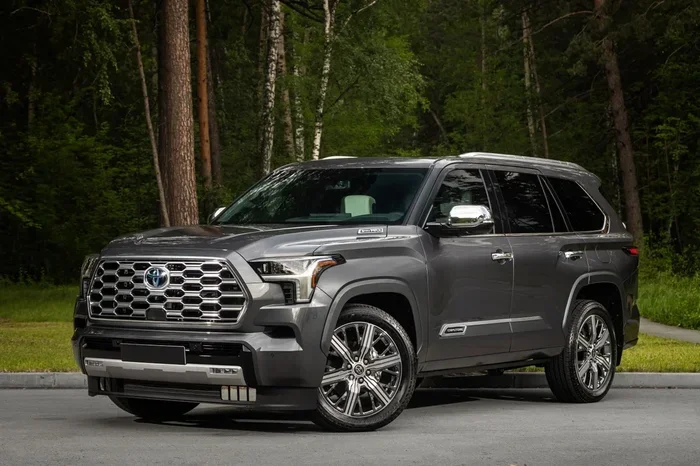
The Toyota Sequoia has been around since 2000, and each generation has brought improvements. The first generation ran from 2000 to 2007, followed by the second generation from 2008 to 2022. The latest generation arrived in 2023 with a new twin-turbo V6 engine replacing the old V8. Despite these changes, the core identity of the Sequoia remains the same: a durable, capable, and spacious SUV built to last. Let us dive into the details of what you can expect from your Sequoia over the years.
Key Takeaways
- Lifespan: A well-maintained Toyota Sequoia can last 200,000 to 300,000 miles or 15 to 20 years.
- Engine Reliability: The 5.7L V8 engine is known for durability and can reach high mileage with proper care.
- Maintenance Matters: Regular oil changes, fluid flushes, and timely repairs significantly extend the Toyota Sequoia lifespan.
- Common Issues: Being aware of Toyota Sequoia common problems helps you address them early and avoid costly repairs.
- Resale Value: Toyota Sequoias hold their value well, making them a smart long-term investment.
- Driving Habits: Gentle driving and avoiding extreme conditions can add years to your Sequoia’s life.
📑 Table of Contents
- How Long Does a Toyota Sequoia Last?
- Toyota Sequoia Maintenance Schedule
- Common Toyota Sequoia Problems to Watch For
- Toyota Sequoia Reliability and Resale Value
- Tips to Extend the Life of Your Toyota Sequoia
- Toyota Sequoia Model Generations Compared
- Final Thoughts on the Average Life of a Toyota Sequoia
How Long Does a Toyota Sequoia Last?
The Toyota Sequoia lifespan is impressive by most standards. Most experts agree that a well-maintained Sequoia can last between 200,000 and 300,000 miles. Some owners have even pushed their Sequoias past the 300,000-mile mark with consistent care. At an average of 15,000 miles per year, that means your Sequoia could serve you for 13 to 20 years or more.
Several factors influence how long your specific Sequoia will last. Let us look at the most important ones.
Engine Life and Durability
The heart of any vehicle is its engine, and the Toyota Sequoia has a strong one. The older models came with a 4.7L V8 and later a 5.7L V8. These engines are known for their durability. The 5.7L V8, in particular, is a powerhouse that can handle heavy towing and high mileage. The newer 2023 and 2024 models use a 3.4L twin-turbo V6, which Toyota designed with modern efficiency and longevity in mind.
Engine life depends heavily on maintenance. Regular oil changes are the single most important thing you can do. Using the right oil grade and changing it every 5,000 to 7,500 miles keeps the engine running smoothly. The timing chain lifespan is another factor to consider. A timing chain can last the life of the engine if you keep up with maintenance. However, neglecting oil changes can cause premature wear on the chain and other internal components.
Here are some tips to protect your Sequoia engine:
- Change the oil every 5,000 to 7,500 miles
- Use Toyota-recommended synthetic oil
- Replace the oil filter with every oil change
- Check for oil leaks regularly
- Listen for unusual noises and address them immediately
Toyota Sequoia Maintenance Schedule
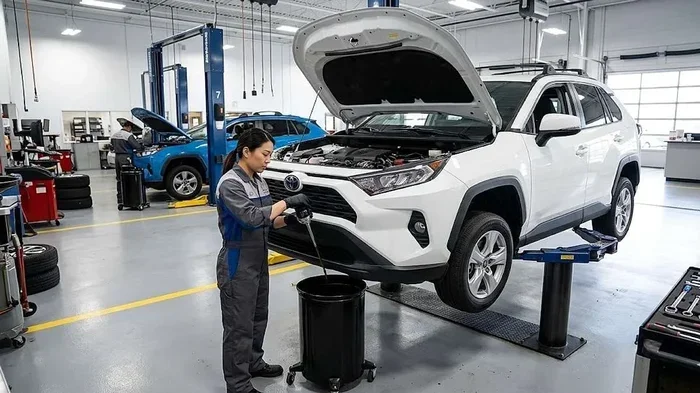
Regular maintenance is the backbone of Toyota Sequoia longevity. Toyota designed the Sequoia to be relatively low-maintenance, but skipping services will catch up with you. Following the recommended maintenance schedule keeps your SUV running strong and can prevent expensive repairs down the road.
Essential Maintenance Tasks
Here is a breakdown of key maintenance tasks and how often they should be done:
- Oil and Filter Change: Every 5,000 to 7,500 miles or 6 months
- Tire Rotation: Every 5,000 to 7,500 miles
- Brake Inspection: Every 15,000 miles or annually
- Transmission Fluid Change: Every 60,000 to 100,000 miles
- Coolant Flush: Every 60,000 miles
- Spark Plug Replacement: Every 30,000 to 60,000 miles
- Drive Belt Inspection: Every 15,000 miles
One part that often gets overlooked is the serpentine belt. This belt drives multiple accessories in your engine, including the alternator, power steering pump, and air conditioning compressor. A worn serpentine belt can cause serious problems if it breaks while driving. Regular serpentine belt replacement at around 60,000 to 100,000 miles can save you from unexpected breakdowns. Do not wait for it to show signs of cracking or fraying. Stay ahead of it with proactive replacements.
Another important aspect of maintenance is keeping up with fluid changes. Transmission fluid, brake fluid, and coolant all degrade over time. Fresh fluids keep systems working properly and prevent internal wear. Think of it like drinking clean water instead of stale water. Your vehicle systems work better when they are clean and properly lubricated.
Common Toyota Sequoia Problems to Watch For
Every vehicle has its quirks, and the Toyota Sequoia is no exception. Knowing the Toyota Sequoia common problems helps you catch issues early before they become expensive repairs. Most Sequoia problems are minor when caught early and can be fixed without breaking the bank.
Issues by Generation
The first generation Sequoias (2001 to 2007) are known for a few specific issues. Some owners report problems with the rear axle seal leaking. This is not a catastrophic issue, but it does need attention. The second generation (2008 to 2022) saw fewer complaints overall. However, some owners have noted issues with the brake booster and occasional transmission hesitation.
The newest generation (2023 and beyond) is still relatively new, so long-term issues are not yet fully known. Early reports suggest the twin-turbo V6 is performing well, but time will tell how these engines age.
Engine and Drivetrain Concerns
If you notice a rough idle or a feeling of power loss, do not ignore it. These can be signs of a misfire. Driving with a misfire can cause additional damage to your catalytic converter and other engine components. A misfire can be caused by worn spark plugs, faulty ignition coils, or fuel injector problems. All of these are relatively affordable to fix when caught early.
Here are some common signs that something needs attention:
- Check engine light staying on
- Unusual vibrations while idling
- Decreased fuel economy
- Strange noises from the engine bay
- Difficulty shifting gears
- Fluid leaks under the vehicle
The good news is that Toyota parts are widely available and affordable compared to many luxury brands. This makes repairs more manageable and helps keep the Toyota Sequoia lifespan on track.
Toyota Sequoia Reliability and Resale Value
One of the biggest reasons people buy a Toyota Sequoia is its reputation for reliability. Toyota consistently ranks near the top of reliability surveys. The Sequoia benefits from this brand trust. When you buy a Sequoia, you are getting a vehicle that was designed with long-term durability in mind.
Toyota Sequoia reliability also means that used Sequoias hold their value well. A five-year-old Sequoia with 75,000 miles can still command a strong price on the used market. This is partly because buyers trust the Toyota name and partly because the Sequoia is a large, capable SUV that remains in high demand.
Factors That Affect Resale Value
Several factors influence how well your Sequoia holds its value over time:
- Maintenance History: A full service record inspires confidence in buyers
- Condition: Well-preserved interiors and exteriors fetch higher prices
- Mileage: Lower mileage always helps, but a high-mileage Sequoia with great maintenance records still sells well
- Trim Level: Higher trims like the Platinum and 1794 Edition tend to hold value better
- Model Year: Newer generations with updated features attract more buyers
If you are thinking about check a car’s history before buying a used Sequoia, you are already making a smart move. A vehicle history report can reveal accident records, service history, and ownership changes. This information helps you make an informed decision and avoid hidden problems.
Tips to Extend the Life of Your Toyota Sequoia
Want to push your Sequoia past the 300,000-mile mark? It is possible with the right approach. Many long-distance Sequoia owners share common habits that keep their vehicles running strong for decades. Here are some practical tips to help you get the most out of your SUV.
Follow the Maintenance Schedule Strictly
This might sound obvious, but it is the most important tip. Do not skip oil changes, fluid flushes, or inspections. Even if your Sequoia looks and feels fine, internal components wear over time. Preventive maintenance catches small issues before they become big problems. Set reminders on your phone or keep a maintenance log in your glove box.
Drive Gently and Consistently
Hard driving takes a toll on any vehicle. Rapid acceleration, hard braking, and aggressive cornering wear out brakes, tires, and engine components faster. Try to drive smoothly and give yourself plenty of stopping distance. Your Sequoia will thank you with extra miles and fewer repairs.
Address Issues Immediately
Do not ignore warning lights or unusual sounds. A small noise today can become a major repair next month. If something feels off, get it checked out. Early intervention is always cheaper than late-stage repairs. This applies to everything from brake squeaks to coolant leaks.
Keep It Clean
This includes both the exterior and the undercarriage. Road salt, dirt, and debris can cause rust and corrosion over time. Washing your Sequoia regularly and applying a quality wax protects the paint and body. In winter months, consider a professional undercarriage wash to remove salt buildup.
Use Quality Parts and Fluids
Cheap parts might save money upfront, but they often wear out faster and can cause additional problems. Stick with OEM Toyota parts or high-quality aftermarket alternatives. Use the recommended fluids, including the correct oil grade and type of coolant. Your engine and other systems are designed to work with specific formulations.
Store It Properly
If you have a second Sequoia or need to store one for an extended period, take precautions. Keep it in a dry, covered area. Use a battery tender to prevent the battery from dying. Inflate tires to the proper pressure before storage. A well-stored vehicle ages much better than one left exposed to the elements.
Toyota Sequoia Model Generations Compared
Understanding the different generations of the Sequoia helps you make informed buying decisions. Each generation has its strengths and weaknesses.
First Generation (2001 to 2007)
The original Sequoia was based on the Toyota Tundra pickup truck platform. It came with a 4.7L V8 engine that produced 245 horsepower. This generation established the Sequoia as a reliable family hauler. Common issues include rear axle seal leaks and some electrical gremlins. However, these trucks are simple and easy to work on.
Second Generation (2008 to 2022)
The second generation brought a bigger 5.7L V8 with 381 horsepower. It also received a more refined interior and improved safety features. This is the most popular generation and has the largest used market. The 5.7L V8 is a proven performer that handles towing and hauling with ease. Most Toyota Sequoia common problems in this generation are minor and well-documented.
Third Generation (2023 and Beyond)
The latest Sequoia switched to a twin-turbo V6 engine, dropping the V8 in favor of modern efficiency. It now offers a hybrid powertrain option and a completely redesigned interior. The 2023 model is still too new to have long-term reliability data, but Toyota’s engineering track record inspires confidence.
Final Thoughts on the Average Life of a Toyota Sequoia
The average life of a Toyota Sequoia is a testament to Toyota’s engineering and build quality. With proper care, your Sequoia can easily last 200,000 to 300,000 miles or more. This is a vehicle that can handle heavy use, long road trips, and years of daily driving without breaking down frequently.
The key to maximizing your Sequoia’s lifespan comes down to three things: consistent maintenance, gentle driving, and prompt attention to any issues. Follow the maintenance schedule, use quality parts, and do not ignore warning signs. A Sequoia that has been well cared for is one of the most dependable large SUVs on the road today.
Whether you are buying your first Sequoia or have been loyal to the brand for years, understanding what affects vehicle longevity puts you in control. You can make decisions that add years to your truck and save money on repairs. The Toyota Sequoia is built to last, and with your help, it will exceed expectations.
Take pride in your vehicle. Keep up with the maintenance, drive with care, and enjoy the many miles of reliable service your Sequoia has to offer. A long life for your truck is not just possible, it is practically guaranteed when you put in the effort.
Frequently Asked Questions
What is the average lifespan of a Toyota Sequoia?
A well-maintained Toyota Sequoia can last between 200,000 and 300,000 miles, which translates to about 15 to 20 years of driving. Some owners have pushed their Sequoias past the 300,000-mile mark with consistent care and attention to maintenance.
Is the Toyota Sequoia a reliable vehicle?
Yes, the Toyota Sequoia is widely regarded as one of the most reliable full-size SUVs on the market. Toyota’s reputation for durability and the Sequoia’s robust V8 engine contribute to its strong reliability ratings over the years.
What are the most common problems with the Toyota Sequoia?
Common issues include rear axle seal leaks in older models, brake booster concerns, and occasional transmission hesitation. Most of these problems are minor when caught early and are relatively affordable to fix.
How often should I change the oil in my Toyota Sequoia?
Toyota recommends changing the oil every 5,000 to 7,500 miles or every 6 months, whichever comes first. Using synthetic oil and the correct grade helps protect the engine and supports long-term Toyota Sequoia longevity.
Can a Toyota Sequoia last 300,000 miles?
Yes, many Sequoia owners have reported their vehicles lasting beyond 300,000 miles. This is achievable with strict adherence to the maintenance schedule, gentle driving habits, and prompt attention to any mechanical issues that arise.
Does the Toyota Sequoia hold its resale value well?
Absolutely. Toyota Sequoias hold their value better than most competitors in the full-size SUV segment. A well-maintained Sequoia with a clean history report will attract strong interest in the used market and command a fair price.