Can I Drive a Highlander With the VSC Light On Safely
Driving a Toyota Highlander with the VSC light on is possible in most cases, but it depends on what triggered the warning. The VSC system helps keep your vehicle stable, and ignoring the light could reduce safety features. This guide explains what causes the VSC light, whether it is safe to keep driving, and how to fix the problem quickly.
If you are behind the wheel of a Toyota Highlander and suddenly notice the VSC light glowing on your dashboard, your first thought is probably, “Can I drive a Highlander with the VSC light on?” The short answer is yes, in most situations. But the longer answer comes with some important caveats that every Highlander owner should understand.
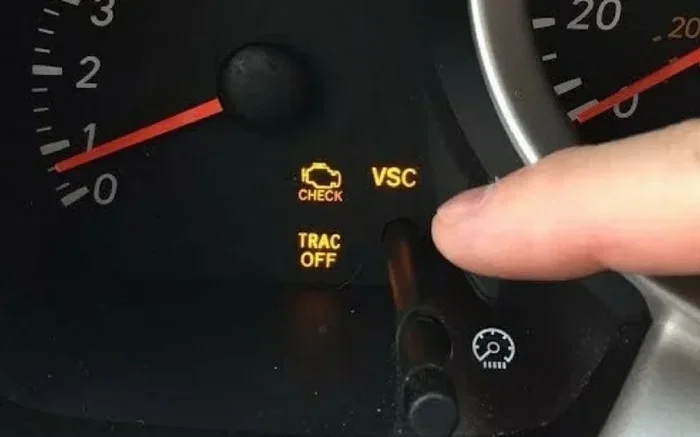
The VSC light, which stands for Vehicle Stability Control, is part of Toyota’s safety system designed to help you maintain control during slippery or emergency driving. When this light comes on, it means the system has been deactivated or has detected a problem. Driving with the VSC light on is not always dangerous, but it does mean you are missing a layer of protection that Toyota engineered into your vehicle.
This article breaks down everything you need to know about the VSC light on a Toyota Highlander. We will cover what the light means, common causes, whether it is safe to keep driving, and how to resolve the issue. Whether you drive a gas-only Highlander or a hybrid Highlander, this guide applies to you.
Key Takeaways
- You can usually drive short distances with the VSC light on, but proceed with caution and get it checked soon.
- The VSC light often appears alongside the TRAC off light, since both systems share components like the wheel speed sensors.
- Common causes include a faulty wheel speed sensor, low brake fluid, or a bad ABS module, all of which are fixable.
- Driving without VSC in wet or icy conditions is risky because the system helps prevent skidding and loss of control.
- Resetting the VSC light is simple in many cases, but recurring lights point to an underlying issue that needs professional attention.
- The fix cost varies widely from under $100 for a sensor replacement to several hundred dollars for ABS module repairs.
📑 Table of Contents
- What Does the VSC Light Mean on a Toyota Highlander?
- Can I Drive a Highlander With the VSC Light On?
- Common Causes of the VSC Light on a Toyota Highlander
- How to Fix the VSC Light on Your Highlander
- Cost to Repair VSC Light Issues on a Toyota Highlander
- Preventing the VSC Light From Coming On
- Expert Insights on VSC Light Issues
- Key Takeaways
- Conclusion
What Does the VSC Light Mean on a Toyota Highlander?
The VSC light looks like a car icon with squiggly lines underneath it. On some Toyota models, you may also see the letters “VSC” or “TRAC” illuminated. These lights are connected because the stability control system and the traction control system work together to keep your Highlander stable on the road.
How the VSC System Works in a Toyota Highlander
Toyota’s Vehicle Stability Control system uses sensors to monitor your steering angle, wheel speed, and yaw rate. If the system detects that the car is sliding or losing traction, it automatically applies the brakes to individual wheels and reduces engine power. This helps you stay on course during sharp turns or on wet roads.
The system relies on several components working together:
- Wheel speed sensors that monitor how fast each wheel is spinning
- The ABS module which controls brake pressure
- The steering angle sensor that reads your steering input
- The yaw rate sensor that detects rotation of the vehicle
When any of these components fail or send incorrect data, the VSC light turns on to alert you. Think of it as your Highlander telling you, “Hey, my safety system needs attention.”
VSC Light vs. TRAC Light: What Is the Difference?
Many drivers confuse the VSC light with the TRAC off light, and it is easy to see why. Both lights relate to stability and traction, but they are not exactly the same. The TRAC system focuses on preventing wheel spin during acceleration, while VSC focuses on overall vehicle stability during turns and slides.
Often, when one light comes on, the other follows. For example, if a wheel speed sensor fails, both the VSC and TRAC systems may shut down. If you see the TRAC off light alongside the VSC light, you are dealing with a shared component issue. You can read more about driving with the TRAC off light in our related guide.
Can I Drive a Highlander With the VSC Light On?
This is the question most Highlander owners want answered, and the answer is nuanced. In most cases, you can still drive the vehicle, but you need to adjust your driving style and understand the risks involved.
Short-Distance Driving: Is It Safe?
If the VSC light comes on while you are driving and the vehicle feels normal, you can typically drive to a safe location or your nearest mechanic. Short-distance driving with the VSC light on is generally okay, especially on dry, straight roads where stability control is less critical.
However, you should avoid highway driving or long trips until the issue is resolved. The VSC system is one of your best defenses during unexpected situations, and driving without it increases your risk of losing control.
When You Should Stop Driving Immediately
There are certain situations where you should pull over and not continue driving with the VSC light on:
- The VSC light comes on alongside the check engine light
- You notice the brake warning light is also illuminated
- The vehicle pulls to one side or feels unstable
- You hear unusual noises from the braking system
- You are driving in rain, snow, or icy conditions
If any of these happen, find a safe place to stop. Continuing to drive could put you and others at risk. In these cases, calling a tow truck is the smart move.
Driving Without VSC in Different Weather Conditions
The VSC system is most valuable during adverse weather. On wet roads, the system can prevent hydroplaning by adjusting brake force to individual wheels. On icy roads, it helps maintain traction during acceleration and cornering. Without VSC active, your Highlander still has normal brakes and steering, but it lacks the electronic assistance that keeps it stable.
This is similar to driving without steering assist, where you still have control but it takes more effort and the system cannot intervene if you lose grip. If you must drive in bad weather with the VSC light on, reduce your speed significantly and increase your following distance.
Common Causes of the VSC Light on a Toyota Highlander
Understanding what triggers the VSC light helps you decide how urgent the issue is. Here are the most common reasons the VSC light comes on in a Toyota Highlander.
Faulty Wheel Speed Sensor
The wheel speed sensor is the most frequent culprit behind a VSC light. Each wheel has a sensor that monitors its rotational speed. When a sensor gets dirty, damaged, or fails electrically, it sends incorrect data to the stability control computer, causing the VSC light to illuminate.
Wheel speed sensors are relatively inexpensive to replace, typically costing between $100 and $200 per sensor including labor. The good news is that replacing one usually resolves both the VSC and TRAC lights if they are both on.
Low Brake Fluid Level
The VSC system depends on the brake system to apply individual wheel brakes. If your brake fluid level drops below the minimum mark, the system may shut down and trigger the VSC light. Low brake fluid can indicate worn brake pads or a leak in the system.
Check your brake fluid reservoir under the hood. If the level is low, top it off with the correct DOT fluid for your Highlander model year. Then watch the light — if it stays on, there may be a deeper issue that needs attention.
Bad ABS Control Module
The ABS module is the brain behind both the anti-lock braking system and the VSC system. When this module fails or develops a software error, the VSC light comes on. ABS module issues are more serious and can cost between $300 and $800 to repair, depending on whether you need a replacement or a reprogramming.
Steering Angle Sensor Calibration Issues
After a steering wheel replacement or alignment, the steering angle sensor may need recalibration. If it is out of range, the VSC system will disable itself and the light will appear. This is a common issue after tire rotations or suspension work.
A Toyota dealer or qualified mechanic can recalibrate the sensor using a diagnostic tool in just a few minutes. This is one of the simpler fixes and usually does not cost much.
Electrical or Wiring Problems
Sometimes the issue is not a sensor or module but a simple wiring problem. Corroded connectors, damaged wires, or a blown fuse can interrupt the communication between VSC components and the car’s computer. Electrical issues can be tricky to diagnose but are usually straightforward to repair once found.
How to Fix the VSC Light on Your Highlander
Fixing the VSC light starts with identifying the root cause. Here is a step-by-step approach you can follow.
Step 1: Check for Other Warning Lights
Before doing anything else, look at your entire dashboard. Are there other lights on? If the VSC light appears with the check engine light, the problem is likely sensor-related. If the brake light is also on, check your brake fluid level first.
You can also use an OBD-II scanner to read any stored trouble codes. These codes give you a starting point for diagnosis. Many auto parts stores will read codes for free.
Step 2: Inspect Wheel Speed Sensors
Look at the wheel speed sensors for visible damage or excessive dirt. Cleaning a sensor with brake cleaner can sometimes resolve the issue if it is just covered in road grime. If the sensor is physically damaged, replacement is the way to go.
Step 3: Reset the VSC System
After addressing the root cause, you can try resetting the VSC light. Here is how:
- Turn off the engine and wait 30 seconds
- Press and hold the VSC off button (usually near the steering column)
- While holding the button, turn the ignition to ON
- Wait 10 seconds, then release the button
- Start the engine and check if the light is off
If the light returns after resetting, the underlying problem has not been fully resolved. You need to dig deeper into the diagnosis.
Step 4: Visit a Professional Mechanic
If the light persists after your troubleshooting, it is time to see a professional. A Toyota dealership or a trusted mechanic can run a full diagnostic scan and pinpoint the exact cause. Do not ignore a VSC light that keeps coming back — it signals a persistent problem that will not fix itself.
Cost to Repair VSC Light Issues on a Toyota Highlander
The repair cost for VSC light issues varies depending on the cause. Here is a general breakdown:
- Wheel speed sensor replacement: $100 to $250
- Brake fluid top-off: $20 to $50 (DIY) or $50 to $100 at a shop
- Steering angle sensor recalibration: $50 to $150
- ABS module repair or replacement: $300 to $800
- Wiring repair: $100 to $400 depending on complexity
These costs are approximate and can vary by location and model year. The 2008 through 2023 Toyota Highlander models share many of the same VSC components, so parts are widely available and reasonably priced.
Preventing the VSC Light From Coming On
Regular maintenance is your best defense against VSC light issues. Here are some tips to keep the system working properly:
- Keep up with brake maintenance. Replace brake fluid every 2 years and check brake pads during routine services
- Clean wheel speed sensors during tire rotations
- Address warning lights promptly. Do not ignore dashboard lights, even if the car seems to drive fine
- Avoid deep water crossings. Submerging the wheel speed sensors can cause damage and trigger the VSC light
- Get regular diagnostic scans. Even if no light is on, a yearly scan can catch issues before they trigger warnings
Following these simple steps can help you avoid the frustration of a VSC light and keep your Highlander running safely for years to come.
Expert Insights on VSC Light Issues
Toyota engineers designed the VSC system to be reliable, but like any electronic system, it is not immune to wear and tear. According to Toyota service advisors, the most common VSC light complaint across Highlander models is a dirty or failing wheel speed sensor. The good news is that this is also the cheapest and easiest fix.
Many owners worry that driving with the VSC light on will damage the engine or transmission. This is not the case. The VSC system operates independently from the powertrain. However, driving without stability control in challenging conditions does increase the likelihood of an accident, which is the real risk to consider.
If you are dealing with multiple warning lights at once, it is worth checking if there is a common cause. For instance, a single failing wheel speed sensor can trigger the VSC light, the TRAC light, and even the ABS light simultaneously. Driving with the TRAC light on carries similar considerations, and our guides cover both scenarios in detail.
Key Takeaways
- You can usually drive short distances with the VSC light on, but proceed with caution and get it checked soon.
- The VSC light often appears alongside the TRAC off light, since both systems share components like the wheel speed sensors.
- Common causes include a faulty wheel speed sensor, low brake fluid, or a bad ABS module, all of which are fixable.
- Driving without VSC in wet or icy conditions is risky because the system helps prevent skidding and loss of control.
- Resetting the VSC light is simple in many cases, but recurring lights point to an underlying issue that needs professional attention.
- The fix cost varies widely from under $100 for a sensor replacement to several hundred dollars for ABS module repairs.
Conclusion
So, can you drive a Highlander with the VSC light on? Yes, but with caution and awareness. The VSC light is a warning that your vehicle’s stability system needs attention, and while it does not always mean immediate danger, it should never be ignored for long. Whether the cause is a simple dirty sensor or a more complex ABS module issue, addressing it promptly keeps your Toyota Highlander safe and reliable.
Taking quick action when the VSC light appears is the best thing you can do for your safety and your wallet. Most VSC-related repairs are affordable and straightforward, especially when you catch them early. Do not let the light linger — schedule a diagnosis, get the fix, and enjoy the confidence that comes with a fully functioning stability control system on your Highlander.
Remember, your Highlander is equipped with advanced safety features for a reason. Keeping them in good working order ensures that you and your passengers stay protected on every trip, whether it is a quick grocery run or a long road journey.
Frequently Asked Questions
Can I Drive My Highlander With the VSC Light and Check Engine Light On?
Driving with both the VSC light and the check engine light on is not recommended. The check engine light often indicates an emissions or engine issue that could be related to the VSC system. You should get the vehicle diagnosed as soon as possible to avoid potential safety risks or further damage.
How Do I Turn Off the VSC Light on a Toyota Highlander?
You can temporarily turn off the VSC light by pressing the VSC off button near the steering column. However, this only disables the system manually — it does not fix the underlying problem. If the light returns after restarting, you need to address the root cause.
Is It Safe to Drive a Highlander Without VSC in the Rain?
Driving without VSC in the rain is significantly more dangerous because the system helps prevent skidding and hydroplaning. If you must drive in rain with the VSC light on, reduce your speed, avoid sudden maneuvers, and increase your following distance. Ideally, have the system repaired before driving in wet conditions.
What Does It Mean When the VSC Light Comes and Goes?
A VSC light that comes and goes often indicates an intermittent issue, such as a loose connector, a sensor that works intermittently, or a low brake fluid level that fluctuates. Even if the light is not always on, you should have the system checked because intermittent problems can worsen over time.
Can a Dead Battery Cause the VSC Light to Come On?
Yes, a weak or dead battery can cause the VSC light to illuminate because the stability control system relies on a steady electrical supply. If your battery is old or has a low charge, it may not provide enough power for the VSC sensors and module to function correctly, triggering the warning light.
How Much Does It Cost to Fix the VSC Light on a Toyota Highlander?
The cost depends on the cause. A wheel speed sensor replacement typically costs $100 to $250, while an ABS module repair can run $300 to $800. Brake fluid top-offs and sensor recalibrations are even cheaper. Getting a proper diagnosis first will help you understand the exact cost for your specific Highlander model.